In-camp Resistance

In-camp Resistance
In the context of Majdanek, the prisoners’ resistance can be understood as any forms of opposing the camp regime, regaining freedom, and self-defence from the camp reality.

Religious Practices and Camp Arts

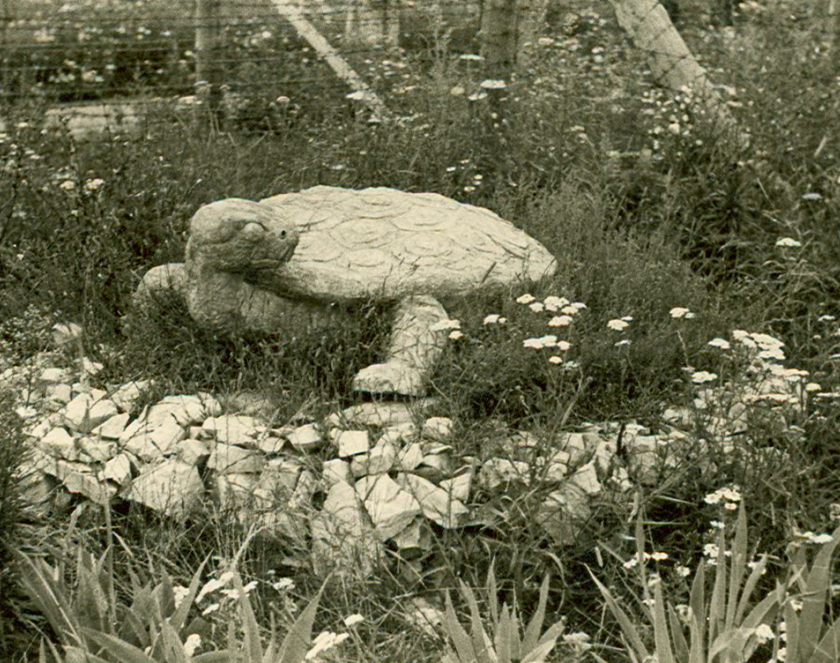
For the prisoners of Majdanek the religious and cultural activities were a means of survival. Representatives of various faiths secretly practiced and kept religious object. Inmates also attempted to engage in poetry and other artistic activities. Learning and collective singing were also of high importance.

Prayer books found on the former camp grounds.

Underground Movement

Various political and military underground organisations secretly operated in the camp. Their members managed to establish contact with their commands outside the barbed wire fences of Majdanek. Some secret letters and reports were smuggled by civilian construction workers.

Escapes

Despite the threat of torture and death upon being caught, prisoners made escape attempts – both from the camp itself and from the labour groups working outside its borders. Other tried to flee from transports. In total, several hundred prisoners managed to escape under various circumstances.