Number of participants: up to 30
Price: 350 PLN
Duration: 4 hours (workshops and tour of the former camp grounds up to the prisoner field III)
Eight grade elementary school
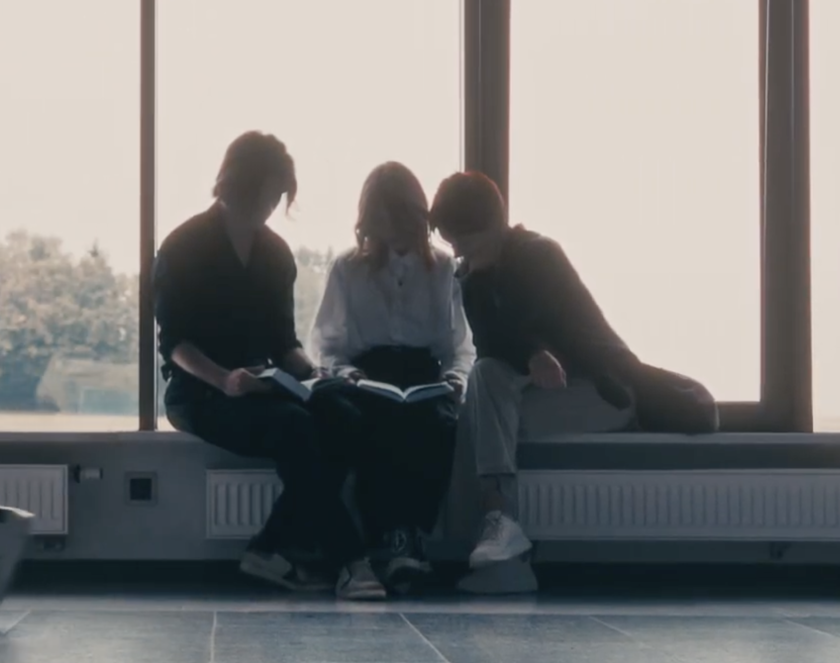
Standard elements of a student visit to the memorial site include participatory workshops and a short tour of the former Majdanek camp grounds.
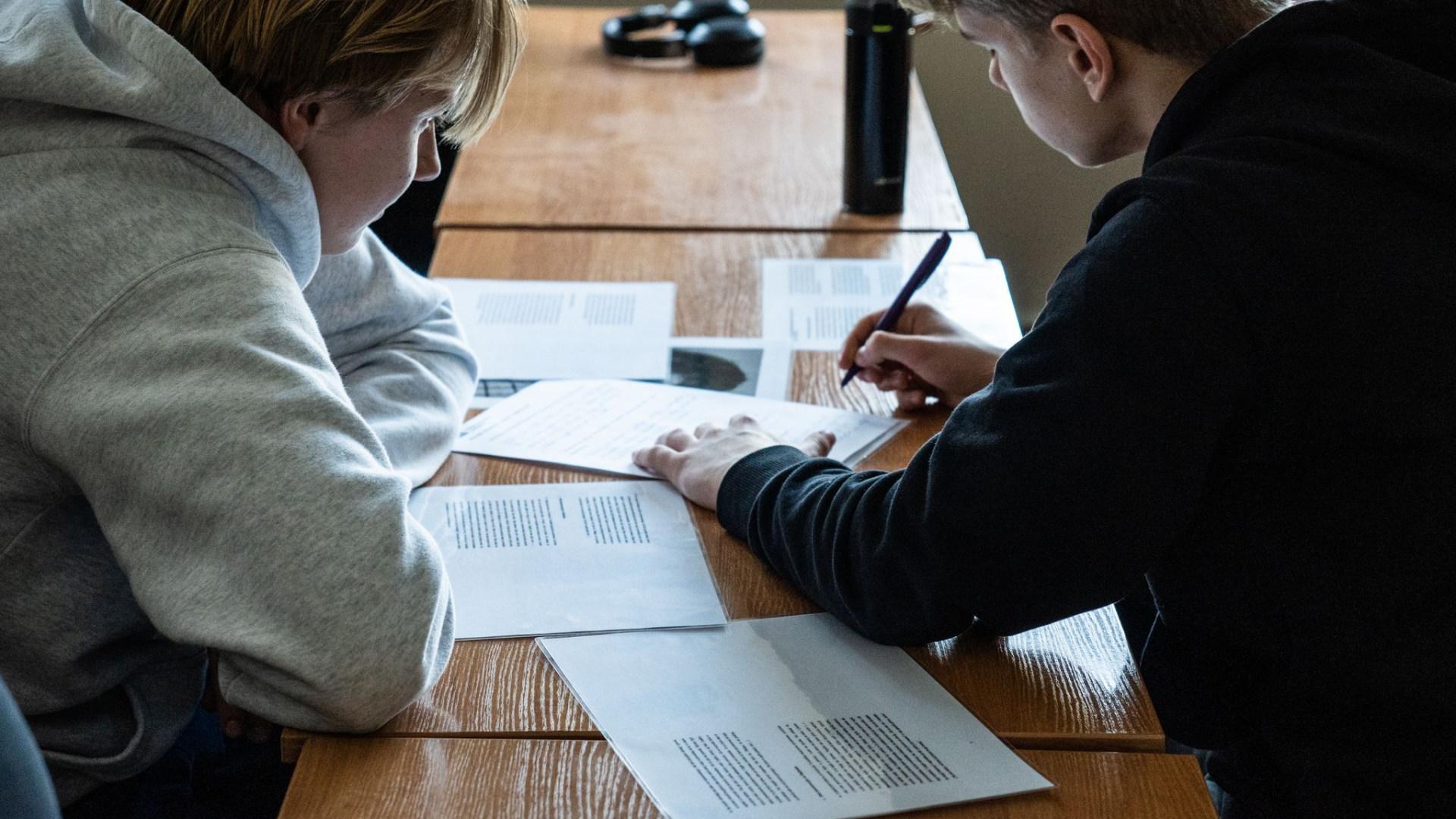
Topic 1: Different fates – similar dreams. Prisoners and the Majdanek camp in video accounts by witnesses to history
During the class, students watch a video containing accounts of former prisoners of the Majdanek concentration camp. The witnesses' stories concern the hopes, desires, and dreams that accompanied them during World War II. Participants have the opportunity to listen to the stories of people who experienced life in the ghetto and behind the barbed wire of the concentration camp. The witnesses' experiences become a starting point for discussion, exchange of thoughts and reflections on the expectations and desires of today's teenagers. The aim of the workshop is to interest young people in the personal memories of the inmates and to shape attitudes of respect and empathy towards the victims of KL Lublin.
Topic 2: The fate of children in the Majdanek concentration camp
The classes are devoted to the fate of the youngest prisoners of KL Lublin. Students will hear the stories of Jewish, Polish, and Belarusian children. They will learn why and how they ended up behind the camp's barbed wire, whether their loved ones were with them, and what their chances of survival were. The meeting serves to familiarize participants with their wartime experiences and to sensitize them to the problem of child rights violations in the modern world.
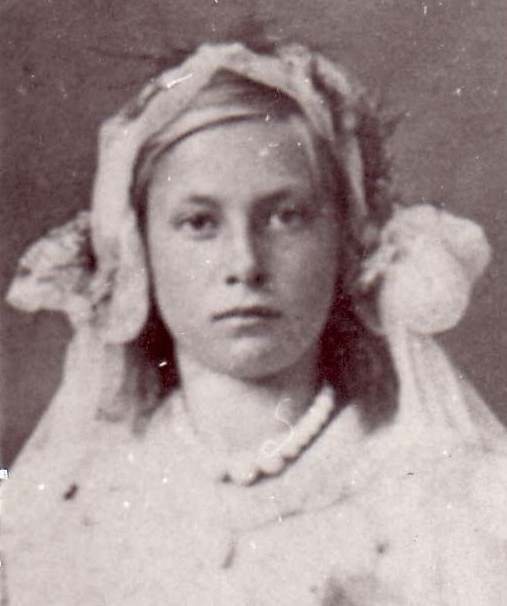
Topic 3: “After all, part of my heart stayed down there, in Majdanek...” The reality of camp life in Jadwiga Ankiewicz's diary
The classes are based on excerpts from the diary of 16-year-old Jadwiga Ankiewicz, who kept it secretly while imprisoned in KL Lublin. What was the camp like? How did the SS men and female guards treat the prisoners, and did they all behave in the same way? Did the prisoners work? Students will find answers to these and other questions in the notes of a girl who was not much older than themselves. Her experiences will also help them learn about the history of the camp at Majdanek. The aim of the meeting is also to foster empathy towards the victims of concentration camps and to improve students' skills in working independently with source texts.
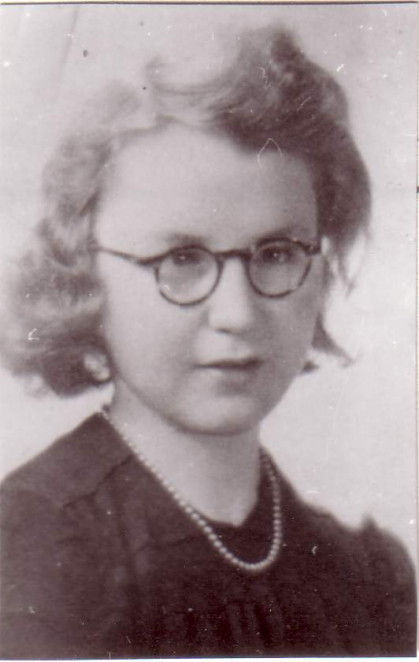
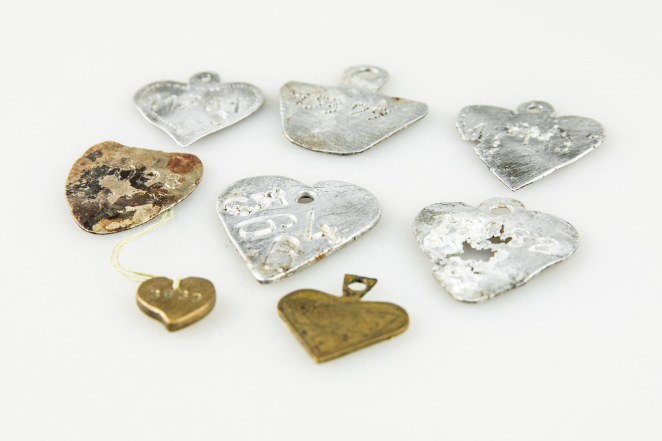
Topic 4: The art of storytelling, or stories hidden in museum exhibits
Museum objects, items, exhibits—we find them in every museum. They intrigue, fascinate, and encourage us to take a closer look. During these classes, students will discover what information artifacts conceal, why we talk about them, and how they were created. We will also consider whether, by telling the story of museum exhibits, we are also telling the story of the people and places they relate to. The workshops encourage reflection on the significance of objects as testimonies to the past and develop students' intellectual curiosity about material heritage.
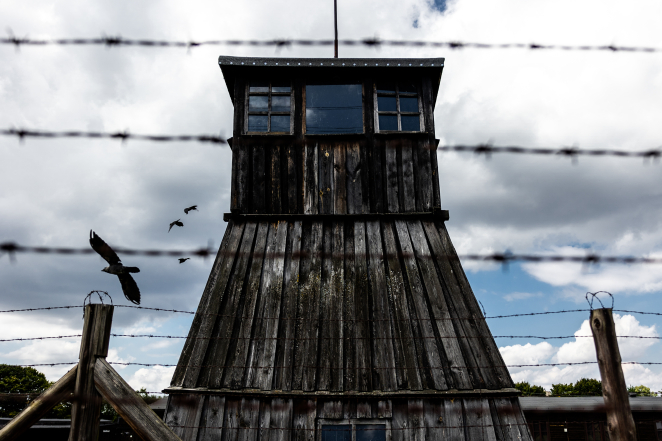
Topic 5: “I find it hard to believe that a person could endure such torment...” Living conditions in the Majdanek camp
The classes can be an introduction to the topic of World War II, the history of concentration camps, and the Holocaust. Students learn about the daily life of prisoners at KL Lublin, the conditions in the barracks, food, roll calls, and punishments for each offense. Independent work using interesting sources can be a starting point for deeper reflection on the reality that surrounds us. The aim of the meeting is also to sensitize young people to the worse living conditions of other people.
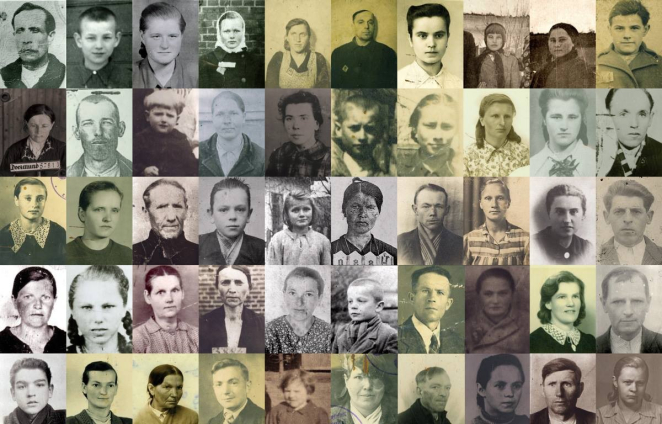
Topic 6: “The largest group consisted of anonymous, gray numbers...” Different groups of prisoners at Majdanek
Students look at photographs and read short biographies of former prisoners of KL Lublin – women, men, and children. They determine their origin, age, nationality, how they ended up in the concentration camp, and what happened to them afterwards. In this way, they independently gather information about the prisoner community at the Majdanek camp. The workshops serve to develop skills in using a variety of source materials and to raise awareness of human rights violations in the modern world.