Jan Michalak's book entitled No. 3273 was sixteen years old presents not only the fate of his loved ones in the camp, but above all the nightmare of Majdanek: roll calls, interrogations, harassment, murders and the covering up of traces of crimes. Michalak devotes a lot of space to presenting different types of personalities and attitudes in prison conditions. He does not spare descriptions of the negative behaviour of functionary prisoners, but also sketches in detail the profiles of people whom the camp did not deprive of their strong moral backbone and to whom he often owed his life. In this way, he illustrates how the realities of the camp affected the psyche and behaviour of the prisoners.
Jan Michalak's Memoir Published
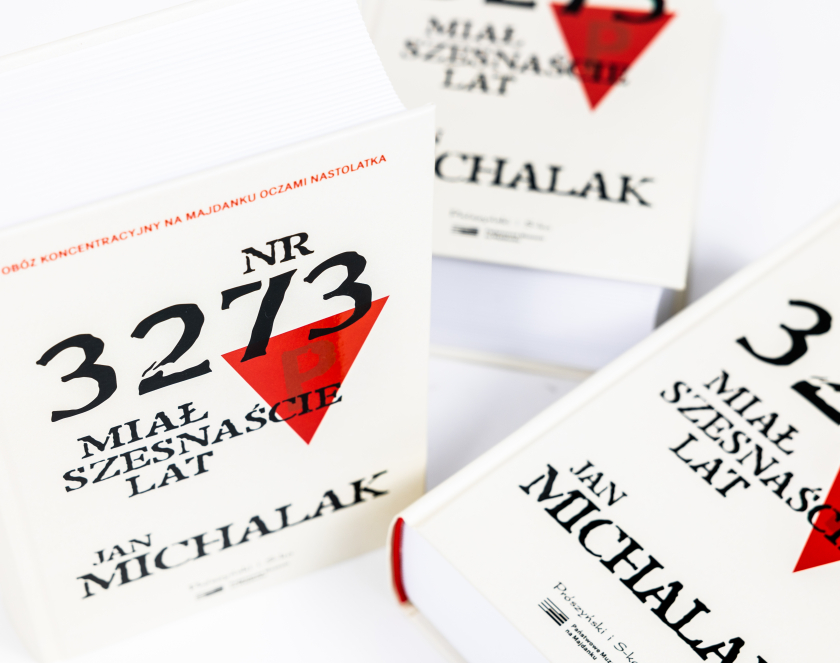
On 8 January 1943, the Gestapo arrested Jan Michalak and his family in Warsaw. The 16-year-old was sent to Pawiak, and from there the Germans deported him to Majdanek. Eighty-three years after these tragic events, we present our latest publication, which is being released in cooperation with the Prószyński i S-ka publishing house. It is one of the most interesting accounts of the wartime fate of a young man imprisoned in concentration camps.
After the war, Jan Michalak eagerly recounted his wartime experiences, both in the camps and before his arrest. In 1966, in response to a competition for memoirs organised by the State Museum at Majdanek, he submitted his memoirs entitled Małolatek (The Youngster). They were published in 1969 by Iskry Publishing House under the title Nr 3273 miał szesnaście lat (No. 3273 was sixteen years old). The publication now being released to readers is the third edition of Michalak's memoirs.
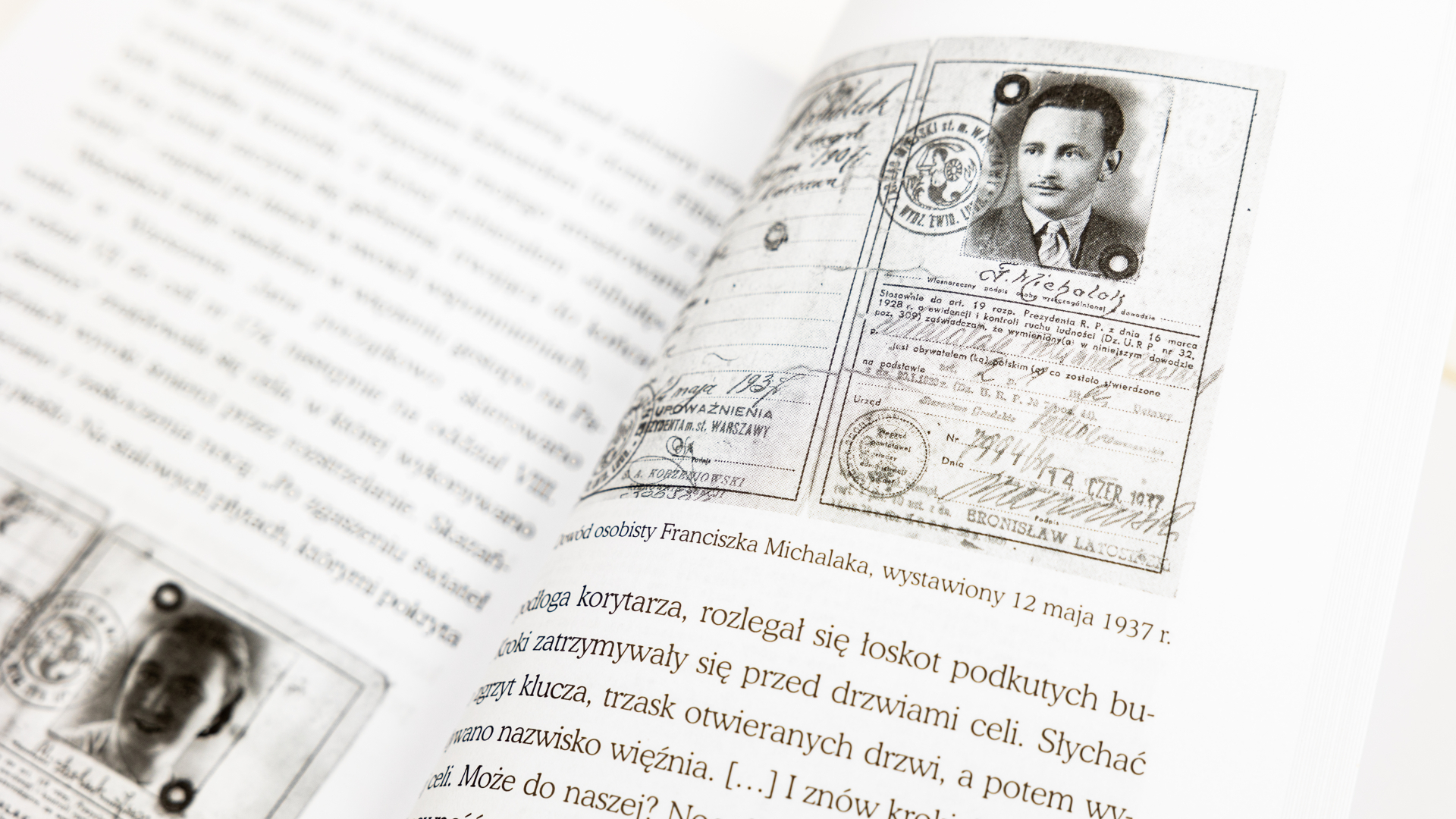
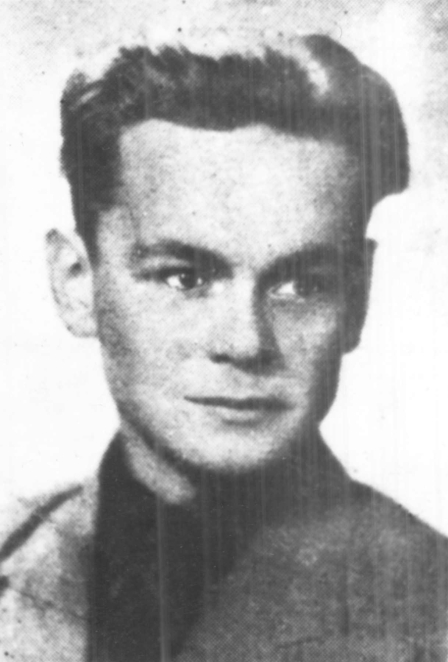
Jan Michalak was born on 20 March 1926 in Warsaw. After the Germans closed schools, he took part in secret classes. He then studied on legal preparatory courses for vocational schools. While studying at the Railway Department of the School of Civil Engineering in Warsaw, he joined a scout troop. His troop's tasks included disrupting film screenings in cinemas under the slogan ‘only pigs sit in the cinema’, distributing and scattering newspapers and leaflets, as well as participating in combat training. On the night of 8-9 January 1943, he was taken away by the Gestapo together with his parents. All three were imprisoned in Pawiak in Warsaw, from where the entire Michalak family was sent on 17 January 1943 to the concentration camp in Lublin, where Jan was given the number 3273.
Jan lost his father in KL Lublin. In April 1944, during the evacuation of Majdanek, the Germans sent him with a group of prisoners to the KL Gross-Rosen camp. From there, Michalak was deported to Leitmeritz. When Jan returned to Warsaw in 1945, instead of his family home in the Old Town, he saw rubble. He did not find his loved ones there either. It was only at the end of 1945, as a result of his searches and sending telegrams to various corners of the world, that he received a message from the Polish Red Cross that his mother and grandmother were alive and in Warsaw.
In order to bear witness to the truth and expose the crimes of the perpetrators, Michalak testified as a witness in the trials of some German criminals, including the longest trial of the KL Lublin garrison members in Düsseldorf in August 1978. He was active in the association of former prisoners and in the Society for the Protection of Majdanek. He died in 2000 in Otwock.