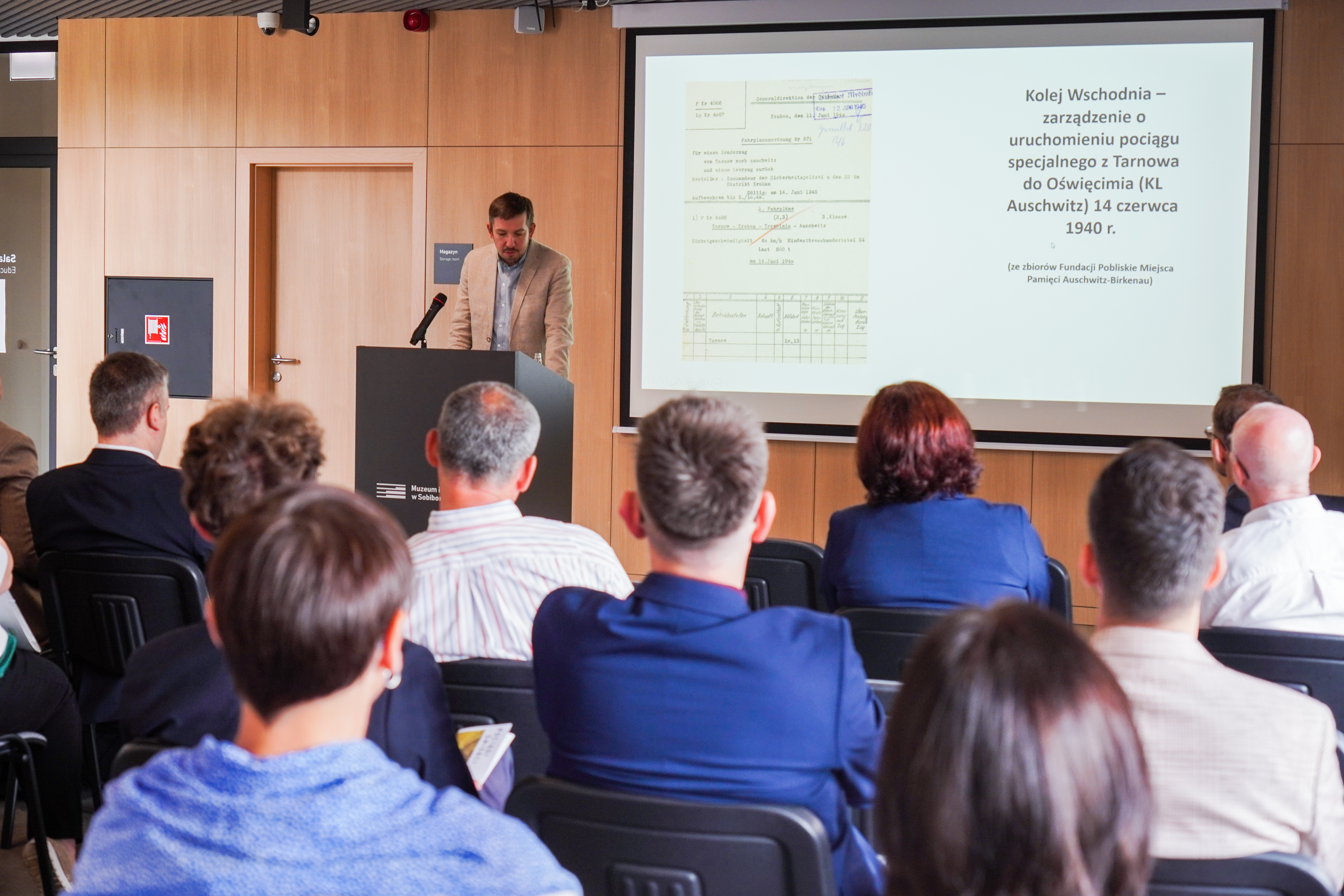
Marcin Przegiętka (IPN), Models of cooperation between the Reich Railways and the Eastern Railway and the SS and police in the transport of deportees to the General Government and prisoners to concentration camps and extermination camps
Jan Hlavinka (Holocaust Documentation Centre in Bratislava), From Slovakia to District Lublin: The Mass Deportations of Slovak Jews during Operation Reinhardt
Jakub Strýček (Slezské univerzity v Opavě), Organization and course of deportations from the Protectorate of Bohemia and Moravia to the Lublin District
Dariusz Libionka (Majdanek Museum), Recognition of transports to the death camps of “Operation Reinhardt” and Auschwitz-Birkenau by the intelligence structures of the Polish Underground State
Andrzej Grzegorczyk (Museum of Polish Children – Victims of Totalitarianism in Łódź), The role of the railways in the Wartheland during the deportation of Jews to the extermination camp in Chełmno nad Nerem
Bartłomiej Grzanka (Museum of the former German extermination camp Kulmhof in Chełmno nad Nerem), “After a short ride, we arrive at the KULMHOF station.” The role of the Sompolno–Dąbie section of the Kujawska Commuter Railway in transporting victims to the German extermination camp in Chełmno
Stefan Michał Marcinkiewicz (University of Warmia and Mazury in Olsztyn), “PJ-39” (December 16, 1942) and “RSHA Augustow” (February 3, 1943). Death trains from Prostki
Jakub Chmielewski (Majdanek Museum), Railway personnel and the Holocaust in the General Government – preliminary source reconnaissance
Jacob Flaws (Kean University), Death Traffic: The Railway Witnesses of Operation Reinhard
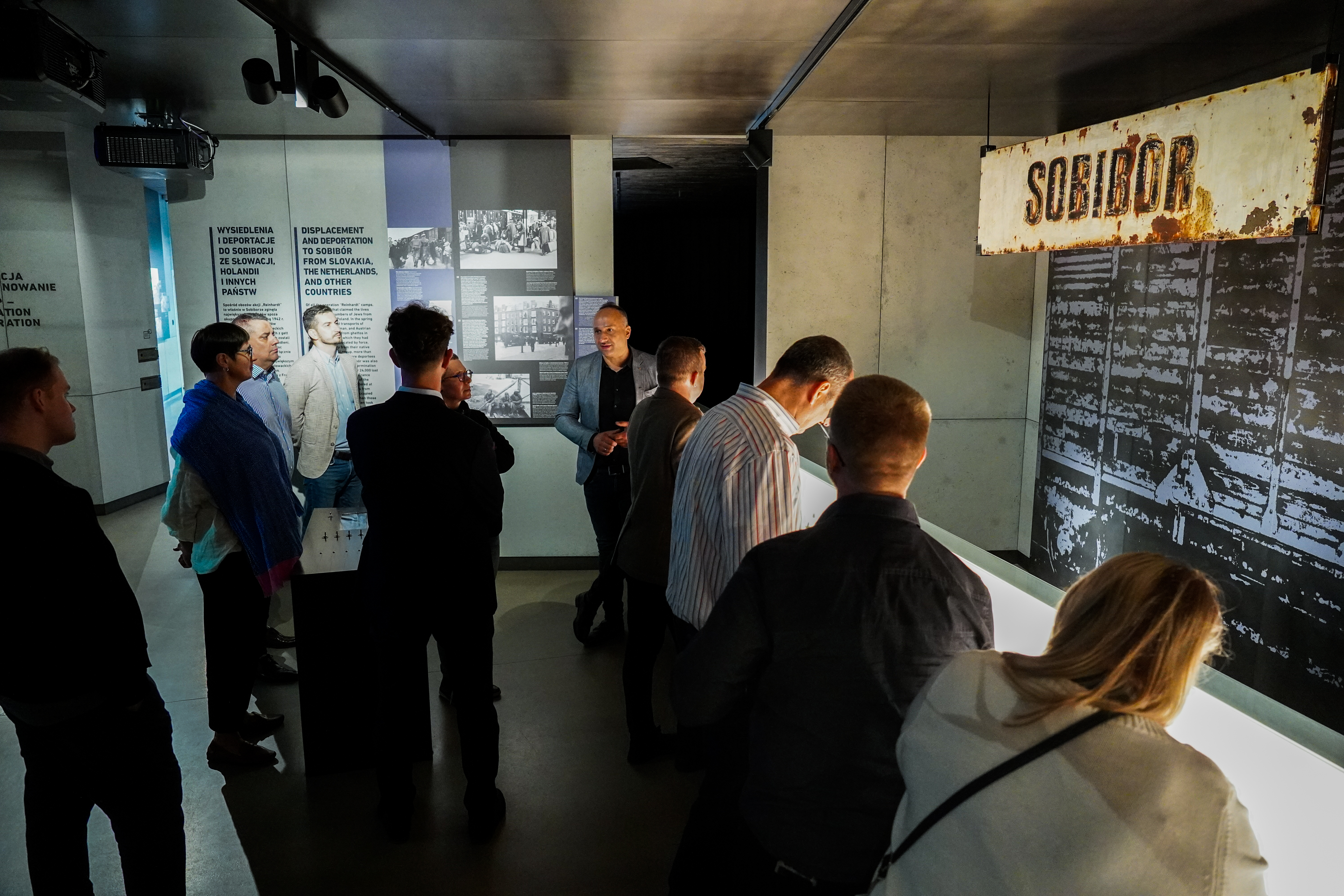
Marta Marzańska (Yad Vashem), Discussion of Yad Vashem's The Deportation of Jews Project, using the example of transports to Sobibór
Anna Remiszewska, Monika Samuel (Treblinka Museum), Railway workers from Treblinka and the nearby camps
Agnieszka Kajczyk (Jewish Historical Institute), Photographs and films of the deportation of Jews