What is the Werewolf?

Summary of the event on trauma and memory

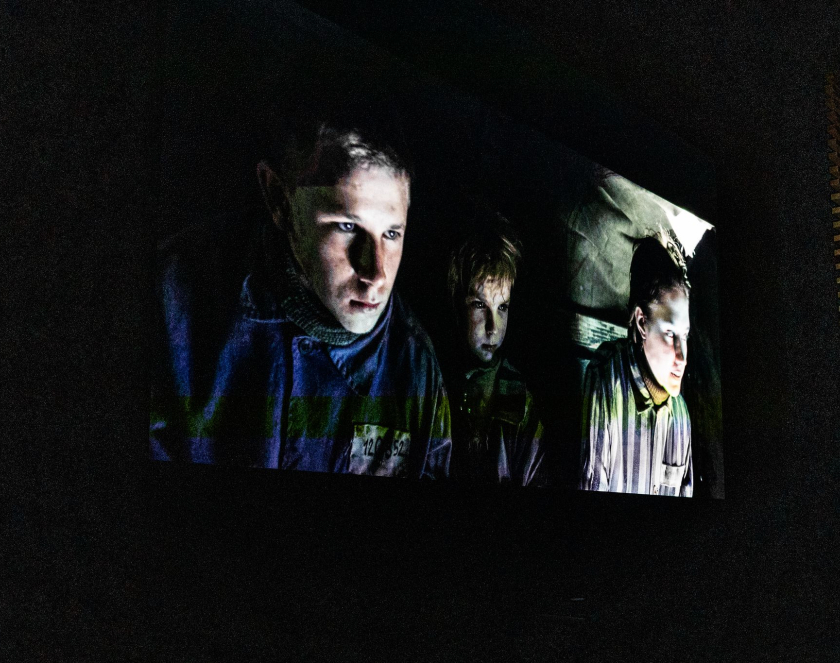
A cinema screen showing three young boys dressed in concentration camp uniforms.
What traces does war leave on the human psyche, particularly that of a child, and how does it affect subsequent generations? These were the questions we explored during the event “Werwolf: The War That Remains.”

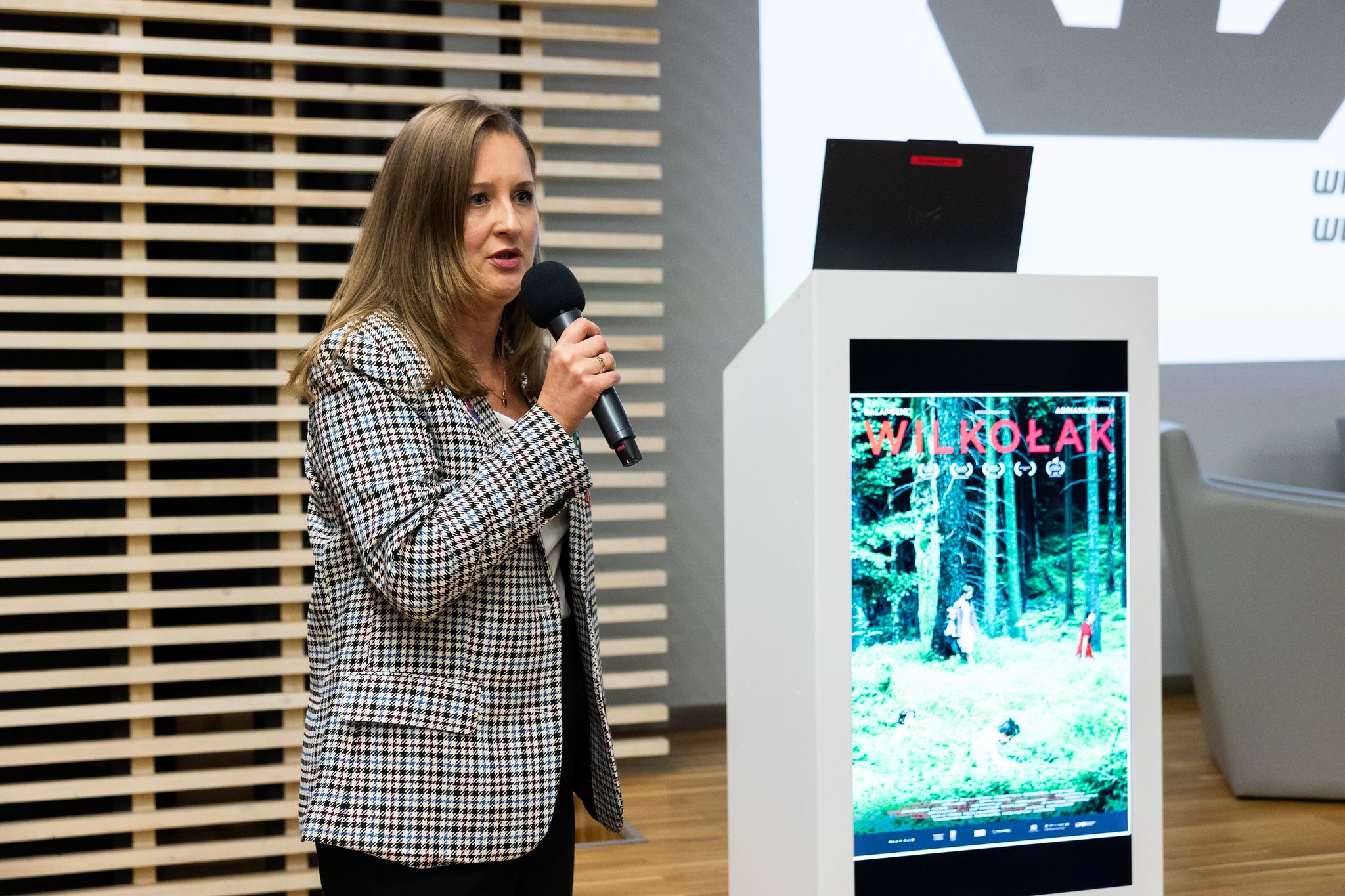
The discussion was prompted by a screening of "Wilkołak" [Werwolf], directed by Adrian Panek – a moving story about children who, having experienced wartime violence, struggle to find their place in the post-war world. The screening provided an opportunity to reflect on trauma and on the ways in which wartime experiences are portrayed in film and literature.
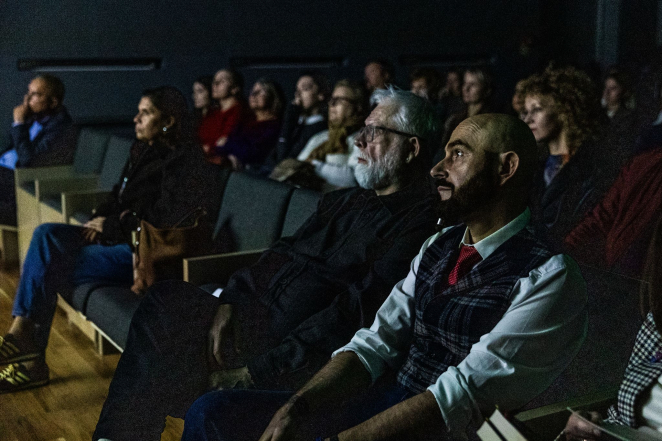
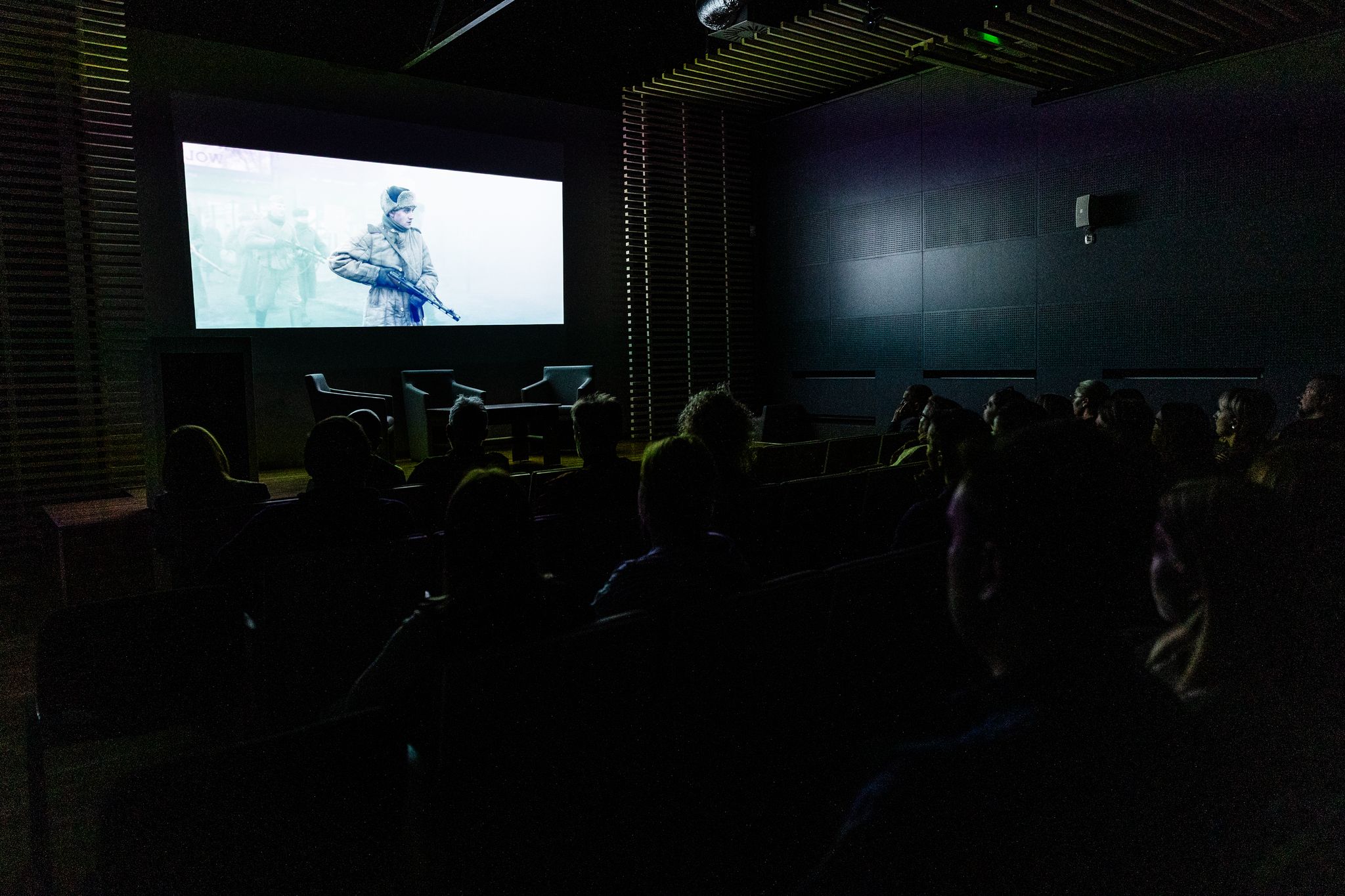
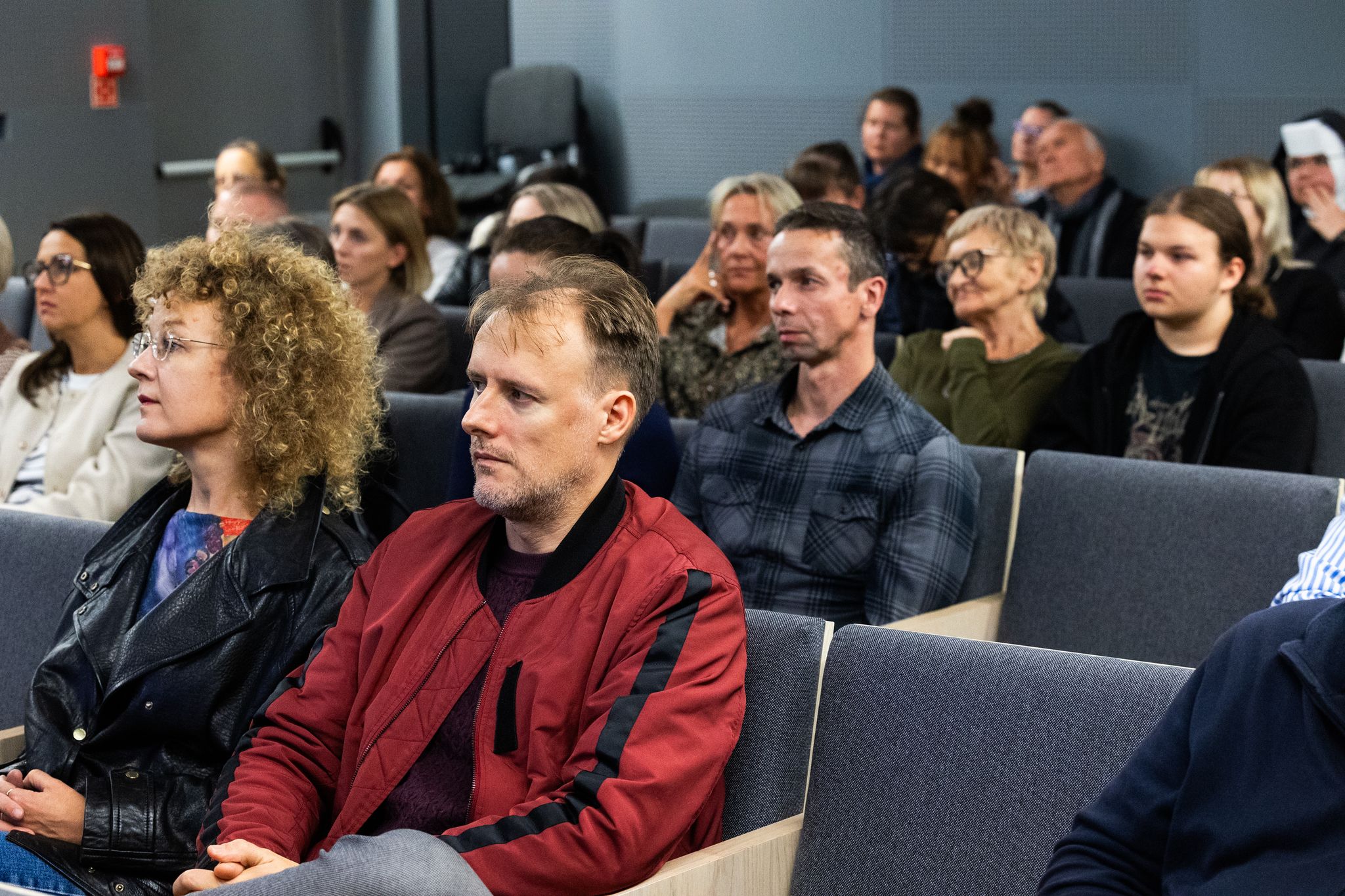
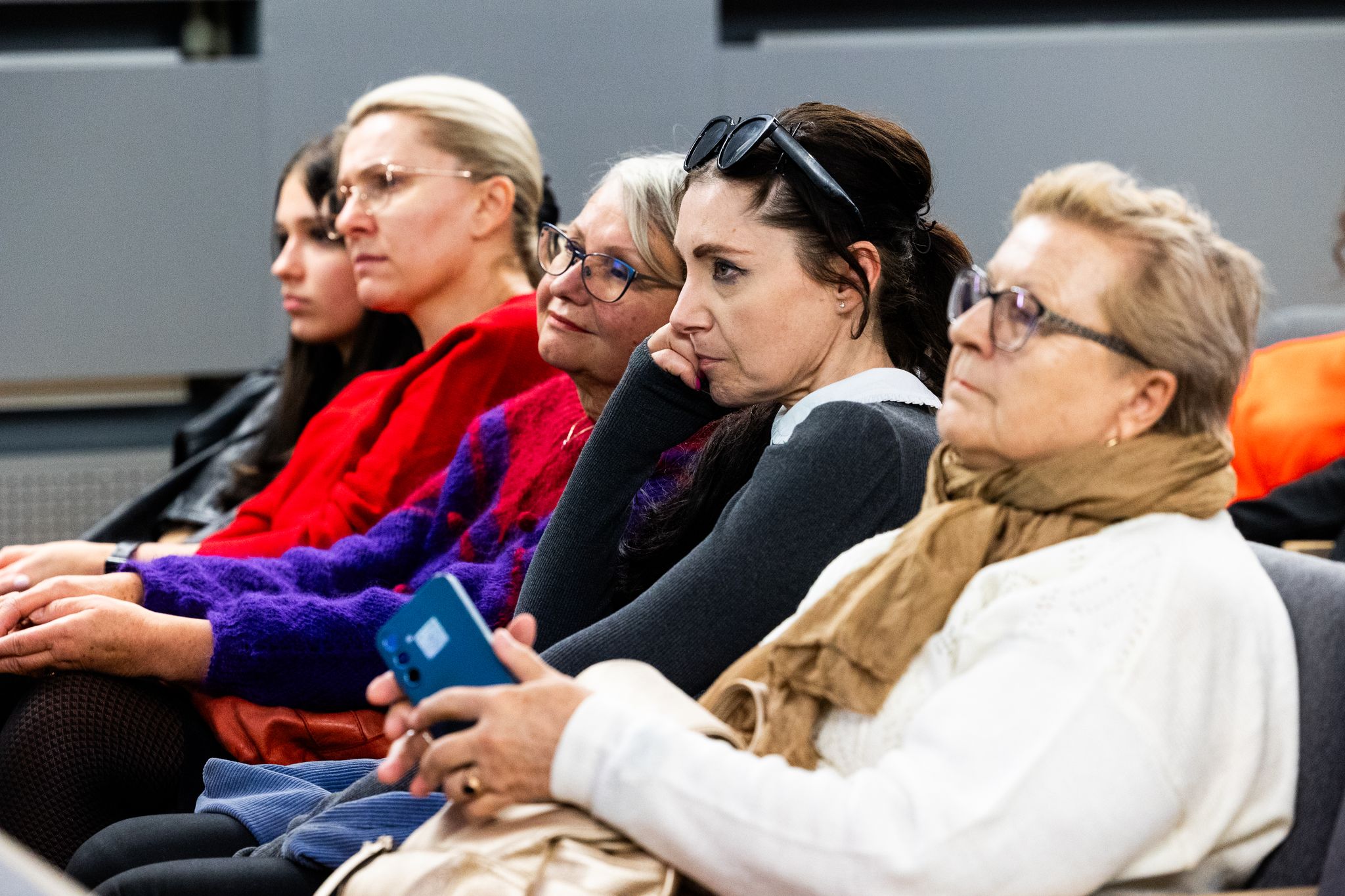
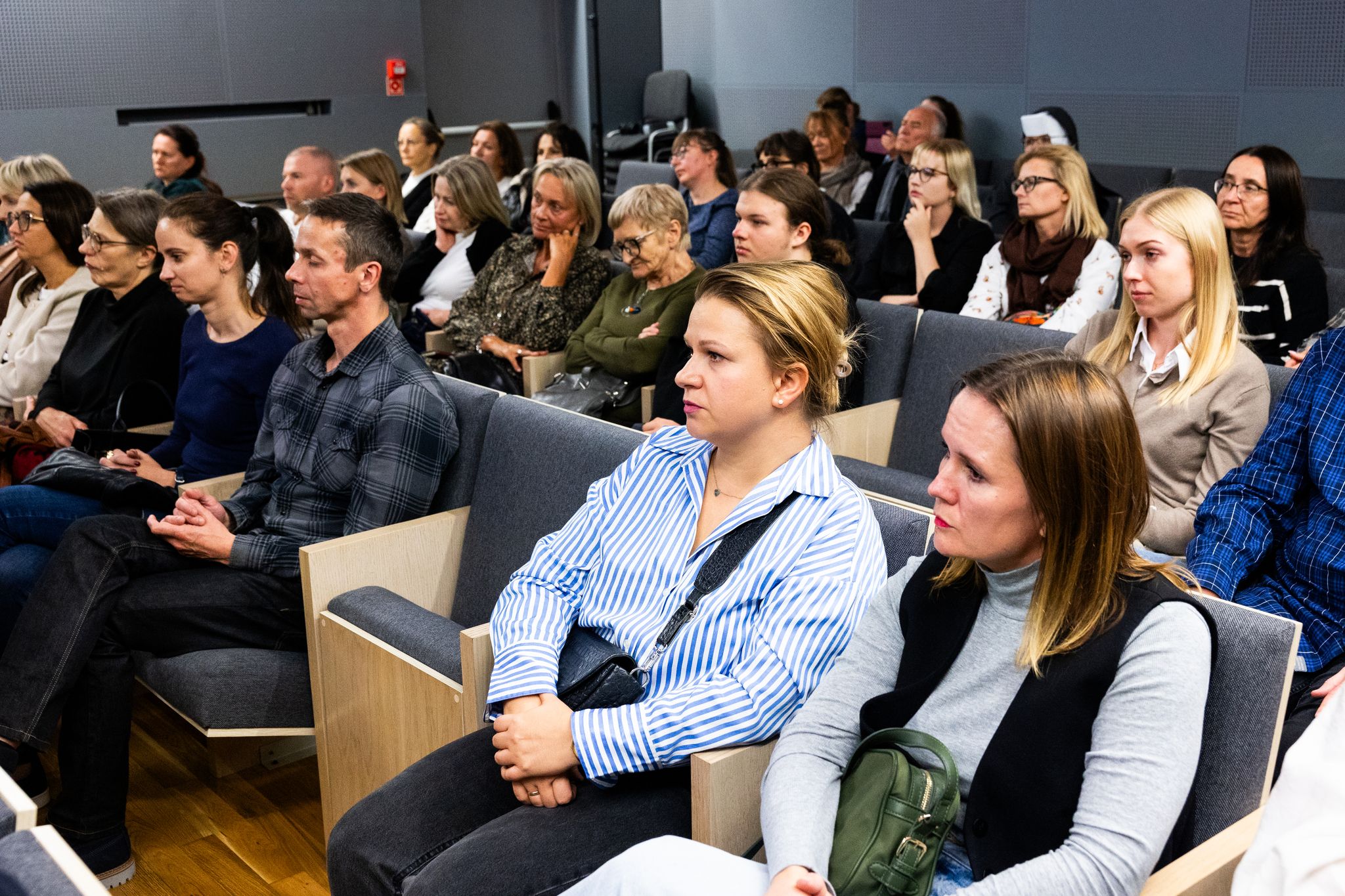
A group of people in a dark cinema auditorium.

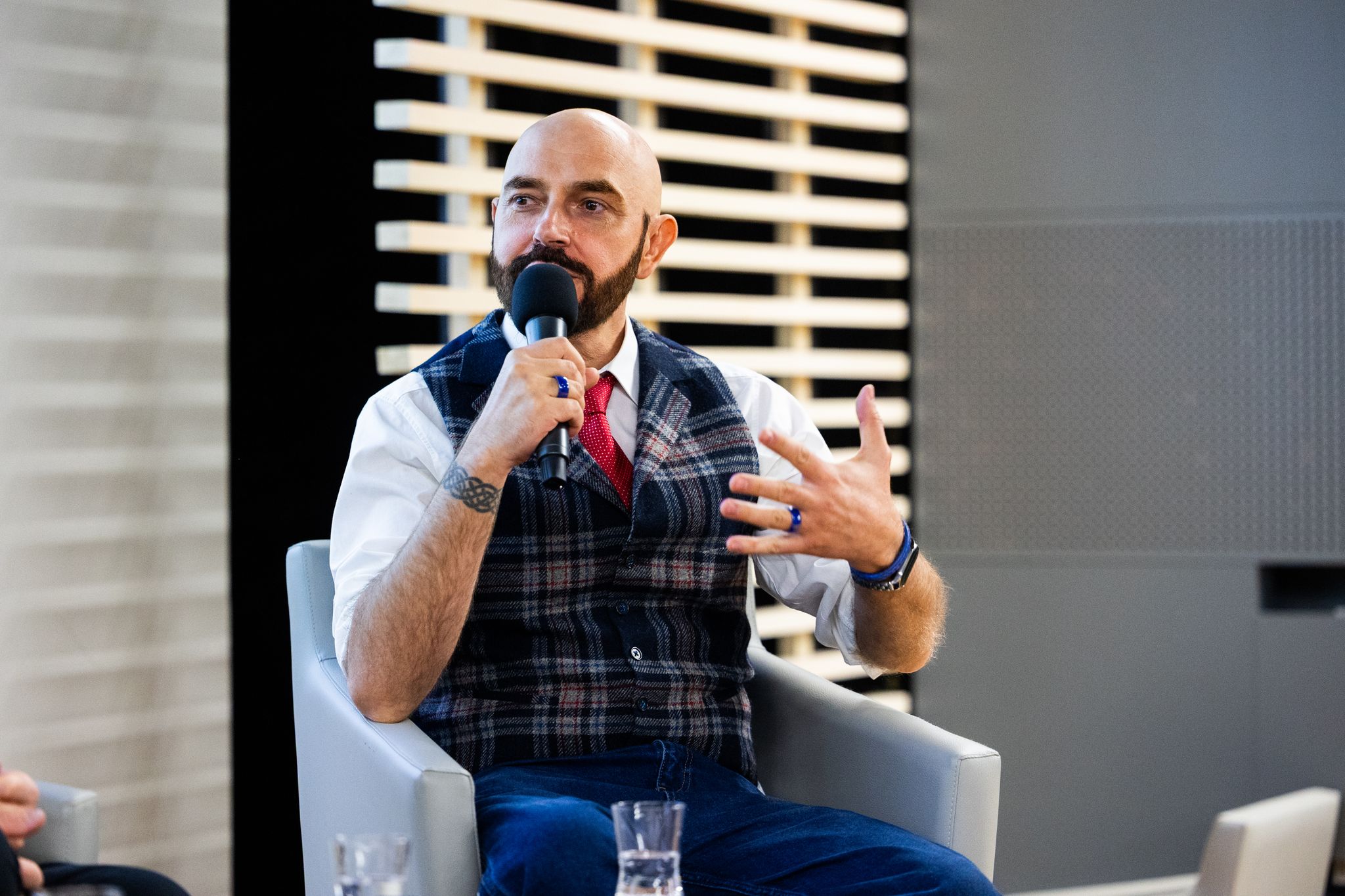
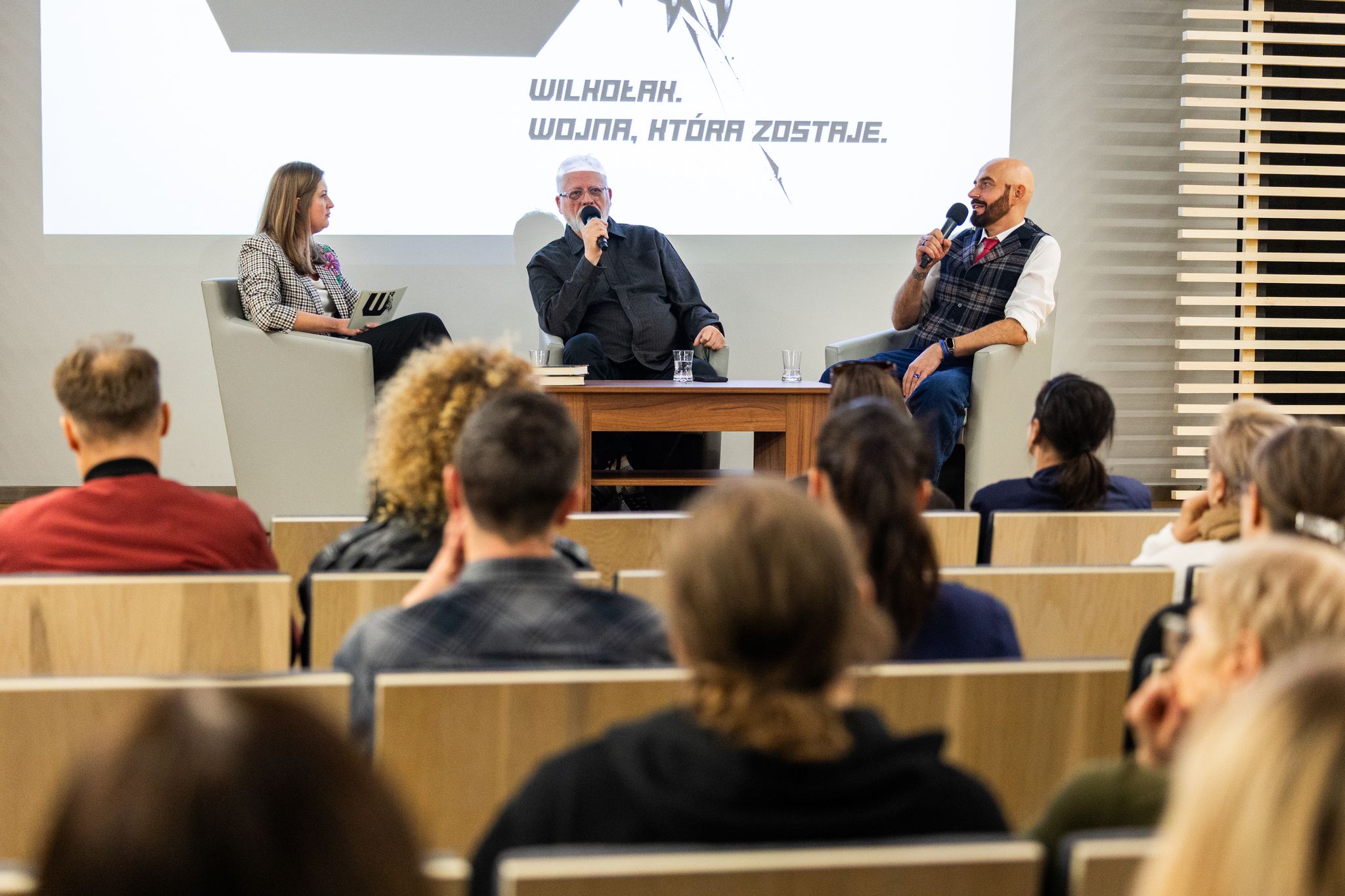
The event featured Tomasz Raczek, film critic, and Marcin Szczygielski, a writer whose work explores the wartime experiences of children. The discussion was moderated by Agnieszka Kowalczyk-Nowak.

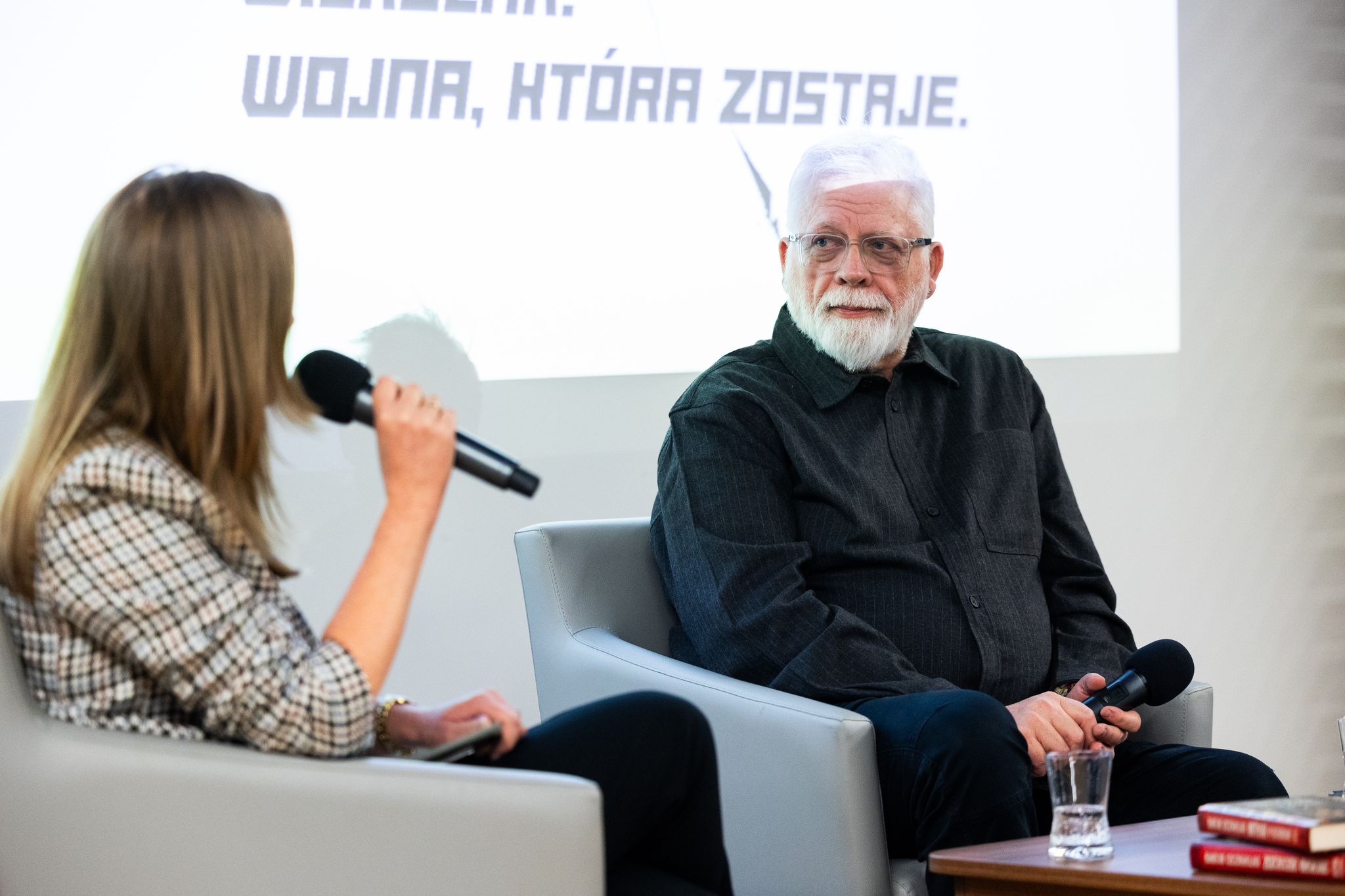
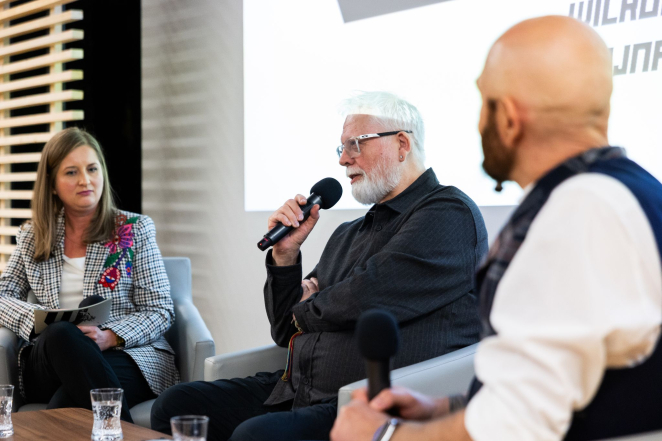
A woman and two men during a discussion. A grey-haired man wearing glasses is speaking into a microphone.

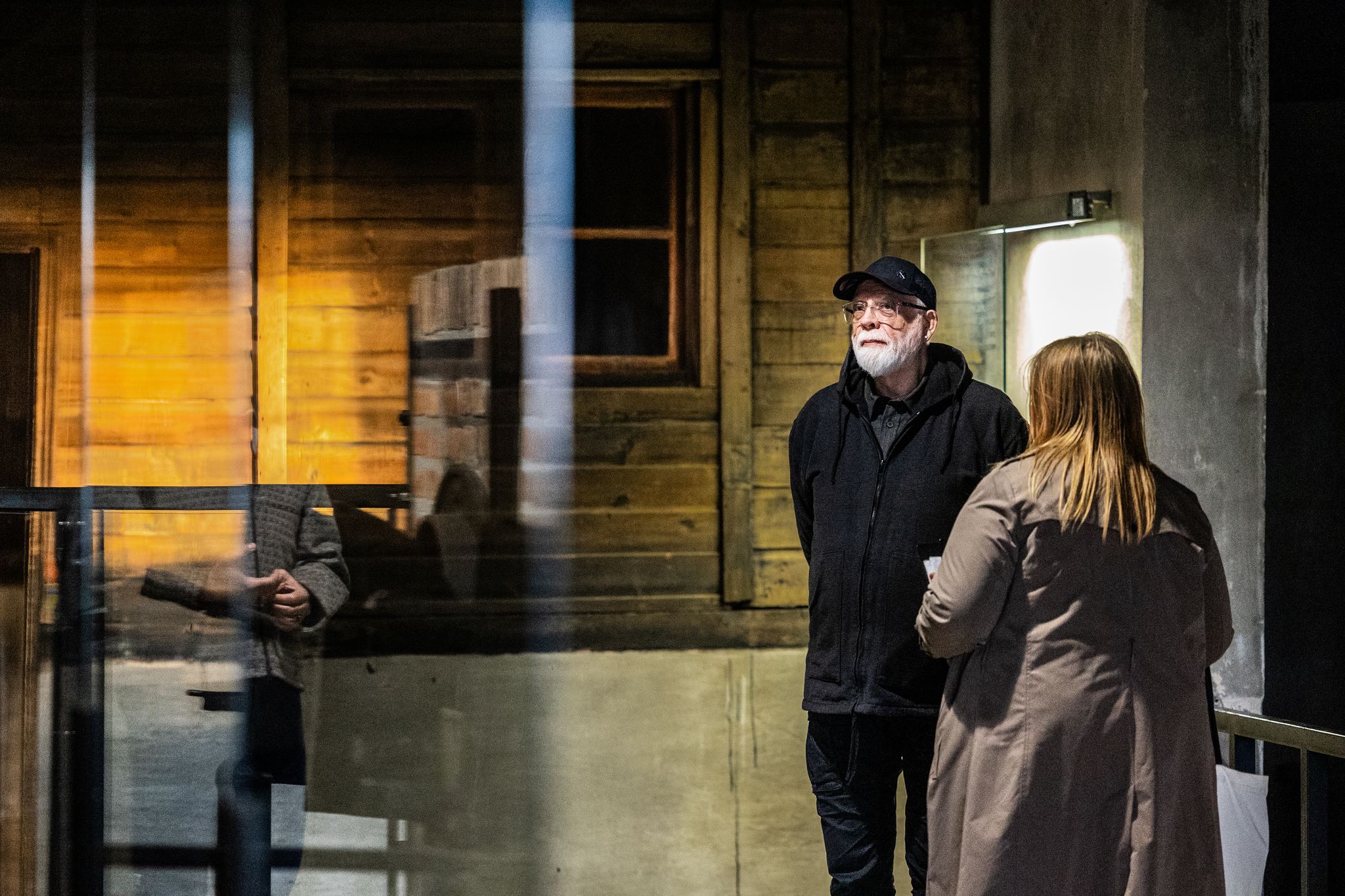
An important theme of the discussion was Tomasz Raczek’s personal reflections on his family’s wartime experiences. This perspective highlighted the importance of family memories and the intergenerational transmission of emotions, which can continue to shape the lives of descendants long after a conflict has ended.

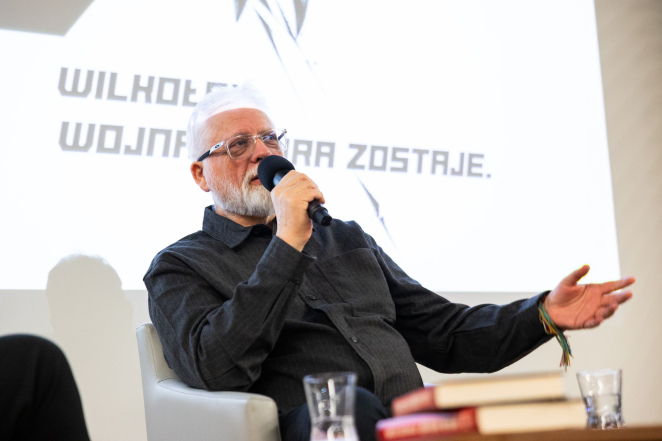
A grey-haired man wearing glasses speaks into a microphone, with a banner in the background reading: “Werwolf: The War That Remains.”

The event provided an opportunity to reflect on how to tell the story of a difficult past and its impact on subsequent generations, but also on how to understand the plight of children who are experiencing war today and facing its long-lasting consequences.

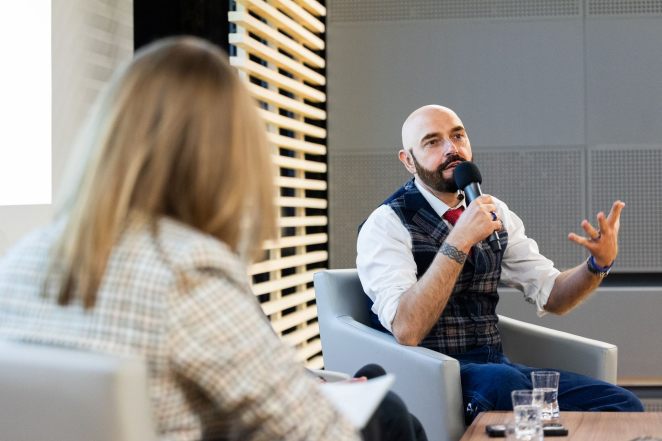
A bald, bearded man speaks into a microphone.