Number of participants: up to 30
Price: PLN 350
Duration: 4–4.5 hours (workshops and tour of the former camp grounds)
Number of participants: up to 30
Price: PLN 350
Duration: 4–4.5 hours (workshops and tour of the former camp grounds)
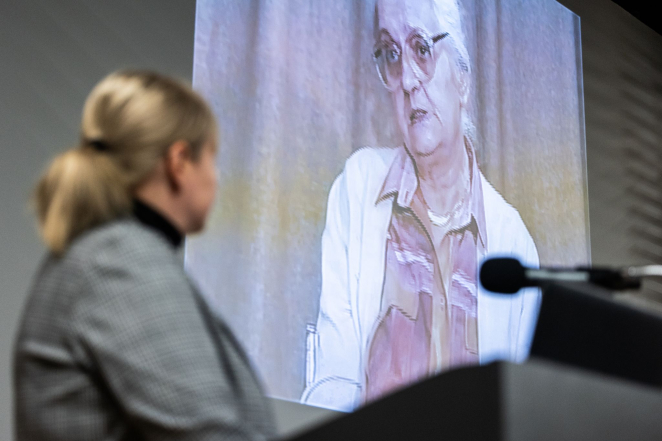
Friendship, courage, violence, and the mistreatment of other social groups are universal themes, both in the past and today. These topics will be discussed by witnesses to history – former Majdanek prisoners who recall their imprisonment in the camp. These accounts, recorded on video, will give students an insight into the personal experiences and emotions of former prisoners and enable them to learn more about the history of KL Lublin. The classes also provide an opportunity to discuss timeless values and to reflect on our own attitudes and values that guide us on a daily basis.
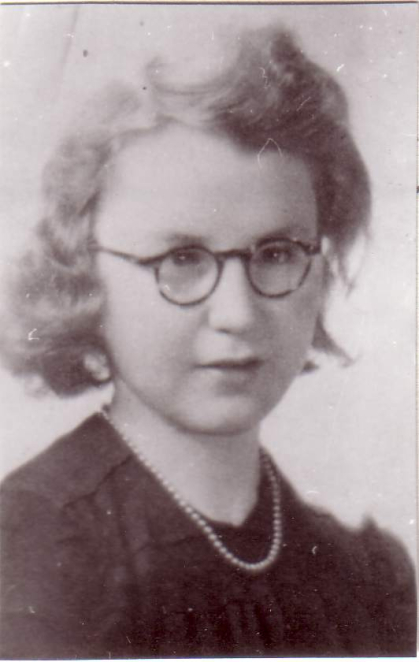
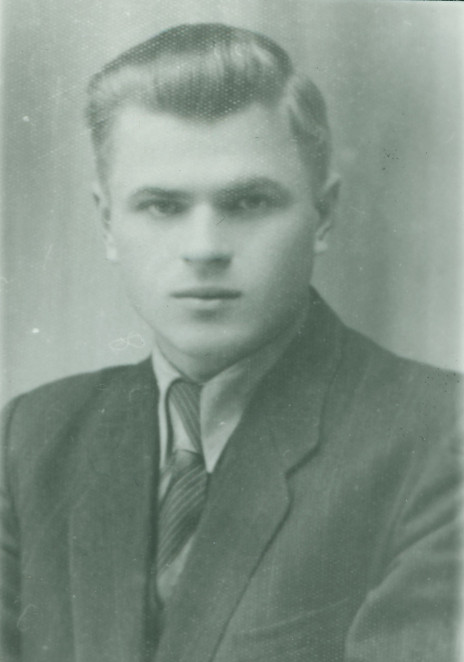
The workshops take the form of a conversation about the fate of the youngest prisoners in the Majdanek concentration camp. By learning the stories of two girls and a boy, students learn about the situation of Jewish, Polish, and Belarusian children imprisoned behind barbed wire. The aim of the classes is to raise awareness of the harm done to innocent and defenceless people and to encourage reflection on the current state of children's rights in Poland and around the world.
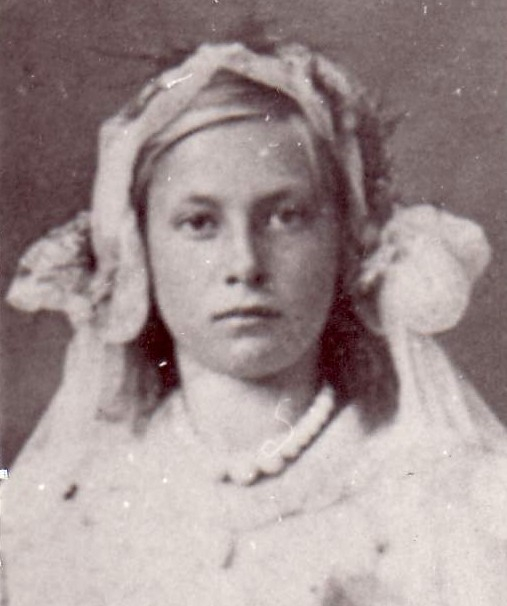
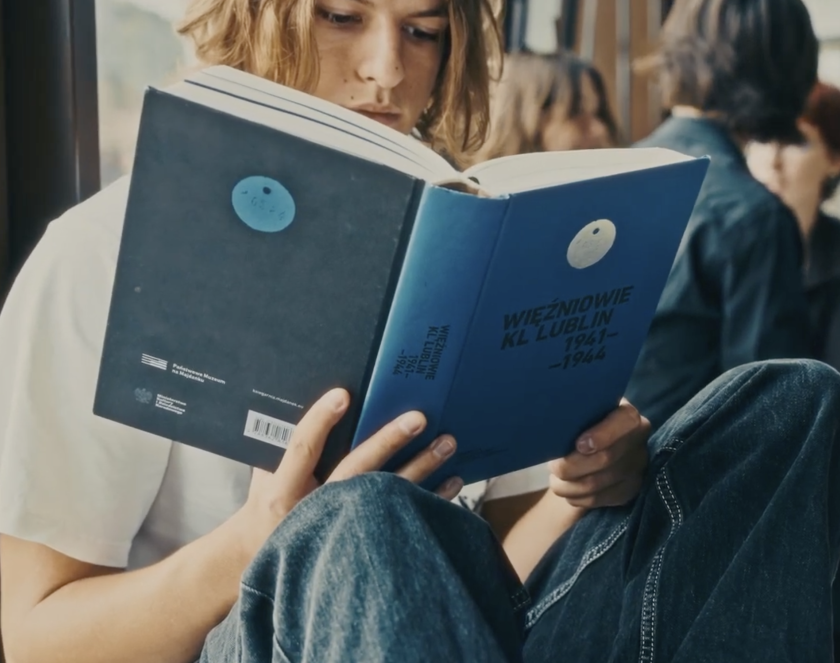
Teenagers were also imprisoned in the Majdanek concentration camp. One of them was 16-year-old Jadwiga Ankiewicz from Warsaw, who secretly kept a diary during her imprisonment. Thanks to her unique notes, students learn about the reality of the camp from the perspective of a young girl, who describes, among other things, the living conditions, the staff of KL Lublin, and forced labour. During the classes, participants can also develop their ability to work with source texts. Peer-guiding is also an integral part of the workshops.
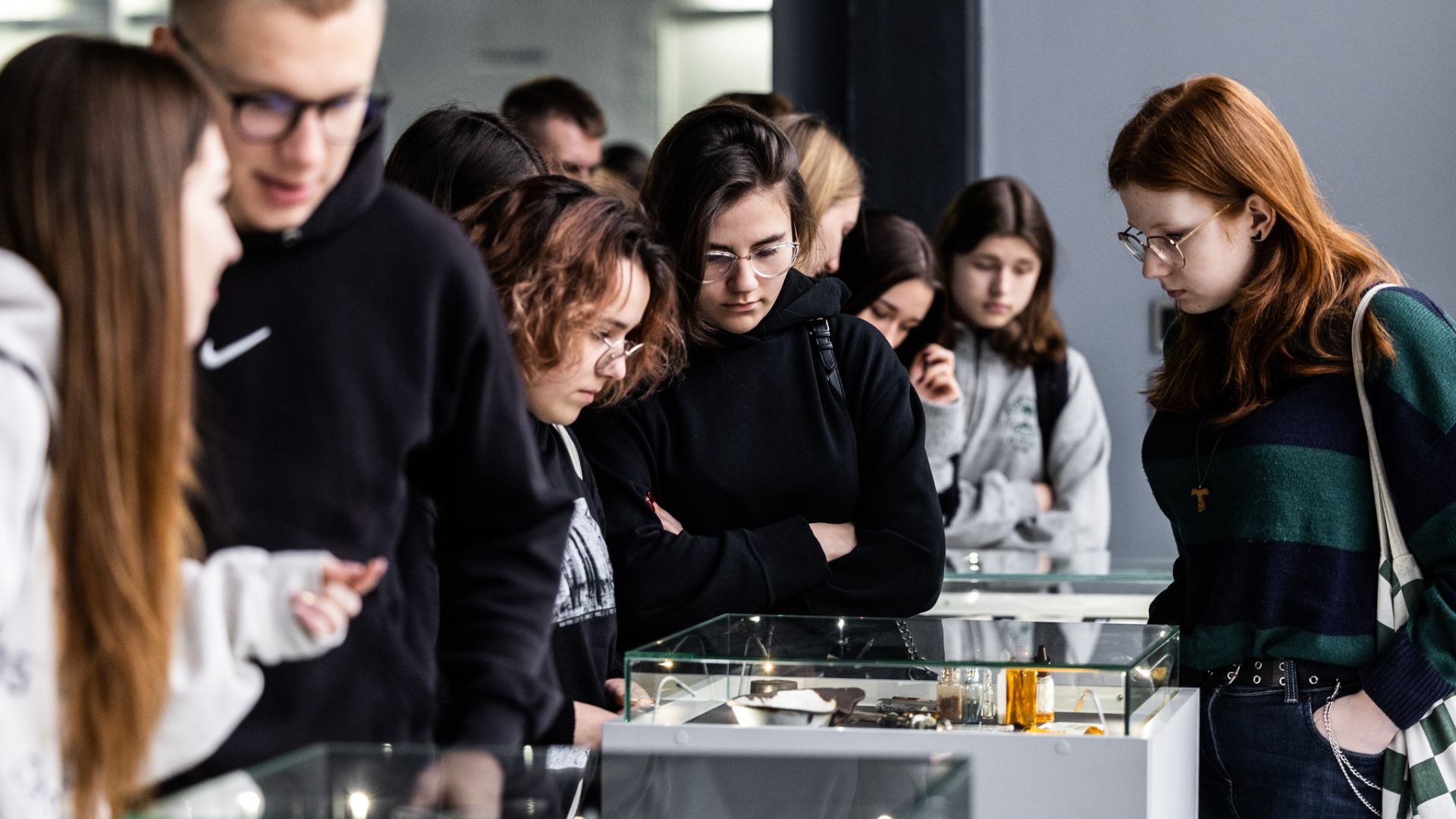
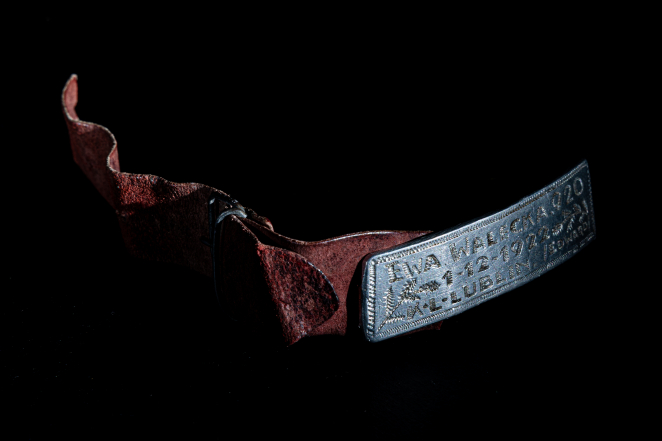
Among the exhibits presented at the museum's historical exhibition, we find personal items belonging to former prisoners, objects made by them, and items that directly relate to the terror of the camp. Each of them hides a different fragment of the past, telling the stories of their owners and creators, and showing the realities of World War II. They are often the only source of information about the nameless victims of KL Lublin. During the workshops, we will look at selected museum artifacts, try to discover their diverse histories, and talk about the role of objects in human life.
Classes during which students learn about the realities of World War II through the biographical story of a young scout and Home Army soldier, Zacheusz Pawlak. The story of difficult choices, the German occupation, imprisonment in Radom and concentration camps shows how difficult wartime experiences can affect a person's later life. During the workshops, students will learn what the underground movement in Poland was like and what the consequences of acting against the occupiers were. Thanks to a fictionalized documentary film, they will not only learn about Zacheusz's fate, but also reflect together on the mechanisms of coping with trauma.
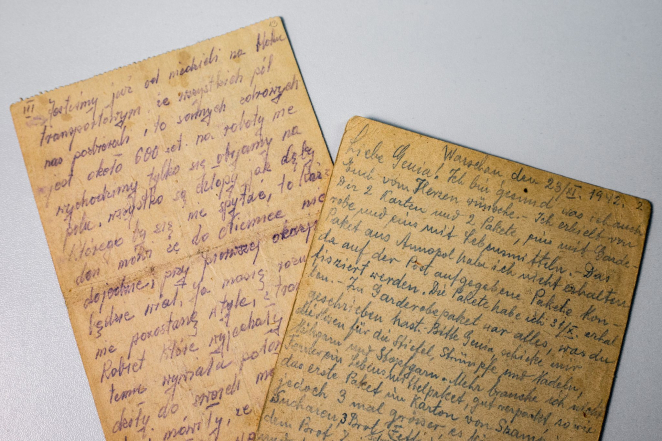
Sentences secretly written on scraps of paper, scribbled directly at the site of camp events. The secret messages were not only testimonies to extreme living conditions, hunger, disease, and longing, but also a form of illegal contact between prisoners and the outside world. Classes devoted to the analysis of private correspondence, enriched with examples of official and propaganda camp cards, show two different realities – the one experienced by the inmates of Majdanek and the propaganda one created by the staff of KL Lublin. During the workshops, we will not only focus on the content and appearance of the secret letters, but also discuss examples of lies and manipulation used in the past and present.
On 3 November 1943, the largest mass execution of Jewish prisoners took place at the Majdanek concentration camp. Over 18,000 women, men, and children were killed in the German operation codenamed “Erntefest.” During the workshops, students will learn about the accounts of witnesses to the crime and explore the historical background of the events of November 3. The classes also serve to foster empathy towards the victims of the Holocaust and to reflect on contemporary manifestations of anti-Semitism, xenophobia, and discrimination.
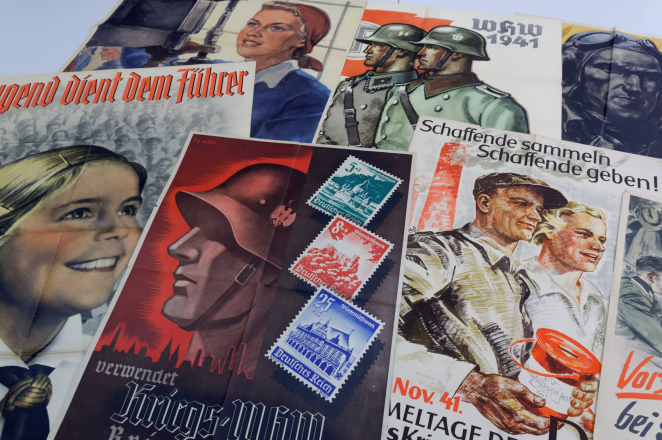
The press, radio, literature, and education were among the most popular tools used by the Nazis to indoctrinate German society. During the classes, we will look at the content of newspapers, school textbooks, posters, and books published in the Third Reich in order to identify propaganda mechanisms. The workshop is also an opportunity to discuss manipulation in contemporary societies and the role of critical thinking in analysing and interpreting the reality around us. Together, we will also consider how propaganda can shape public opinion.