Seniors

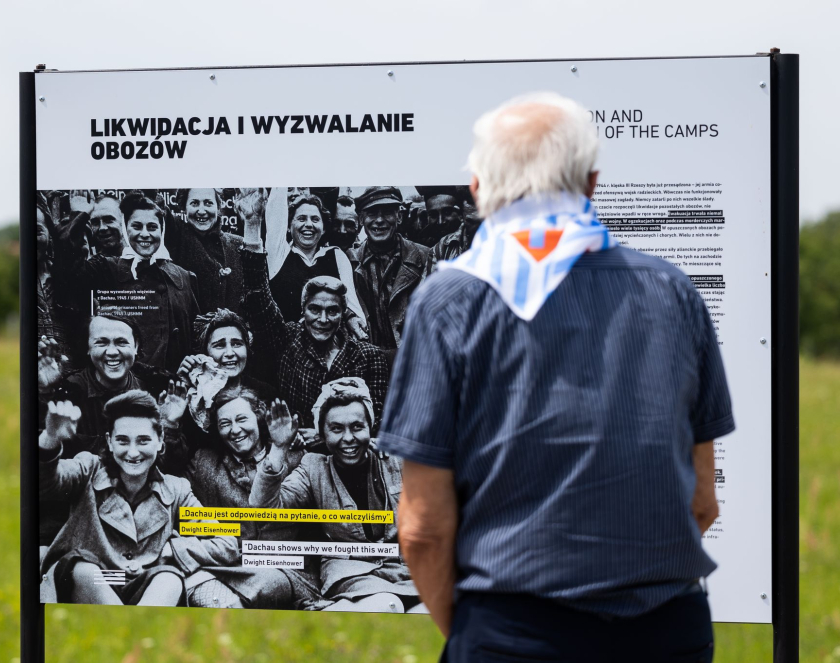
An elderly man wearing a white and blue striped scarf and a red triangle with the letter P reads the text of an outdoor exhibition, the inscription on the board: Liquidation and liberation of the camps
We invite seniors to participate in lectures on the history and memories of World War II and the functioning of the concentration camp at Majdanek.

The meetings are an opportunity to commemorate the victims, deepen knowledge, and strengthen social bonds. Lectures are held in person at the State Museum at Majdanek or at senior club facilities in the Lublin Province, by prior arrangement.

Number of participants: up to 75

Duration: 1–2 hours
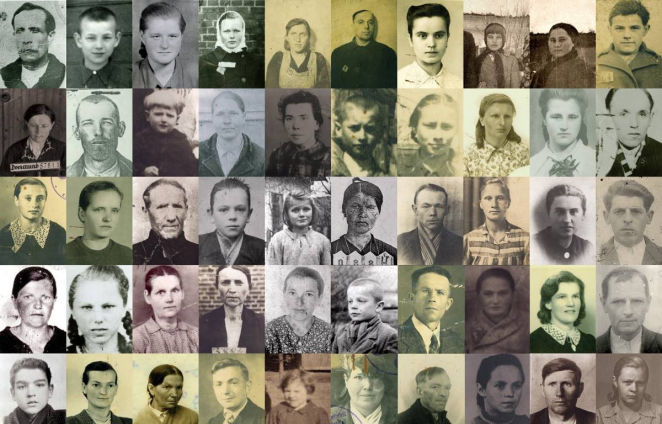
Topic 1: Who were the prisoners of Majdanek?

Jews, Poles, deportees from the East, and prisoners from Western Europe constituted the largest groups of inmates at KL Lublin. Among them were people from all social groups. That is about 130,000 individual stories, which were brought together by the tragic circumstances of World War II. Who were these people? What were their lives like before 1939, and what fate awaited them in the camp? We present selected biographies of the victims, in an effort to restore their identities.

Topic 2: The Majdanek concentration camp in Andrzej Stanisławski's video account

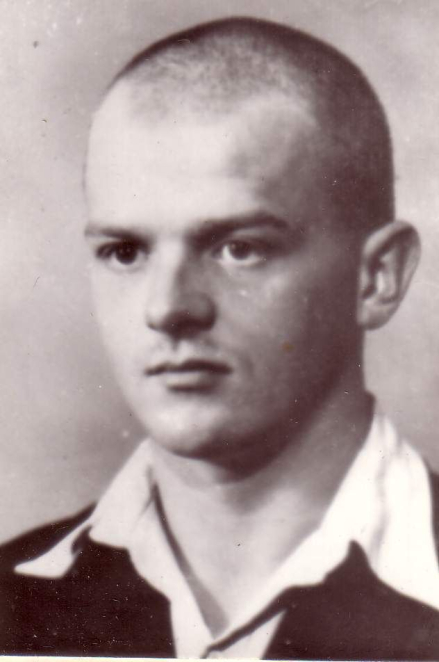
Meeting with a witness to history is an irreplaceable source of knowledge about the experience of imprisonment in the Majdanek concentration camp. Andrzej Stanisławski was imprisoned in Majdanek in January 1943. He spent several months in the camp and managed to escape from an evacuation transport. He described his experiences in the book Pole śmierci (Field of Death). He was also a witness in the trials against the Majdanek camp staff. His memories, recorded on video, will not only form the basis of the lecture, but also provide an opportunity to learn more about KL Lublin.

A young man with very short hair 

Topic 3: Living conditions in KL Lublin

Hunger, disease, violence, and omnipresent death were constant elements of the camp reality for Majdanek prisoners. During the meeting, we will not only learn about the mechanisms of KL Lublin's functioning, but also hear the memories of its victims – women, men, and children – recounting their experiences. The lecture aims to foster empathy towards the victims of concentration camps.

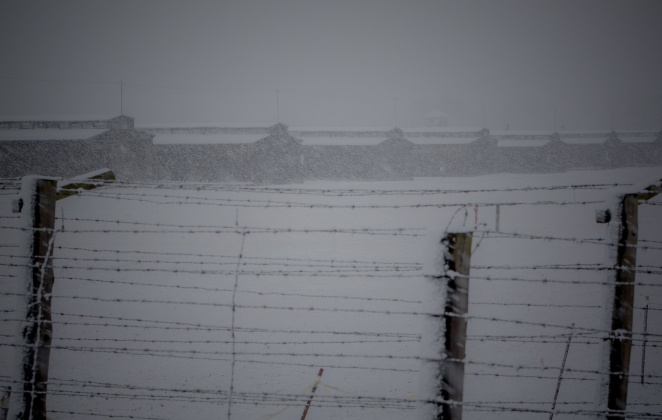
A row of prison barracks during a snowstorm, with barbed wire fencing in the foreground.

Topic 4: “And the summer was beautiful that year...” – the outbreak of World War II in the memories of witnesses

The lecture is devoted to the events of the first days of September 1939: we give the floor to former prisoners of Majdanek. Zdzisław Badio, Halina Birenbaum, Danuta Brzosko-Mędryk, and Mikołaj Caban recall moments that changed the face of the world in a video recording. Historical photographs of Lublin from the beginning of World War II will also be presented. The meeting is an opportunity to learn about the individual experiences of the prisoners and to commemorate the victims.

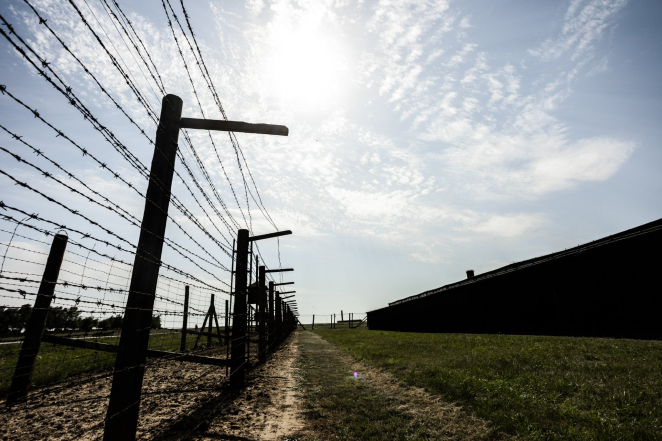
Prisoner barracks and a barbed wire fence, sunny weather.