Visitors with disabilities

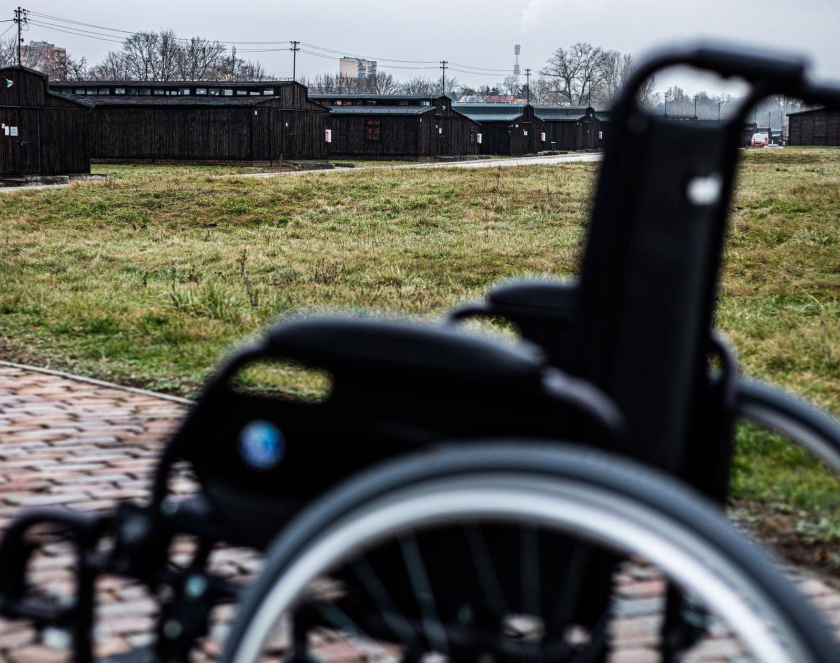
A wheelchair, in the background of a row of prisoner barracks.
Our offer includes educational activities tailored to the needs of people with physical, intellectual, hearing, and visual disabilities. In order to best prepare for your visit, please provide us with detailed information about your group in advance. This will allow us to tailor the meeting to the individual needs of the participants.

Visitors with visual impairments may explore the former camp grounds with an assistance dog. Please note that not all areas of the museum are fully accessible to visitors with physical disabilities, but all educational activities have been designed to be accessible to visitors with limited mobility.

Number of people: up to 30

Duration: to be determined (depending on the needs of the group)
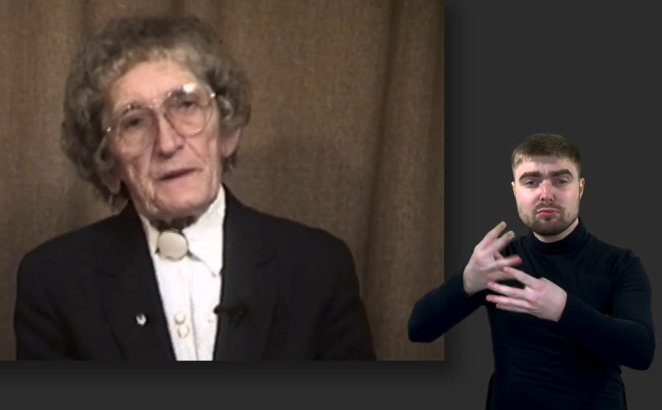
The world behind barbed wire – attitudes and experiences of Majdanek prisoners in video accounts | Classes for people with hearing impairments

The classes are based on authentic video accounts of former prisoners of the Majdanek camp. Selected excerpts from their memoirs touch upon issues related to the prisoner community and the diversity of attitudes among inmates. Participants learn stories of friendship and courage, as well as violence and theft. The meeting creates a space for reflection and conversation – participants can share their thoughts and relate the topics discussed to the present day. The testimonies are available with translation into Polish Sign Language (PJM).

Duration: approx. 1.5–3 hours (workshops and tour of the former camp grounds)

Screen from video account, elderly woman dressed in a white shirt and black jacket, PJM interpreter in black turtleneck on the right

“After all, part of my heart remained down there, in Majdanek...” The reality of camp life in Jadwiga Ankiewicz's diary | Classes for people with visual impairments

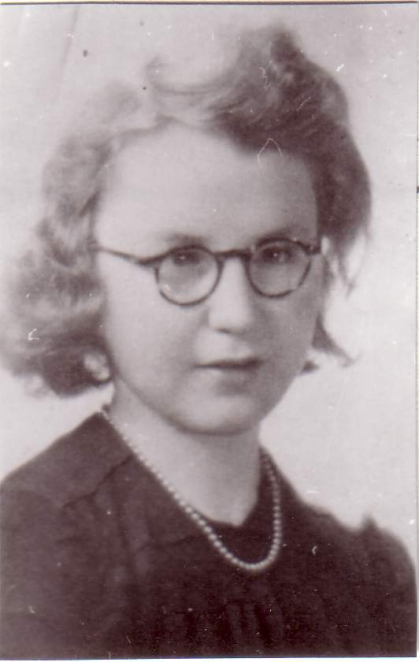
The classes are based on Braille excerpts from the diary of 16-year-old Jadwiga Ankiewicz, who kept her notes while imprisoned in KL Lublin. What was the camp like? How did the SS men and female guards treat the prisoners, and did they all behave in the same way? Did the prisoners work? Participants will find answers to these and other questions in the diary of a girl whose experiences will help them learn about the history of the camp at Majdanek. The aim of the meeting is also to foster empathy towards the victims of concentration camps and to improve skills in working with historical sources.

Duration: approx. 1.5–3 hours (workshops and tour of the former camp grounds)

A young woman with curly hair and glasses

The art of storytelling – stories hidden in museum exhibits

During the classes, participants discover the history of the camp and learn about its functioning mechanisms, using wooden models of selected historical objects made with 3D printing technology. These include the Gate Monument, residential barracks, and the crematorium building. Each of these models inspires conversation, reflection, and deeper knowledge.

Duration: approx. 1.5–3 hours (workshops and tour of the former camp grounds)

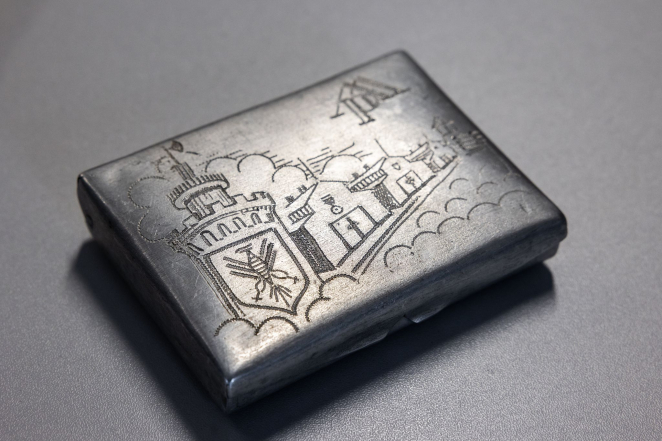
Metal box with engraved lid

The art of storytelling – stories hidden in museum exhibits | Classes for people with intellectual disabilities

During the classes, participants discover the history of the camp and learn about its mechanisms, using wooden models of selected historical objects made with 3D printing technology. These include the Gate Monument, residential barracks, and the crematorium building. Each of these models inspires conversation, reflection, and deeper knowledge. The content conveyed during the classes is tailored to the needs and abilities of the participants. The information is presented in a descriptive manner, using simple and understandable language, which facilitates reception and encourages the involvement of everyone participating in the meeting.

Duration: approx. 1.5–2.5 hours (workshops and tour of the former camp grounds)

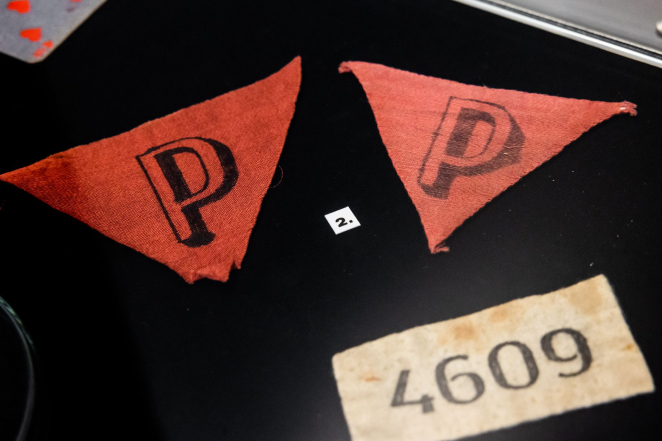
Two red fabric triangles with the letter P and the number 4609