Camp Hospital

Camp Hospital
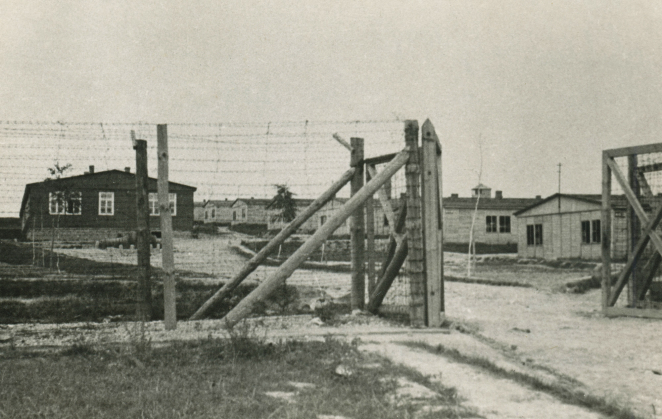
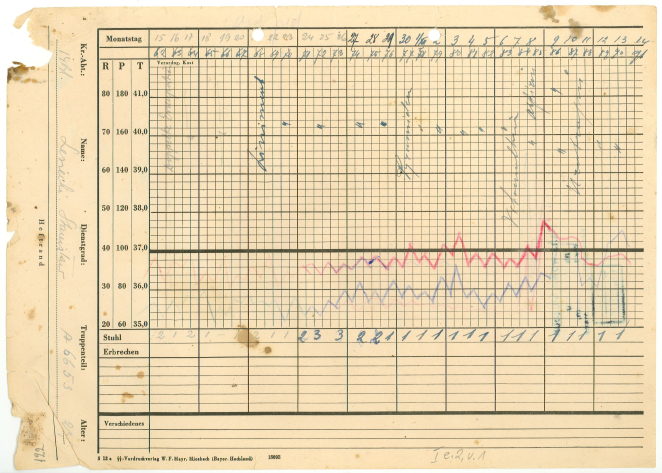
In the camp Jargon the term Revier (from the German word Krankenrevier) referred to the infirmary barracks. Some of the prisoners that could not continue their work as particularly useful labourers because they contracted diseases, e.g. typhoid fever, were sent to the infirmary. On the one hand, many prisoners eagerly tried to find themselves in the revier, because being admitted into the hospital barracks meant staying indoors, having an own bed, and not being forced to for work during the day. On the other hand, the SS-men subjected the infirmary patients to selections, as a result of which many Poles, Russians, Belarusians and prisoners of other nationalities were sent to the gas chambers.

Establishment of the Infirmary

From late 1941, the prisoner-doctors were transferred to Majdanek from other concentration camps, and from February 1942, they were tasked with creating the infirmary. As Majdanek expanded and the ongoing typhoid epidemics was spreading more and more, a branch of the revier was established in every prisoner field in early 1943. The women’s hospital at field V first encompassed one barracks and then four in April 1943. When females were transferred to field I, the women’s hospital took over the all the blocks of the former men’s infirmary.

Surgery block at field V.

Personnel

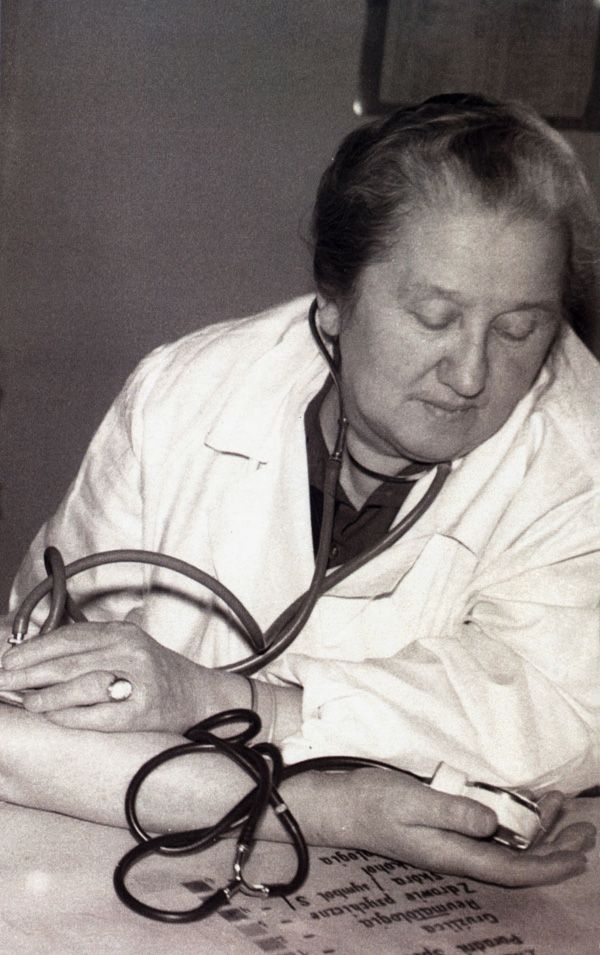
All camp infirmaries were subordinate to the chief SS camp physician (Lagerarzt), who run department V and was responsible for all medical and sanitary matters. In reality, however, it were the prisoners (physicians, orderlies, and nurses also known as caliphactors) that looked after the patients. The revierkapo was in charge of the hospital personnel.

Conditions in the Infirmary

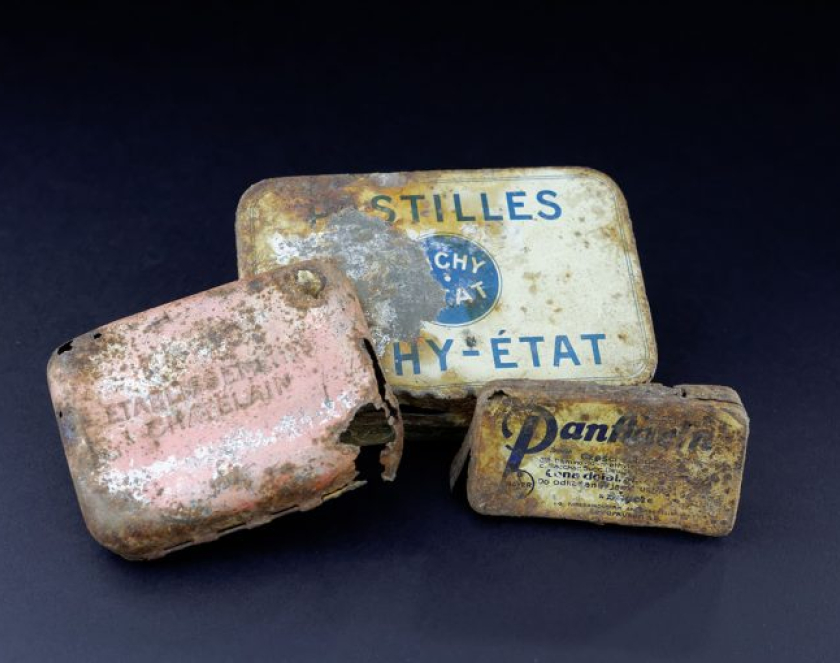
The hospital barracks accommodated around 200 patients, though the conditions inside were not considerably different from the regular prisoner barracks. Due to the lack of access to medicines and diagnostic tools, the revier offered hardly any actual treatment of the sick. The hospital beds had some bedticks and headrests filled with wood shavings and some blankets, but had no bedclothes. The sanitary and food conditions were the same as in the other barracks. The patients, however, were relieved from obligatory work and attending long roll-calls.

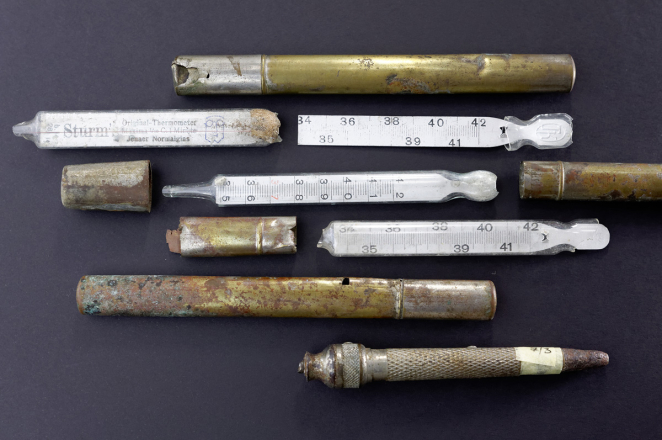
Thermometers found on the former camp grounds.

Camp Diseases

Similarly to other concentration camps, typhoid was the most common disease at Majdanek. High mortality rate was also fuelled by hunger disease which caused extreme body emaciation destroyed immunity against infections. Other frequently occurring disease included scabies, kidney and bladder inflammations, surgical erysipelas, erythema nodosum, frostbites, sunburns, boils, phlegmon, vitamin deficiency, and scurvy.