Extermination

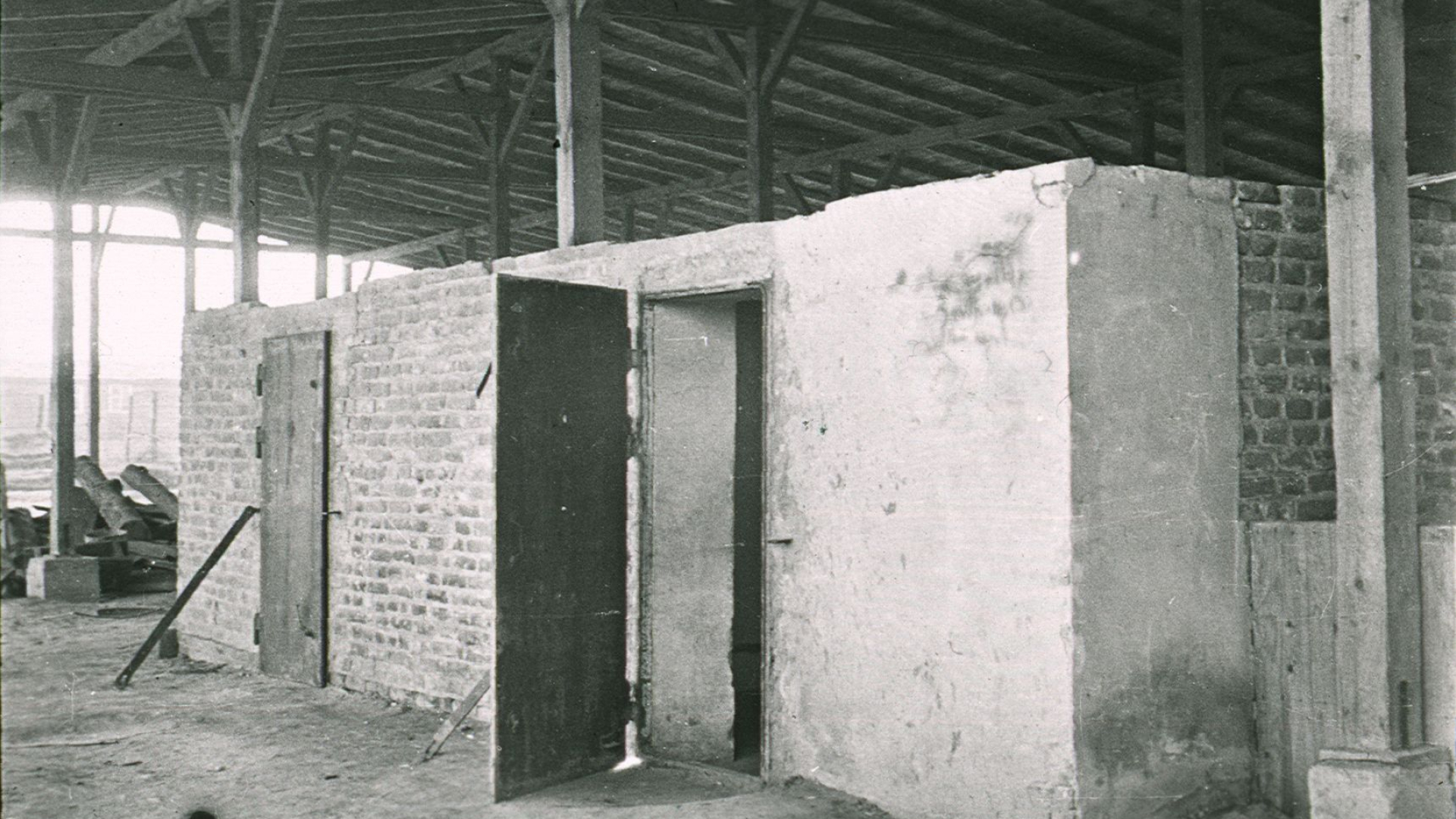
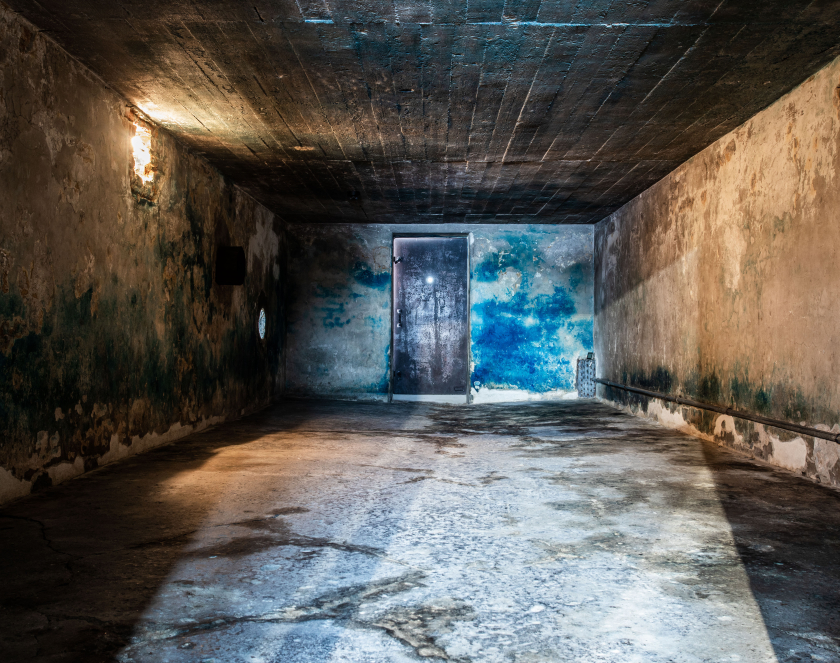
The interior of a bunker-like building with metal doors, large blue stains on the walls
Konzentrationslager Lublin was the site of planned mass murder. Across the 34 months of its functioning, it claimed the lives of approximately 80,000 people, including 60,000 Jews. The prisoners perished due to catastrophic living conditions, exhausting labour, and the lack of basic medical care. They were also deliberately murdered: drowned, hanged, beaten to death, and killed with poison injections. Around half of the camp’s death toll comprises the victims of extermination operations – shot in mass executions and murdered in the gas chambers.

Executions through Shooting

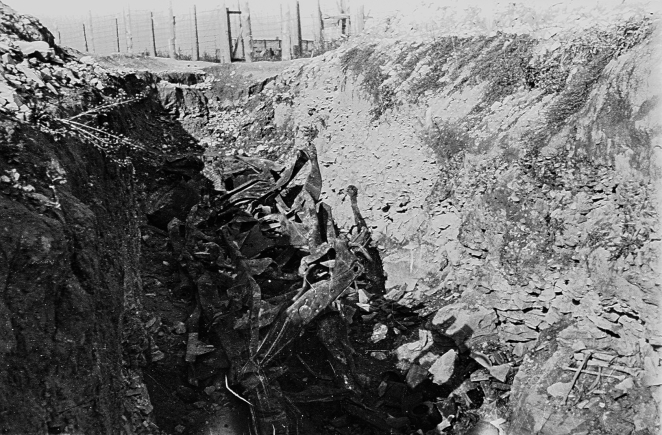
Shooting was a common practice from the very beginning of the camp’s existence. Executions were held in the nearby Krępiecki forest, around the camp foregrounds, and in the crematoria. The largest execution of this kind, and simultaneously the largest in the history of all concentration camps, was held on 3 November 1943 as part of operation “Erntefest”. That day, over 18,000 Jews were murdered in execution ditches dug behind field V. This tragic moment in the history of Majdanek was remembered as the “Bloody Wednesday”. Other victims were the people from the so-called death transports. Those were mostly Poles brought in from the Gestapo prison at the Lublin castle.

An earthen ditch, with twisted metal car chassis at the bottom
One of the execution trenches used in the murder of 18,000 Jews during operation “Erntefest”.

Gas Chambers

A black-and-white photograph, a rectangular concrete building, two sets of doors, a canopy
Gas chamber building, 1944.

KL Lublin also had the function of an immediate extermination camp. Jews, who during preliminary selections were deemed unfit for labour, were not registered in the camp records, and instead were immediately murdered. That happened in the specially constructed gas chambers erected in the autumn of 1942, wherein Zyklon B and carbon monoxide were used. Similarly, the already registered prisoners (mostly Jews) that were emaciated from the living conditions and hard labour, were murdered there, as they were no longer useful as labour force to the SS.

Gammels

The prisoners in the final stages of physical exhaustion, without any help of recovery in the harsh living conditions shared a similar fate. At Majdanek, they were called Gammels in the camp jargon. They were perceived as a burden by the camp authorities as they could not work, so the SS locked in special barracks called Gammelblocks. There – deprived of food and medical care – they died slow painful deaths. If the agony of Gammels prolonged, they were taken to the gas chambers.

Destroying Crime Evidence

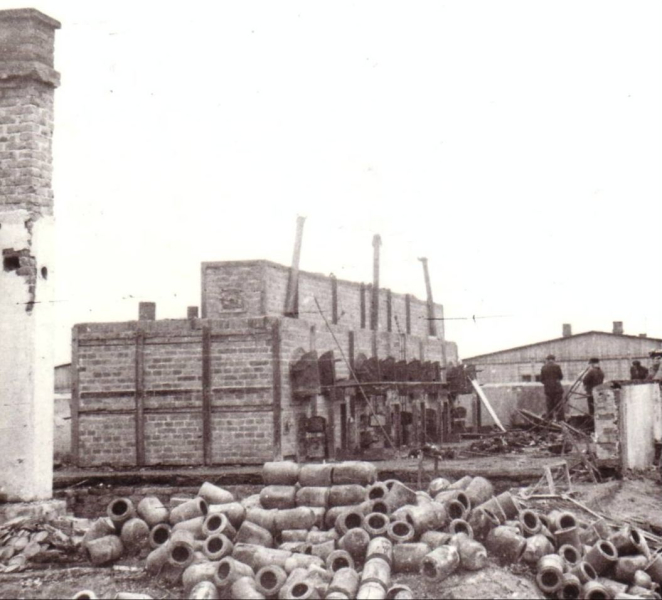
In the first stage of Majdanek’s functioning, victims’ bodies were buried in mass graves either within the camp grounds or in the Krępiecki forest. Between mid-1942 and early 1943, they were burned in a crematorium established at mid-field I; and from late 1943 in the so-called new crematorium behind field V. Bodies were also burned en masse on open-air stakes and in pits.

On the left side, there is a brick chimney. In the middle, there are brick stoves with metal doors. In front of them, there is a pile of cylindrical urns.
Ovens from the crematorium, that the Germans set on fire on 22 July 1944.

Mass Grave

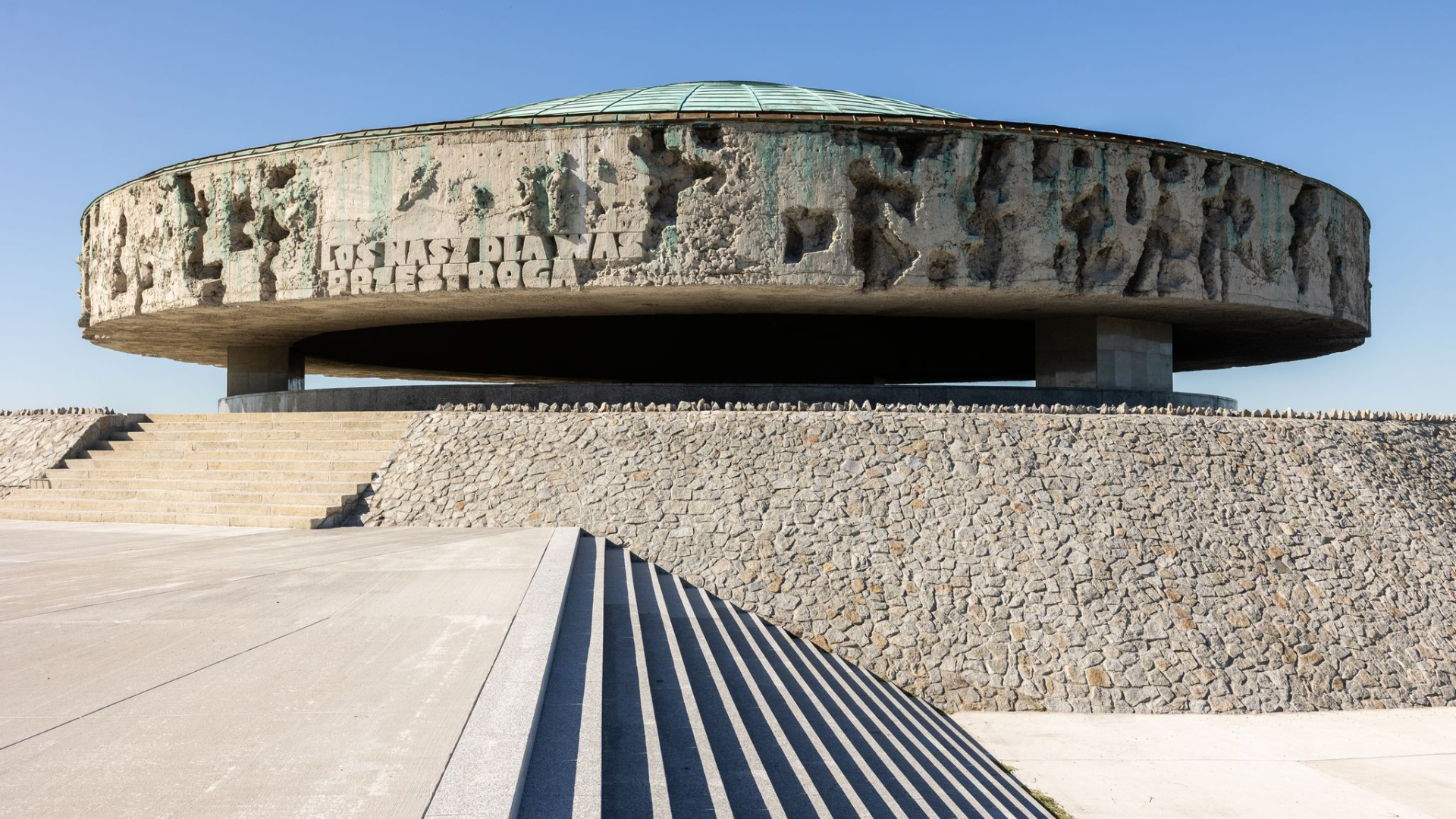
The victims’ ashes were desecrated – mixed with dirt and waste they were used as a fertiliser. Around 1300 m³ of compost containing human remains were found on the camp grounds after its liquidation. With care and respect they were collected in a mass grave that today is protected through the monumental Mausoleum.

The Mausoleum monument, with the steps in the foreground.
Mausoleum