NKVD Camp

NKVD Camp
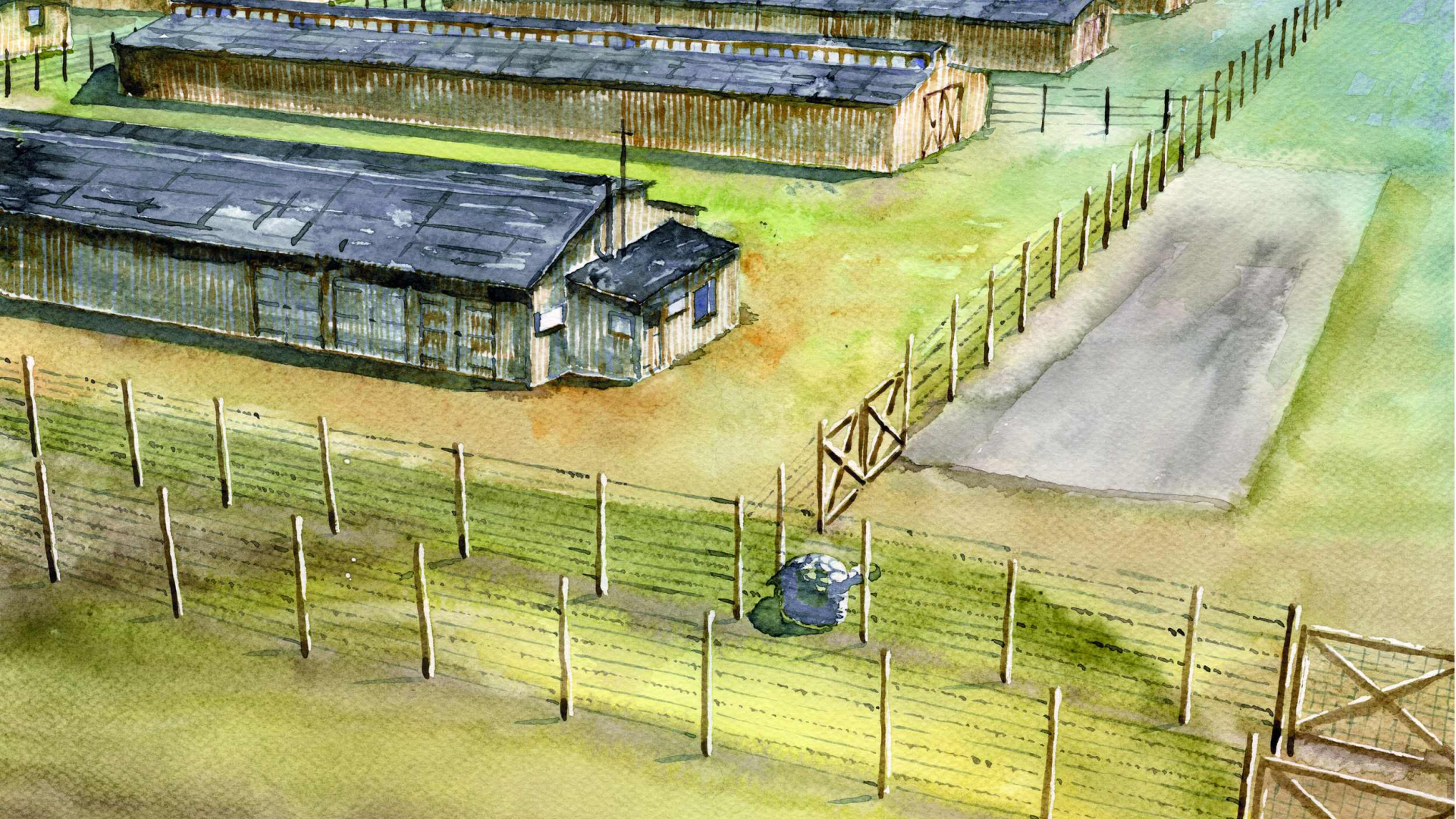
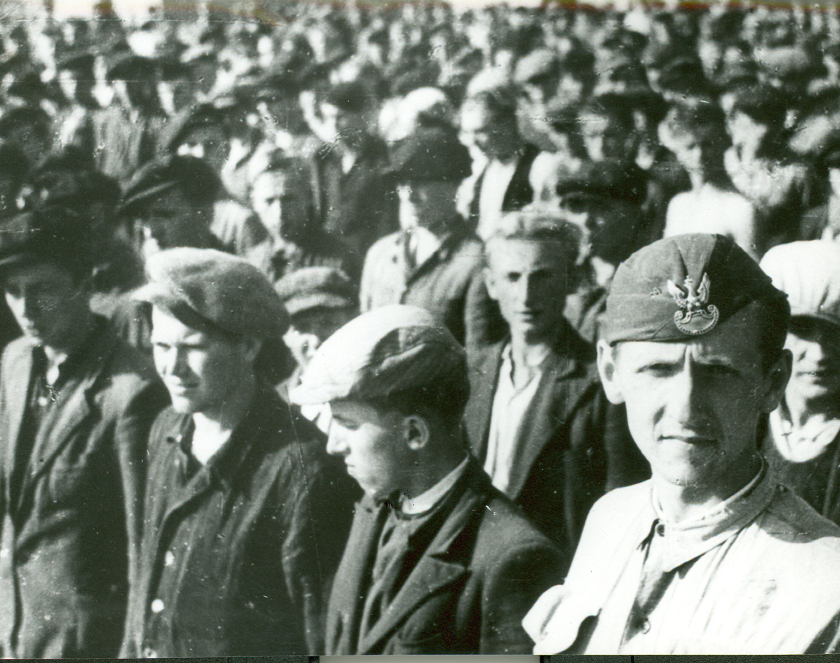
The German Nazi concentration camp in Lublin ceased its functioning on 22 July 1944, but that was not the end of human persecution at Majdanek. In August 1944, the Soviet NKVD established their own detention centre in two barracks of field III. There, they imprisoned the arrested Poles that were members of the Home Army and Peasants’ Battalions. Although the exact number of prisoners remains unknown, a list of 84 officers and 52 NCOs imprisoned at Majdanek at that time has been preserved. The testimonies given by the surviving inmates and their family members imply that the actual numbers were higher.

Living Conditions

The terrible living conditions provided by the Soviets to the imprisoned Poles are described in a secret letter preserved in the Museum archives:

"We are treated as prisoners of war. The food is terrible – many men suffer from stomach problems. We are denied contacts with our families. No food or clothing parcels from the outside are allowed. The most pressing problem – vaccination against dysentery and typhus. Food is served in primitive conditions, no spoons, bowls, etc. Men are looking for some dishes in the garbage. We have not been informed about the reason of our internment or what is to become of us.”
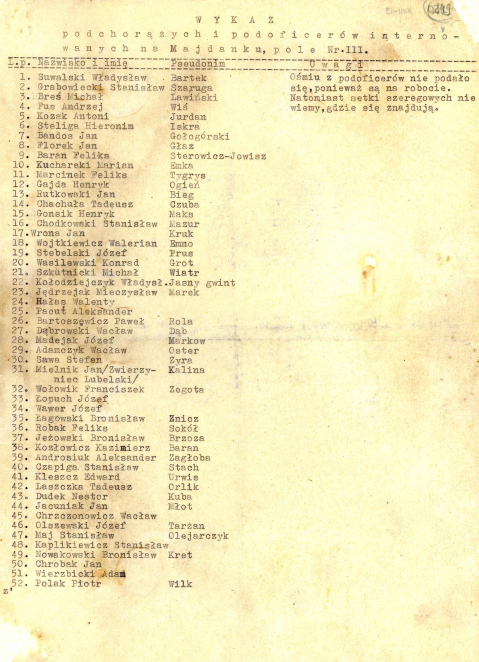
List with the names of prisoners detained in the NKVD camp at Majdanek.

Camp Liquidation

The NKVD camp at Majdanek ceased its operation on 23 August 1944, when around 250 remaining prisoners were transported to the camp in Ryazan, and later relocated further to the east, to the gulags in Dyagilevo, Suslonger, Gryazovets, Cherepovets, and Skopin.

A watercolour painting depicting prison barracks, fields and a barbed-wire fence.
Barracks used as a detention centre by the NKVD, image created on the basis of archival photographs.