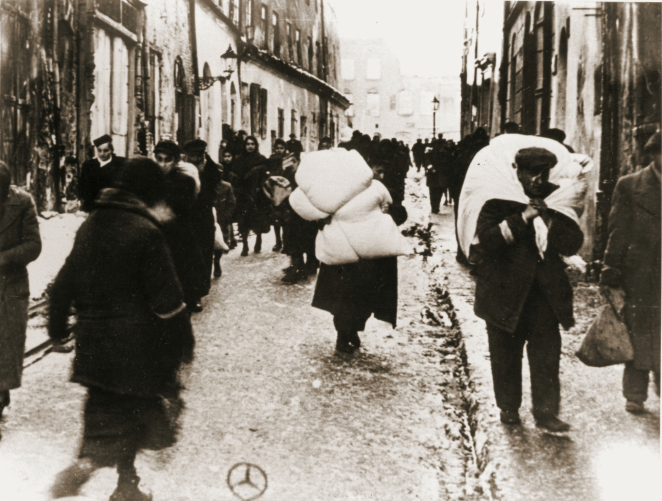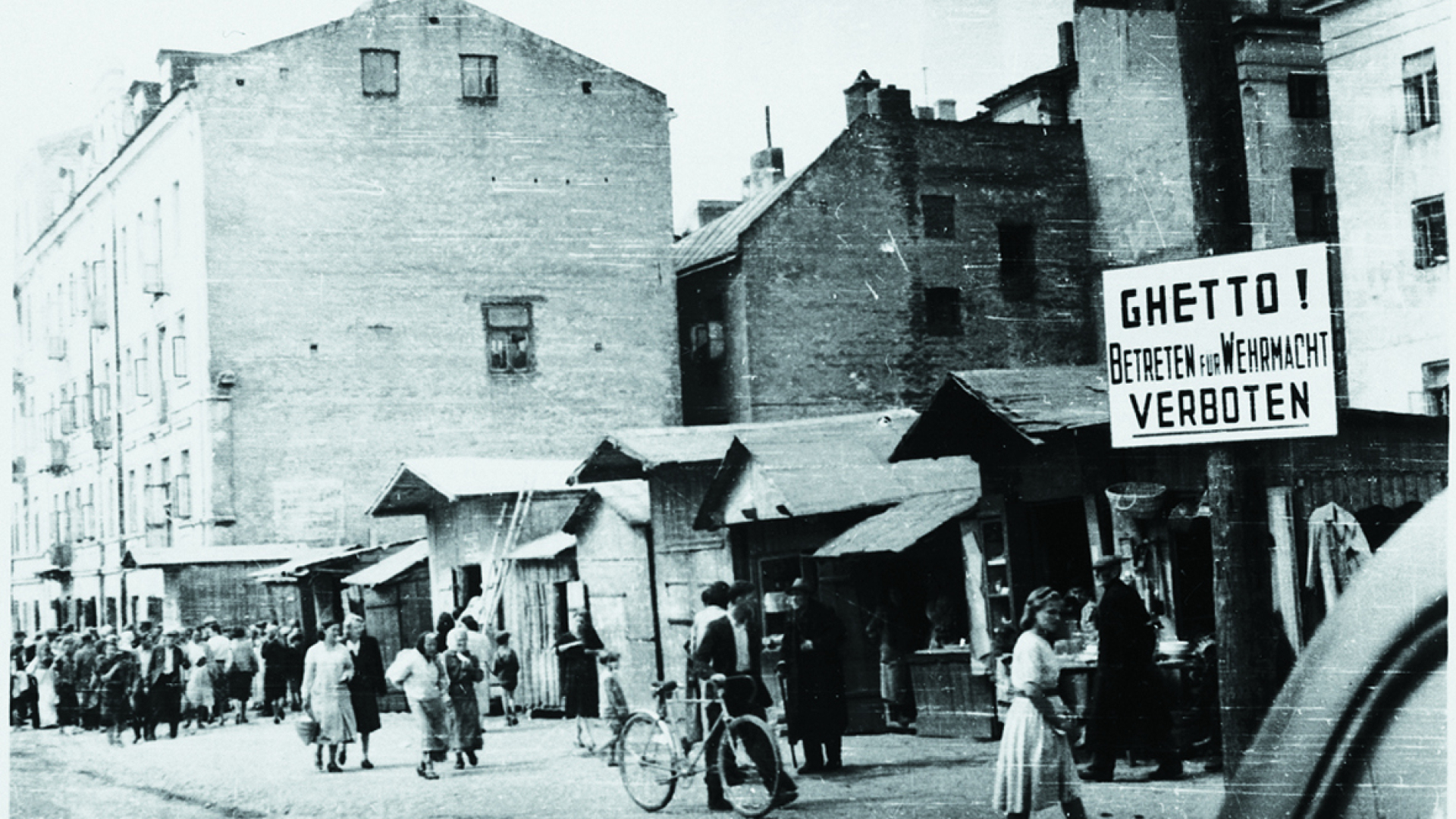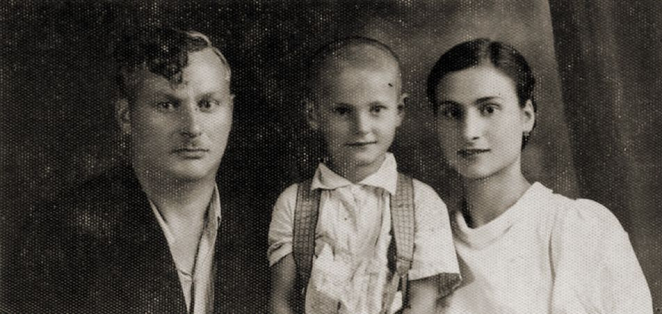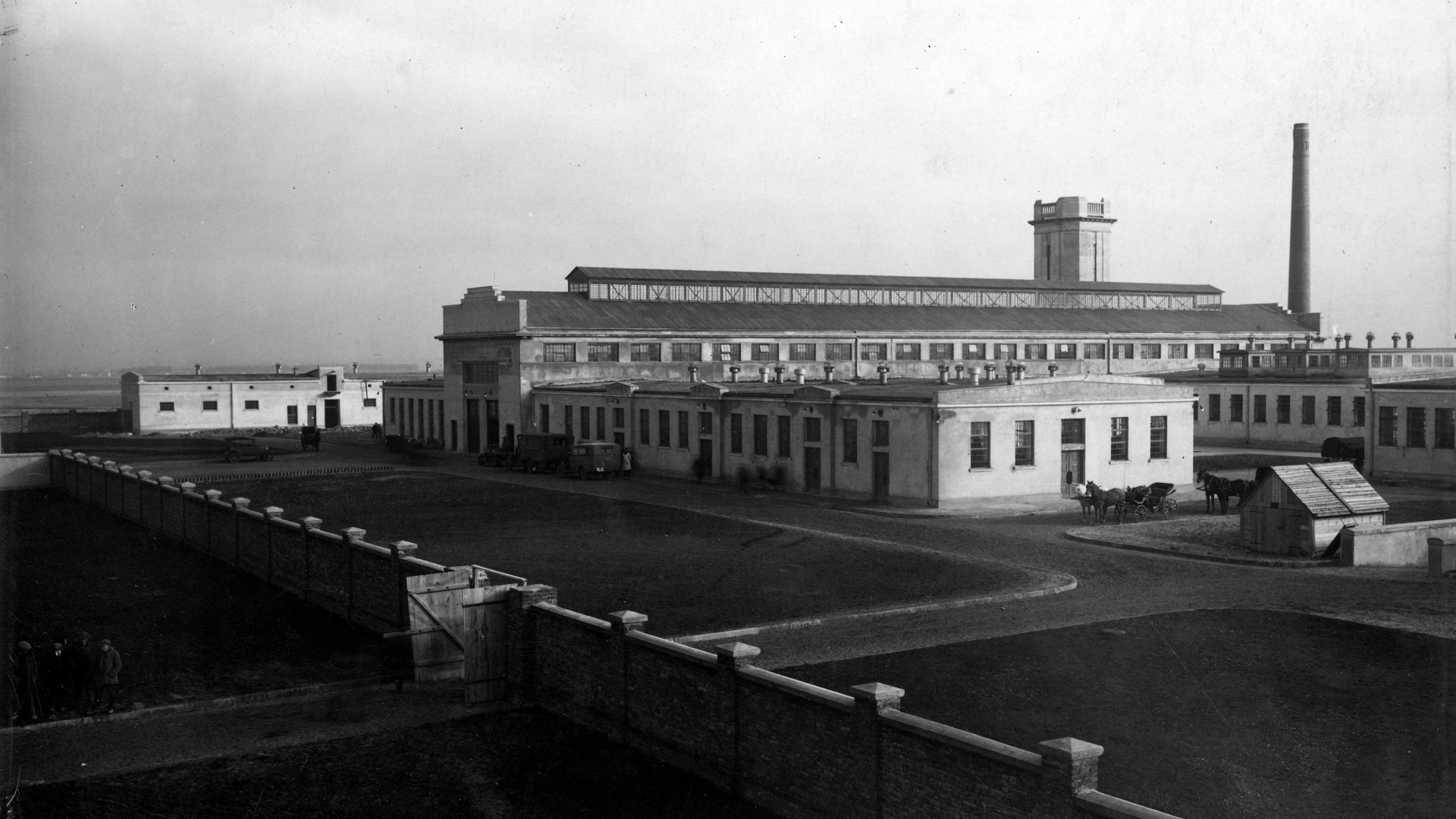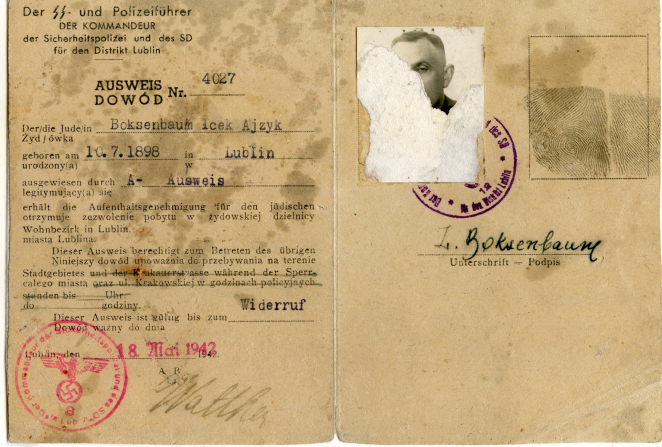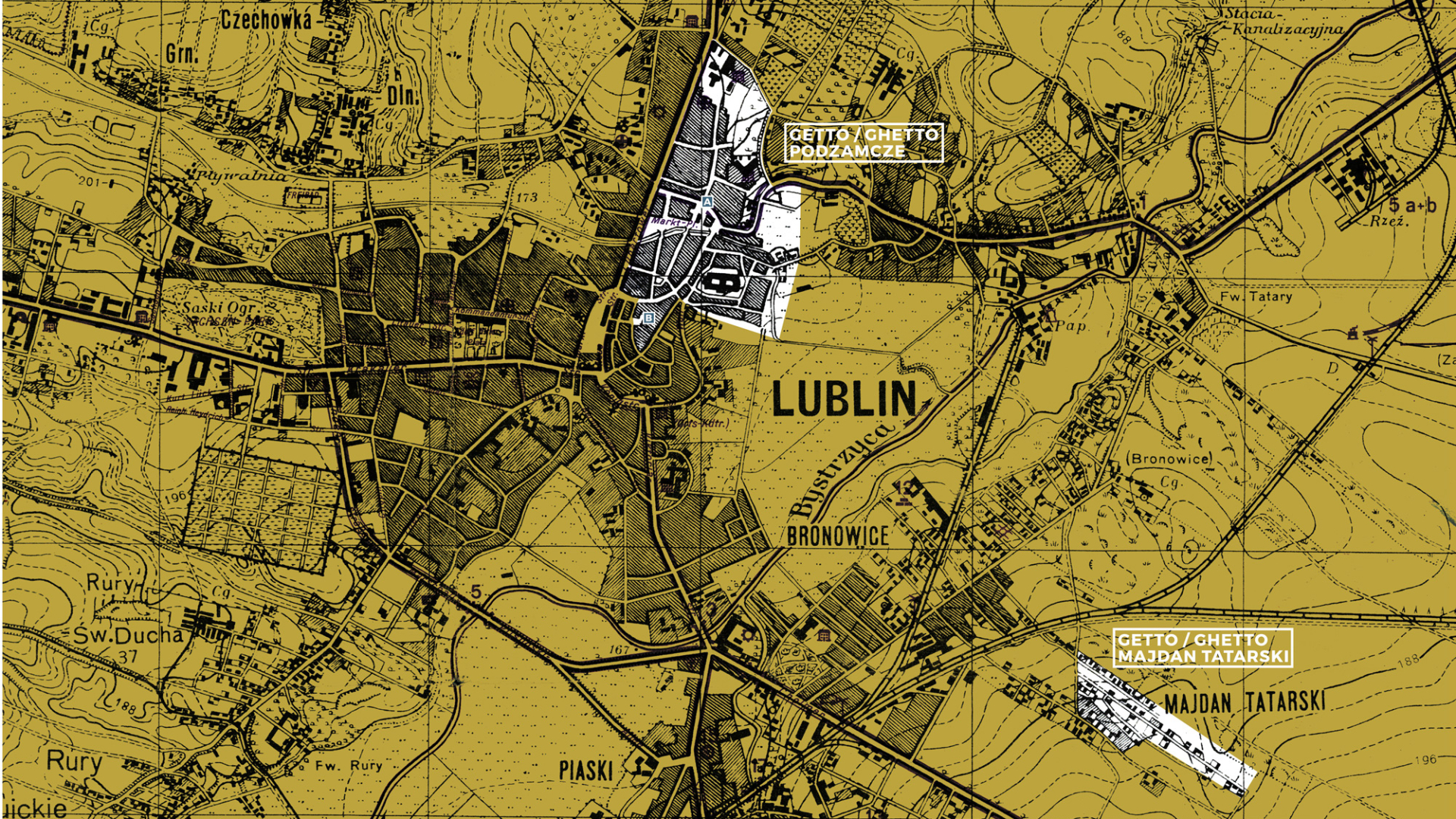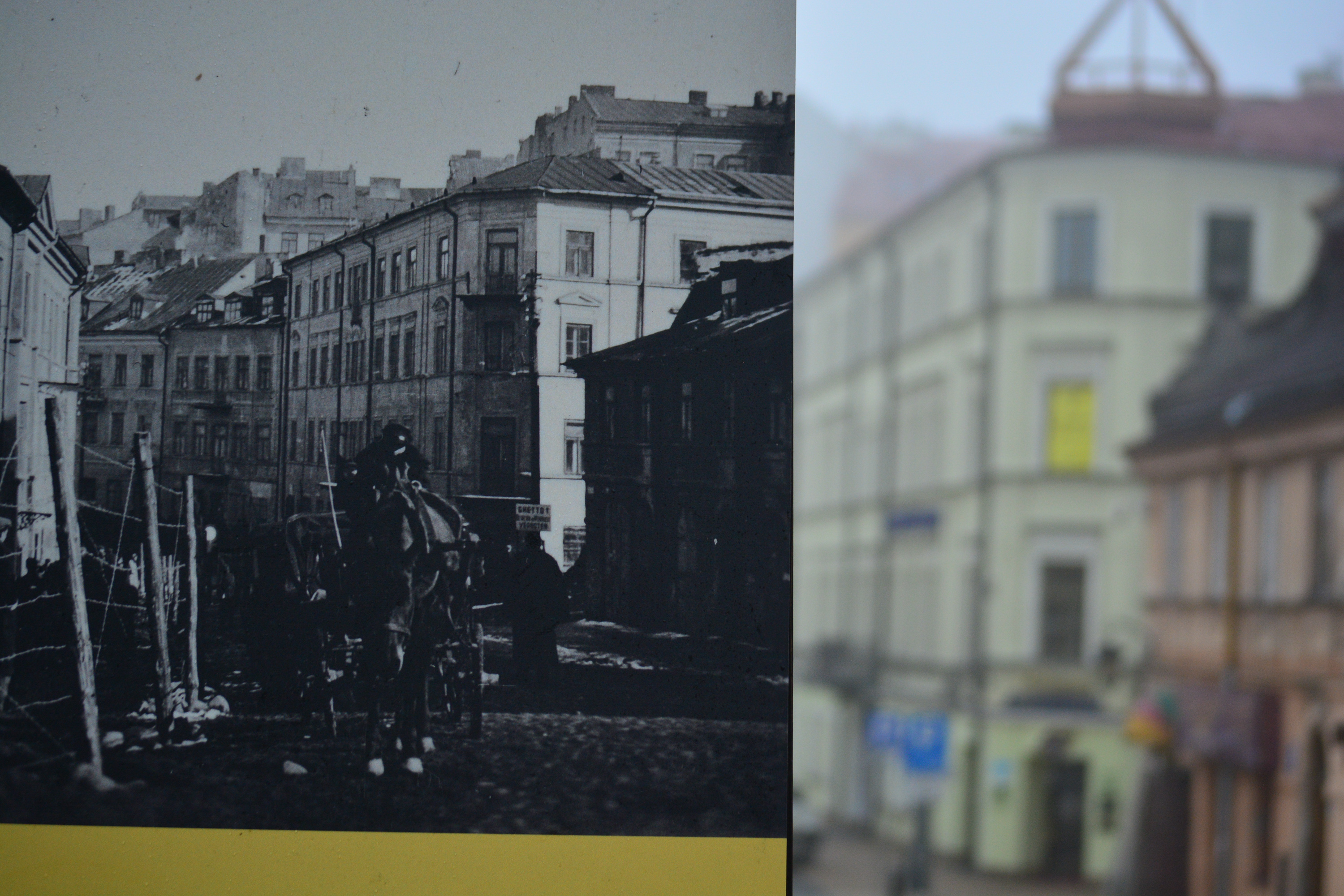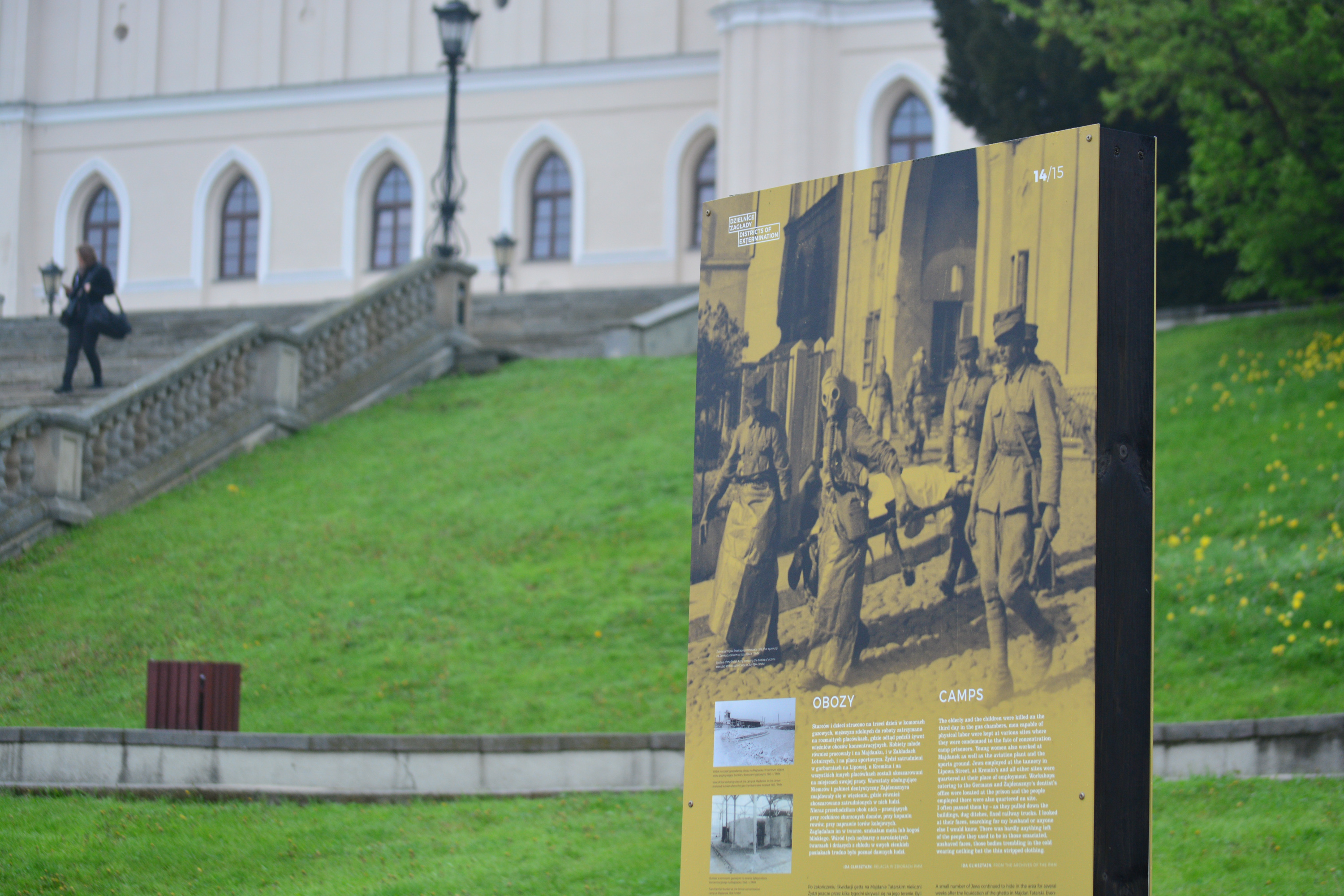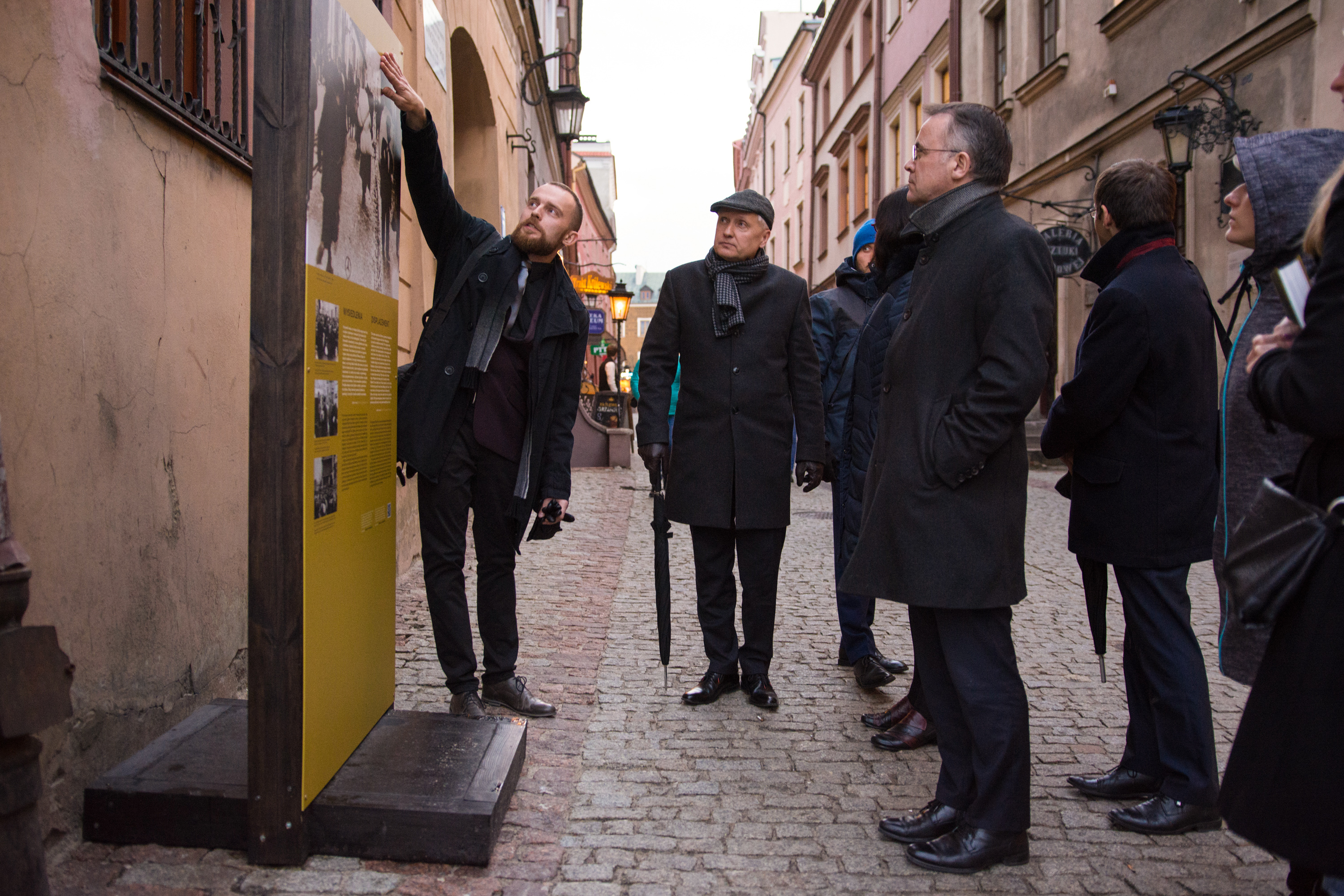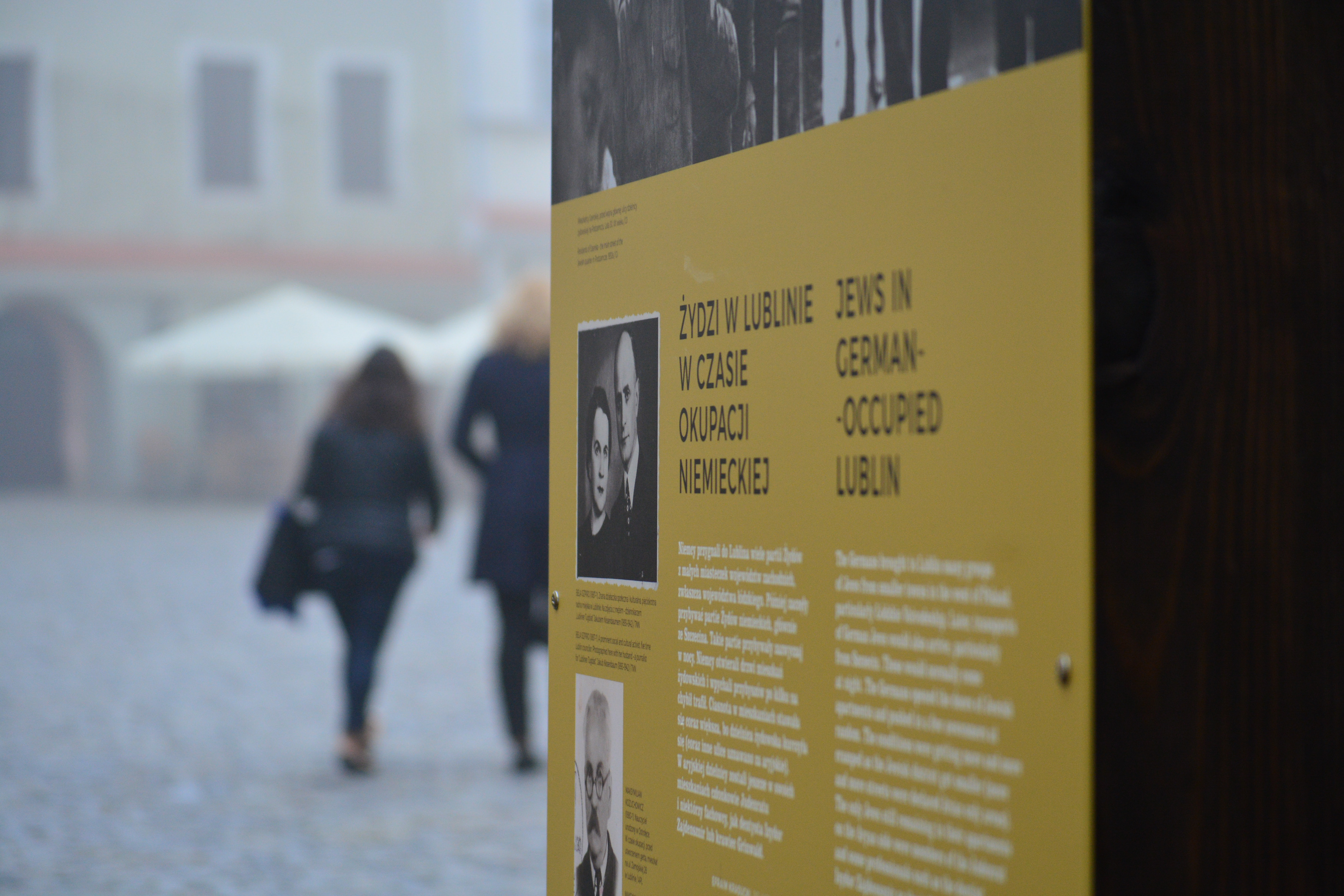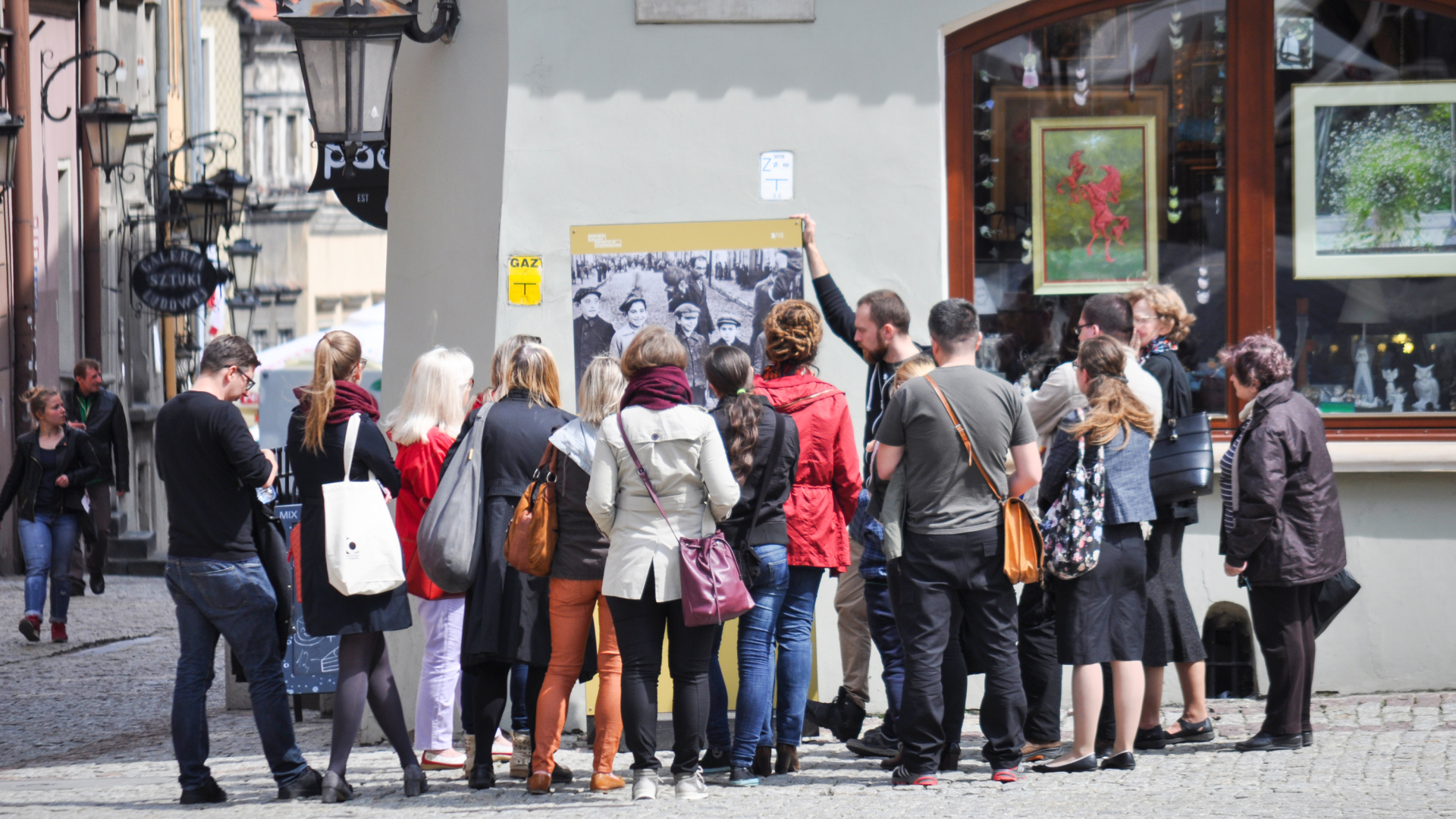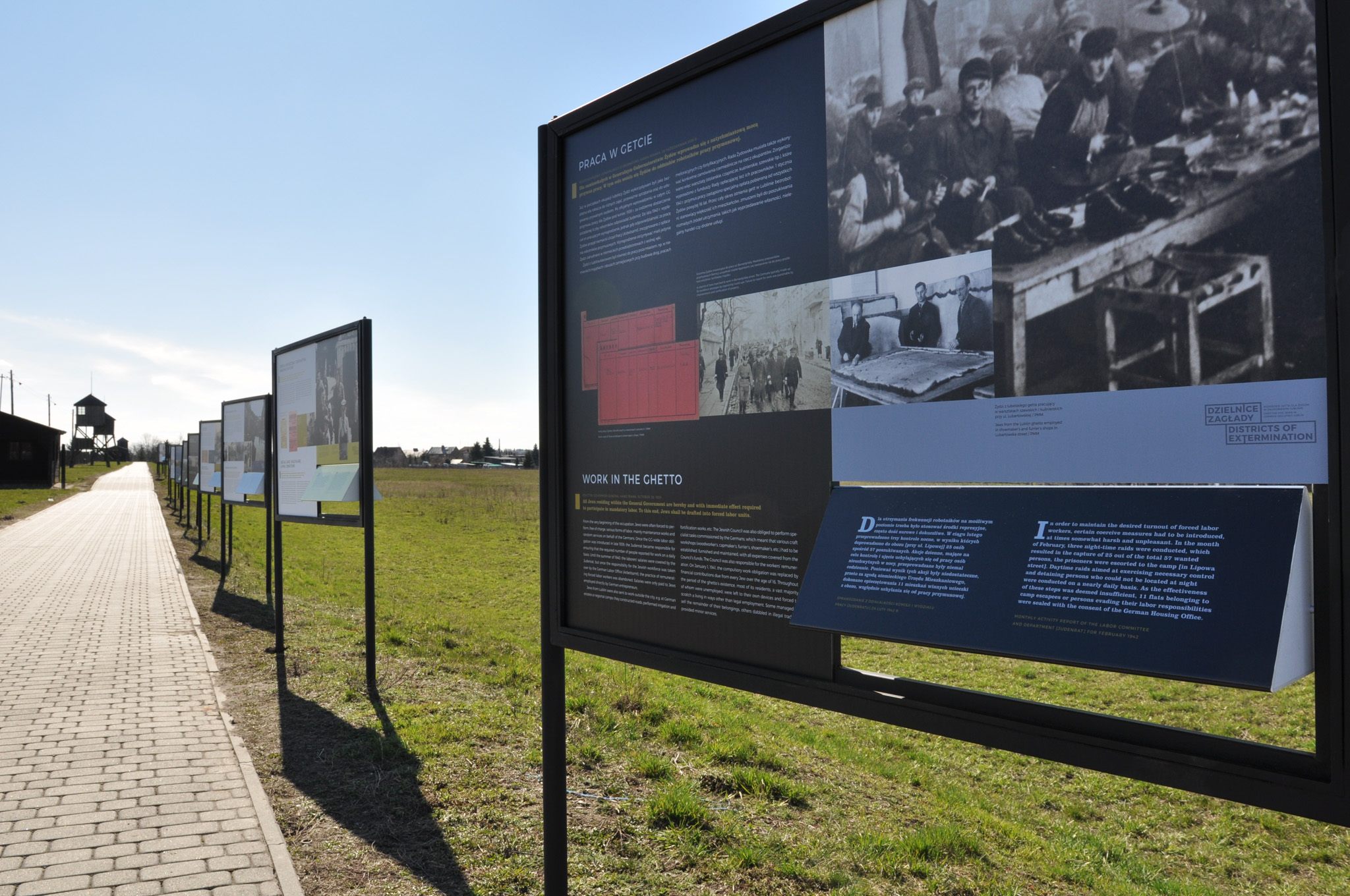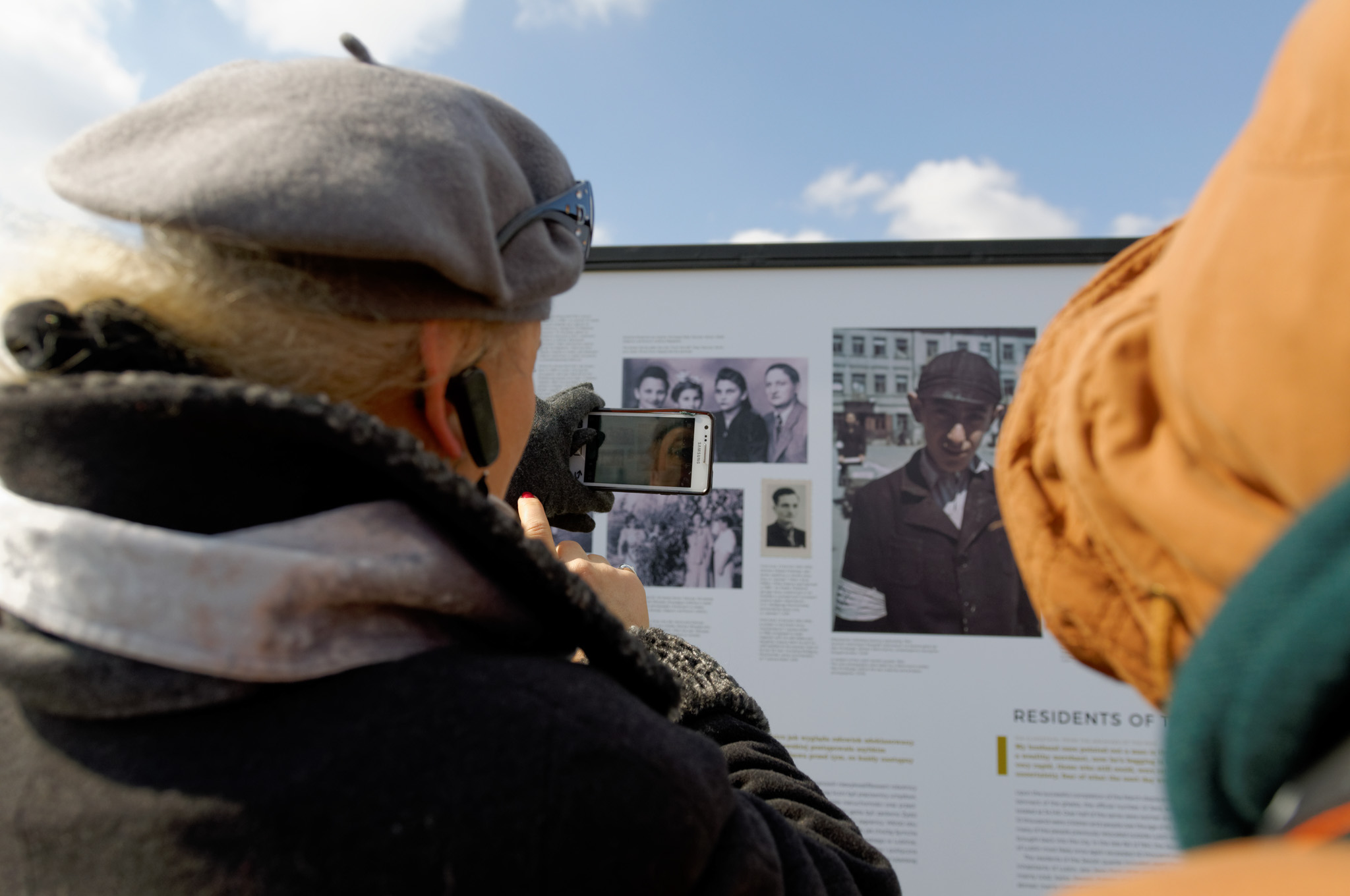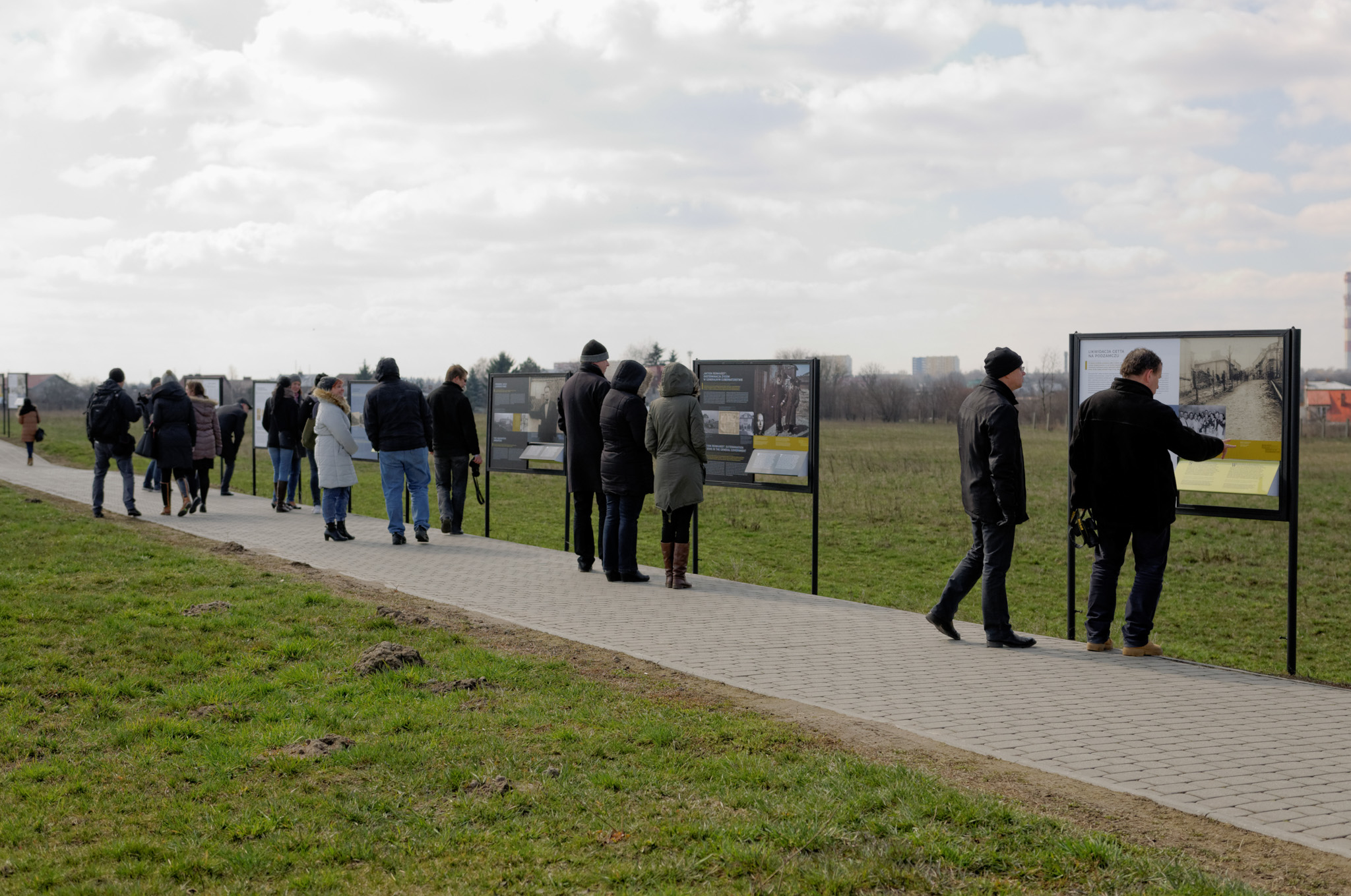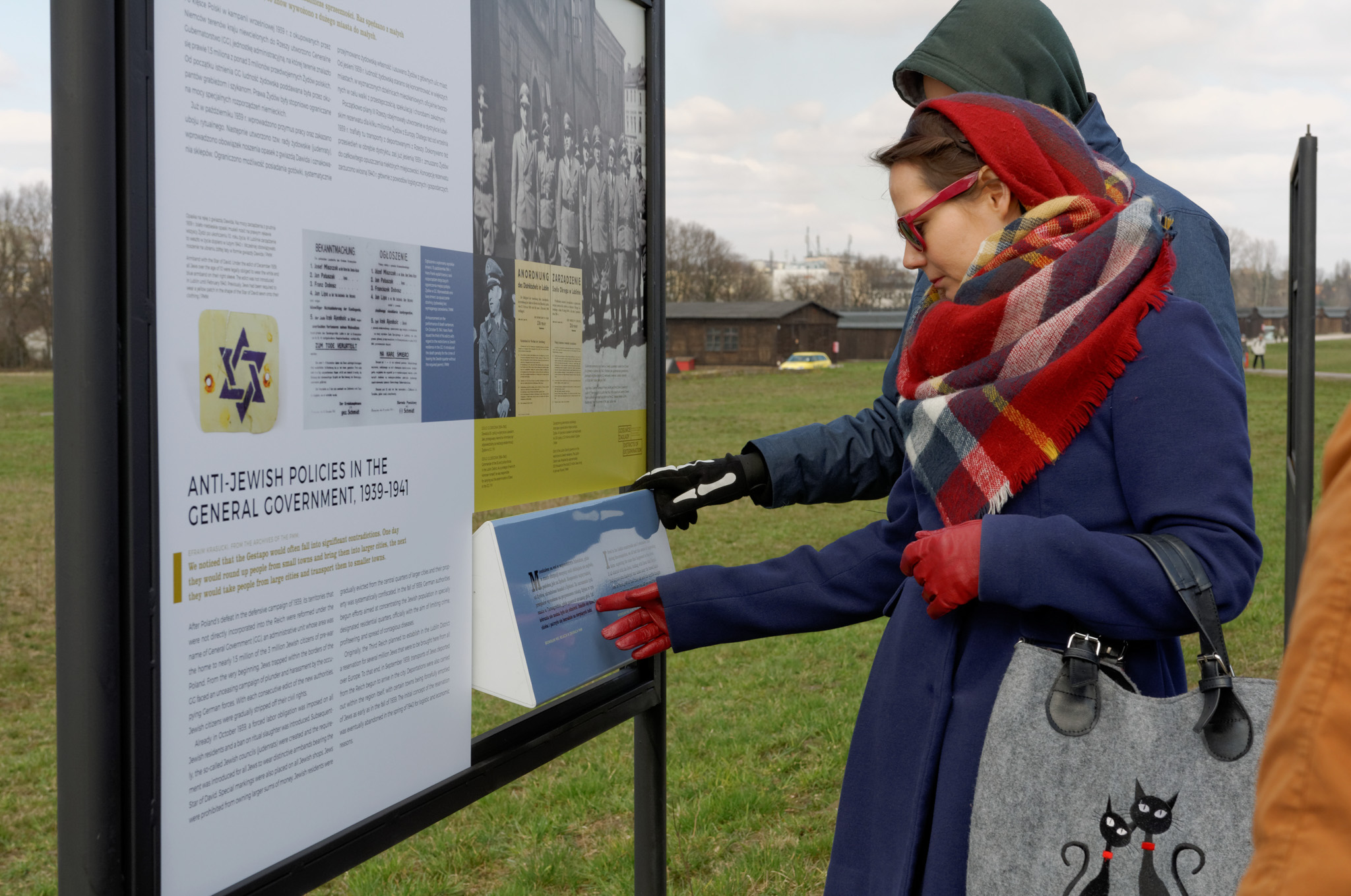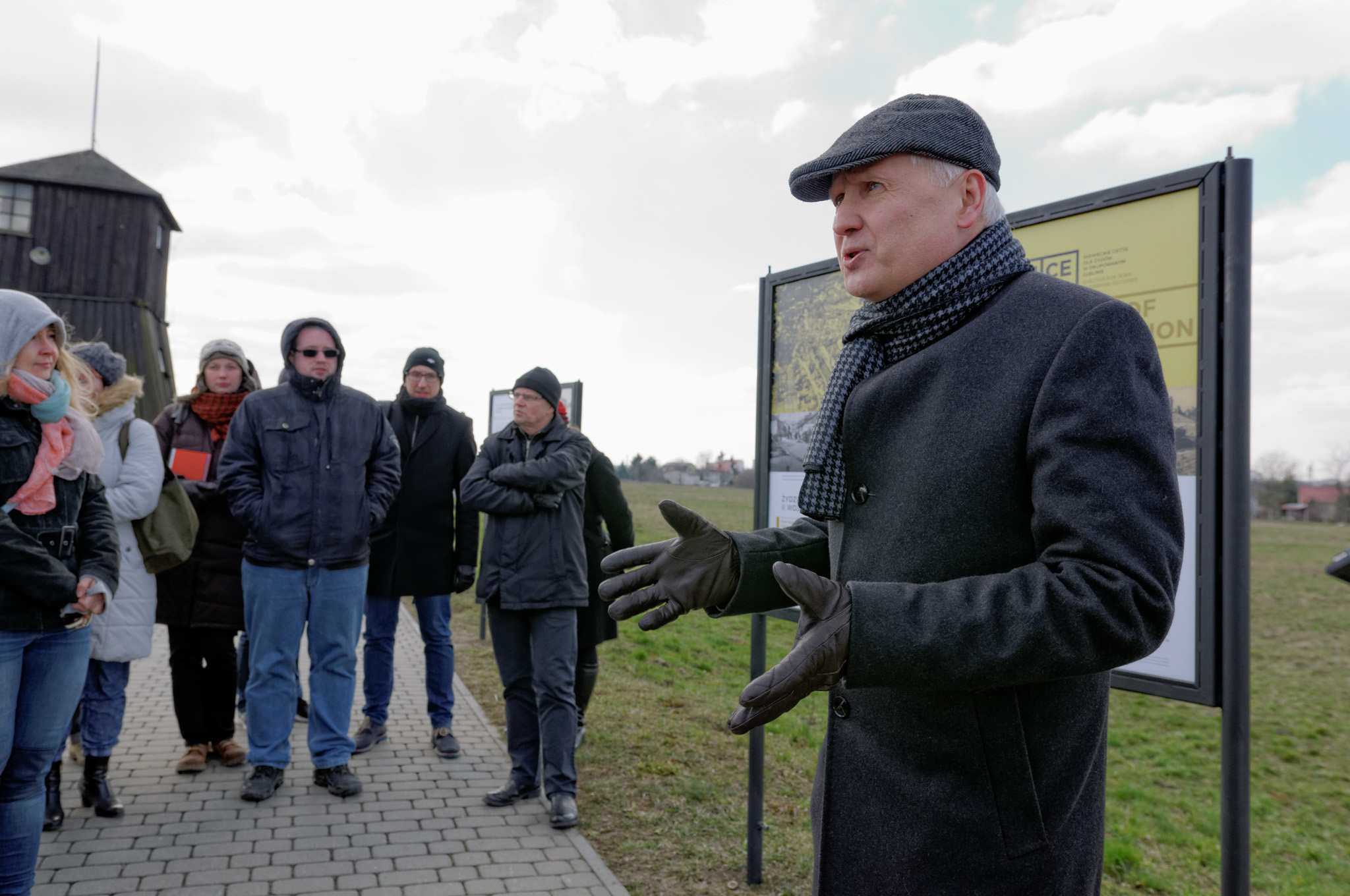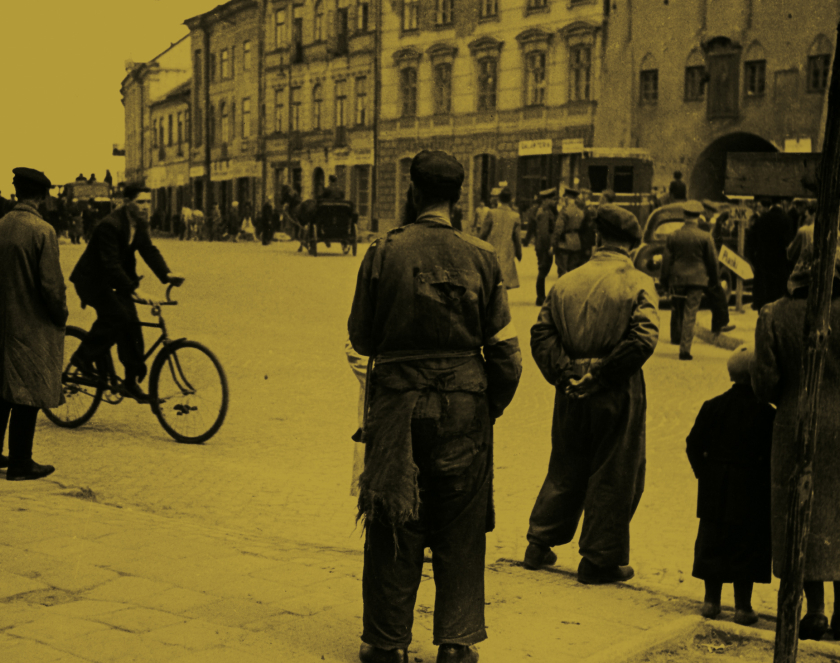
On 24 March 1941, the German occupiers established a ghetto in Lublin’s historic Jewish quarter with around 34,000 inhabitants. The area was enclosed and isolated from the remaining parts of the city. For Lublin’s Jews, the forced resettlement resulted with dramatic collapse of their living conditions – food shortages, lack of medical care and no access to basic hygiene measures.
Important information
Temporary exhibitionArchival
- Exhibition date:
- Place:
- Translation:
- Language version:
- Artistic design:
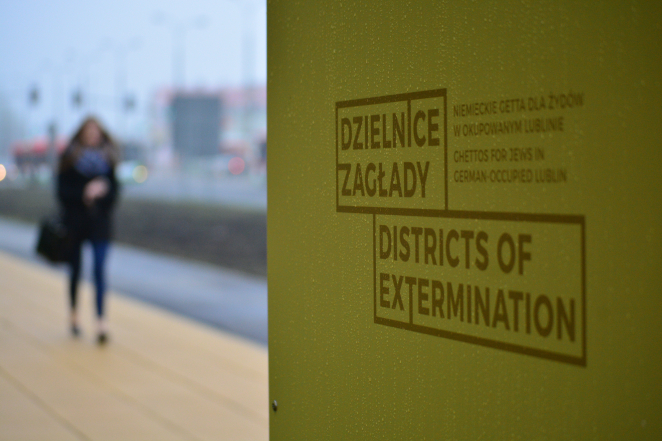
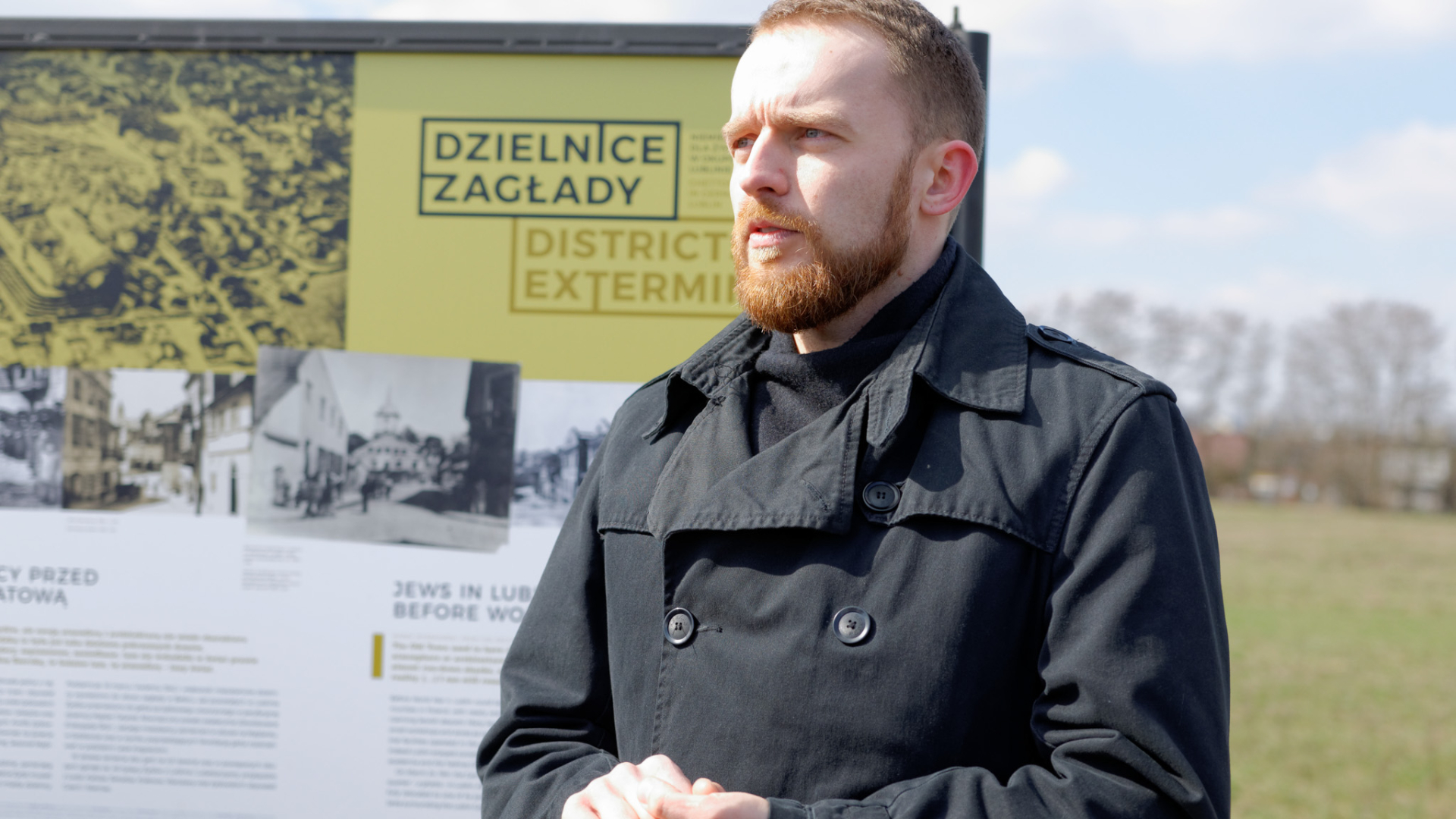
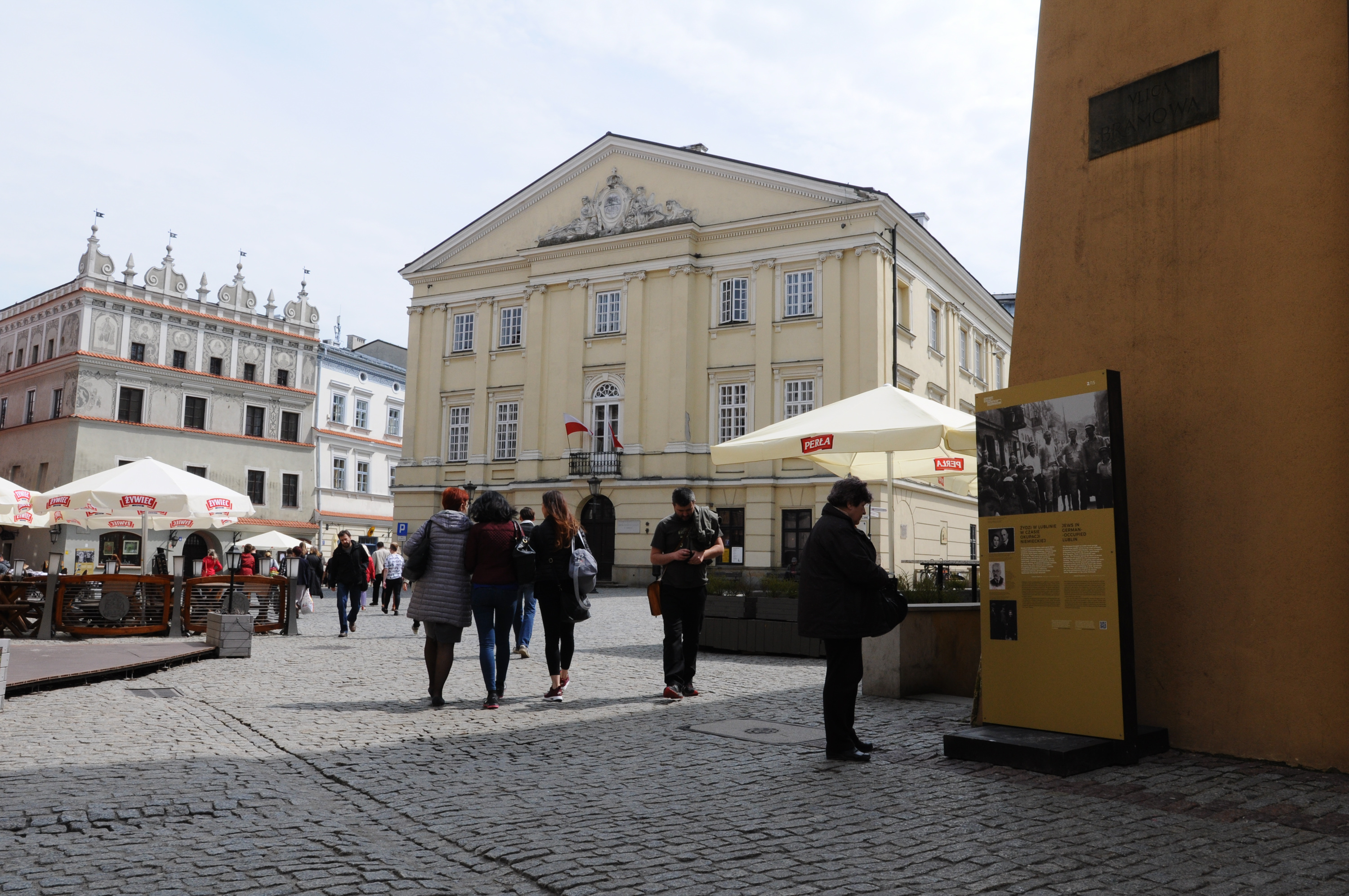
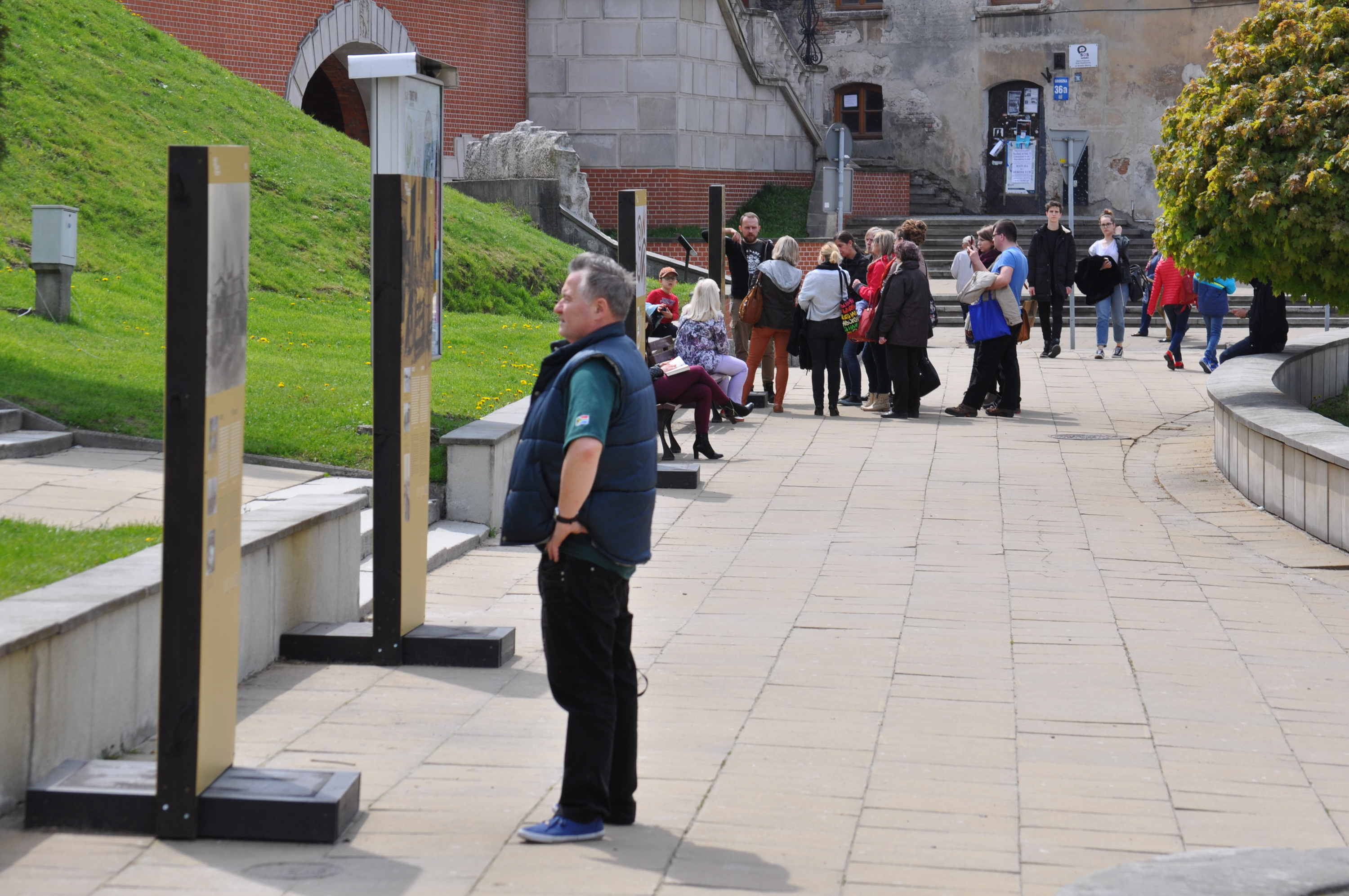
The exhibition has been prepared in two independent forms and was presented both in the Lublin’s city centre (from March to May 2017) and in the State Museum at Majdanek. In that way, the memory of the ghetto and its inhabitants was evoked in both spaces connected with the Jews of Lublin – where they used to live, and where they were murdered in the Holocaust.