Japanese Art

in the collections of the State Museum at Majdanek

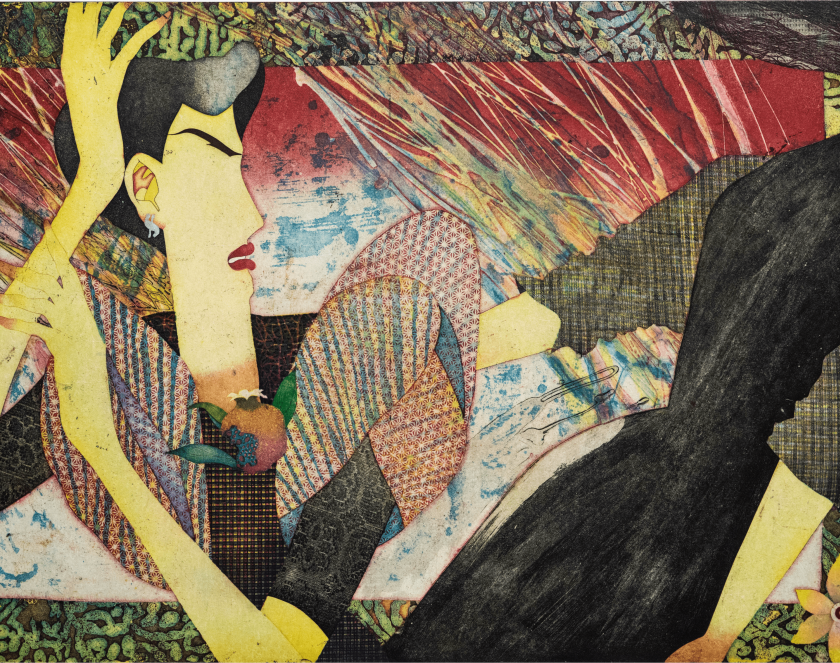
Portrait of a woman constructed from colorful geometric figures
The exhibition presents works of Japanese artists distinguished by their original stylistic solutions, exoticism, subtlety and decorativeness.

Important information

Temporary exhibitionArchival
  • Exhibition date:22.05.2021 - 01.07.2021
  • Place:State Museum at Majdanek
  • Curator:Marta Jabłońska
  • Translation:Lech Remiszewski
  • Language version:Polish, English
  • Artistic design:Ewelina Kruszewska
  • Stylistic editing and proofreading of texts:Magdalena Petruk, Dorota Niedziałkowska, Lech Remiszewski

The works presented at the exhibition come from one of the largest contemporary art collections dedicated to the victims of Nazi atrocities, current events, contemporary armed conflicts and various forms of discrimination.
Anti-war artwork collection

The Museum’s exhibition activities, which have been developing since 1944, and also the International Art Triennials organised from 1985 to 2004, attracted artists inspired by the difficult history of the Second World War. They expressed their opposition to dehumanisation, hatred and intolerance through their art. As a result of competitions, the art collections of the State Museum at Majdanek include several thousand drawings, prints, paintings, posters, sculptures and medals.

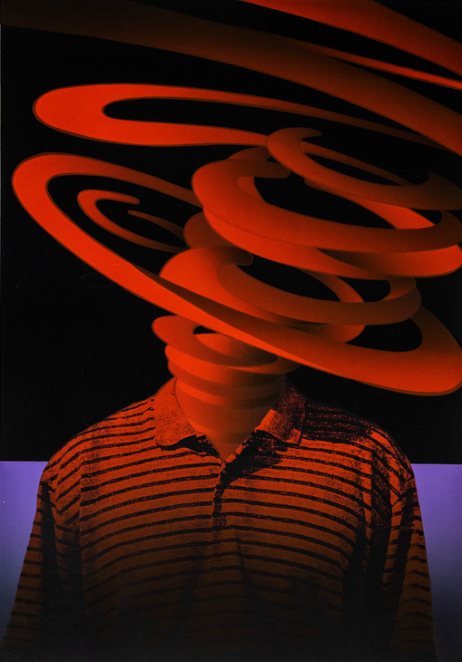
Portrait of a figure, head forming a red spiral
Masahiro Fukuda, The Power of Planning, 2002
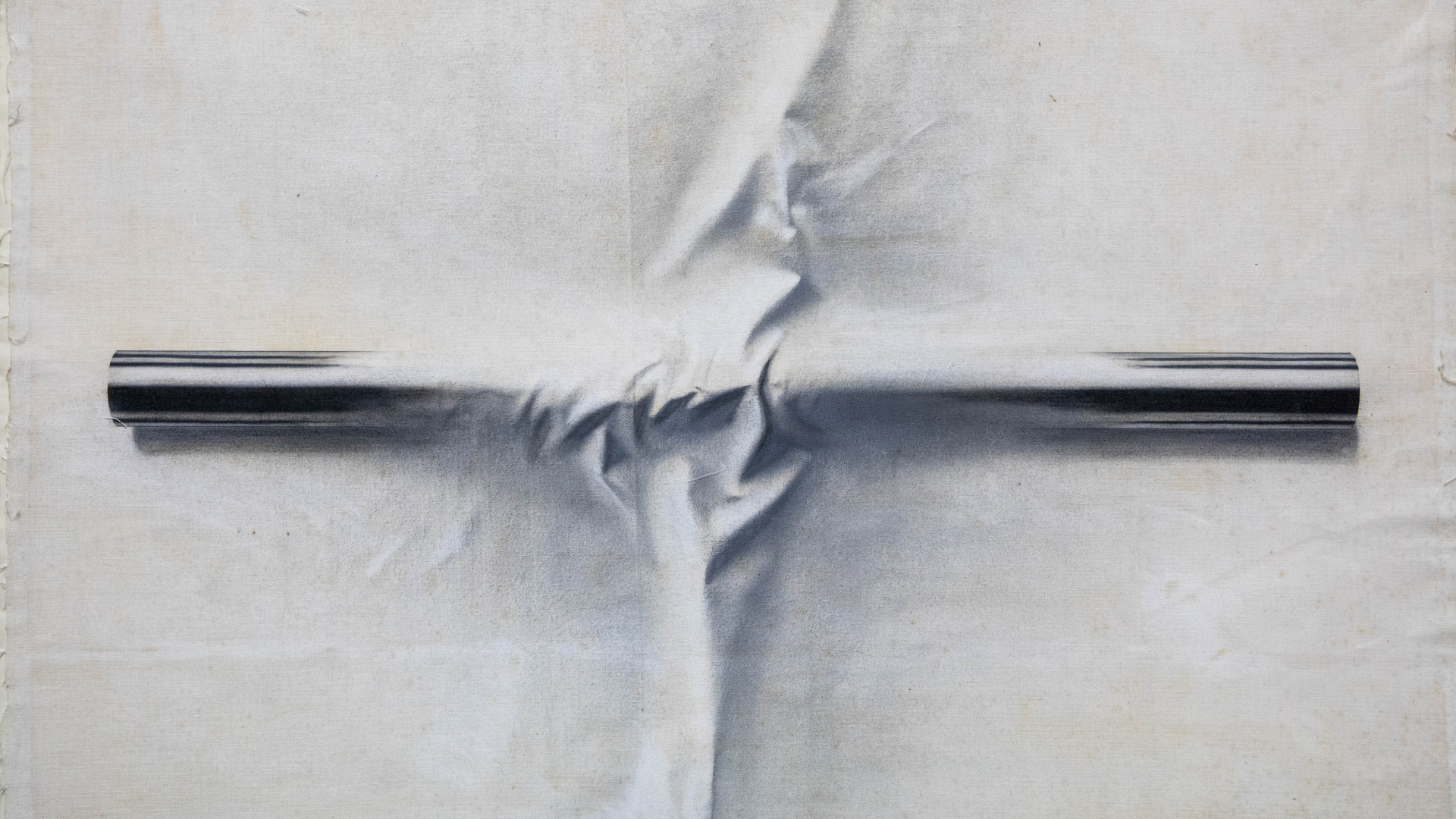
A graphic featuring an elongated horizontal shape that mimics metal, cutting across and blending into a light background resembling crumpled paper or fabric
Yamana Masao, Position A, 1996

Artists

The exhibition presents works of 16 artists created using various techniques. Block printing is represented by Akito Tanimura – woodblock printing, and gravure printing by Kyoko Sato – drypoint; Jinan Kobayashi, Masataka Kuroyanagi, Katsunori Hamanishi – mezzotint; Yuji Hiratsuka – relief, Chinese ink. The etching technique is represented by Naoki Tajima and Toshio Yoshizumi – etching and aquatints, while flat printing technique is represented by Susumu Endo and Shinichiro Harusawa – lithographs. Screen printing technique is presented by serigraphs created by Humio Tomita, Masahiro Fukuda, Sho Shimokawa and Hiroko Yabe. The acrylics are works by Yamana Masao. The prints include works awarded by the Jury of the 5th and 6th International Art Triennial Majdanek ’97 and Majdanek 2000 – the winners were Yuji Hiratsuka, Masataka Kuroyanagi and Yamana Masao.


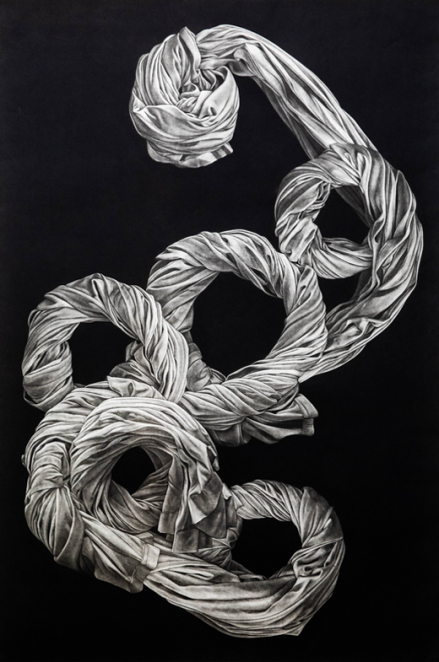
Twisted material forming a winding snake.
Masataka Kuroyanagi, Untitled 2, 1998

Aesthetics and Spirituality

The nature of Japanese culture stems from its flexibility and openness to outside influences, while adapting them to native patterns. Since ancient times, this art has been strongly integrated into everyday life. Zen, a branch of Mahayana Buddhism, has had a major influence on the shaping of Japanese culture. Over the centuries, it has developed a distinctive, individual style, minimalist and full of deliberate paradoxes. Japan is a country of great respect for nature, and its inhabitants derive great joy from the opportunity to contemplate it. This aesthetic of life is also reflected in art. It is based on the harmony of contrasts. On the one hand, there are noticeable trends in which splendour and abundance of forms reign supreme. On the other hand, in artistic expression we find naturalness, economy of means and tranquillity, which are the characteristics most often and most readily cited in discussions about the Japanese understanding of beauty. All this makes the art of the Land of the Rising Sun mysterious, intriguing and non-obvious.

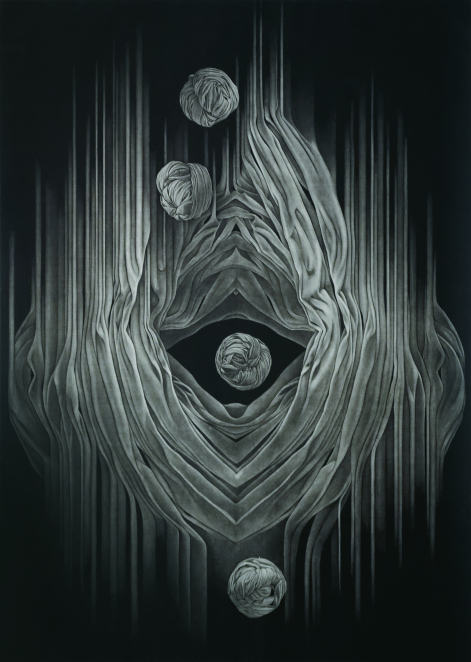
Four white spheres surrounded by stripes radiating from the center
Masataka Kuroyanagi, Form 9