Mementos

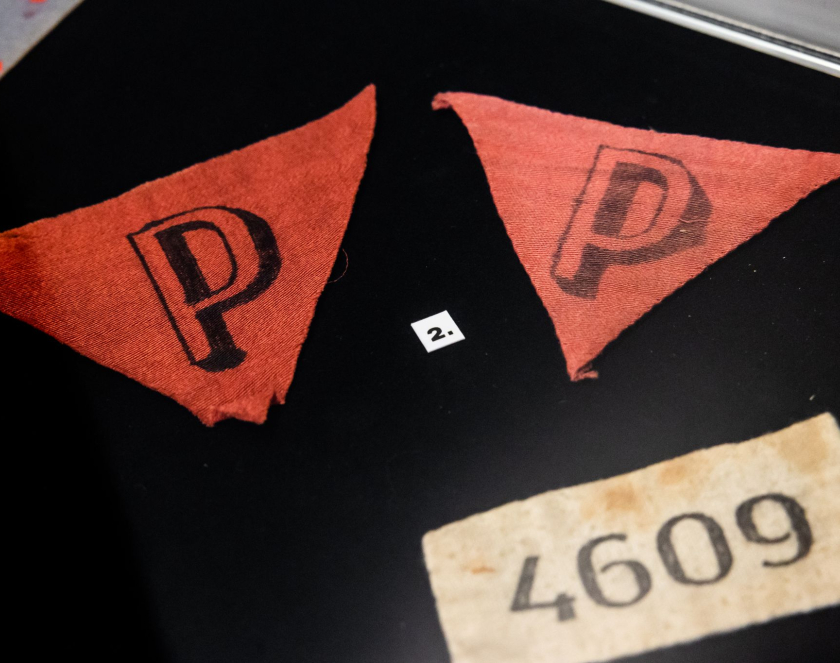
Three red triangles with the letter P on a black background
The exhibition presented items donated to the Museum's collection by former prisoners or their relatives, as well as by the residents of Lublin who helped prisoners in the campinmates during World War II.

Important information

Temporary exhibitionArchival
  • Exhibition date:01.04.2024 - 02.03.2025
  • Place:State Museum at Majdanek
  • Translation:Łukasz Mrozik
  • Scenario:Marta Jabłońska, Anna Surdacka
  • Language version:Polish, English
  • Artistic design:Ewelina Kruszewska
  • Stylistic editing and proofreading of texts:Dorota Niedziałkowska

The exhibition also served as an invitation to take part in a mementos collection campaign organised as part of the celebrations of the 80th anniversary of the establishment of the State Museum at Majdanek.
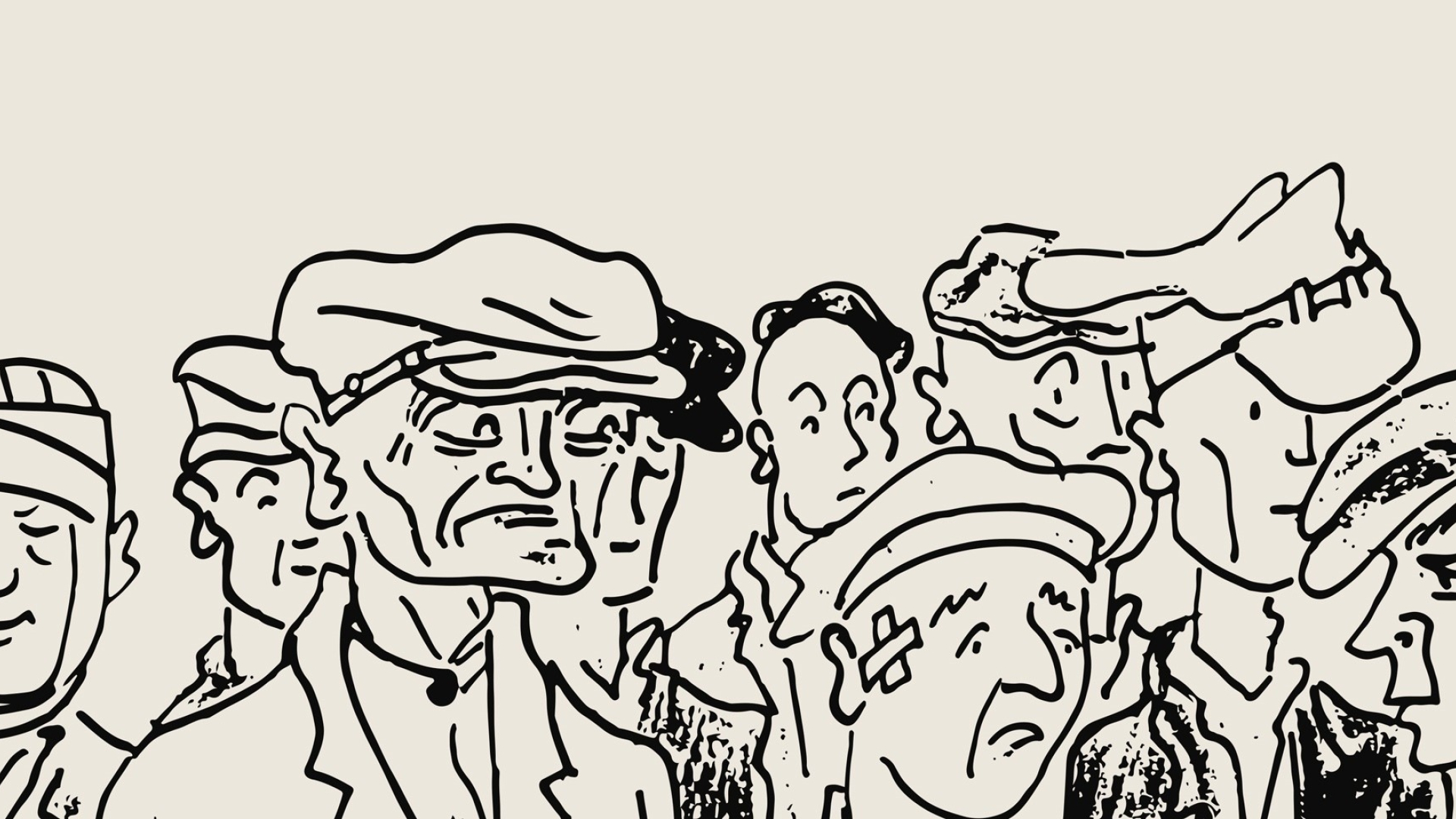
The black-and-white drawing on a light background depicts a crowd of people in a portrait view, shown from the shoulders up. Everyone is wearing head coverings, and their faces look sad and pained.

Memory Preserved in Objects

The exhibits include not only everyday items, but also objects of a personal nature – letters, photographs, items of clothing, and objects made in the camp from materials that were available at that time. Each of them constitutes a material testimony to individual human lives and to the memory of the tragedy that unfolded at Majdanek. The exhibits were accompanied by documents in which the donors described the history of their objects: the circumstances under which they had acquired them, how the items survived to the present day and their recollections of the objects’ former owners. Thanks to these accounts, the exhibition has acquired a distinctly personal character – it is not only a story about the camp, but also about memory, gratitude, and the need to preserve the past from oblivion.

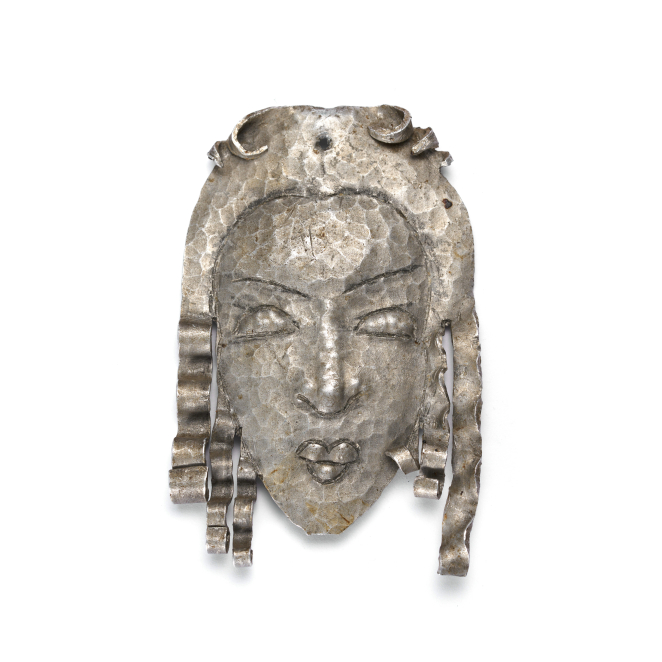
Metal head of a woman with long wavy hair and prominent lips
Woman’s head sculpture made from the bowl of a tablespoon, created in 1943 at KL Lublin by a prisoner Maria Albin Boniecki, who gave gifted it to a fellow inmate Helena Kurcyusz, also a prisoner.
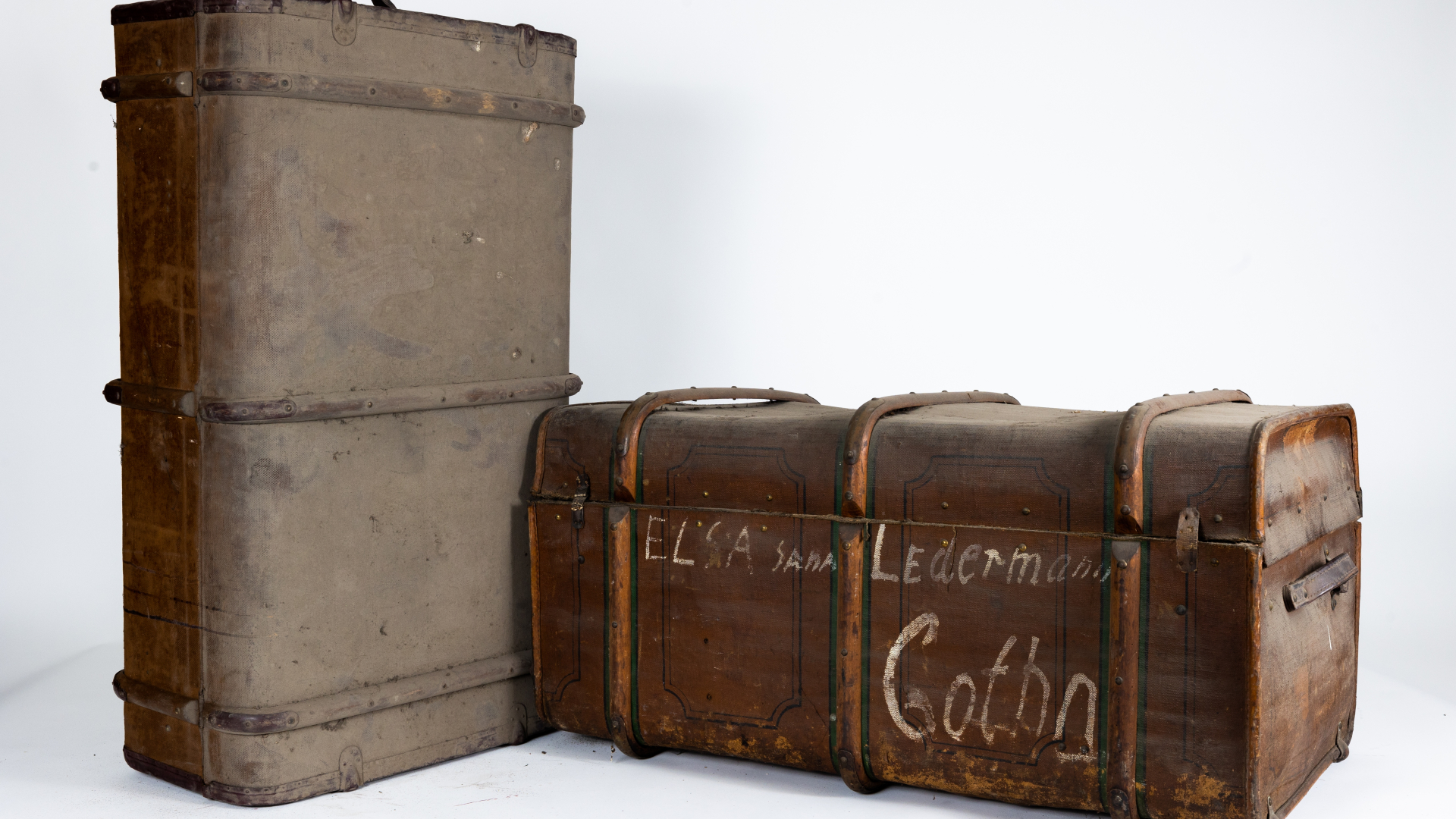
Two old brown suitcases; the one on the right is standing upright, the one on the left is lying flat, the lids are closed, and there are white inscriptions on the bottom of the suitcase.

Testimonies of the Holocaust

Among the objects donated to the museum, there were also two travel trunks – one of them contained canvas transport bags used by German soldiers. The other belonged to Else Ledermann, a German Jewess.

She was born on 22 May 1898 in Meiningen and lived in Goth at 13 Hünersdorfstrasse. Else, together with 1,002 other members of Jewish communities living in the regions of Thuringia and Saxony in Germany, was deported to the ghetto in Bełżyce. The train transporting them, which departed from Weimar on 10 May 1942 and stopped en route in Leipzig and Chemnitz, arrived in Bełżyce two days later.

In the holdings of the German archive in Bad Arolsen, there is a preserved list of the aforementioned transport, where alongside Elsa, is her sister Gertrud Ledermann, who lived at the same address and was born in Meiningen on 8 February 1897. Neither of them survived the war.

Emotional and Symbolic Value of Mementos

The mementos donated to the Museum’s collections hold not only historical but also emotional value. They form an important part of the State Museum at Majdanek collection and remind, that even seemingly ordinary objects can carry extraordinary stories – of courage, survival and solidarity. In the camp context, everyday items often took on new meanings: they became symbols of hope, means of survival, or evidence of humanity under inhumane conditions.

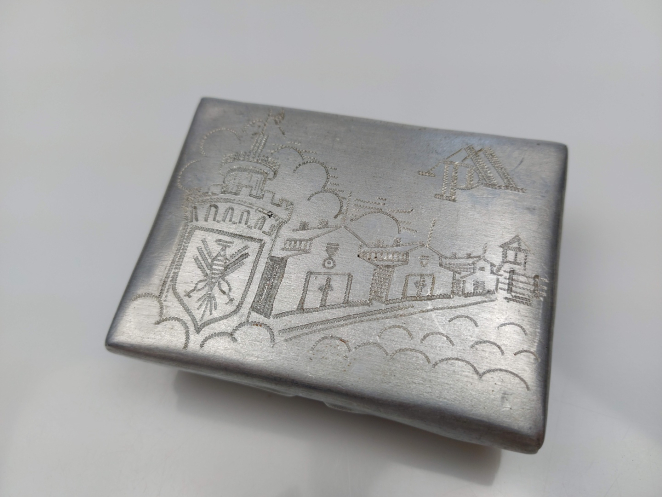
Metal cigarette case, engraved with a coat of arms on the left side and a fragment of the camp buildings on the right.
Aluminium cigarette case engraved with barracks and the coat of arms of Dorohusk – Mikołaj Peim’s hometown. He was held at Majdanek as prisoner no. 4158 from August 1943.

From Everyday Item to Museum Artifact

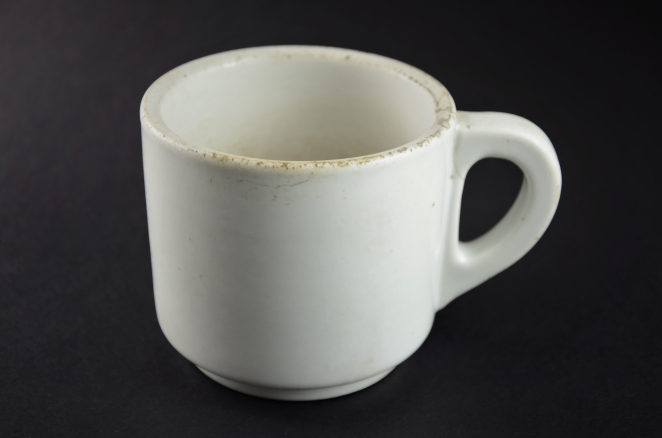
Some of the exhibited mementos changed their function and meaning over the years. A knife made in the camp was used in everyday life and after the war, reminding its owner of a difficult period they endured. A cup bearing the Waffen SS insignia aroused aversion and was kept hidden – as a painful testimony of the past. Once donated to the Museum, all of the items acquired the status of museum artefacts: they were entered into the collection inventory and received legal protection. Their preservation, conservation and presentation are key responsibilities of our institution.

White mug with handle on dark background
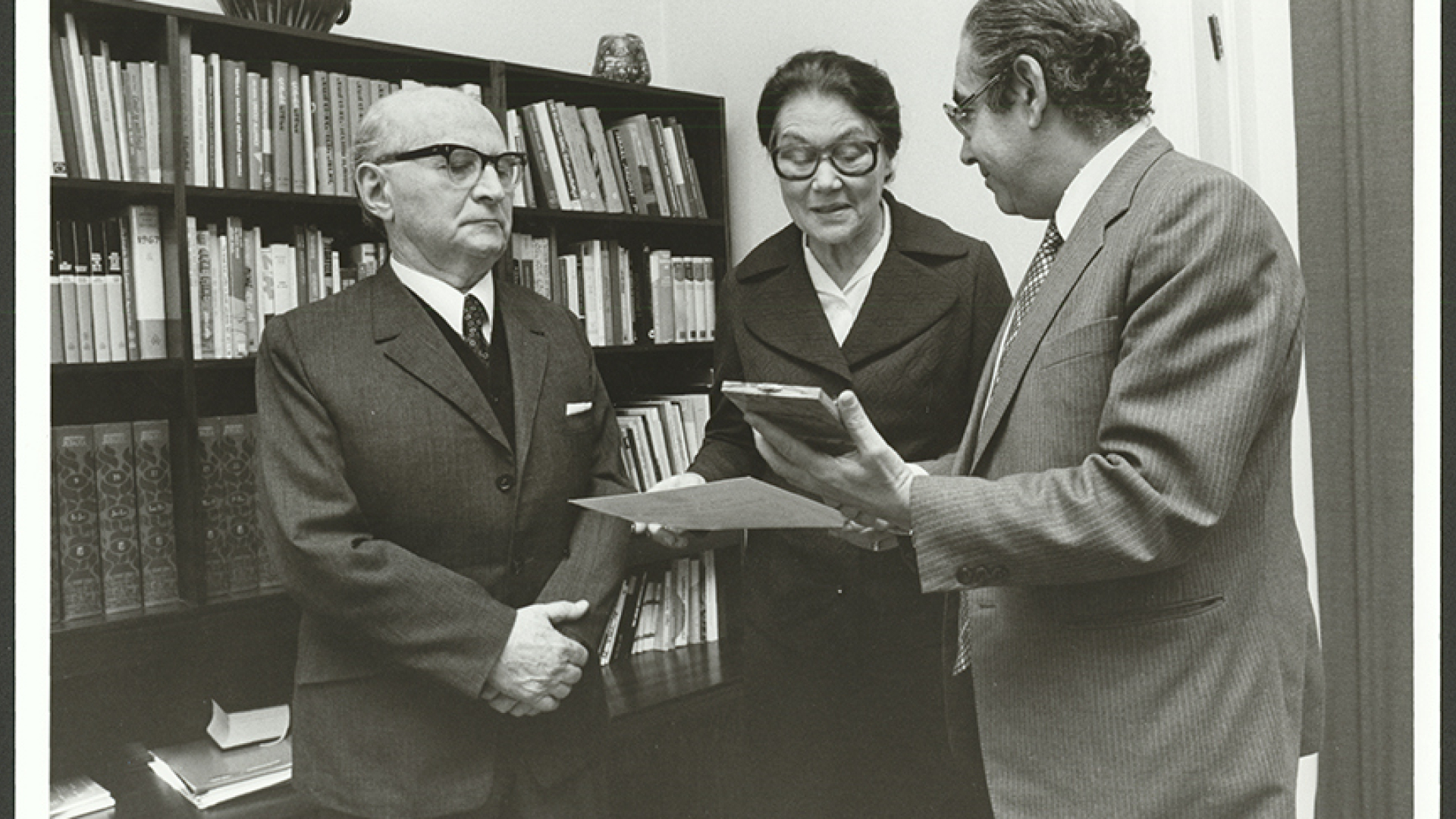
A black-and-white photograph showing a woman in the center, flanked on either side by men in suits. The woman is holding a white piece of paper; the man on the left is holding a small medal; a bookshelf is visible in the background.
Teodozja and Henryk Wieliczański receiving the title of Righteous Among the Nations.

Mementos of the Righteous

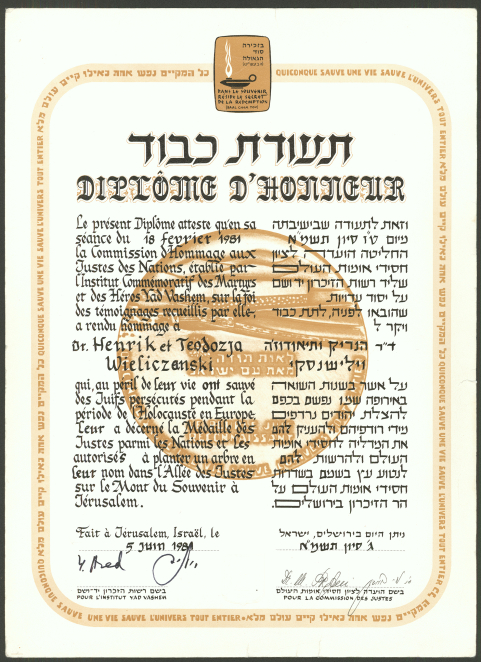
An exceptionally valuable addition to the museum’s collections was a group of mementos related to Henryk Wieliczański. Henryk (in fact Izaak Halpern) was a physician, a soldier of the Polish Home Army, and a prisoner of three German camps – Majdanek, Auschwitz and Flossenbürg. He was remembered by the fellow prisoners as a person who selflessly helped others. In the home of Henryk and Teodozja Wieliczańscy, a Jewish woman Sara Celnik who survived Holocaust, found shelter. The couple was honoured with the title of Righteous Among the Nations by the Yad Vashem Institute in Jerusalem. The medal and certificate confirming this distinction are also presented in the “Mementos” exhibition.

Document on light-colored paper in Hebrew

Collectively Shaping Memory

The exhibition also served as an invitation to contribute to the collections through participation in the mementos campaign, organised as part of the celebrations making the 80th anniversary of the establishment of the State Museum at Majdanek. Such initiatives continuously expand the memory of the victims and witnesses of history, allowing subsequent generations to learn about the past through authentic, moving testimonies of those who experienced it.
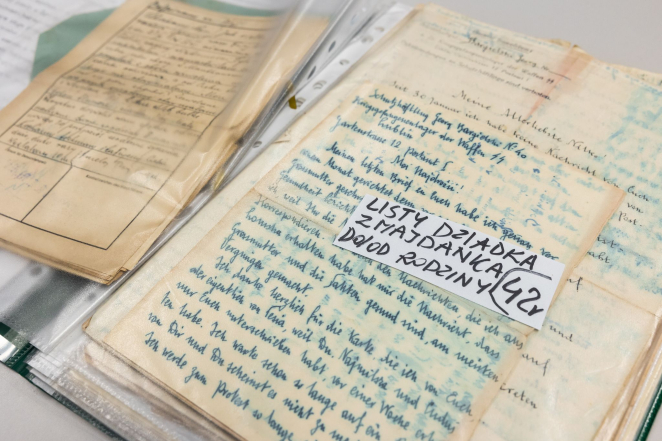
In the photograph there are documents lying in two piles. The one in the foreground are marked with a caption: grandfather's letters to/from family, year (19)42
Correspondence of Jerzy Bargielski, donated to the Museum’s collections by his family.
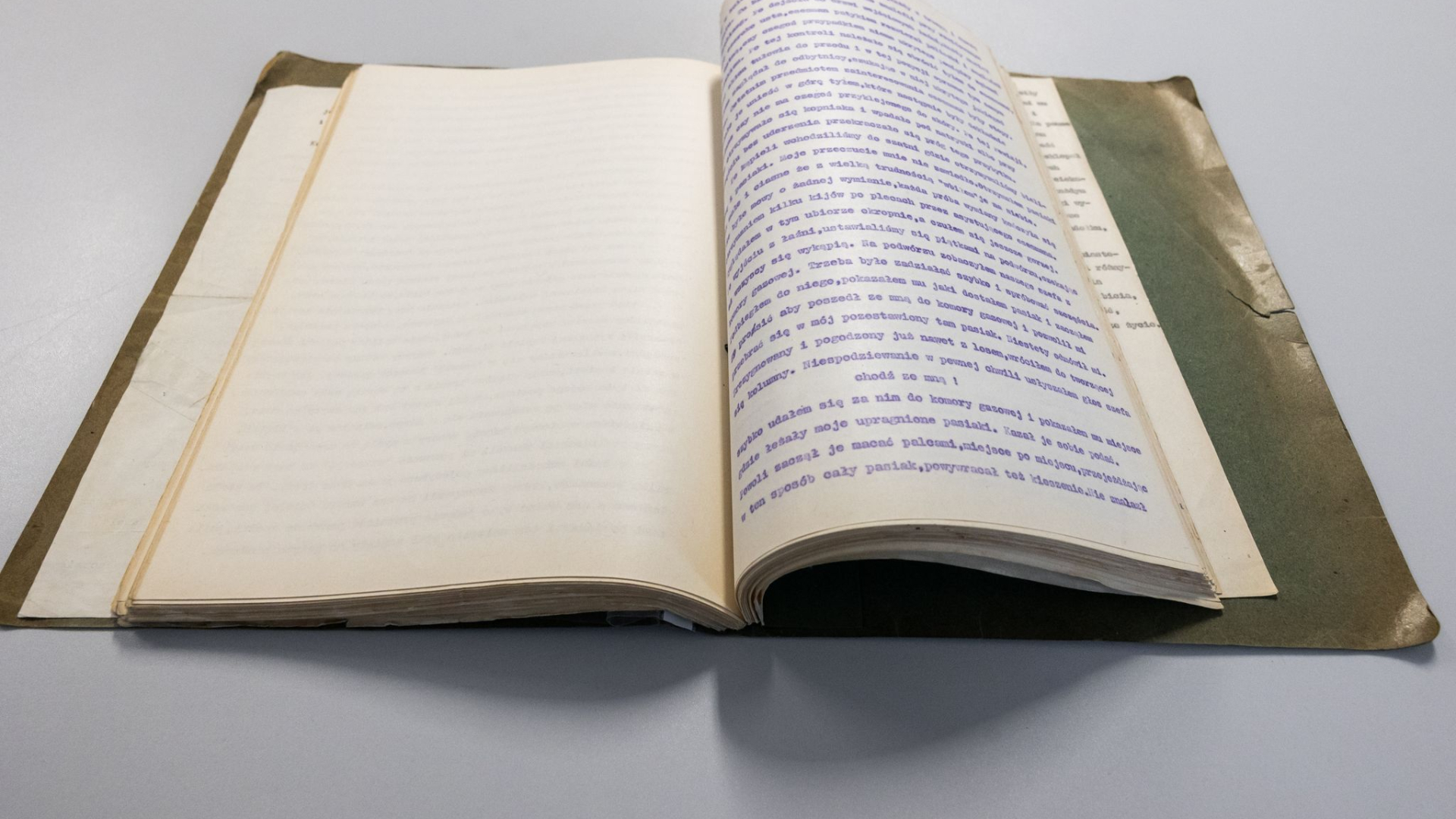
The photo shows a typescript opened in the middle; the right-hand page is written in purple ink, while the left-hand page is blank. The background is light.
Original typescript of the account entitled “Living Numbers”, written by Czesław Skoraczyński, a former prisoner of Majdanek and Gross-Rosen.