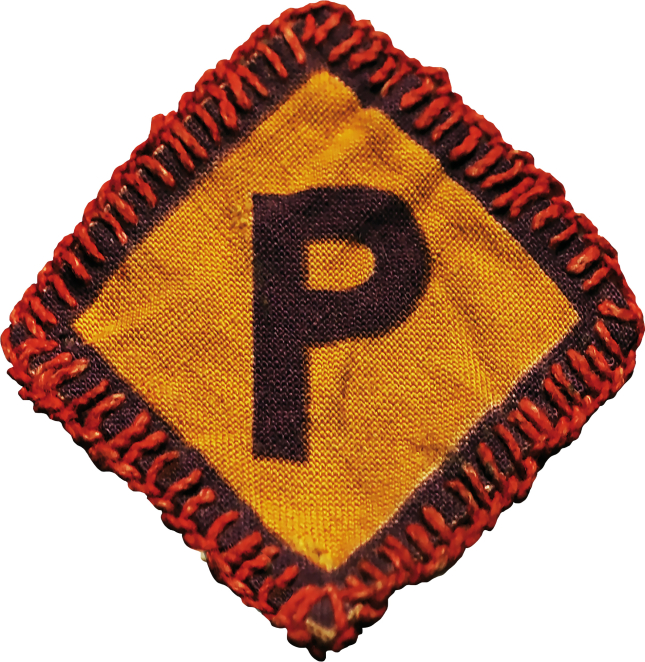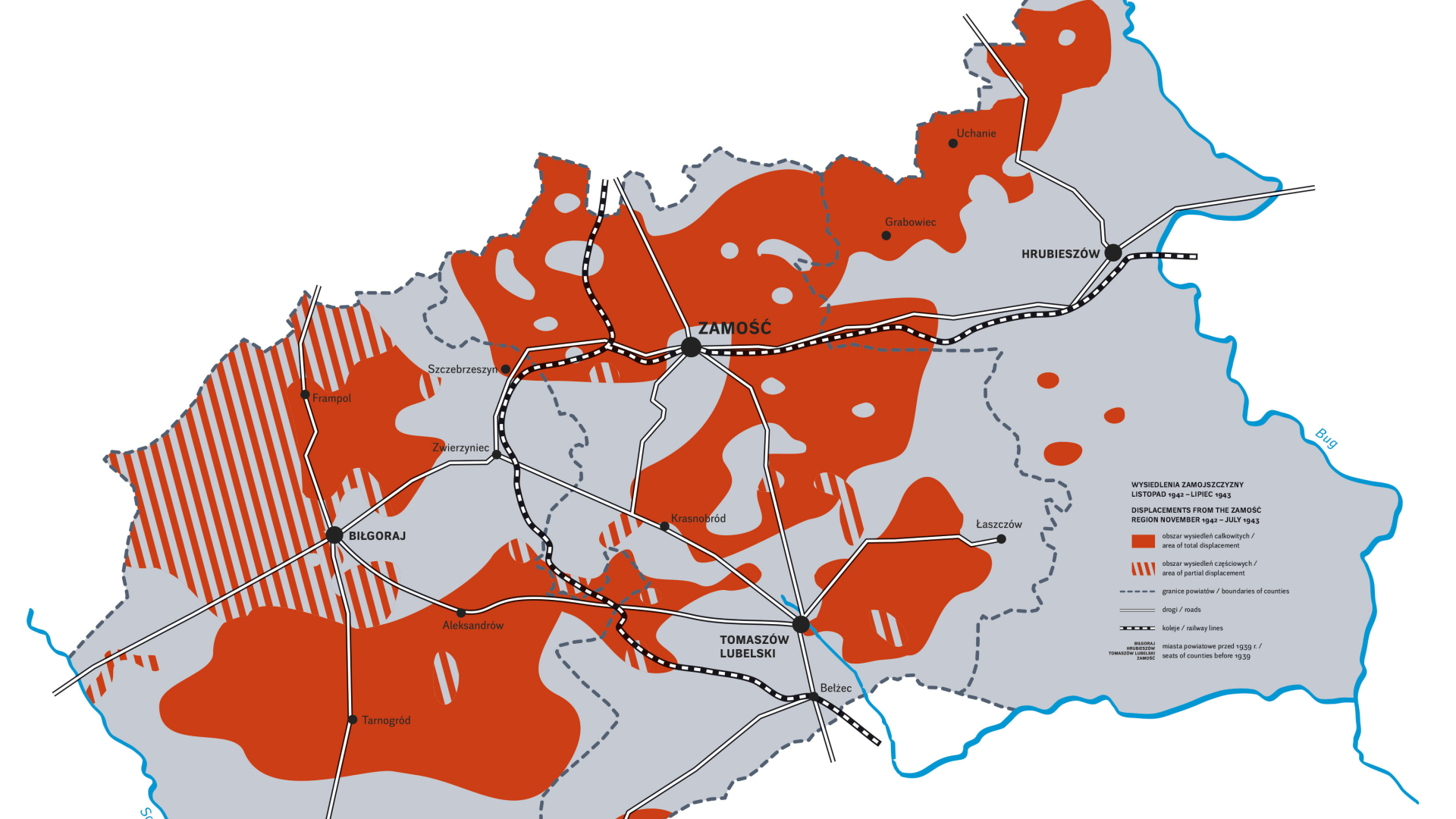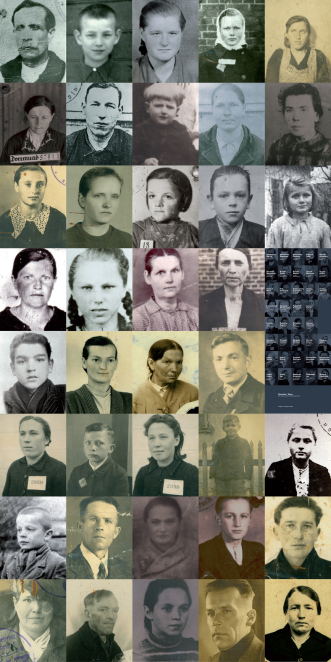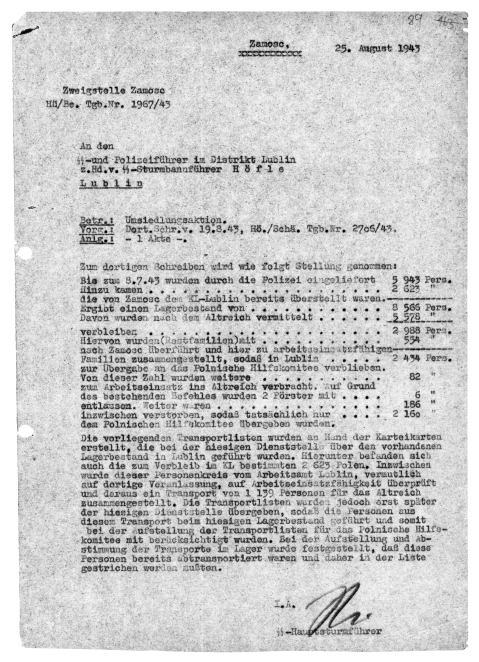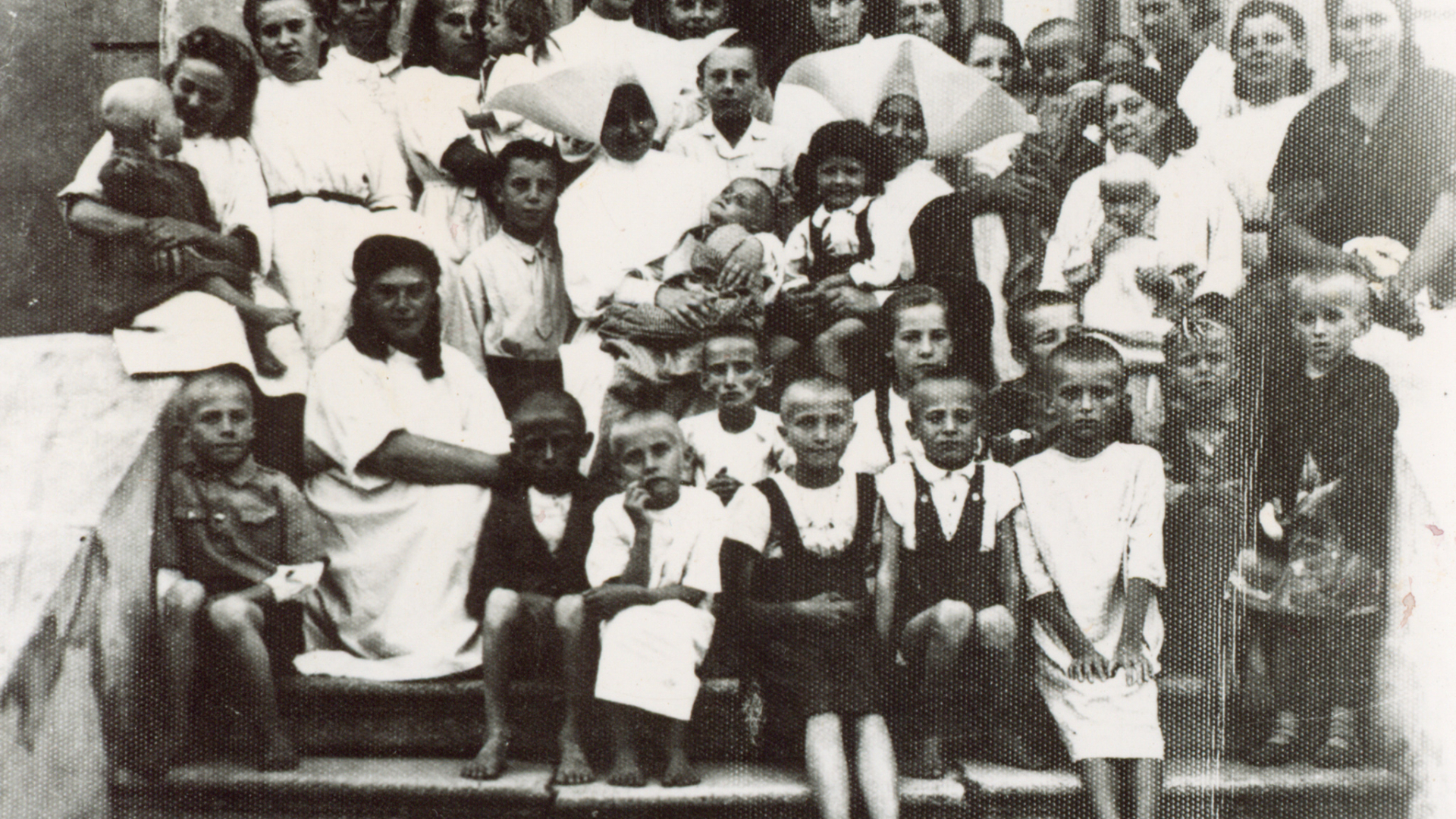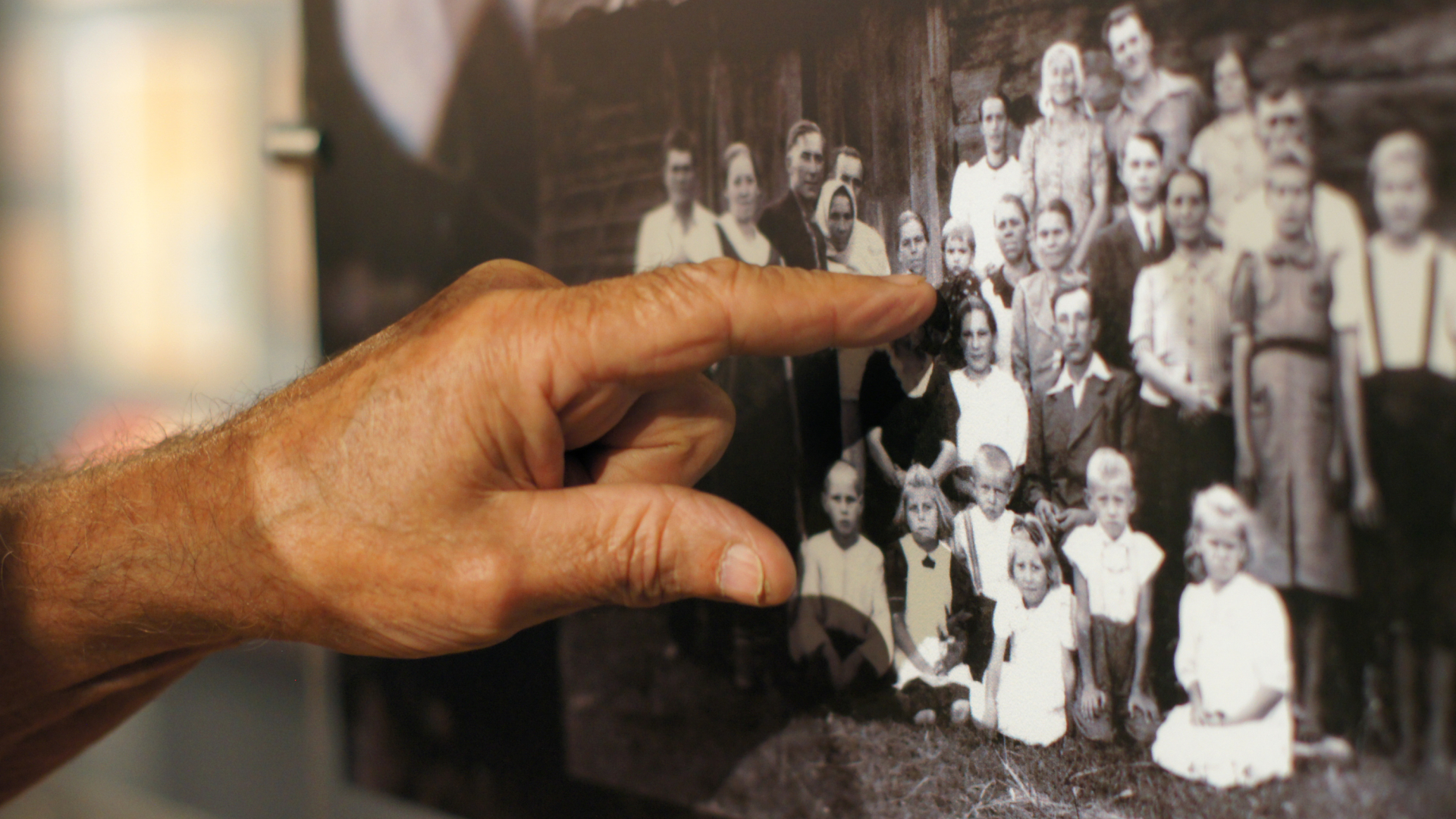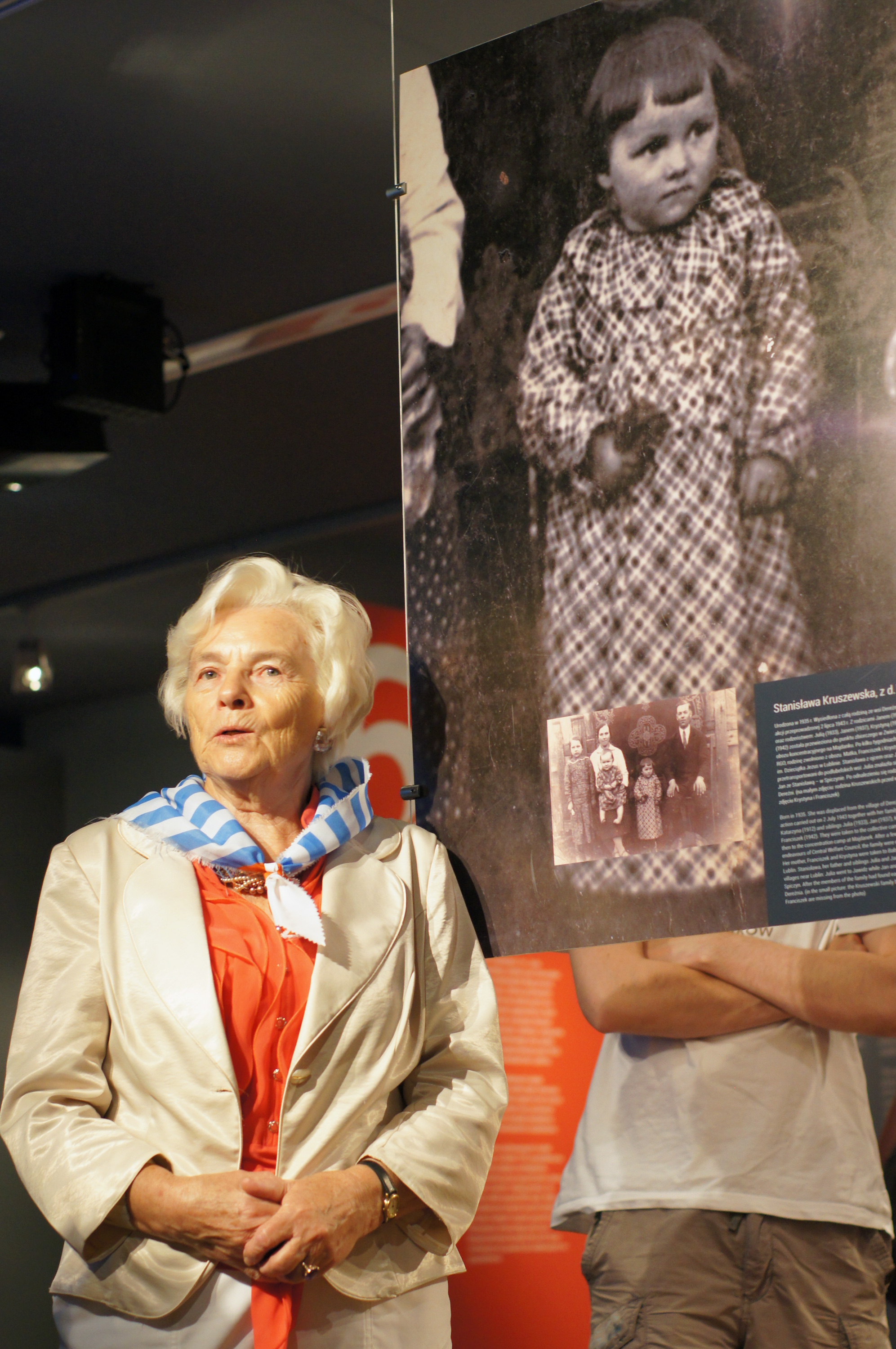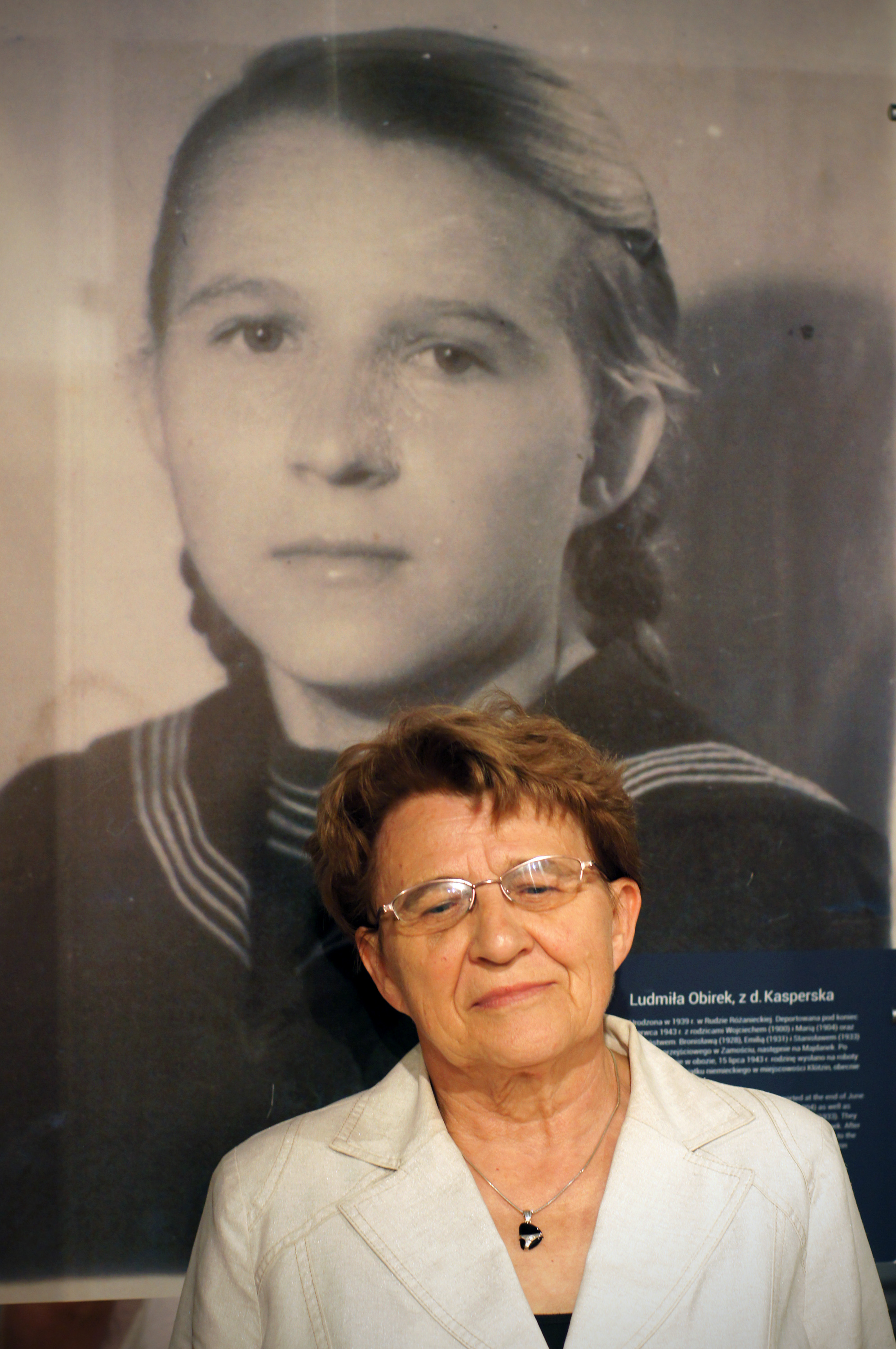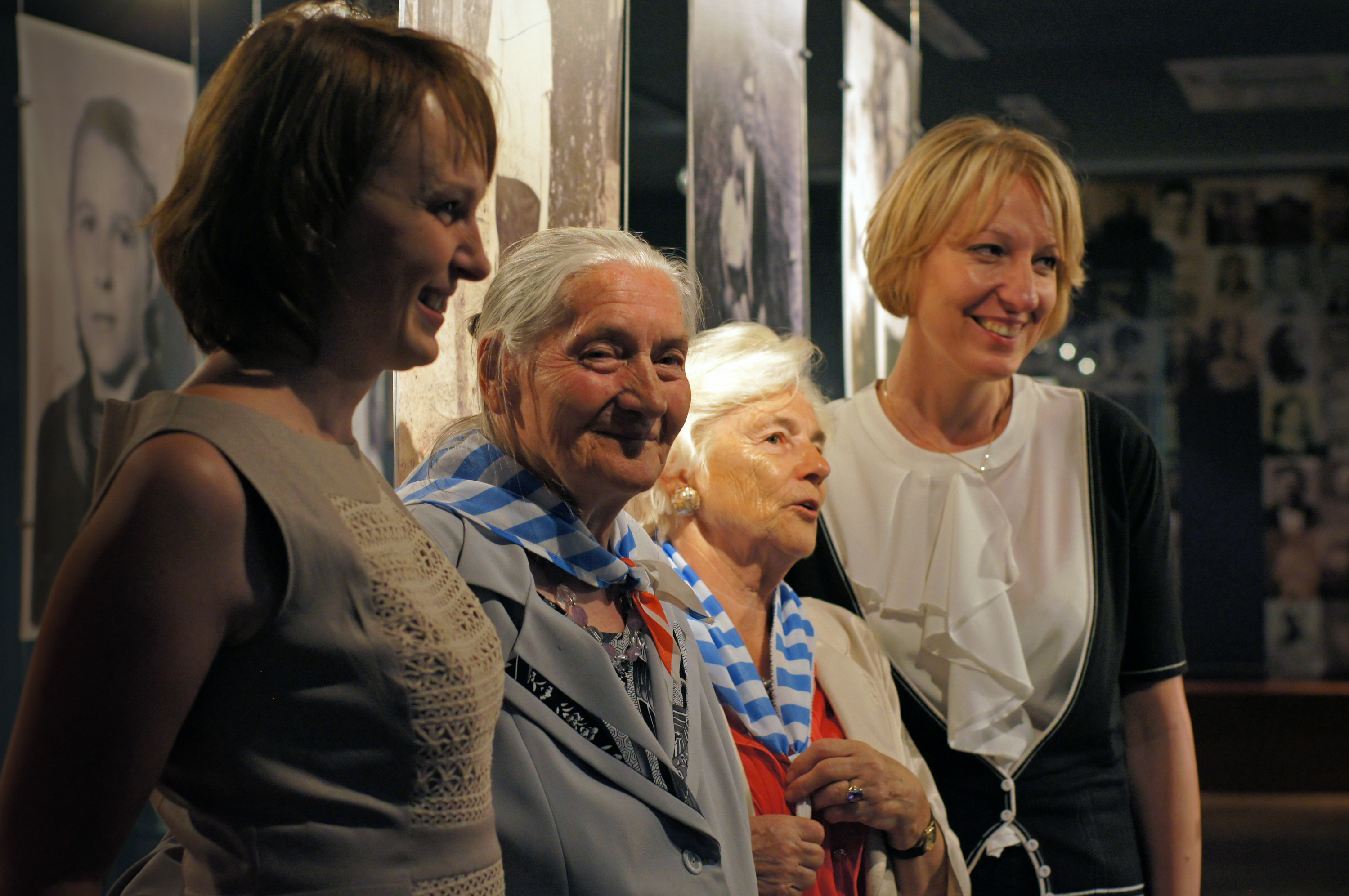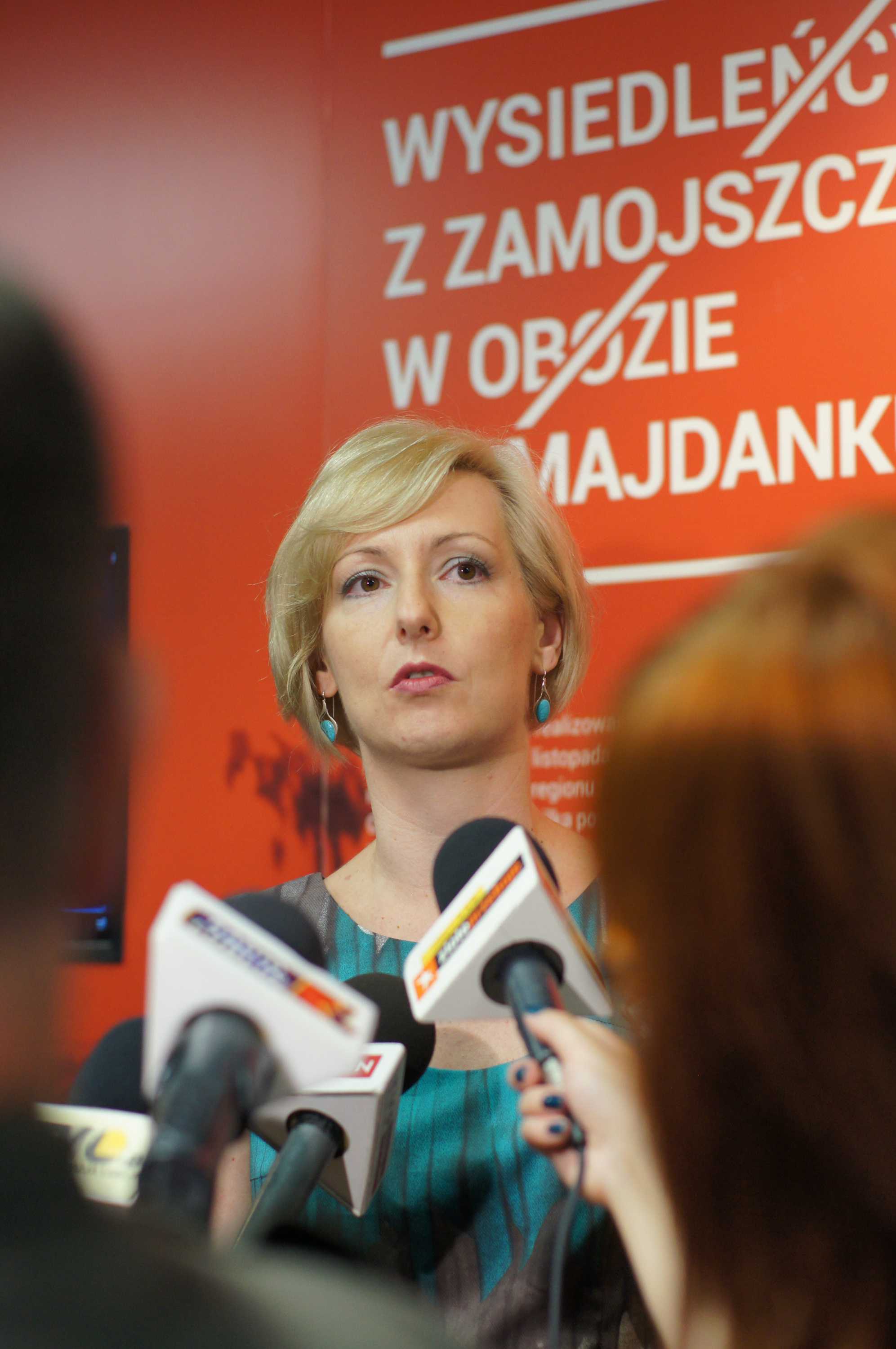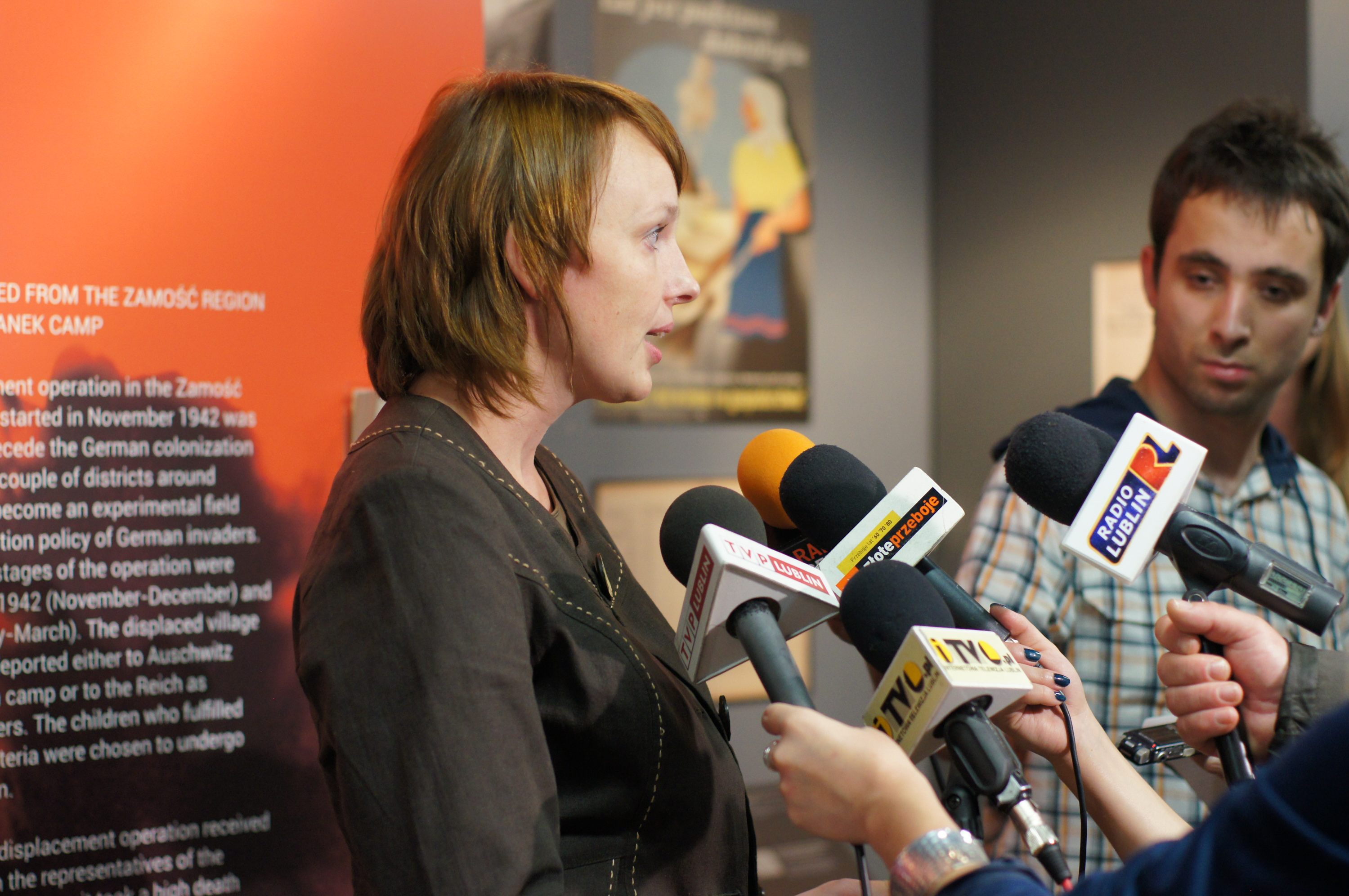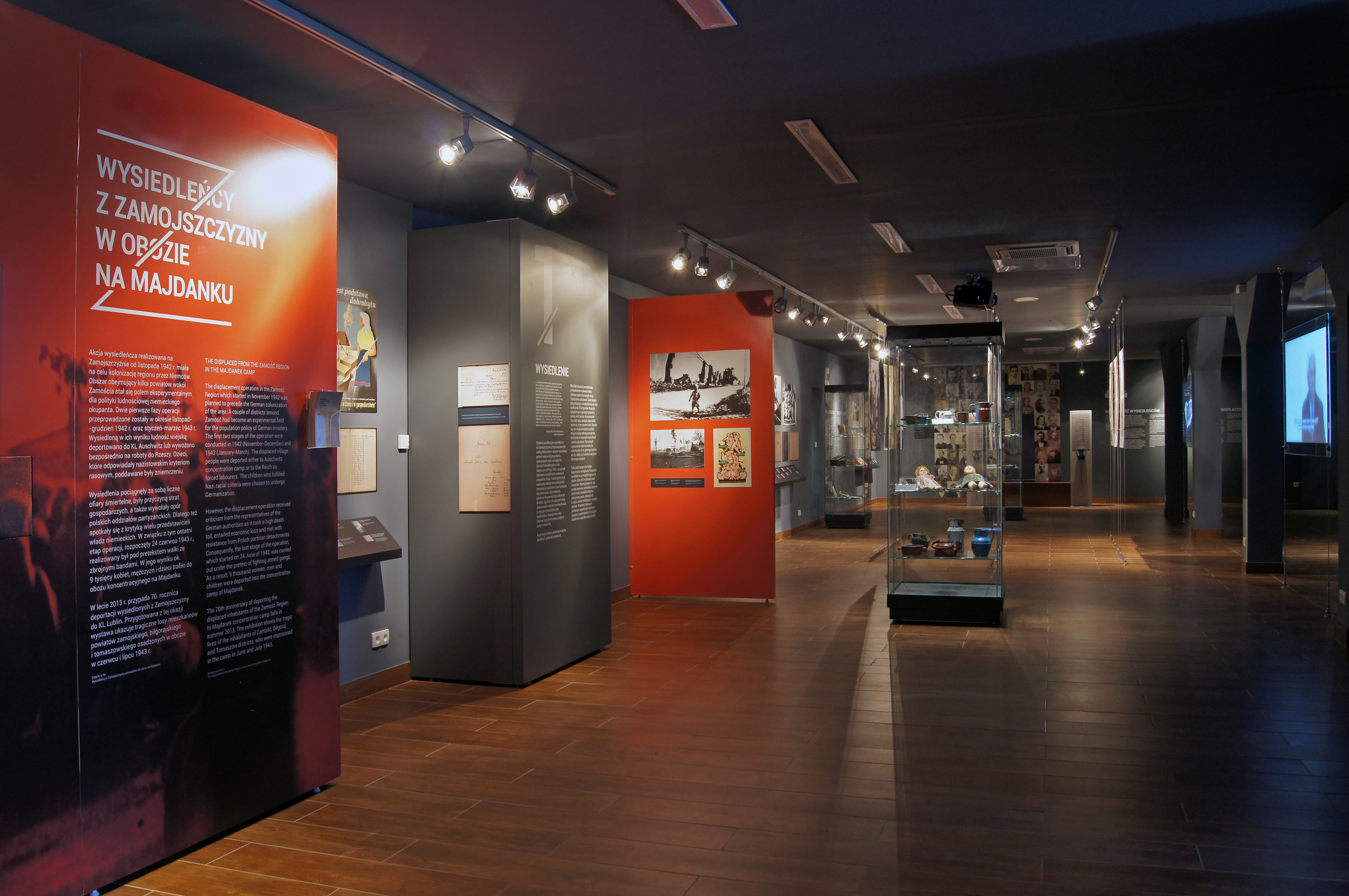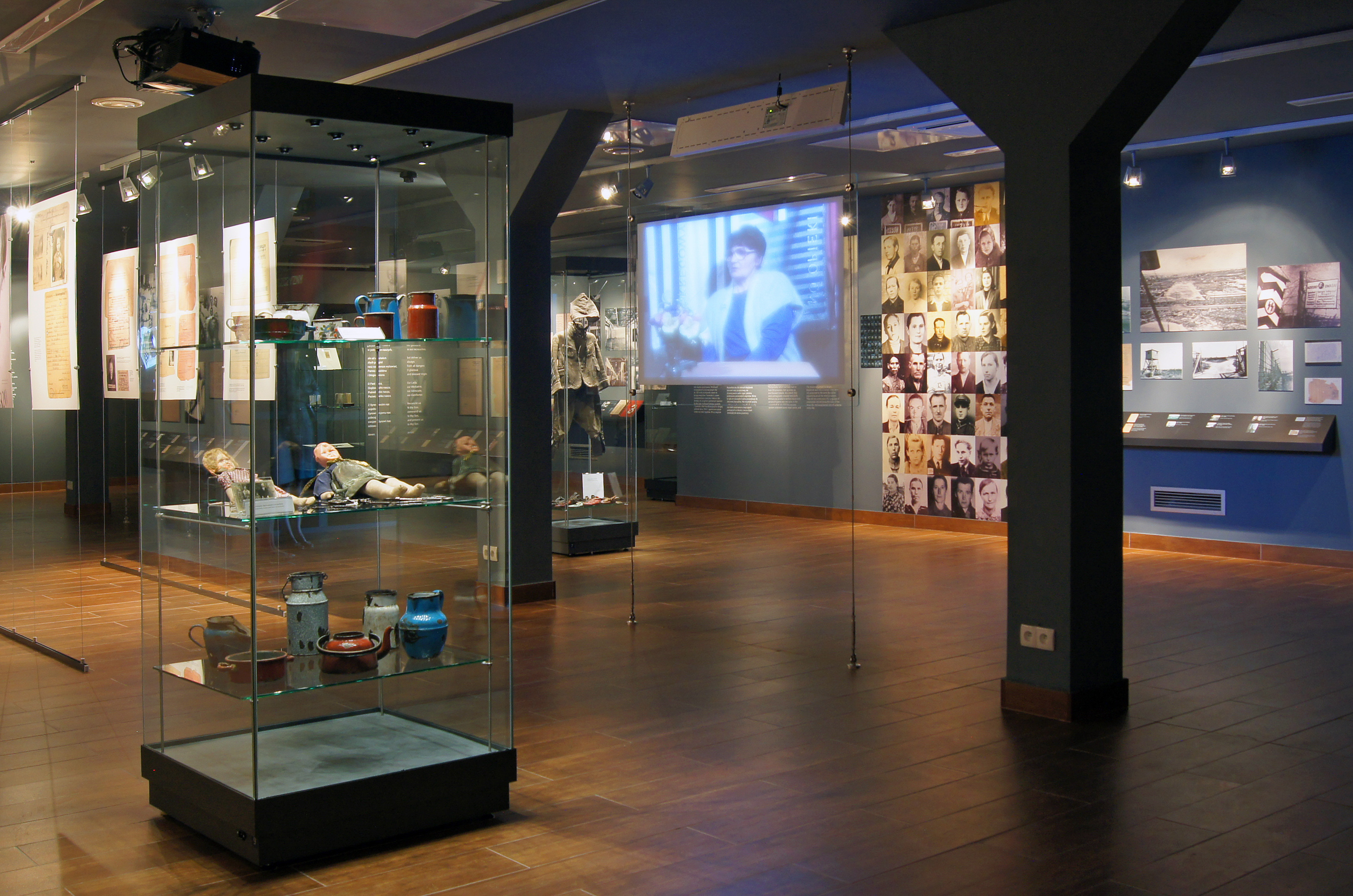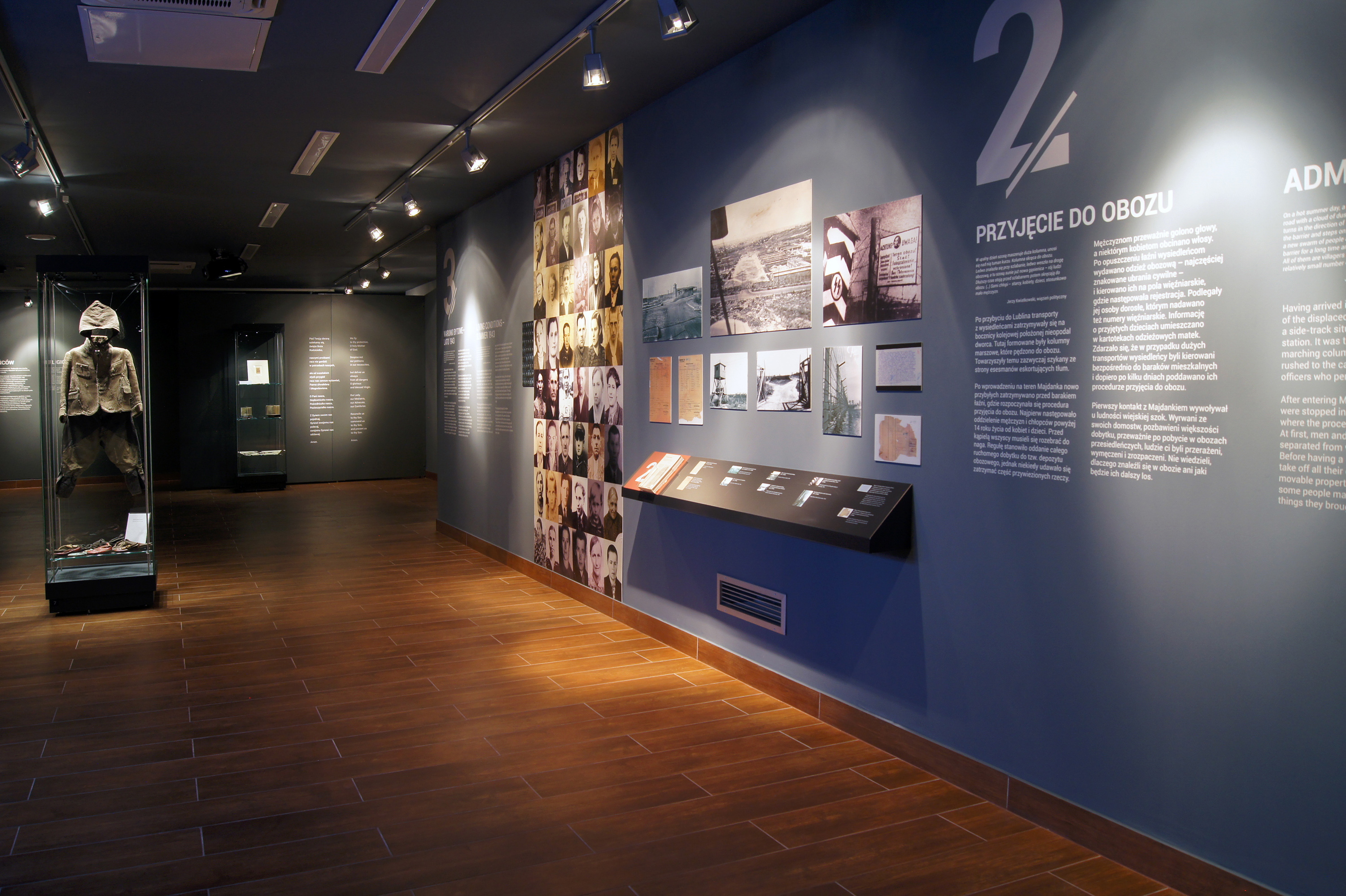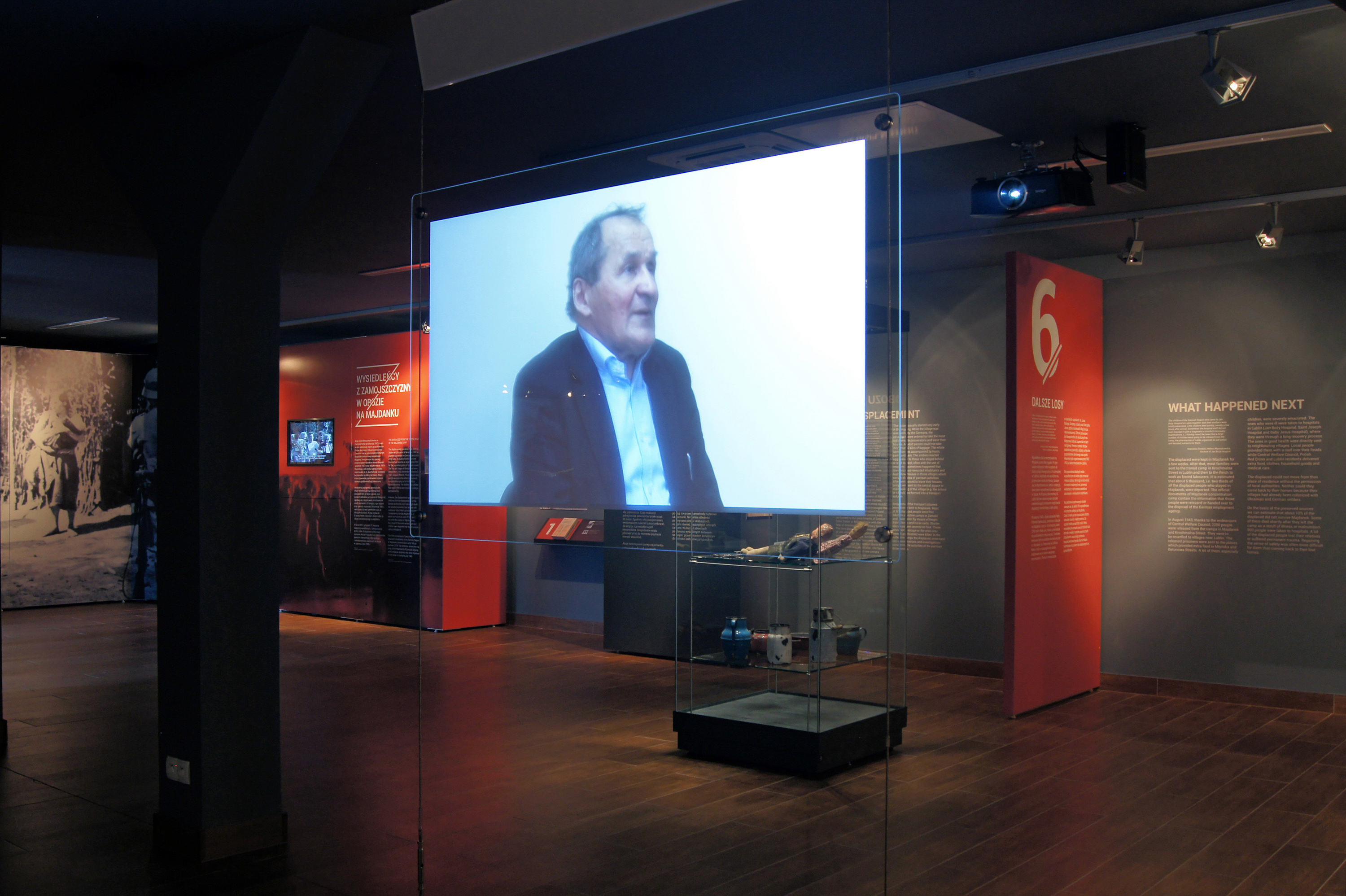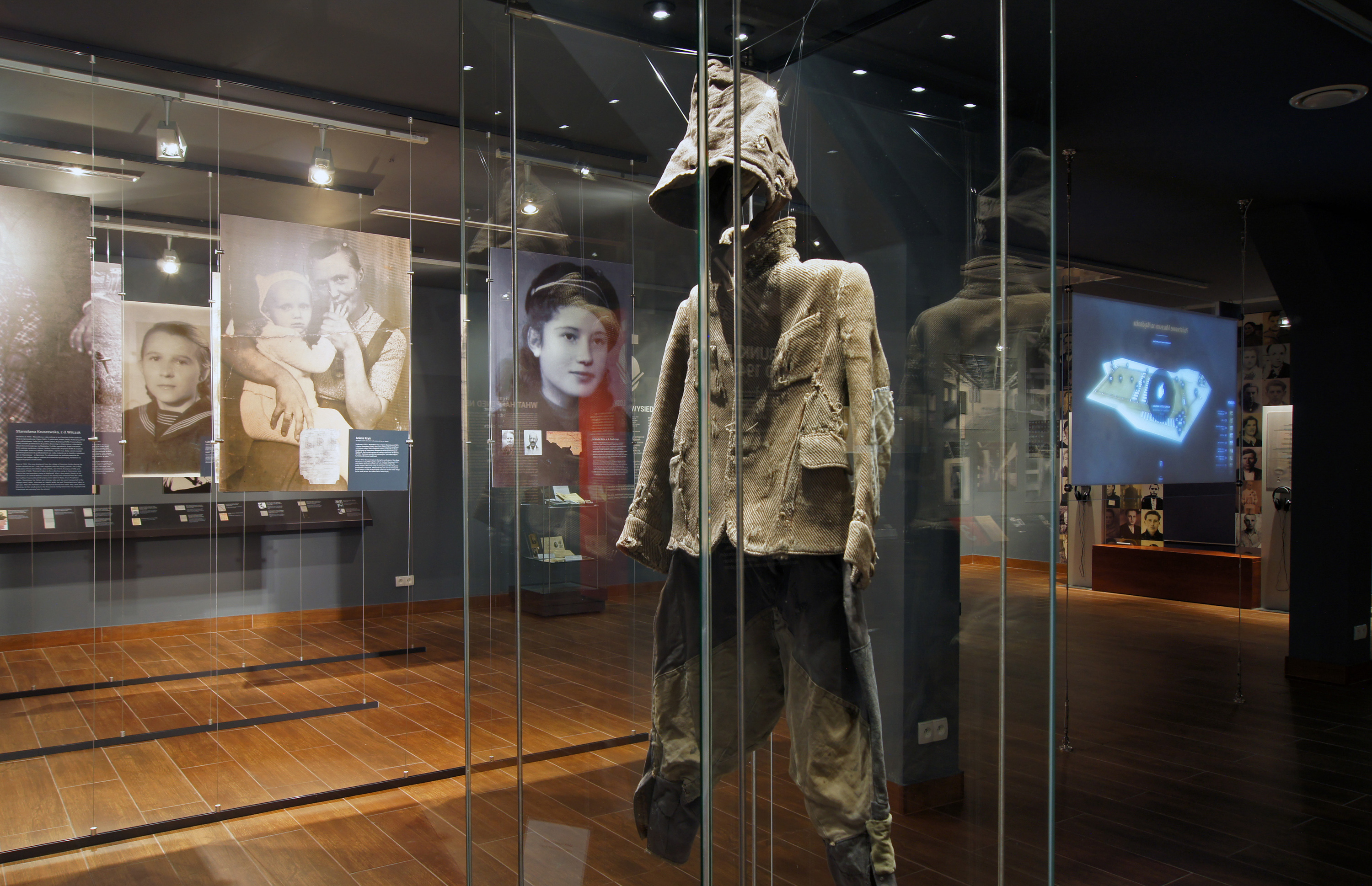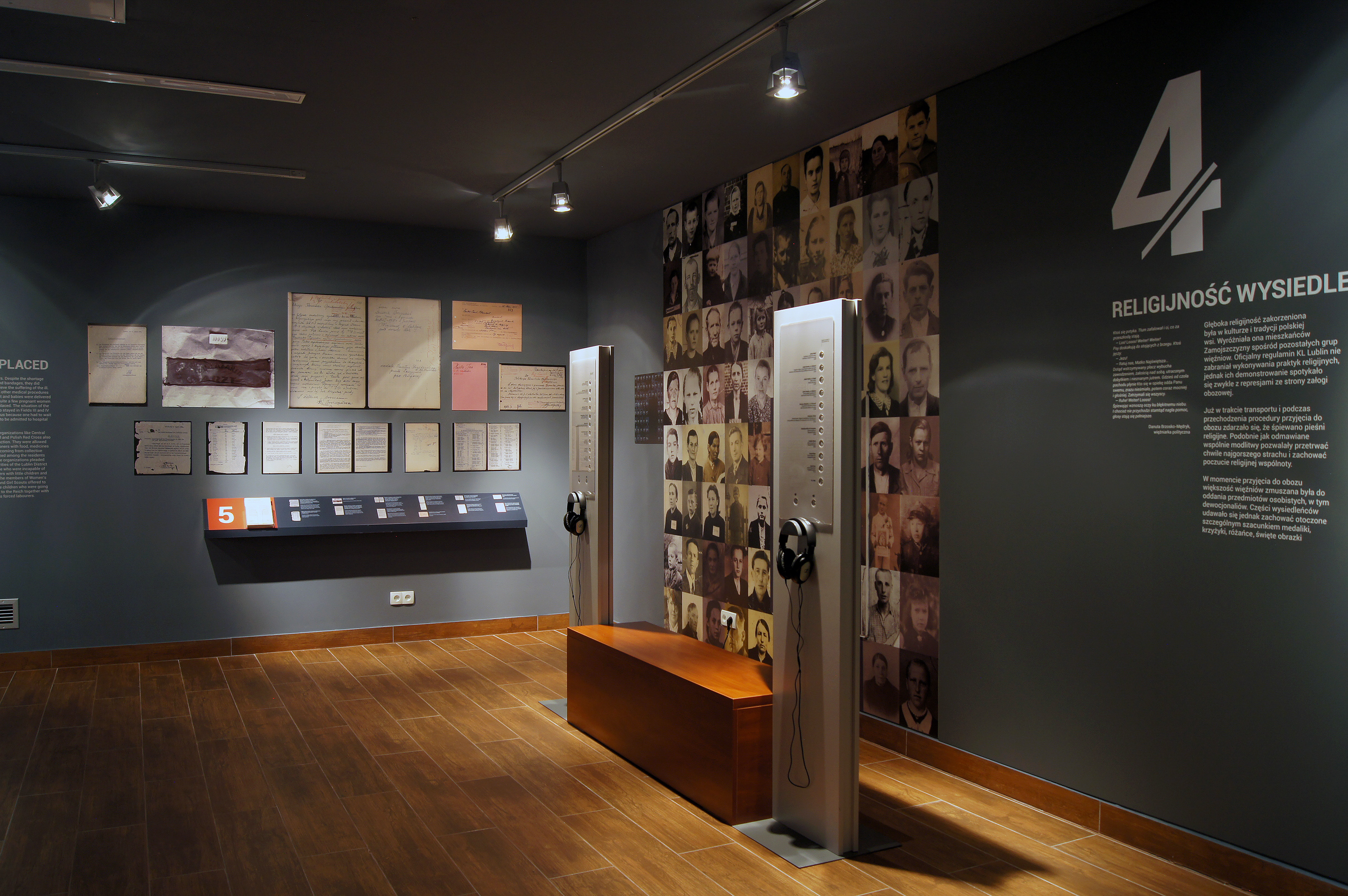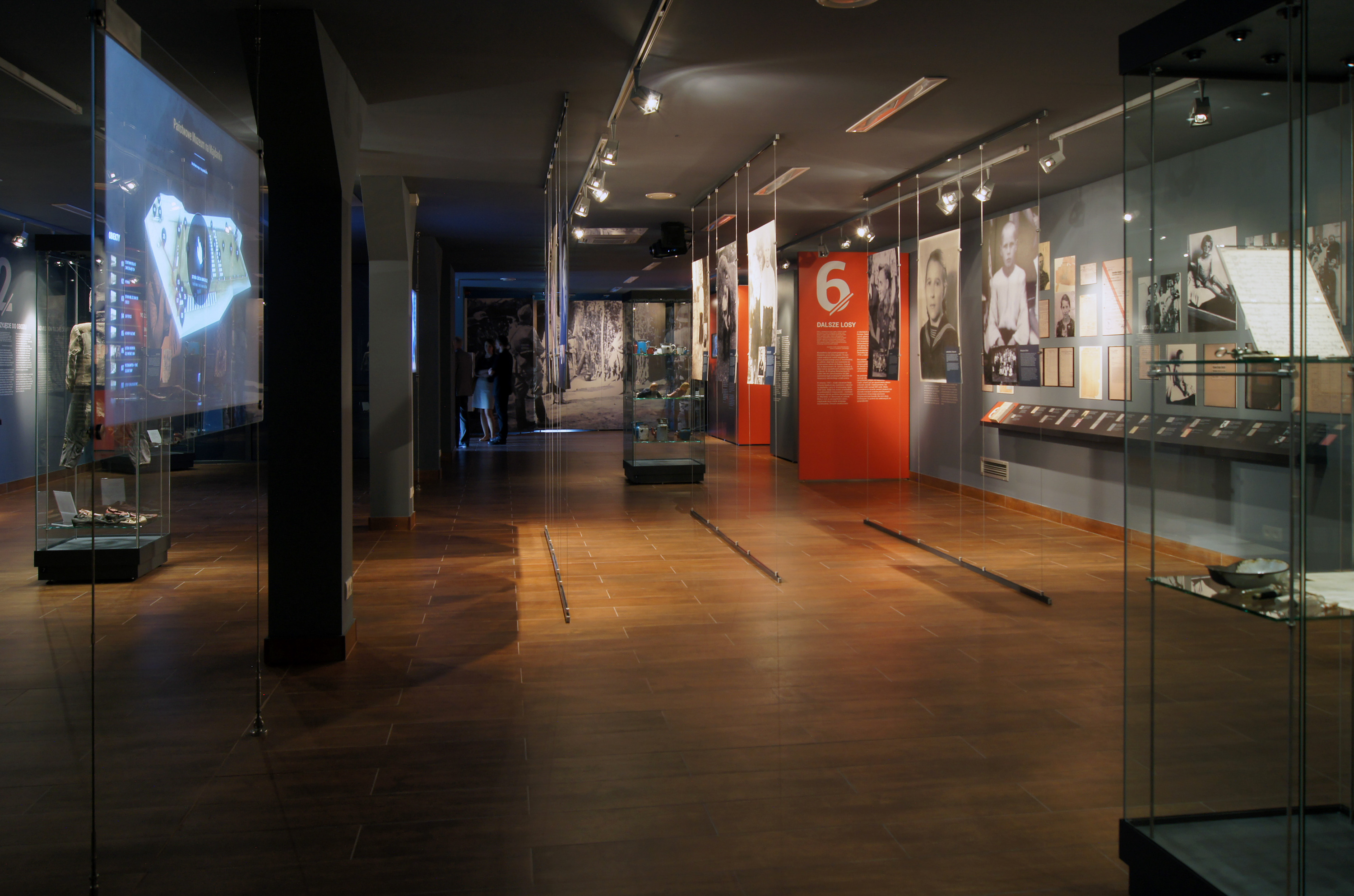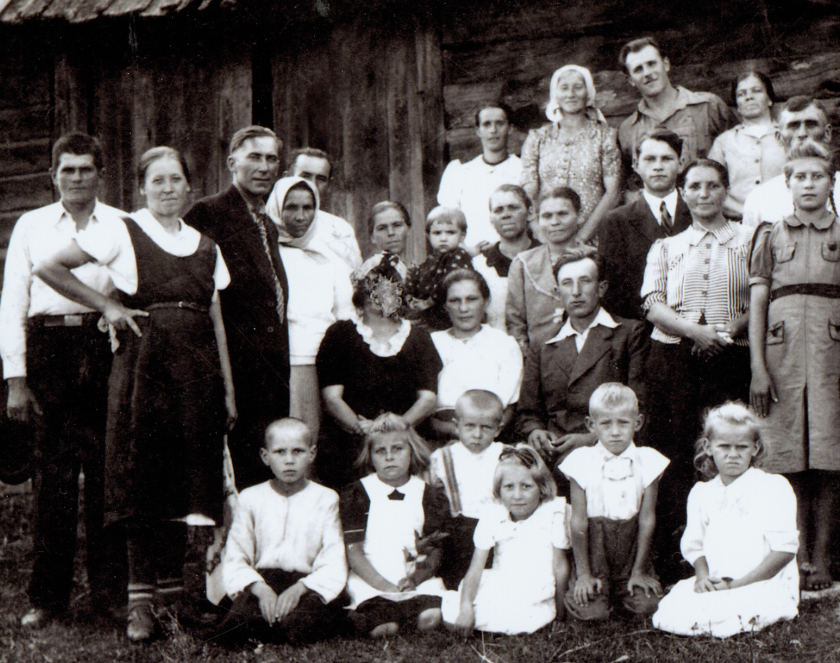
According to the Third Reich’s authorities, Zamość region located in the south-eastern part of the Lublin voivodeship, was meant to become a foothold of the new German colonies in the east, a “Germanic bulwark” for further expansion. That area – considered “indigenously German” by the Nazis – lied at the junction of the inner Reich with occupied Soviet territories. In 1941, the implementation of “Generalplan Ost” began there – the so-called Genera Plan for the East. It was a long-term programme of settlement and colonisation in the central-eastern Europe aiming at providing the “living space” for Germans. Its span stretched from Transylvania up to the Baltic states, and assumed mass deportations and displacements of their original population. It is estimated that around 100,000 people were affected by those polices around the Zamość region alone in the years 1941-1943.
Important information
Temporary exhibitionArchival
- Exhibition date:
- Place:
- Translation:
- Scenario:
- Language version:
- Artistic design:
- Stylistic editing and proofreading of texts:
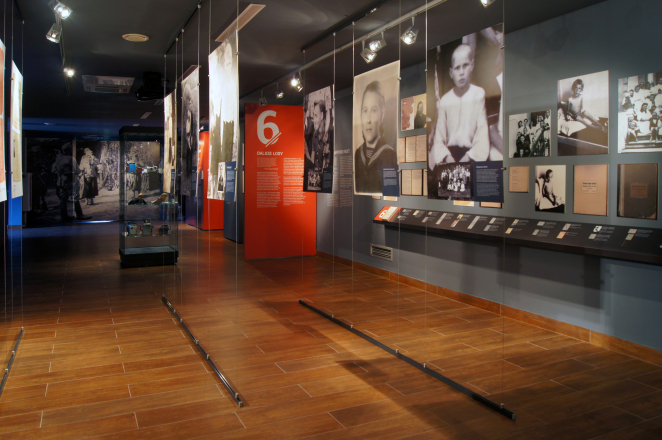
The exhibition has been prepared in two versions. First it was presented in the former camp shoemakers’ workshop barracks. For this occasion, the building underwent major conservatory renovation and was adjusted to offer proper condition for displaying authentic artefacts.