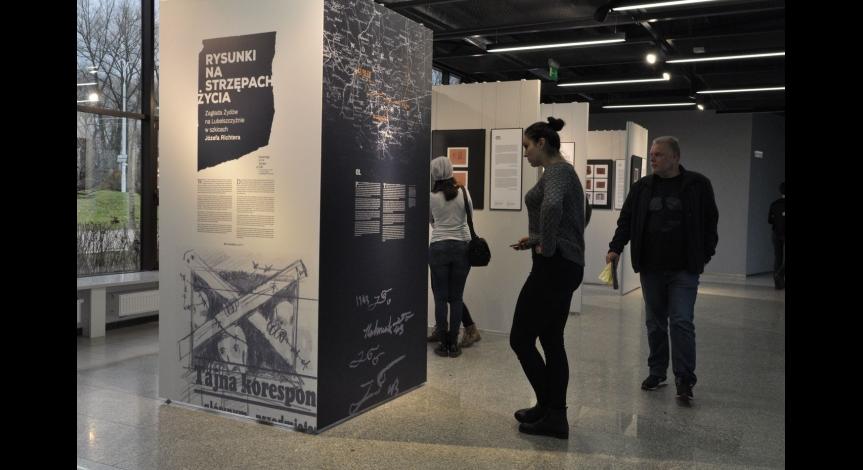
Drawings on the Scraps of Life

The Extermination of Jews in the Lublin Region in Józef Richter’s Sketches

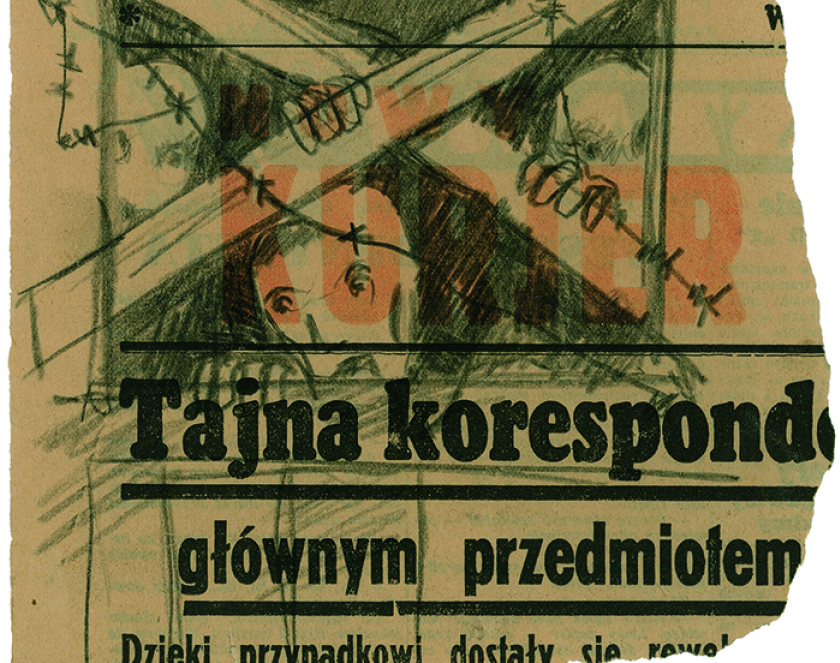
A drawing depicting two people trapped in a train carriage, drawn on a scrap of newspaper, with the words “Secret correspondence” torn off.
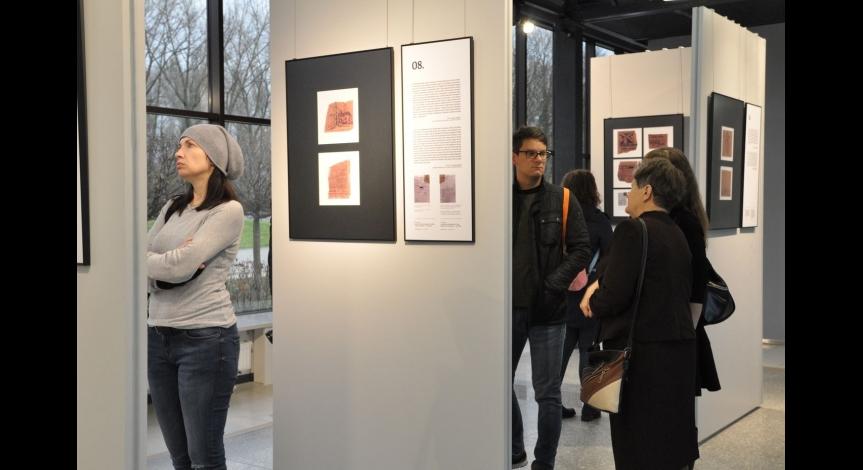
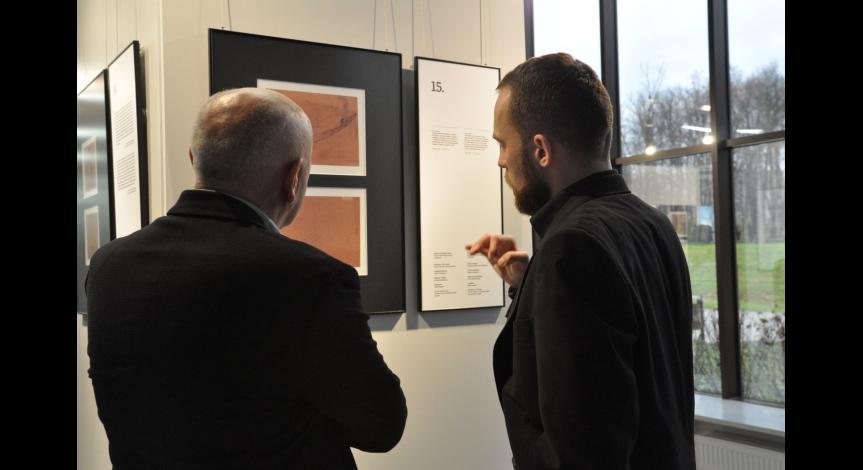
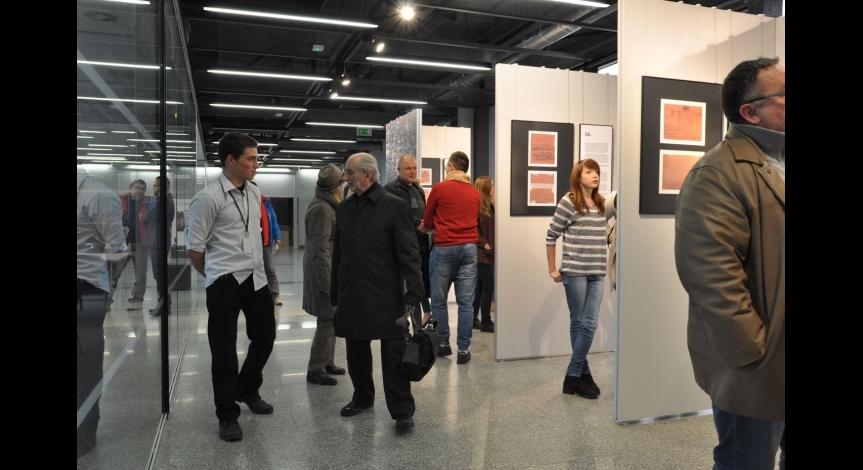
The exhibition included 18 drawings that Józef Richter created in 1942-1944. He drew various scenes connected with the persecution and extermination of Jews in the Lublin region. The original pieces are preserved in the collections of the Ghetto Fighters’ House Museum in Israel.

Important information

Temporary exhibitionArchival
  • Exhibition date:03.11.2017 - 26.04.2018
  • Place:State Museum at Majdanek
  • Curator:Krzysztof Banach, Lech Remiszewski
  • Translation:Witold Wojtaszko
  • Language version:Polish, English
  • Artistic design:Izabela Tomasiewicz

“Window in a train car. They are asking for water. The guards are keeping watch, we are sitting on a train on the second track. I’m quietly drawing on a newspaper.”

Landscapes of Death and Suffering

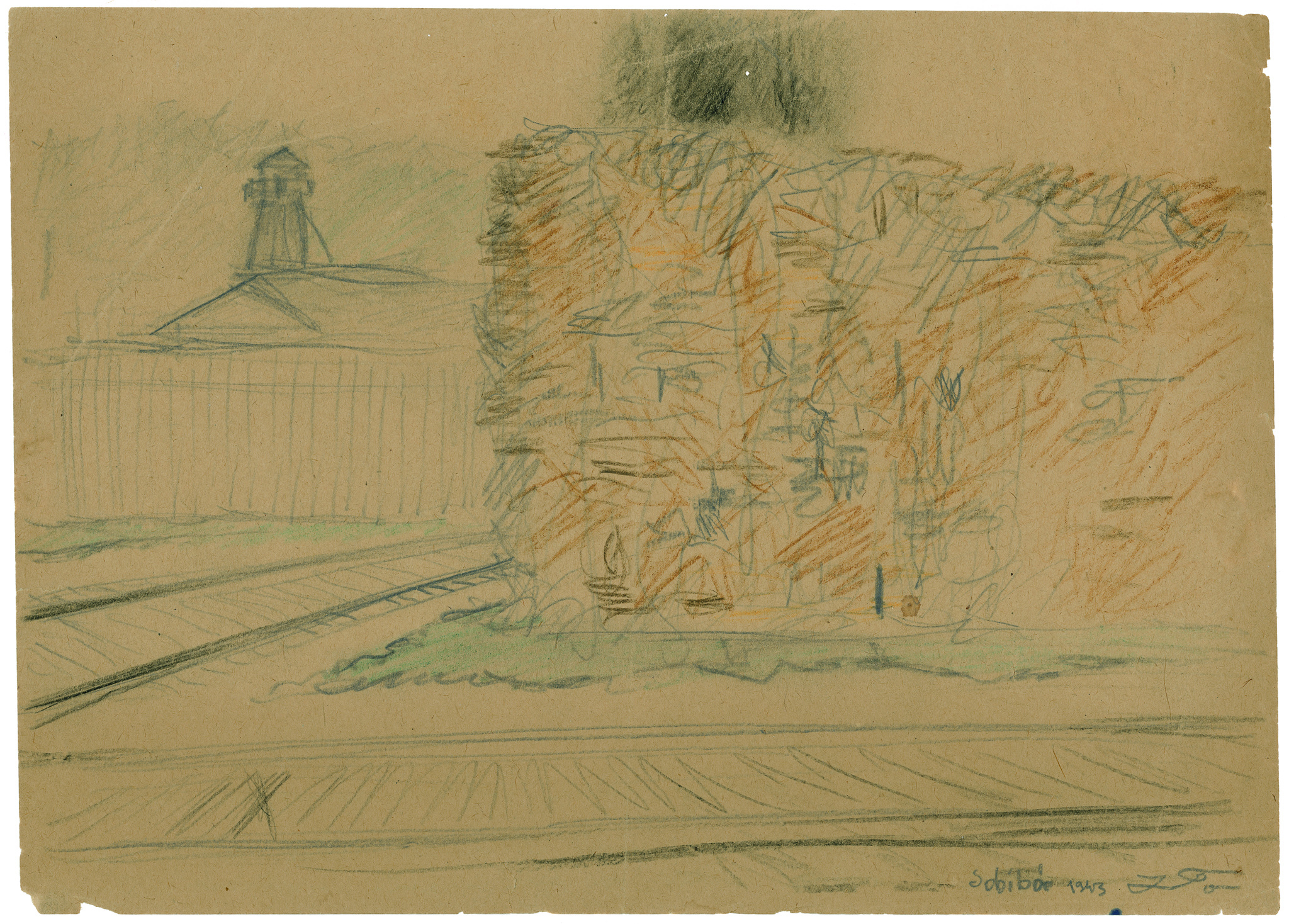
Józef Richter’s sketches represent the labour camps in Trawniki and Lublin, the Majdanek concentration camp, and the extermination camp in Sobibór. They also portray ghettos and other places of murder in the Lublin district. By using simple forms of expression, the artist created a very moving testimony of the genocidal crimes committed in German-occupied Poland.

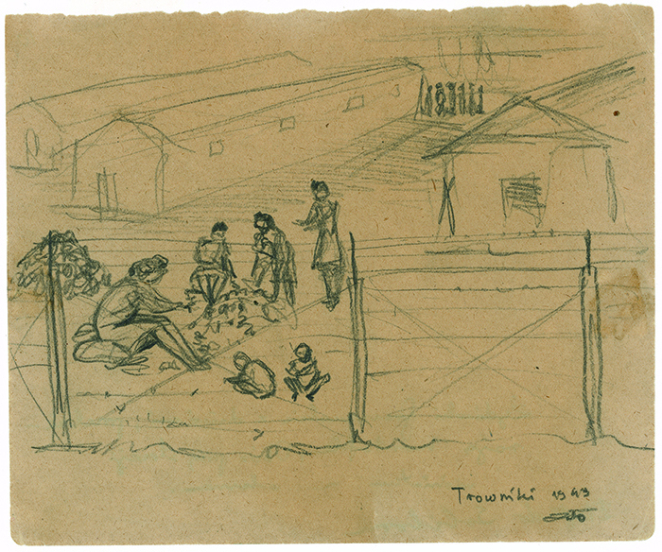
Drawing on yellow paper, a group of people behind barbed wire, several barracks
Original drawing caption: French Jewish women with kids, sorting potatoes, I saw the camp near the station from the window, a Stage to Sobibór, Trawniki 1943.
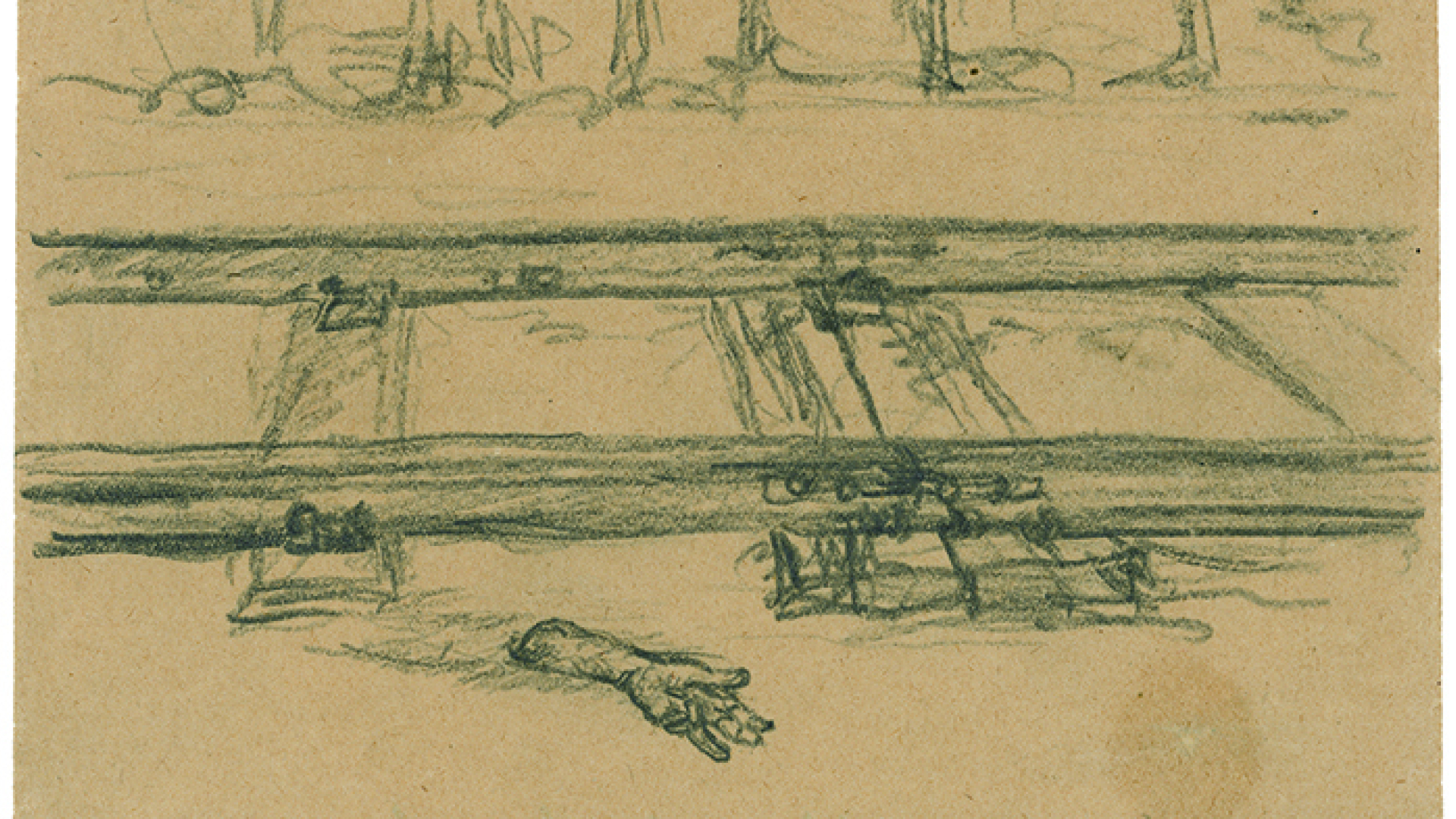
A dark line drawn on yellowed paper. Tracks running horizontally across the page; in front of them, a hand lies on the ground; in the background, shapes resembling trees
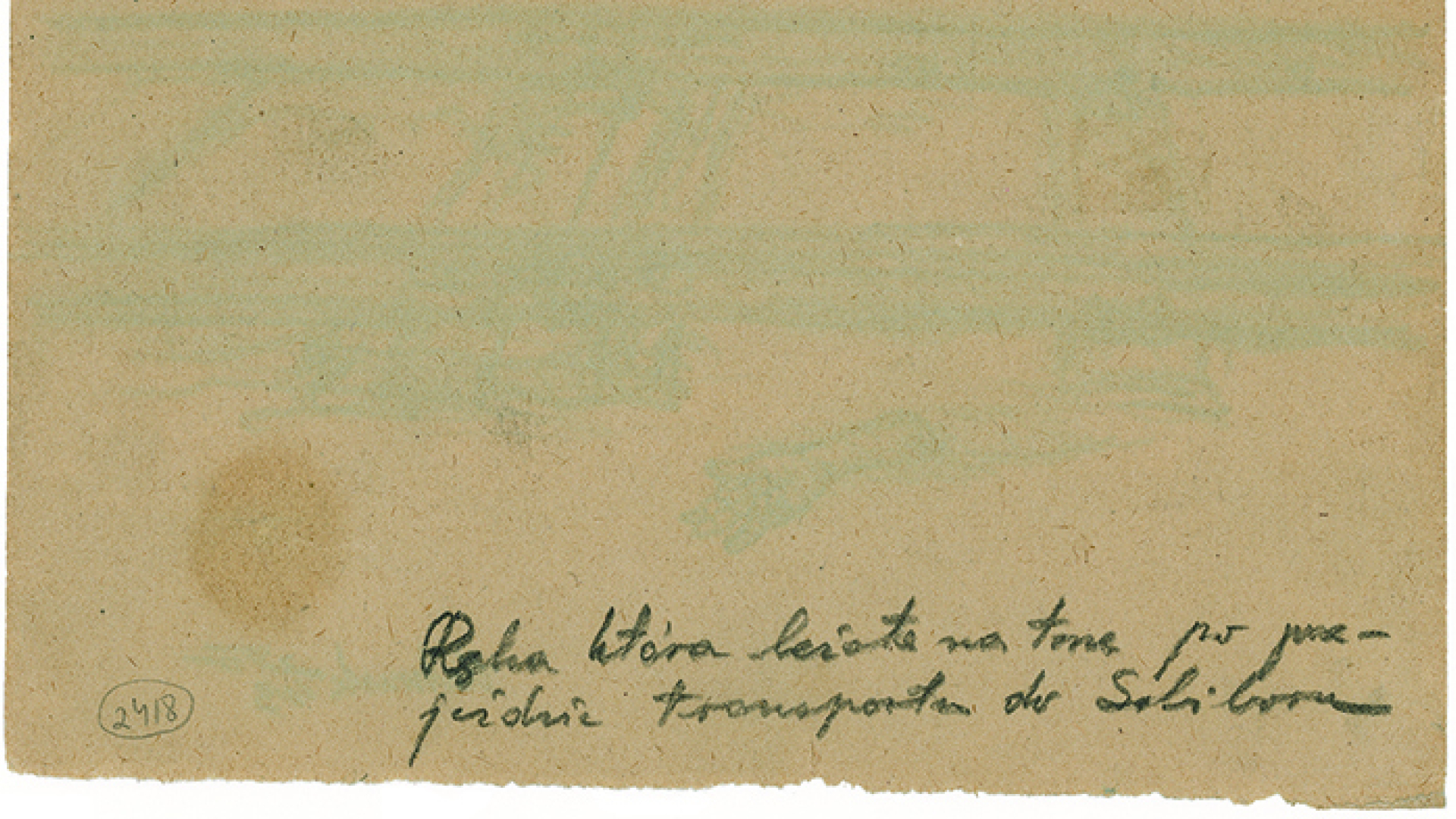
A piece of paper; at the bottom right, a handwritten note: “The hand that lay on the tracks after the transport to Sobibor had passed”
Original drawing caption: Hand lying on the tracks after the transport to Sobibór passed Uchrusk [19]43.

Forgotten Drawings

The story of Józef Richter and his drawings was discovered by Miriam Nowicz from the Ghetto Fighters’ House Museum in Israel. She came across the sketches while she was researching the Holocaust history by travelling through Poland and looking for sources. The drawings were kept by an inhabitant of a village near Chełm. According to his testimony, Richter joined the partisans and was killed in combat during the war.

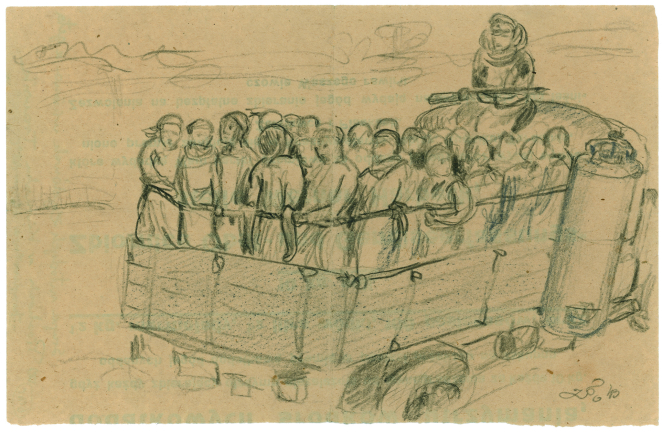
drawing made on yellow paper with a pencil, a group of people on the back of a truck, an armed guard visible
Original drawing caption: Group of young Jewish women transported from the ghetto in Piaski towards Trawniki, temperature −10°C, [19]43

Józef Richter and Aleksander Paszko

Aleksander Paszko was from Kraśniczyn, and he gave a testimony regarding Richter during his visit to Israel in 1967: “ Józef Rychter worked in the railway labour brigades, and was dispatched to various districts. He was in Trawniki, Krasnystaw and Piaski. Lastly, he worked in Sobibór. […] He worked as a Pole […] and visited me from time to time. He drew documentary sketches on whatever he had. If he had quality paper, he drew on that paper, if he had just a newspaper, he drew on that newspaper.”

Thanks to the discovery of Paszko’s testimony by our historian Jakub Chmielewski, the theory of exhibition authors Krzysztof Banach and Lech Remiszewski could be confirmed. It is now known that the artist came from around Chełm, and that he knew Paszko from their army time. Aleksander and his wife Leonarda were helping Richter between late 1942 and early 1944. Thanks to the acquired “Aryan papers”, Richter (or Rychter according to Paszko) assumed the identity of Zbigniew Zaprzalski, and found employment in the Baudienst – the German Railway Service. As a railway labourer he worked at the maintenance of the Dorohusk-Chełm-Lublin line. Richter was fluent in Polish, and used that language to leave captions to his drawings. It is through them that we can discover the emotions he experienced at that time – compassion, empathy, and objection to the tremendous human suffering.
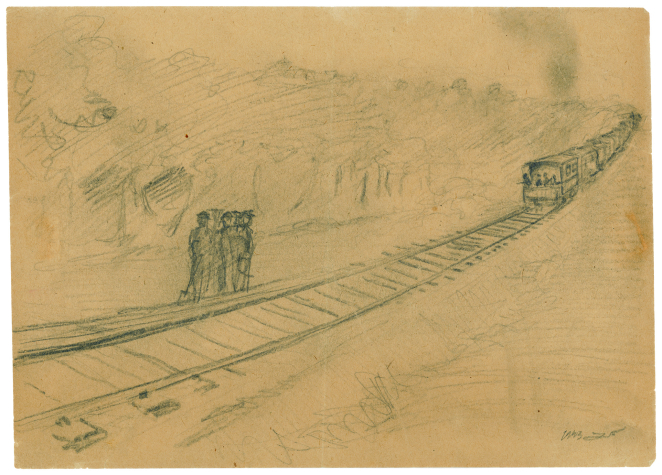
Drawing made on yellow paper with a pencil, a group of people around a forest, a train approaching visible
Original drawing caption: Transport went to Sobibór. We are standing near the track in railway uniforms.

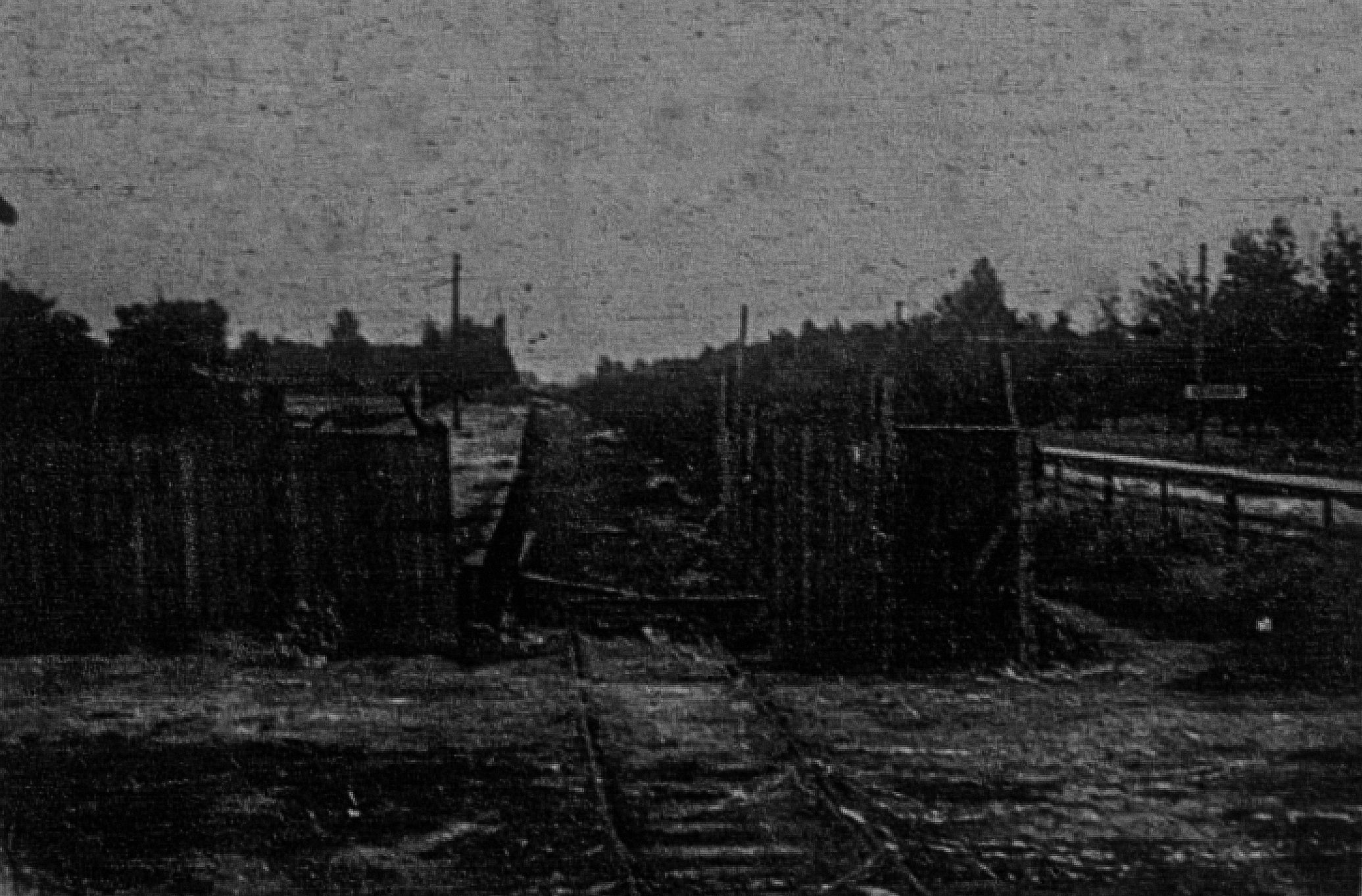
Richter’s drawing of the gate and fences of the extermination camp in Sobibór, and the photograph of the same place taken in 1944.

Drawings as Acts of Remembrance

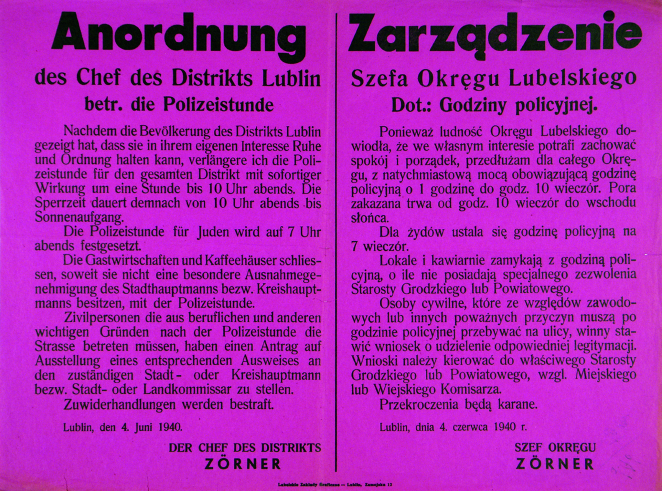
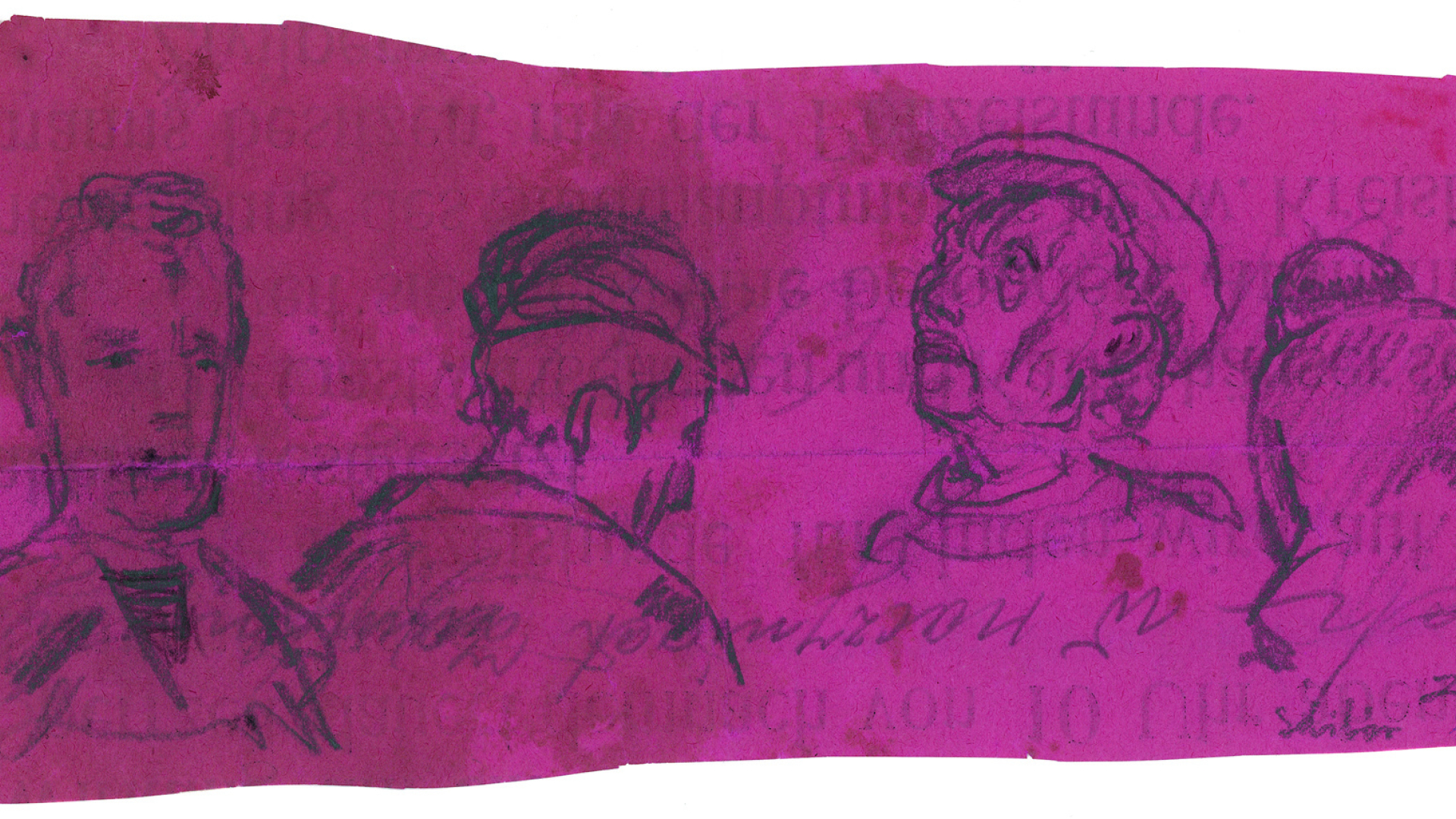
Some of the Richter’s drawings were made on newspapers or occupational proclamations. Their copies were also presented in the exhibition. The publishing dates of those materials confirm that Richter was still doing sketches in early 1944 – recreating from his memory the scenes he witnessed. Richter’s works are characterised with striking compassion and sensitivity towards the Holocaust victims. This genuinely humanistic perspective makes them a remarkable historical source.

Richter’s works are simple and concise, but they also reveal his familiarity with the drafter’s craft. Besides the very artistic value the drawings also bear a tremendous documentary value – giving insight into the looks of places and events, which we know only from scarcely preserved historical records. Richter’s drawings constitute a moving testimony to the Holocaust in the Lublin district.

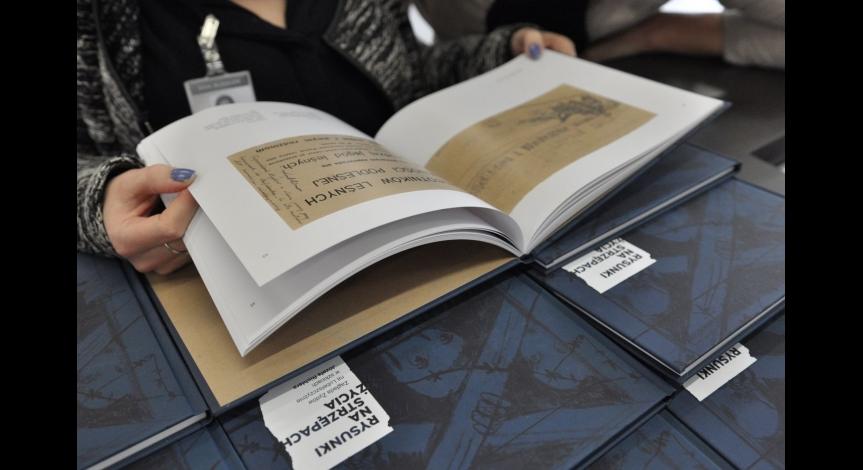
The exhibition is accompanied by a catalogue, which includes reproductions, caption transcripts, scans of newspapers and occupational proclamations on which Richter drew. The authors also prepared some texts regarding the sites represented in the sketches, and numerous testimonies connected to depicted events.

Leaflet in Polish and German, Order of the Head of the Lublin District regarding curfew, signed by District Head Zorner.
A drawing on a sheet of paper in a bright pink color. Four figures shown from the side and from behind, depicted from the waist up