Memory of the site

Photographs from the collections of the State Museum at Majdanek

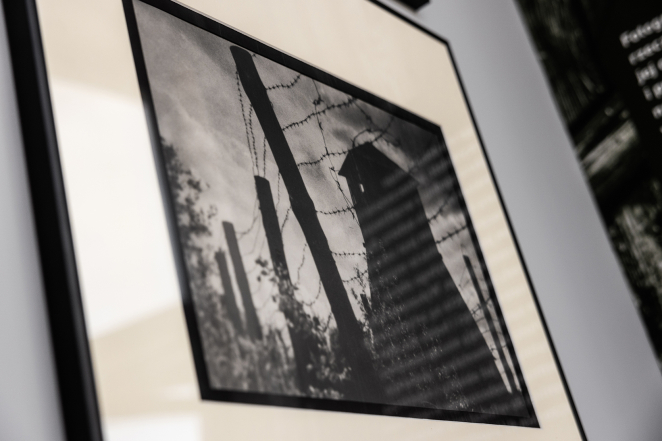
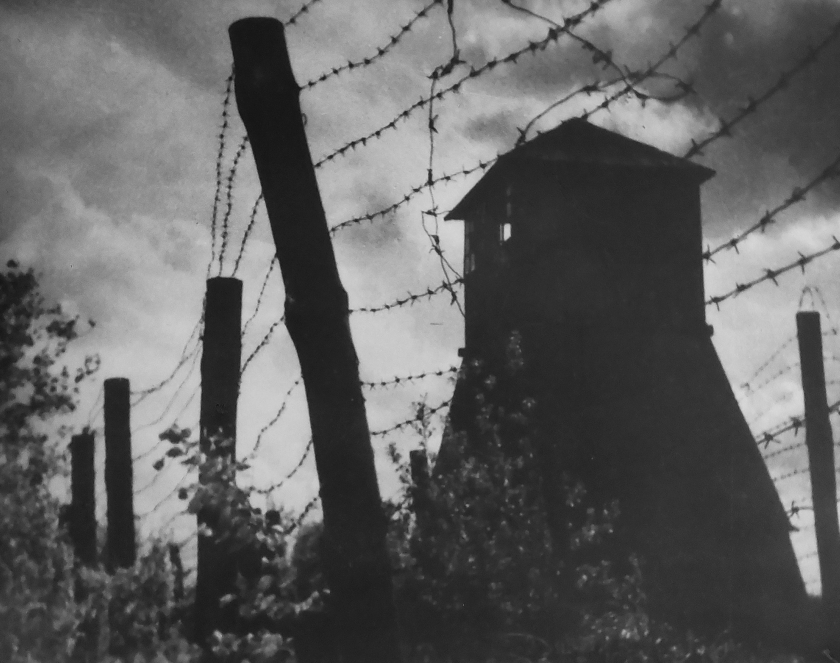
Black and white photo. A watchtower is visible on the right through the barbed wire. Leaves are visible on the right.
Photography captures reality and simultaneously portrays it in a way that reflects the author's sensitivity and personal viewpoint. The duality of this medium is especially apparent in the context of the former concentration camp site.

Important information

Temporary exhibition
  • Exhibition start date:03.05.2025
  • Place:State Museum at Majdanek
  • Curator:Marta Jabłońska, Anna Surdacka
  • Translation:Łukasz Mrozik
  • Artistic design:Izabela Tomasiewicz
  • Stylistic editing and proofreading of texts:Dorota Niedziałkowska
  • Photographers:Stanisław Butrym, Zdzisław Dados, Lucjan Demidowski, Jerzy Frąckiewicz, Zenon Harasym, Arnold Kramer, Patrick Poels, Wojciech Stan, Janusz Urban, Jan Urbanowicz, Włodzimierz Wróblewski

The photographs foster reflection on history, its transient nature, and the responsibility to preserve it. They serve as a reminder that Majdanek is not just a historical site but also a moral and emotional compass for us today.
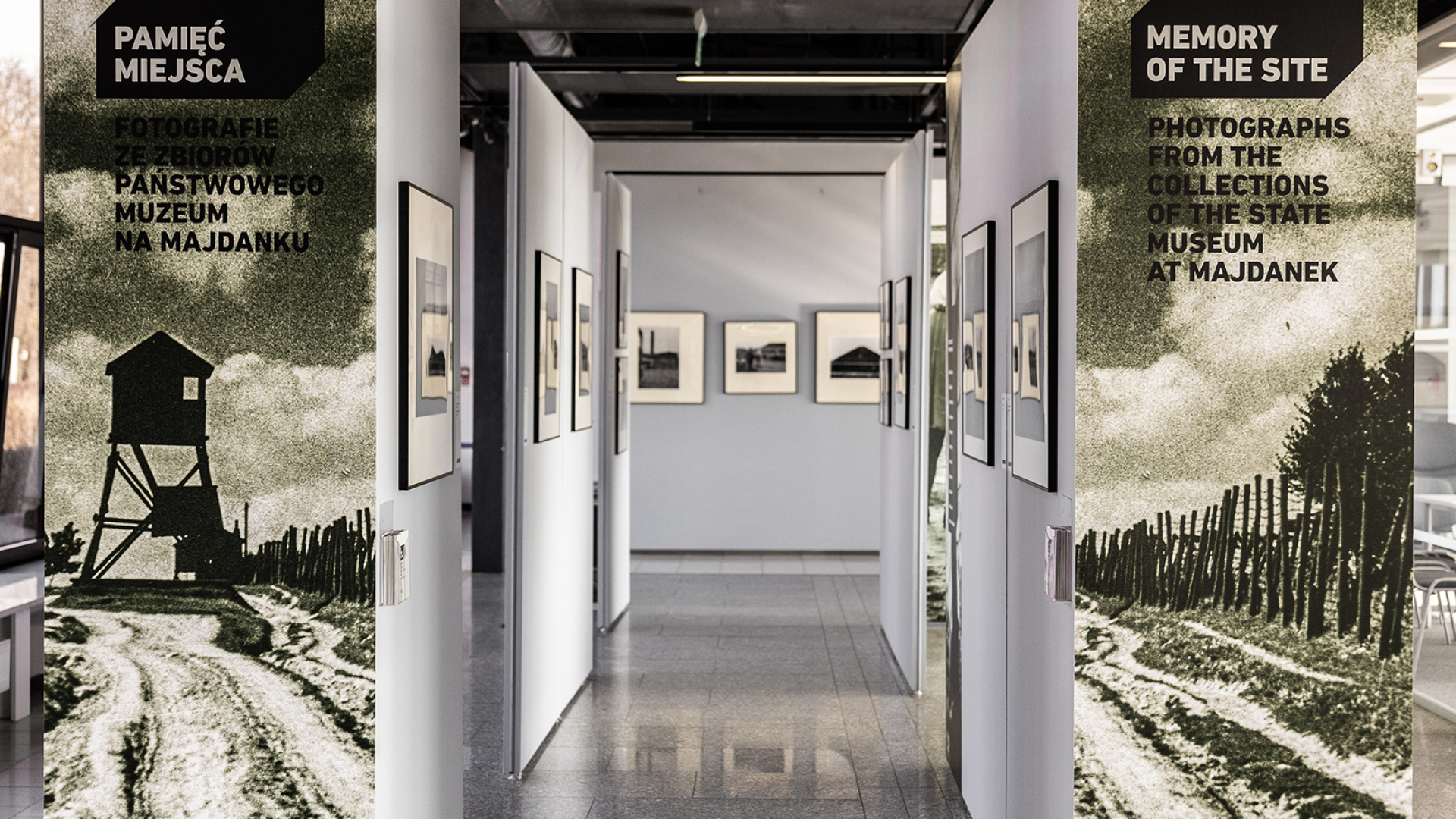
A view of the exhibition: a corridor formed by display panels on both sides, with photographs hanging on them. In the foreground, on the left and right, are the exhibition title panels. In the photo, on the left is a guard tower, and on the right is a barbed-wire fence.

Site

Photographs taken in this space are the artistic acts of remembrance and of paying homage to the victims. By directing their lenses at the remains of the camp barracks, barbed wires and observation towers, the photographers aimed to create a visual testimony that reflects a sobering atmosphere and prevailing utter silence. At the same time these photographs undoubtedly hold documentary value – they depict facilities that either have been destroyed or transformed, and even capture how the landscape changed after the war. They demonstrate how the memory of the site has evolved over time while retaining its symbolic dimension.

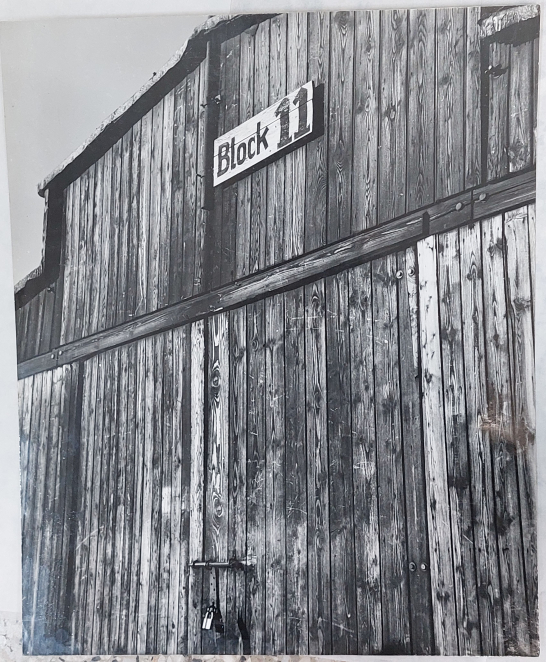
Black-and-white photograph, wooden wall of a barrack with a door. At the top, a sign with the inscription: Block 11.

Collection

The photography collection of the State Museum at Majdanek was initiated with the works of artists, who participated in the contests and exhibitions organised in the 1960s. Over time, they became one of the most essential part of the museum's collection that captures both the transformation of the site itself and how it was perceived by following generations of artists. As the collection expanded over decades, it now offers a rich insight into the changes in the post-camp landscape and ways of commemorating. It serves as a visual archive of emotions and remembrance. This tangible evidence shows that photography is not just a tool for documenting history but also a form of preserving memory that lasts forever.

Black and white photograph in a passe-partout and black frame
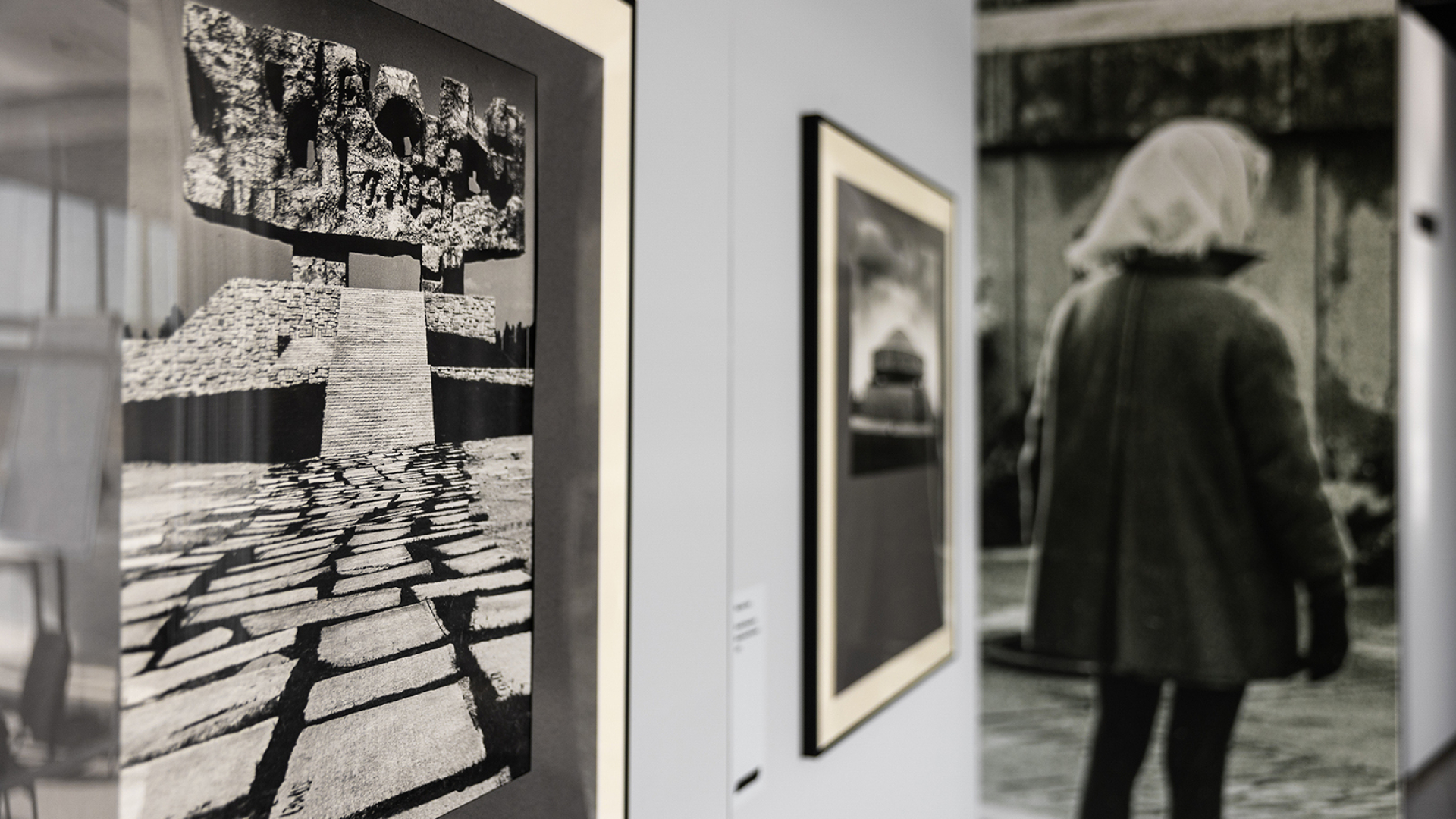
A view of the exhibition: on the left, a framed photograph of the gate-monument at Majdanek; next to it, a photograph of the mausoleum; in the background, a photograph of a girl with her back to the viewer, wearing a headscarf and a coat.

Among the presented frames, a distinctive place is taken by the works of creators from Lublin: people connected with the “Zamek” photo club and the “Plama” creative group. What makes their photographs stand out is their individual approach that combines elements of realism with poetic metaphor. For many of those artists, Majdanek was something more than just a theme of their work – it was a site for personal reflection on remembrance, history and humanity.

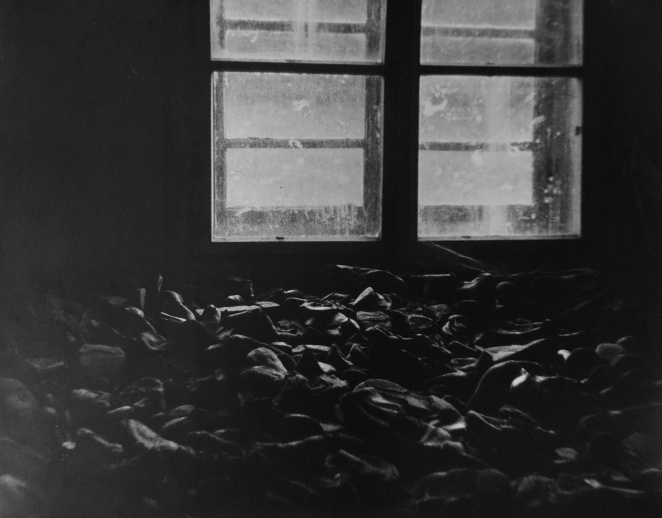
Black and white photo, pile of shoes in the background, double window