Spaces of the Holocaust: Majdanek, Bełżec, Sobibór

Spaces of the Holocaust: Majdanek, Bełżec, Sobibór
The exhibition describes the history of three German camps that functioned in the Lublin district during World War II, as well as their post-war transformation into museums and memorials.

Important information

Temporary exhibitionArchival
  • Exhibition date:19.02.2025 - 31.12.2025
  • Place:Kamp Westerbork Memorial, the Netherlands / 02.2025 – 29.04.2025; Bergen–Belsen Memorial, Germany / 29.04.2025 – 22.09.2025; State Museum at Majdanek / 07.10.2025 – 31.12.2025
  • Curator:Łukasz Mrozik, Magdalena Petruk
  • Translation:LINGWAY s.c.
  • Language version:English, German
  • Artistic design:Ewelina Kruszewska

The exhibition and its catalogue were prepared as part of the broad project under the same title. It was fulfilled within the Young People Remember International programme financed by the German Ministry of Foreign Affairs through the EVZ foundation.
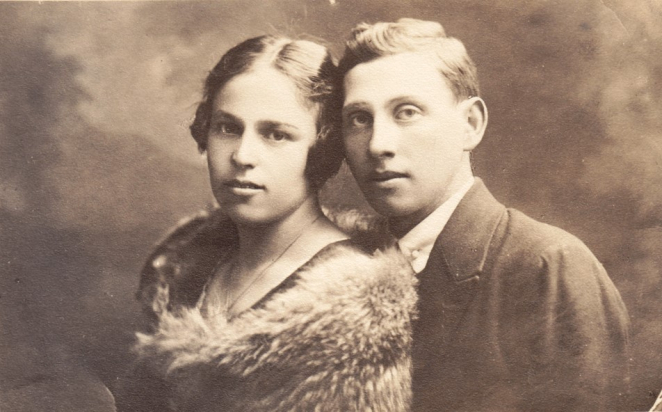
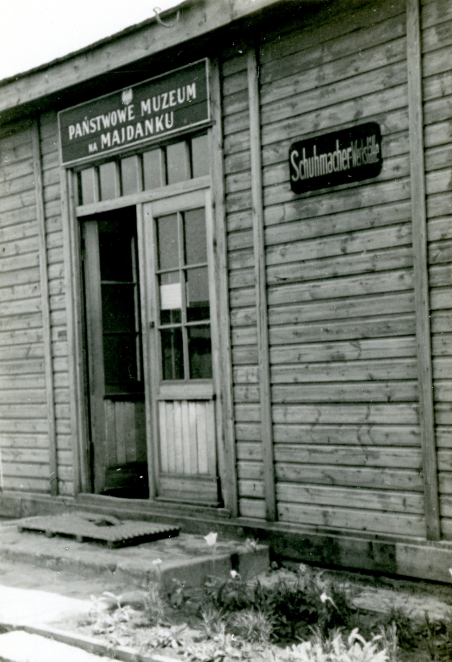
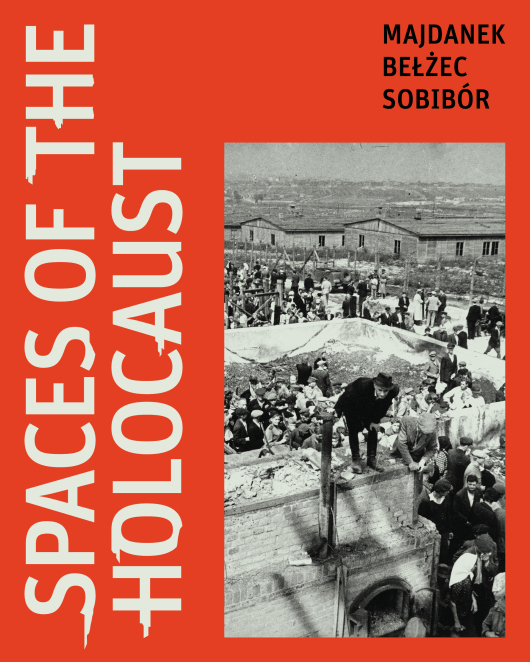
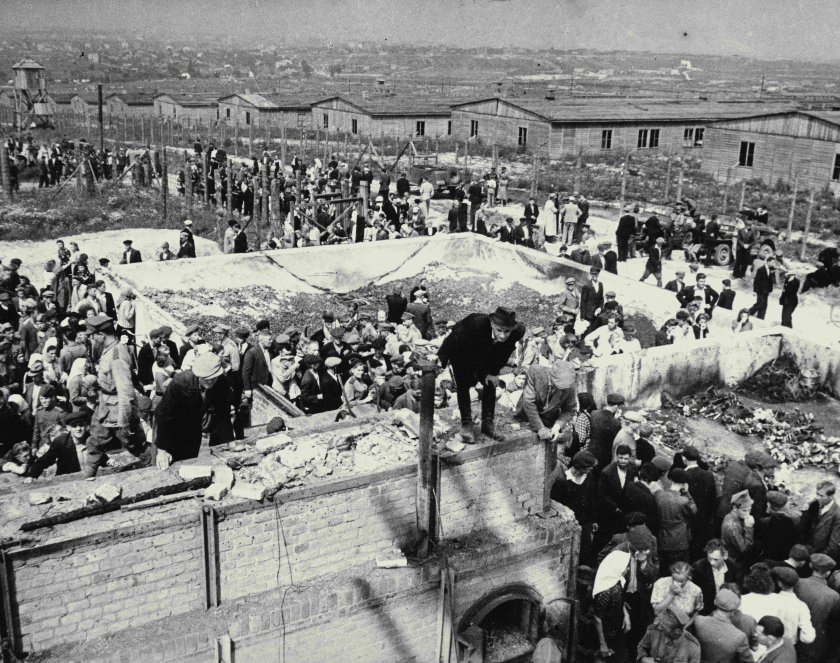
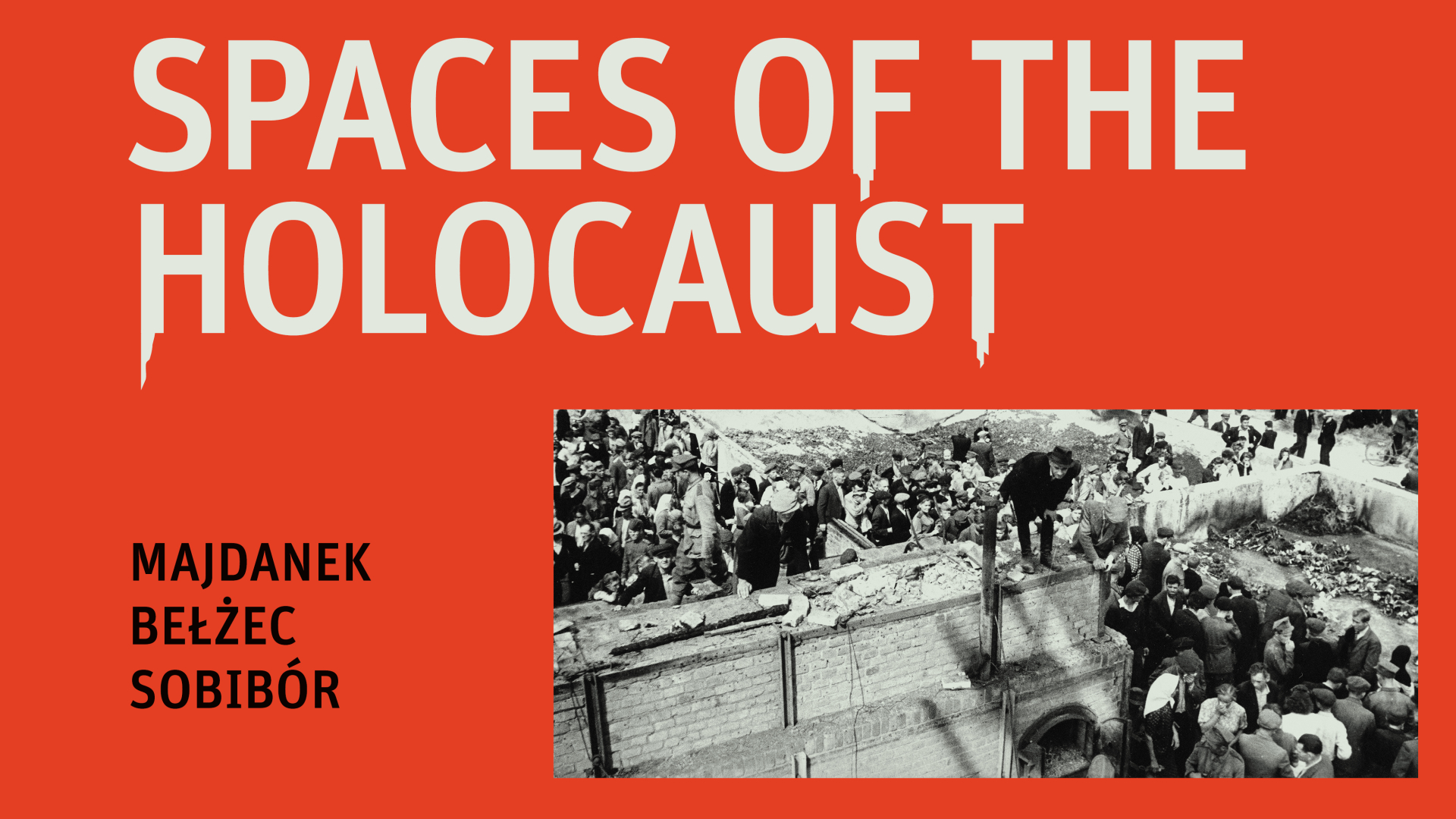
Image. Against a red background, the text “Spaces of the Holocaust” appears at the top; below it, on the left, are the words: Majdanek, Bełżec, Sobibór; on the right is a black-and-white photograph showing the crematorium building and a crowd of people.

History and Memory

As facilities of immediate extermination of Jews, Majdanek, Bełżec, and Sobibór were the crucial elements of the "Final Solution to the Jewish Question". Although the Holocaust dominates in the exhibition content - as the aspect that connects the three titular sites - its scope goes beyond that fraction of World War II history. The authors also describe the broad and regional context for the persecution of Jews in German-occupied Poland, the role of Lublin in the Nazi terror policies as well as the fates of Poles imprisoned at Majdanek. Each section devoted to a specific camp additionally contains information about their transformation into memorials, which today function under the auspices of the State Museum at Majdanek.

Chaja and Hirsz Schagrin, as well as their five children (Goldi, Helena, Gitlie, Tobi, Naftali) were deported to Bełżec from Nowy Sącz in September 1942. Their sixth child, Leon Schagrin, survived several camps including Auschwitz, and became an advocate of the Holocaust history in the USA.

Worlds' First Post-camp Museum

The State Museum at Majdanek was established in 1944, but today it encompasses three memorials: Majdanek, Bełżec, and Sobibór. They are not only formally connected within the institutional structure, but also historically as German extermination camps. Thus, they constitute a unique Triad of Remembrance, which documents the history of Nazi crimes, commemorates their victims, and protects the post-camp grounds - the eponymous Spaces of the Holocaust.

The first seat of the State Museum at Majdanek in barracks no. 62, 1944.
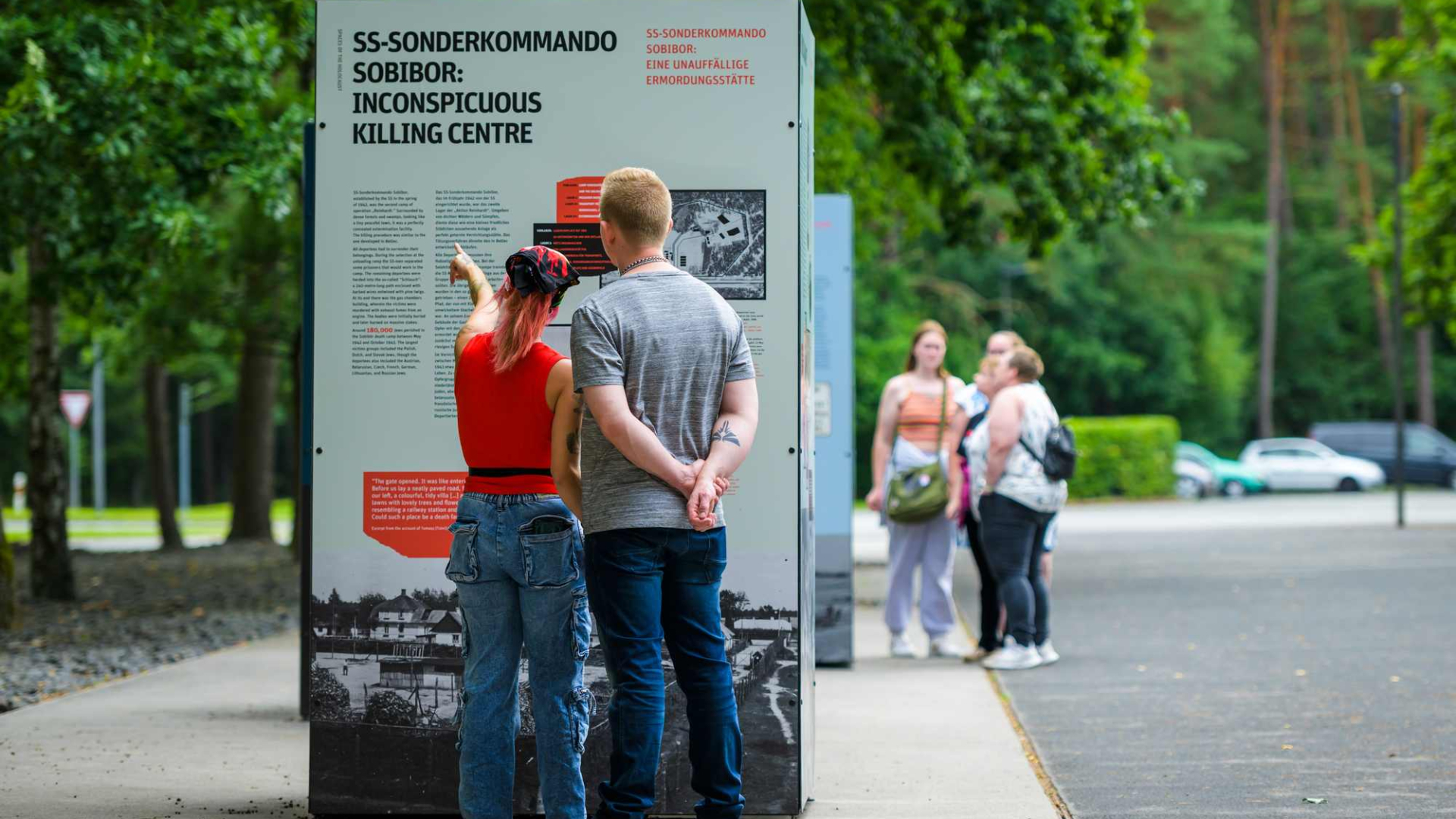
A contemporary photo: an outdoor exhibition is set up on the sidewalk along the street; two people—a woman and a man—are standing with their backs to the photographer, looking at the exhibition panels; the woman is pointing at the text. A group of people is in the background.
Visitors at the exhibition presented in the Bergen-Belsen memorial.

Exhibition Aim

The exhibition has been prepared in the English-German language form, and was presented in the Netherlands, Germany, and Poland. A special educational programme was also created on the basis of its contents, which was applied in cooperation with schools and partner institutions in each country. through this project we wanted to raise awareness about the tragic history of thousand of victims that suffered and perished at Majdanek, Bełżec, and Sobibór - especially among the public outside Poland. We also attempted to encourage the youth to visit the actual memorial sites in the future.

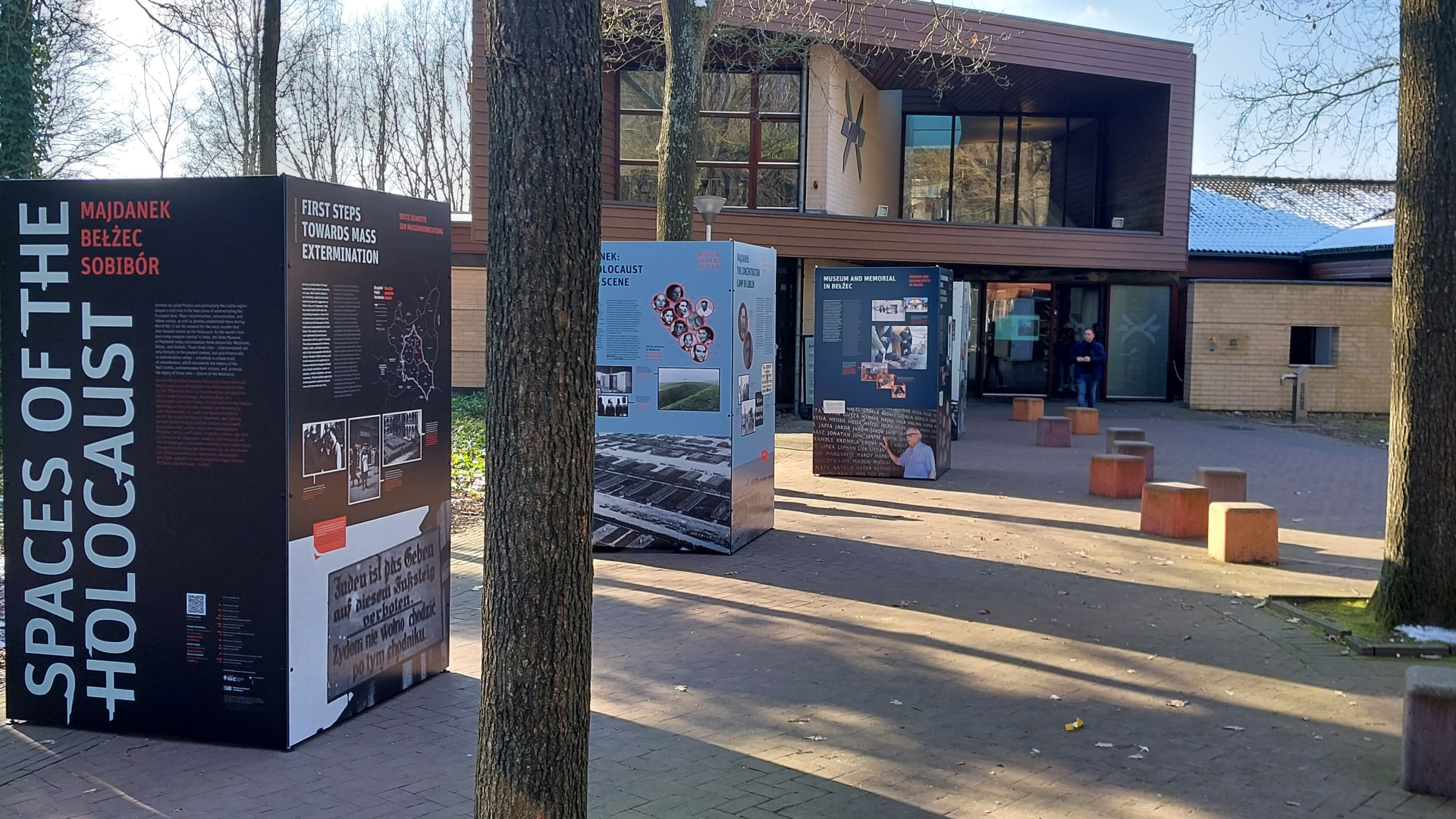
A contemporary color photograph showing an outdoor exhibition on the left and a modern, glass-walled museum building in the background.
Exhibition at the Kamp Westerbork memorial and education centre in the Netherlands.

The exhibition was accompanied with a print and on-line catalogue as well as a series of clips which focused on various historical aspects of the three titular sites.

Learn more