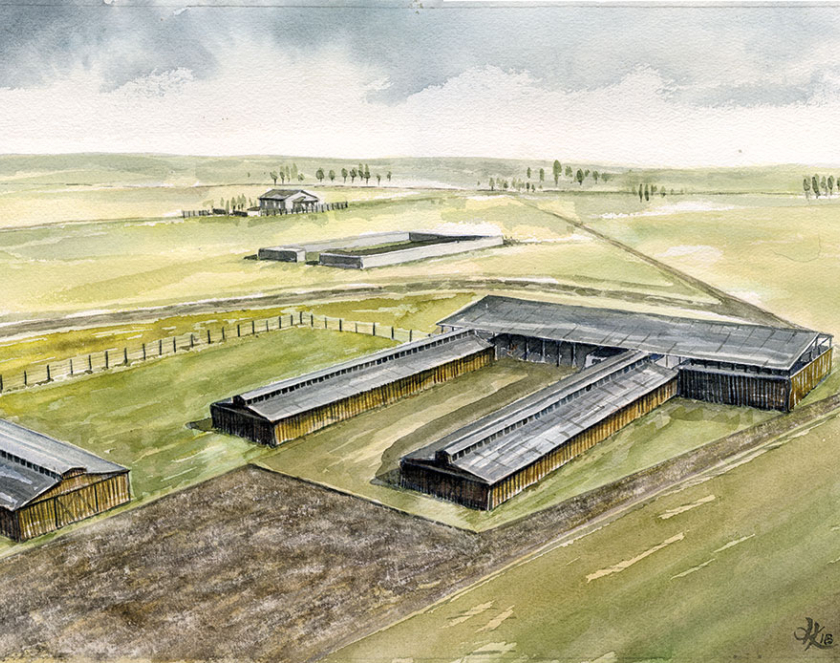
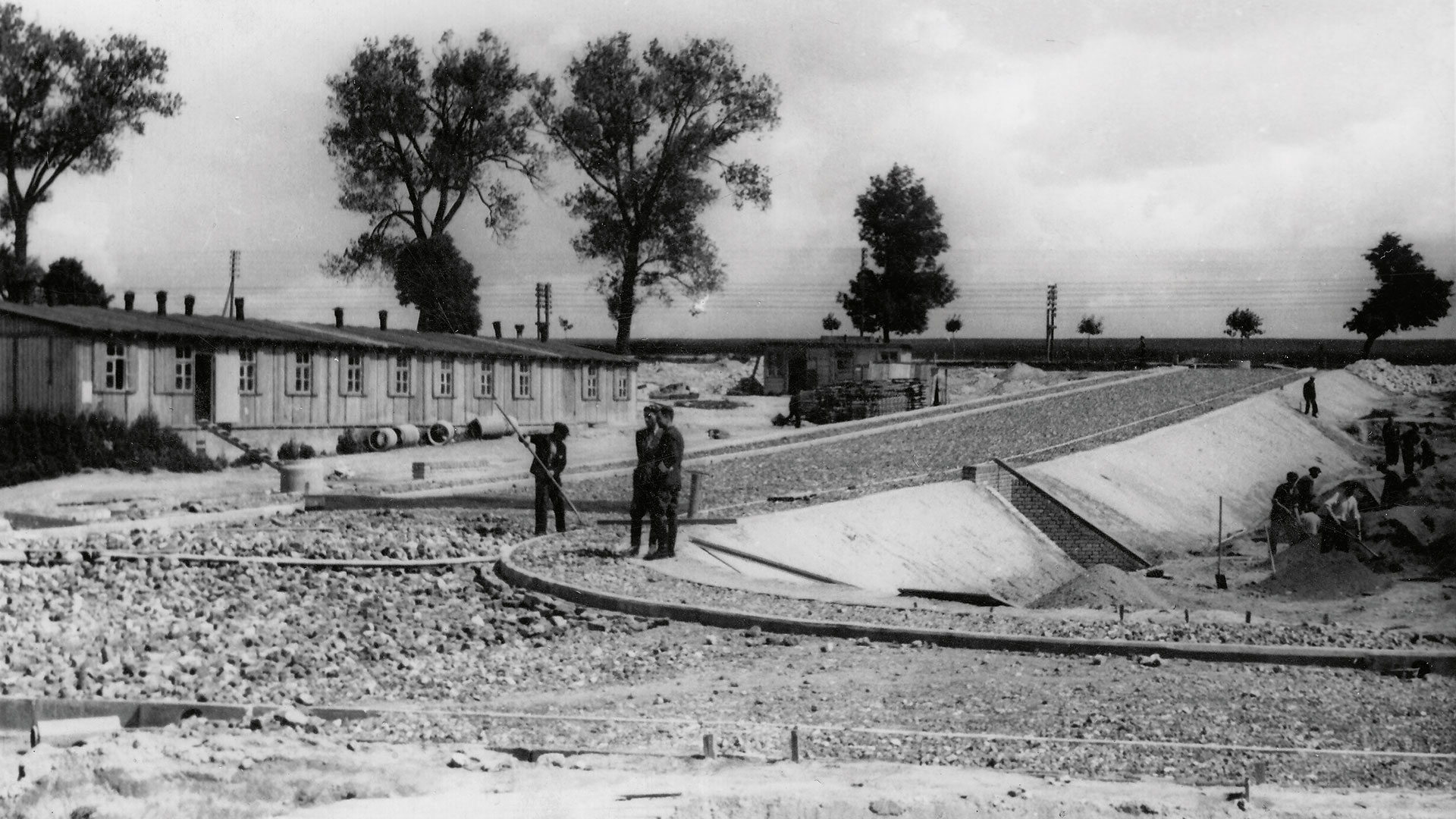
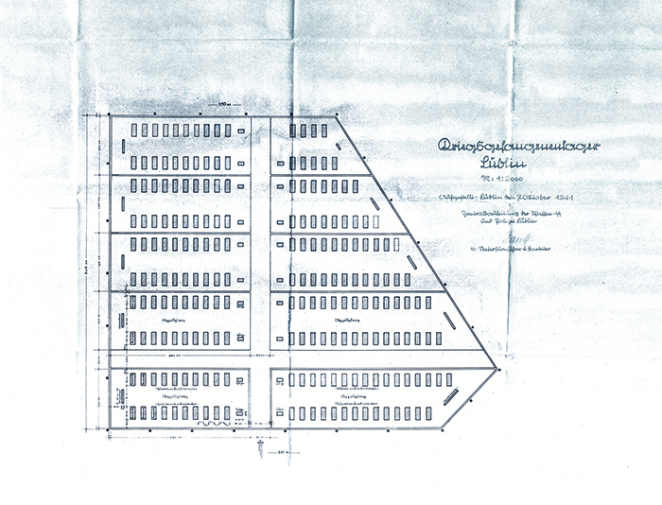
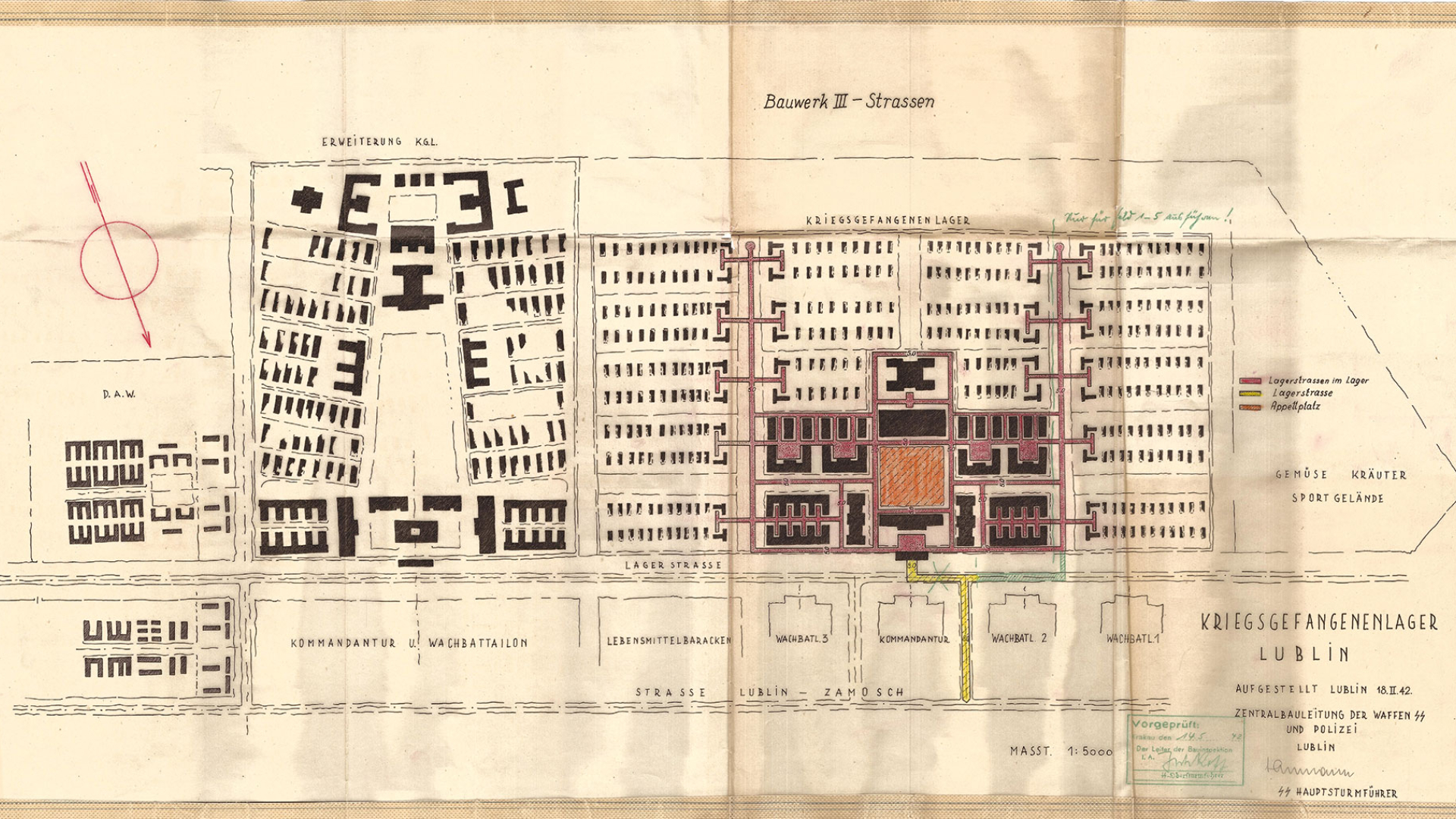
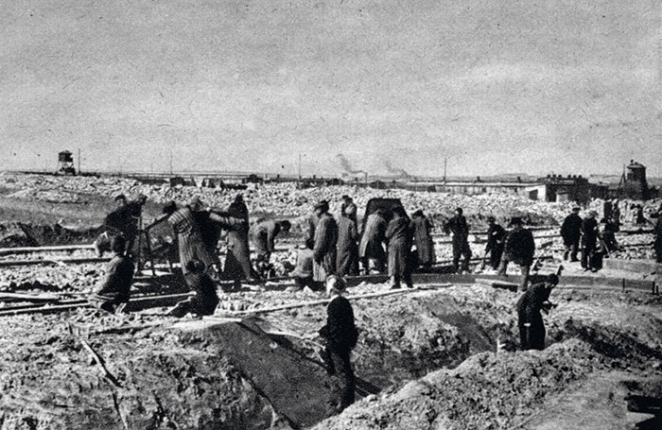
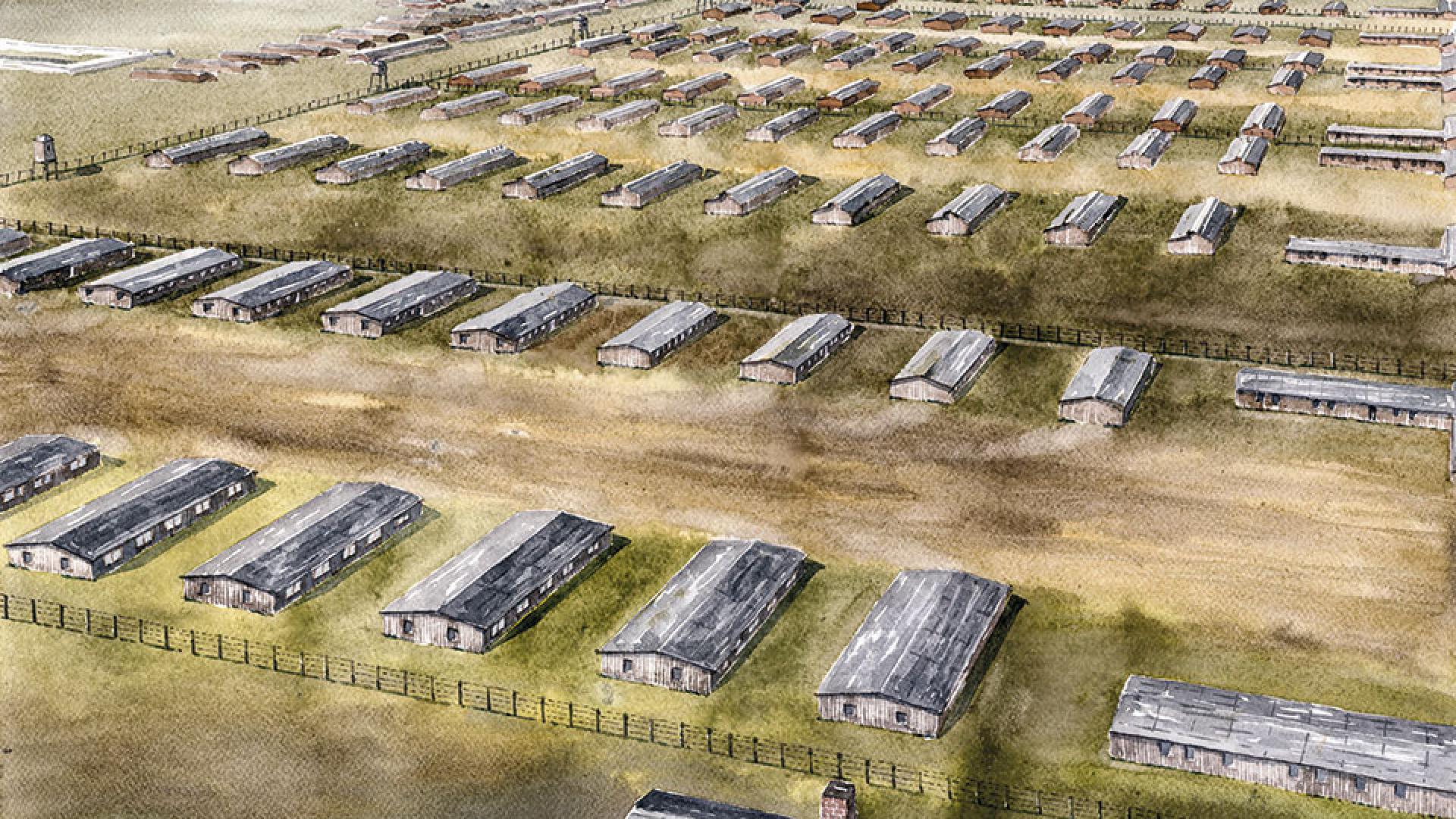
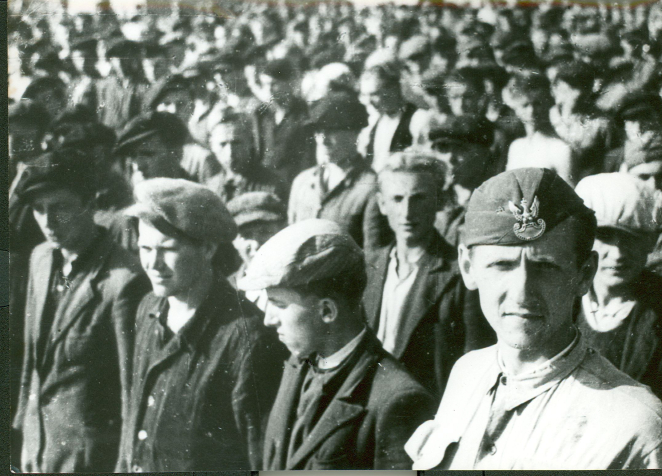
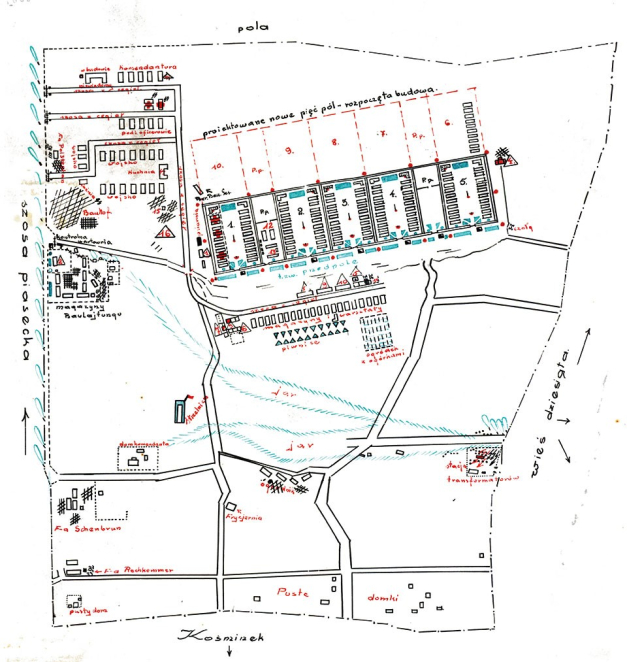
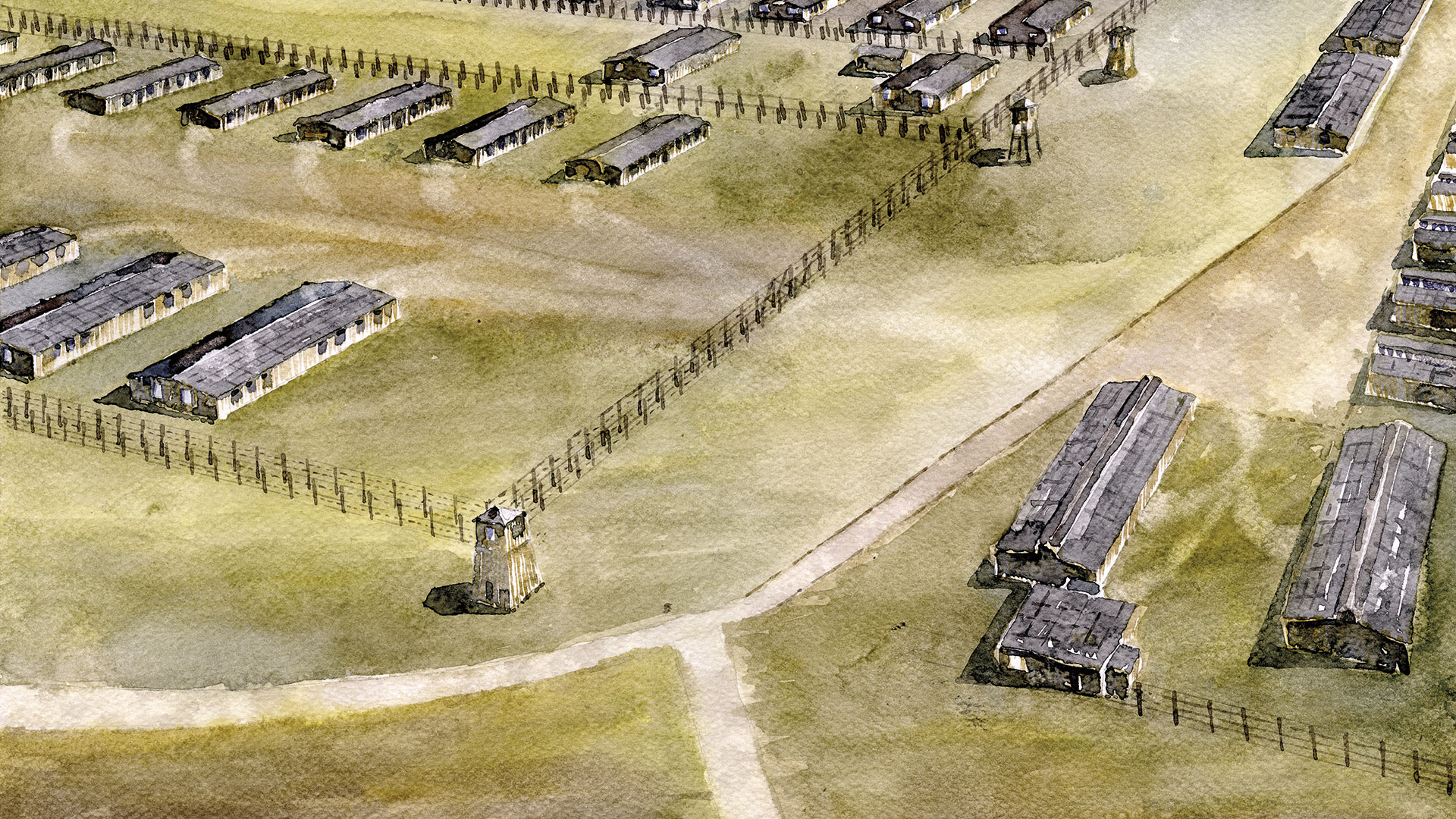
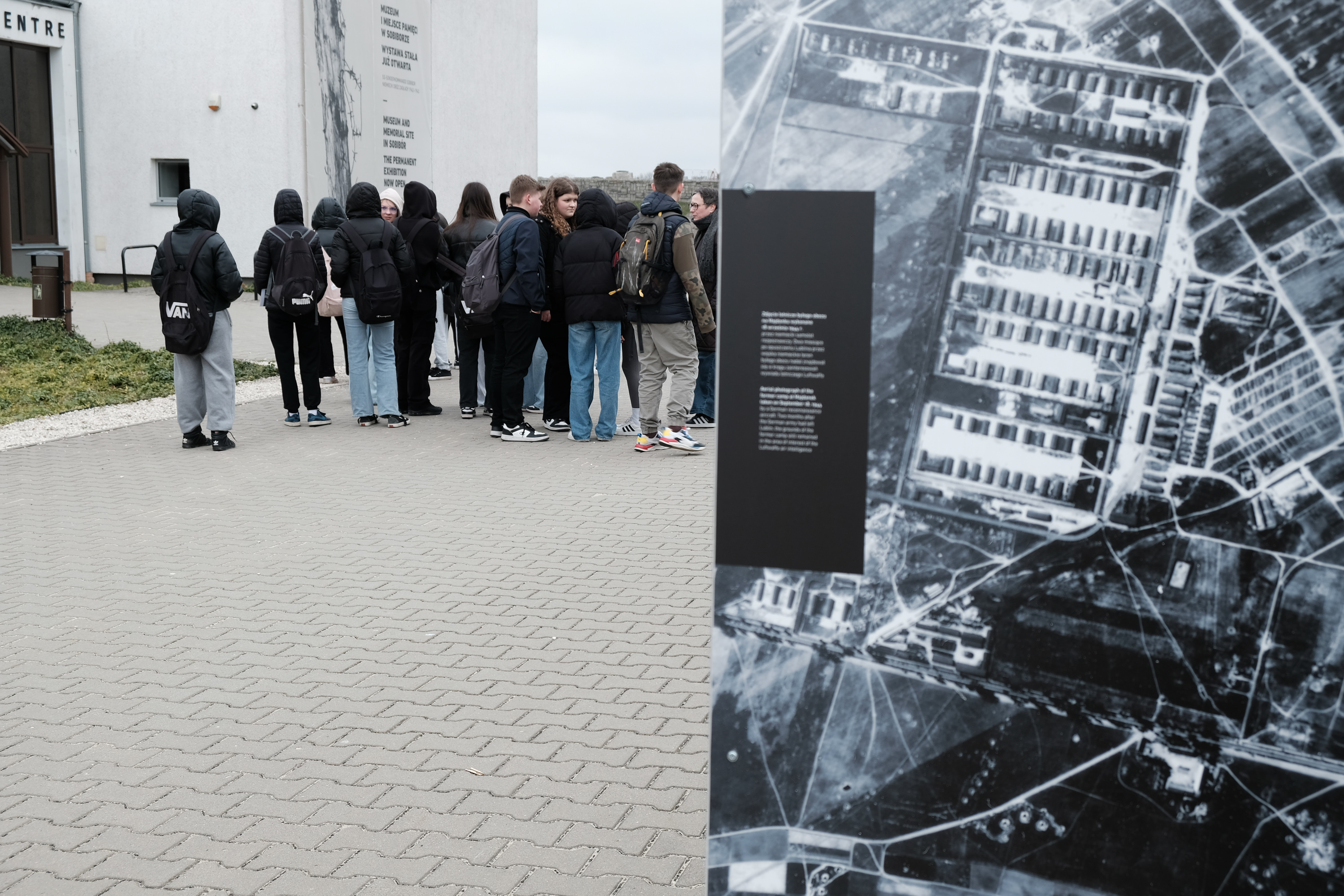
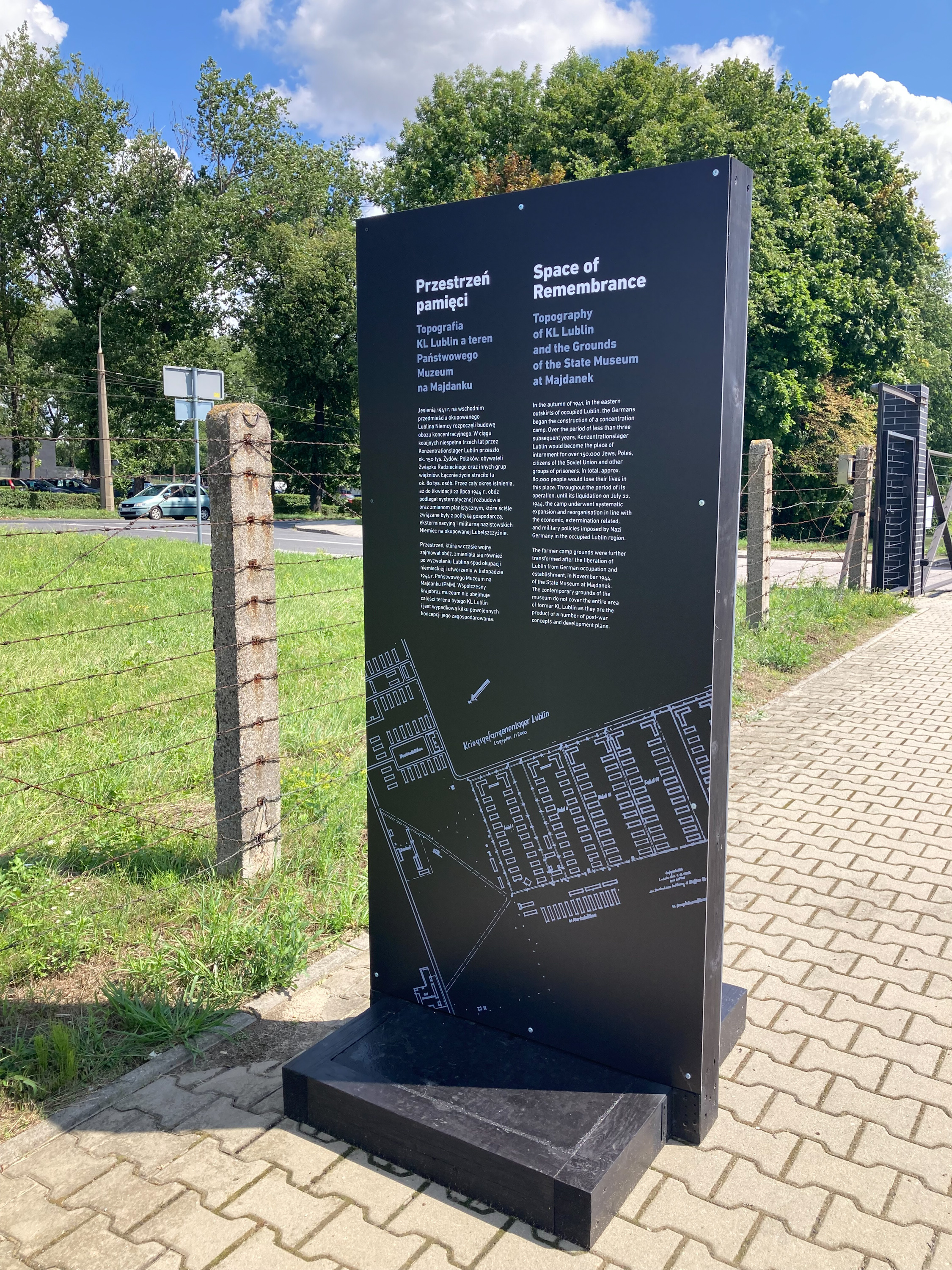
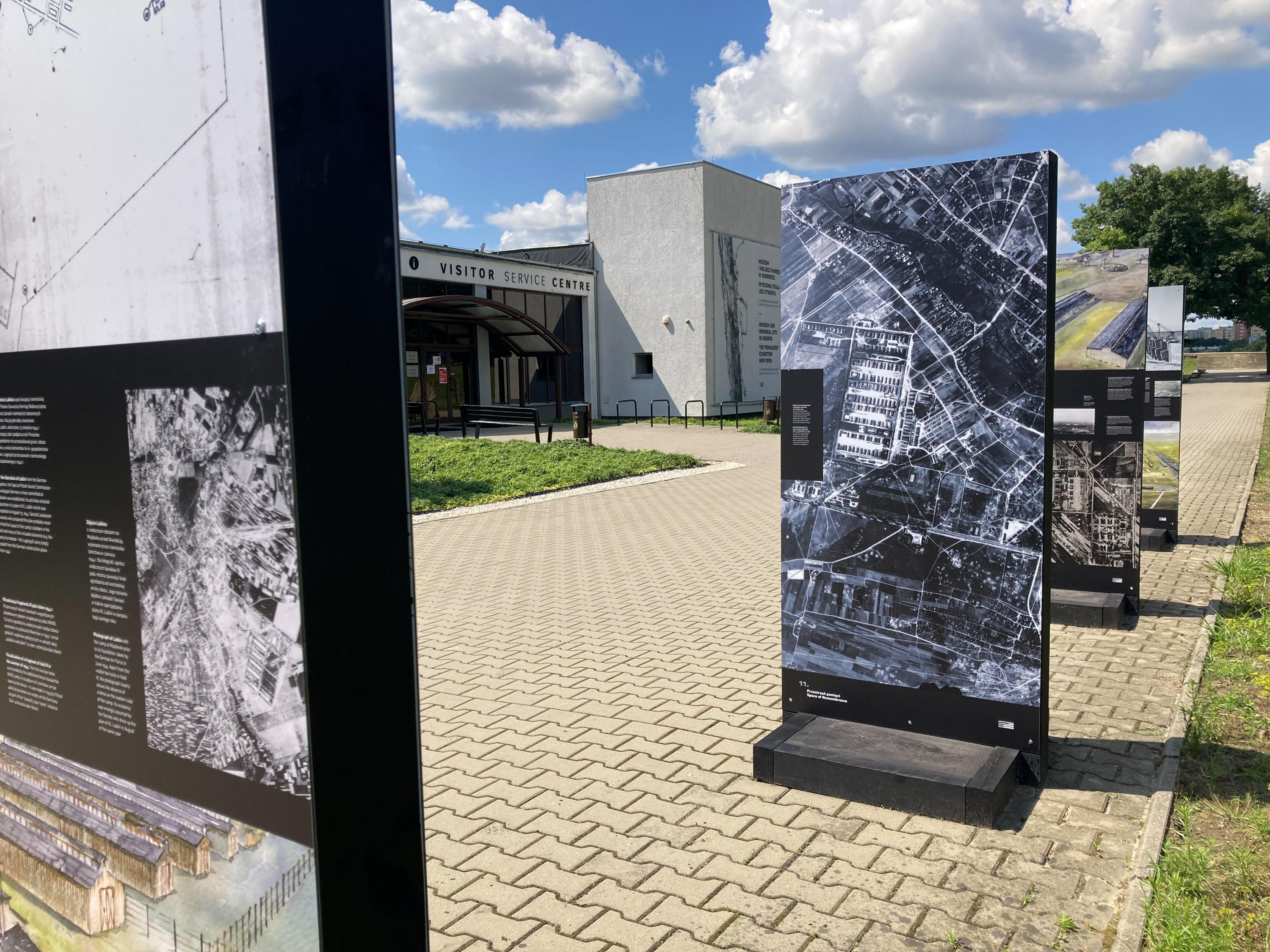
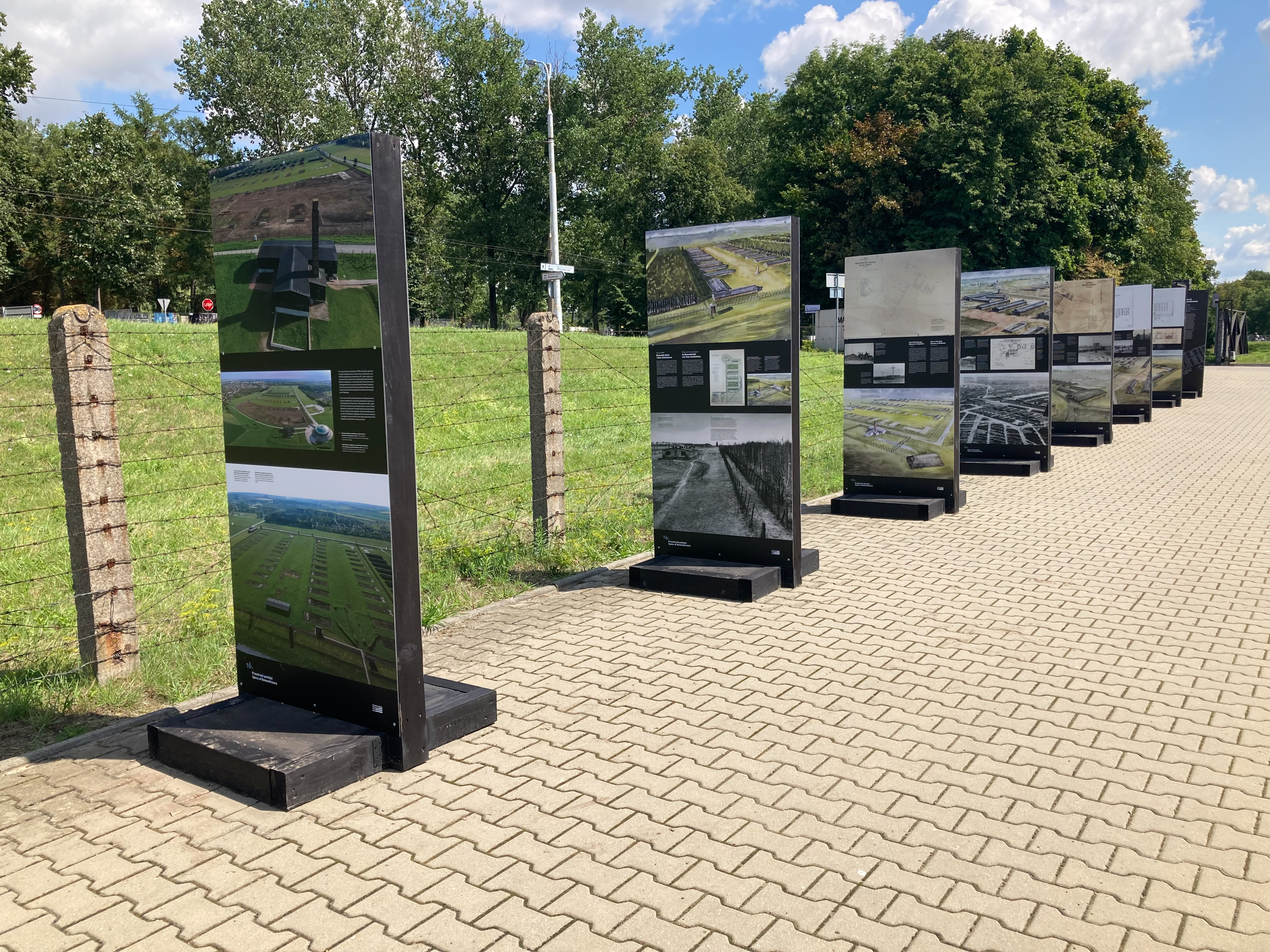
The space occupied by the camp during the war also changed after the evacuation of the SS personnel and the liberation of Lublin from German occupation. From the summer of 1944 to the summer of 1946, units of the Polish People's Army were stationed in the prisoner field I. At the beginning of August 1944, the Soviets established an NKVD filtration camp on the former field III, where they detained the compromised Home Army and Peasant Battalions soldiers. After several weeks of internment at Majdanek, most of them were transported deep into the Soviet Union. In November 1944, the State Museum at Majdanek began its activity. The contemporary landscape of the Museum does not cover the entire area of the former KL Lublin and is the result of several post-war concepts for its development. According to the first plan from 1948, the prisoner field III was to serve as a place of remembrance of nations, while the damaged barracks in the other fields were demolished. Fields I, II, IV and part of V were reforested, creating the Forest of Remembrance. The 1961 land development plan involved the removal of trees that adversely affected the historical landscape. In their place, the outlines of the barracks were recreated. In 1976, construction of a municipal cemetery began on the farmland adjacent to the Museum on the eastern side.