Voices That Never Fall Silent

Voices That Never Fall Silent
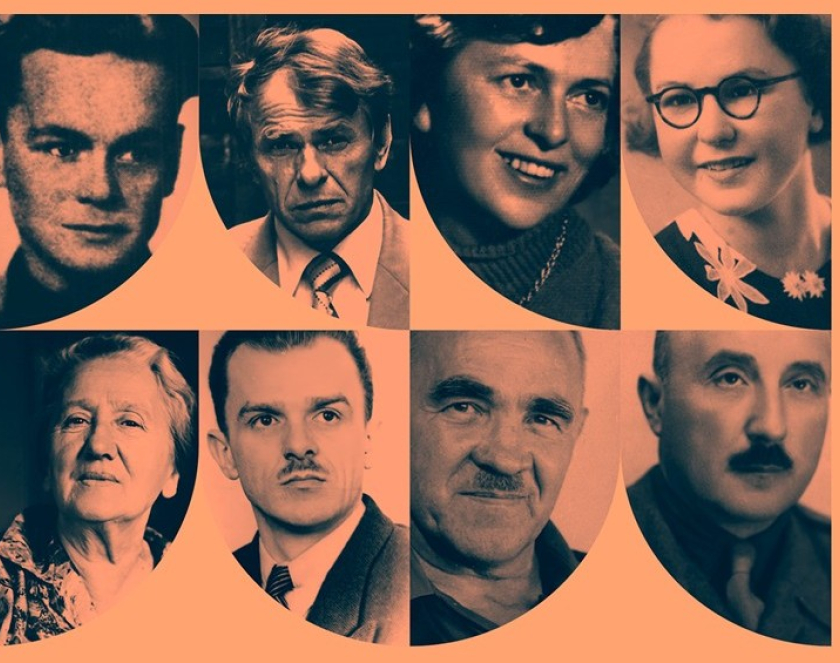
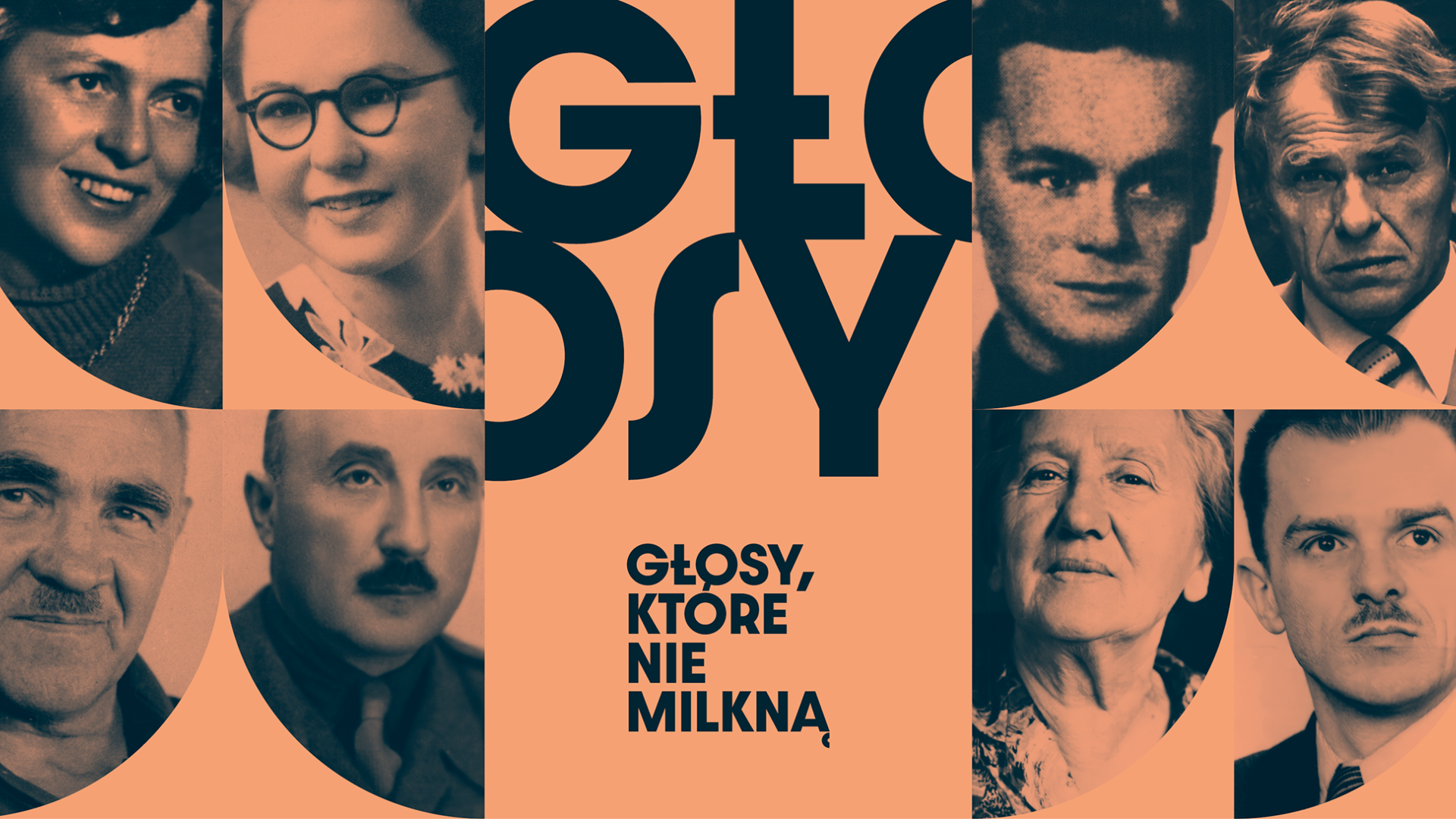
The exhibition focuses on the biographies of eight former prisoners of Majdanek. Their fates trace the outline of wartime experience from different perspectives: women and men, mature adults and teenagers, trained soldiers and civilians who attempted to resist the German occupier. What united them was various forms of underground activity, the hardship of camp life, and the desire to set their wartime stories down on paper.

Important information

Temporary exhibition
  • Exhibition start date:23.08.2026
  • Place:State Museum at Majdanek
  • Curator:Marta Grudzińska, Magdalena Petruk
  • Translation:Agnieszka Burnus-Bogusz
  • Language version:Polish, English
  • Artistic design:Izabela Tomasiewicz
  • Stylistic editing and proofreading of texts:Dorota Niedziałkowska, Łukasz Mrozik

The central figures of the exhibition include: Danuta Brzosko-Mędryk, Jerzy Kwiatkowski, Stefania Perzanowska, Jadwiga Ankiewicz, Bolesław Burski, Zacheusz Pawlak, Jan Michalak, and Andrzej Stanisławski.
Voices of Survivors

Written secretly in the camp, recorded just after the war, or kept silent for years before being put to paper decades later — these are the accounts of Majdanek's prisoners. It is thanks to the determination and inner strength of these individuals to "relive" the camp once more through their memories that their voices, preserved on the pages of diaries and testimonies, have survived to this day — and will endure for as long as future generations continue to pass them on.

Stefania Perzanowska:

"Perhaps no experiences are as powerful as those from the camp grounds. While writing this book, I wondered whether it would speak — whether it would speak to everyone. To my former camp companions, to schoolchildren and university students, to the ordinary, average reader. […] Because this book is not pessimistic, because it sustains faith in humanity, I think even young people can read it. […] I believe this truth should be documented through our writing — however amateur mine may be."

Books

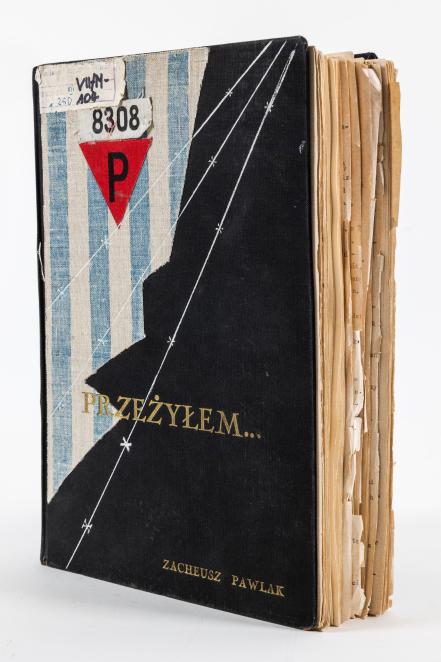
The memoirs written by the exhibition's subjects over the years were developed by the State Museum at Majdanek, freed from censorship, enriched with new material (including private photographs, documents, and QR codes linking to video testimonies), and published in print. Thanks to cooperation with the Prószyński Media publishing house, the voices of former prisoners of this German concentration camp can now reach a wide audience.

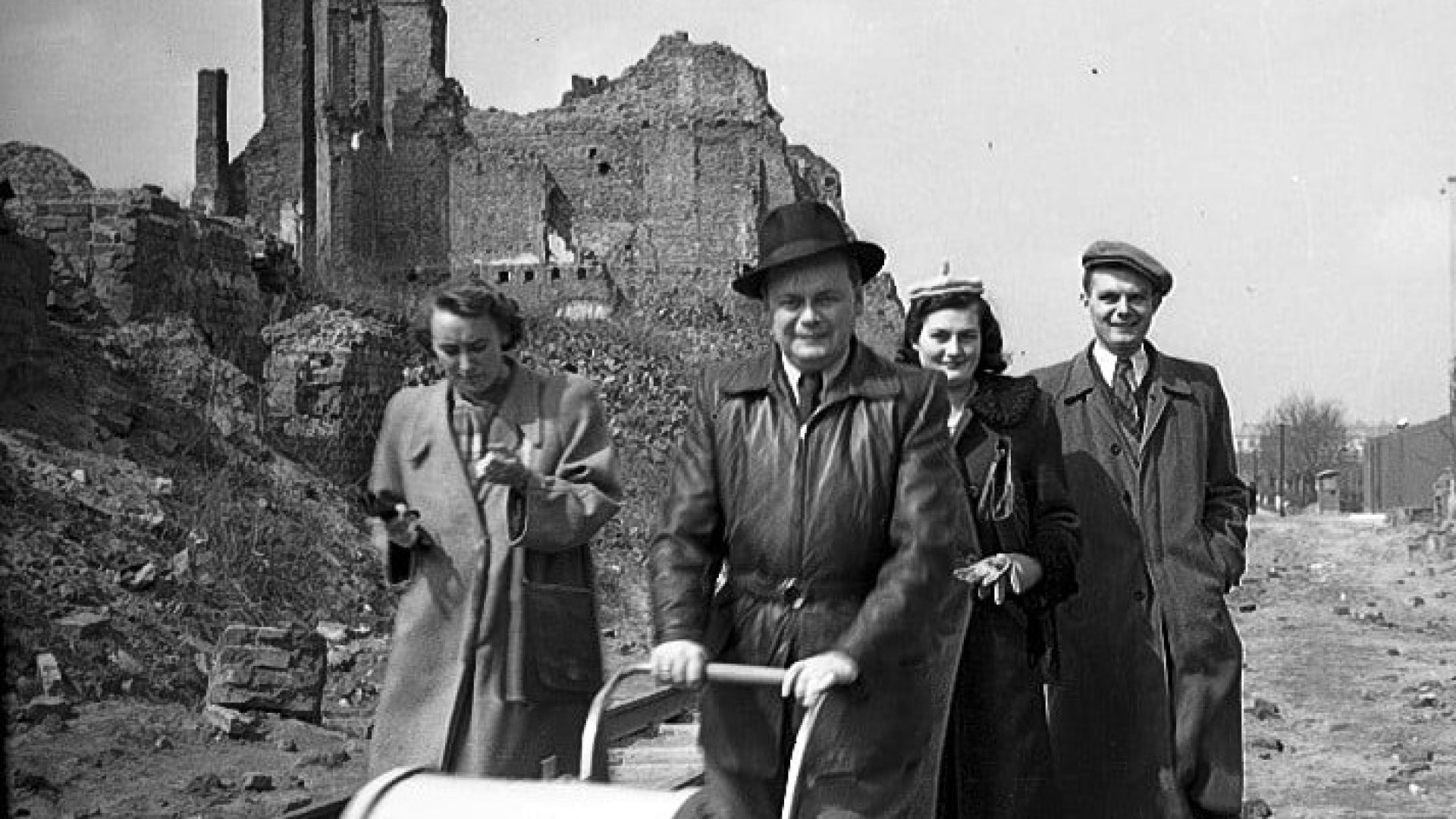
chrzcin pierwszego syna, Warszawa, 1949/1950 r. Jan Michalak (wearing a hat), a commemorative photograph taken on the occasion of the christening of his first son, Warsaw, 1949/1950.

Exhibition Details

The main axis of the exhibition consists of the survivors' biographical profiles, illustrated with photographs from family collections, documents, and excerpts from the accounts they wrote. Display cases present typewritten memoirs as well as camp-related and personal artefacts, such as: medicines, objects made by prisoners in the camp, secret letters, and personal belongings. Mounted screens display video testimonies from specific individuals, as well as material about Dr. Stefania Perzanowska prepared by the European Network Remembrance and Solidarity.

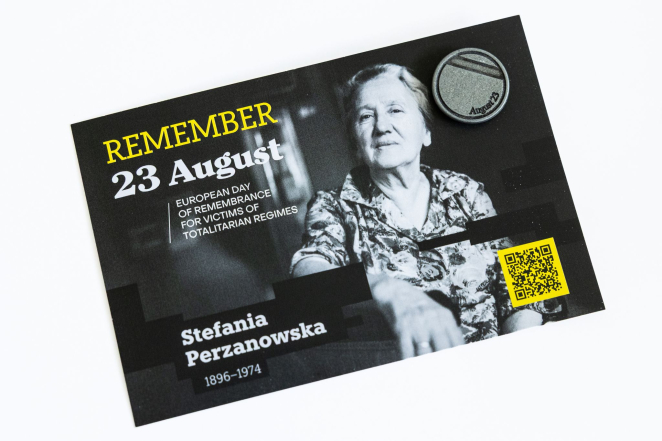
The exhibition was created in connection with the observance of the European Day of Remembrance for Victims of Totalitarian Regimes, which falls 23 August 23. On that day in 1939, Nazi Germany and the Soviet Union signed a non-aggression pact. The secret protocol containing information on plans to partition Polish territory in September 1939 was signed in Moscow by the foreign ministers of both states, Joachim von Ribbentrop and Vyacheslav Molotov. The exhibition is part of a social and educational campaign run by the European Network Remembrance and Solidarity under the slogan "Remember. August 23," which highlights the fates of people affected by the terror of 20th-century totalitarianisms. In 2026, one of the campaign's featured figures is Stefania Perzanowska.