83rd Anniversary of Transports with the First Polish Political Prisoners to Majdanek

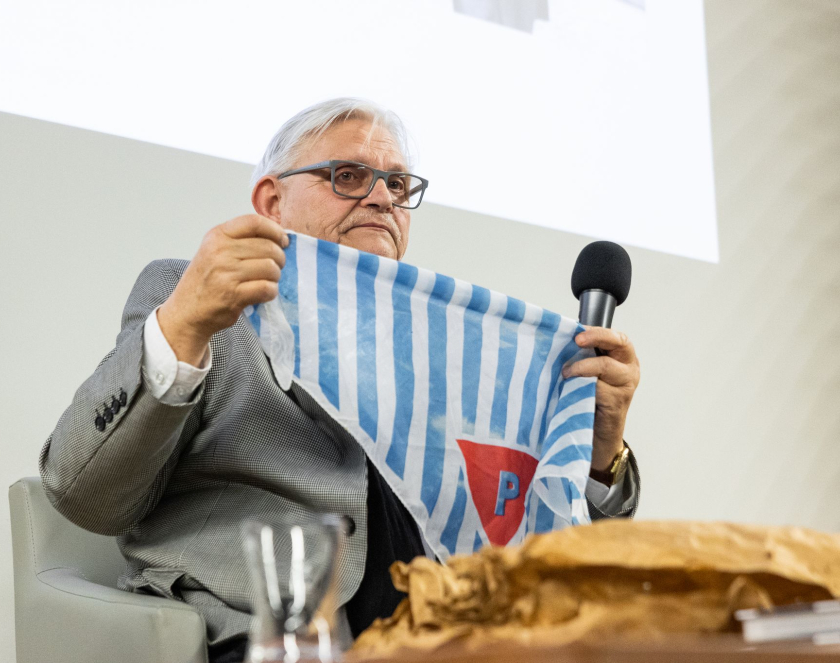
A grey-haired man is holding a white and blue striped scarf with a red triangle and the letter P on it.
In January 1943, the Germans sent the first Poles from prisons in the General Government to Majdanek. Within a month, they deported nearly 5,000 women and men from Radom, Częstochowa, Kielce, Piotrków Trybunalski, Skarżysko-Kamienna and Warsaw. Among them was Ryszard Gawełek, to whose memory we dedicated our event on 16 January.

We welcomed Anna Wyroślak and Tomasz Gawełek to the Museum. During the meeting, they shared their memories of their father, Ryszard Gawełek, who was sent to Majdanek at the age of fourteen. The Germans arrested him because of the Gawełek family's involvement in the resistance movement. Beaten and tortured in the Gestapo prison in Radom, he never revealed the names of other people involved in the underground resistance against the occupiers. He survived the hell of Majdanek, Gross-Rosen and Mauthausen-Gusen, where he was liberated in May 1945.
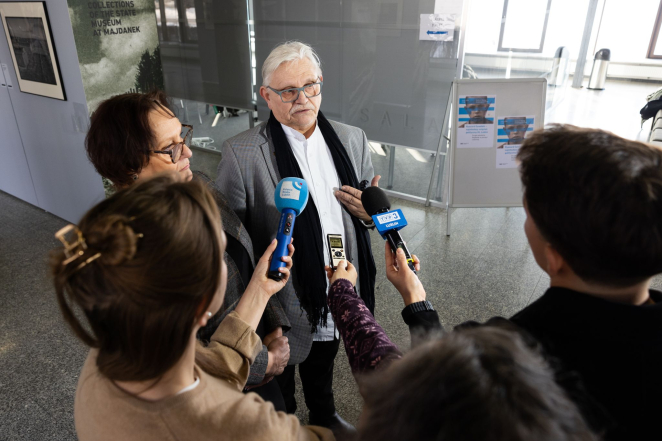
A group of people, an elderly woman and an elderly man, are being interviewed by Polish Radio Lublin and TVP 3 Lublin.

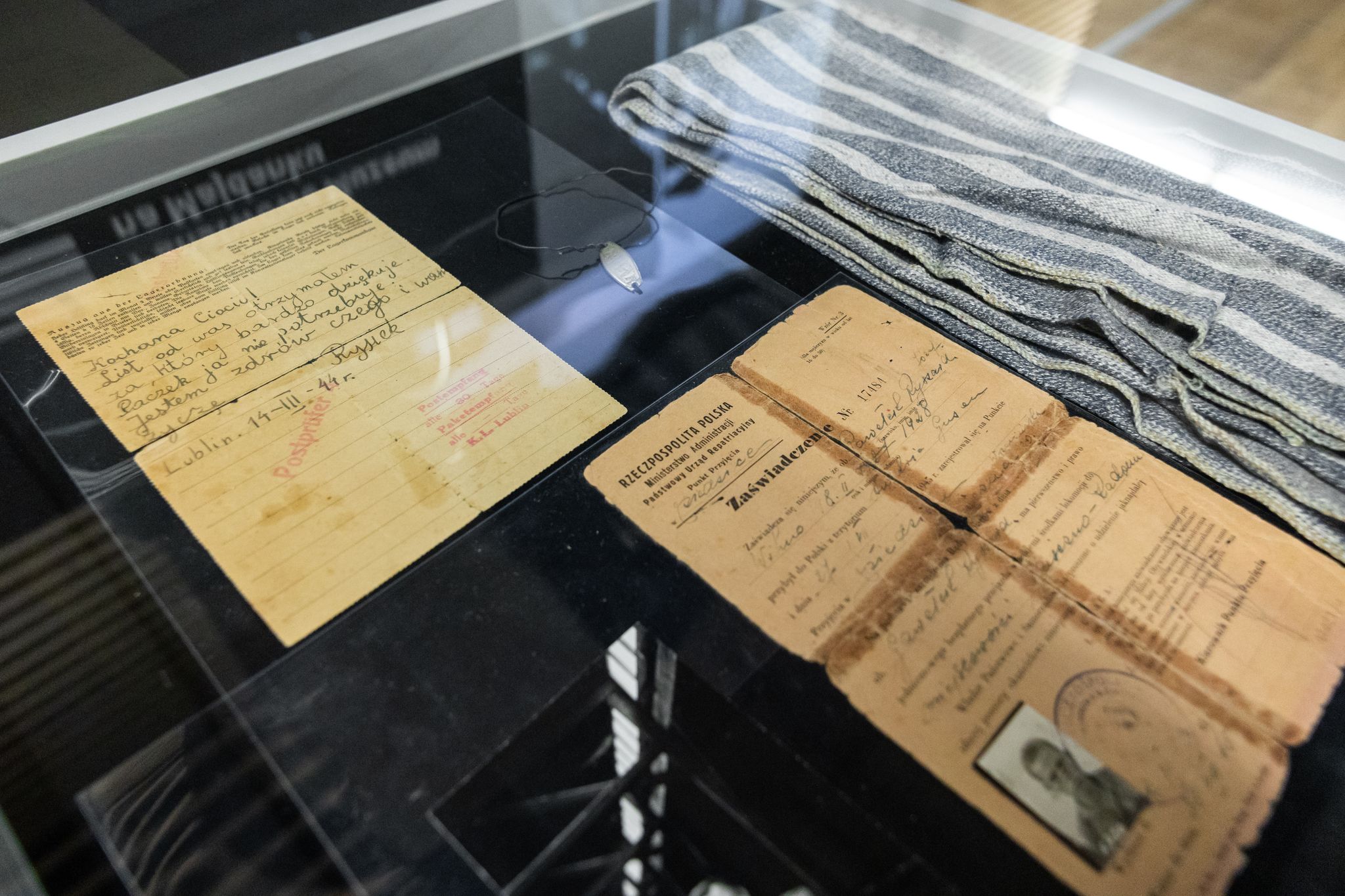
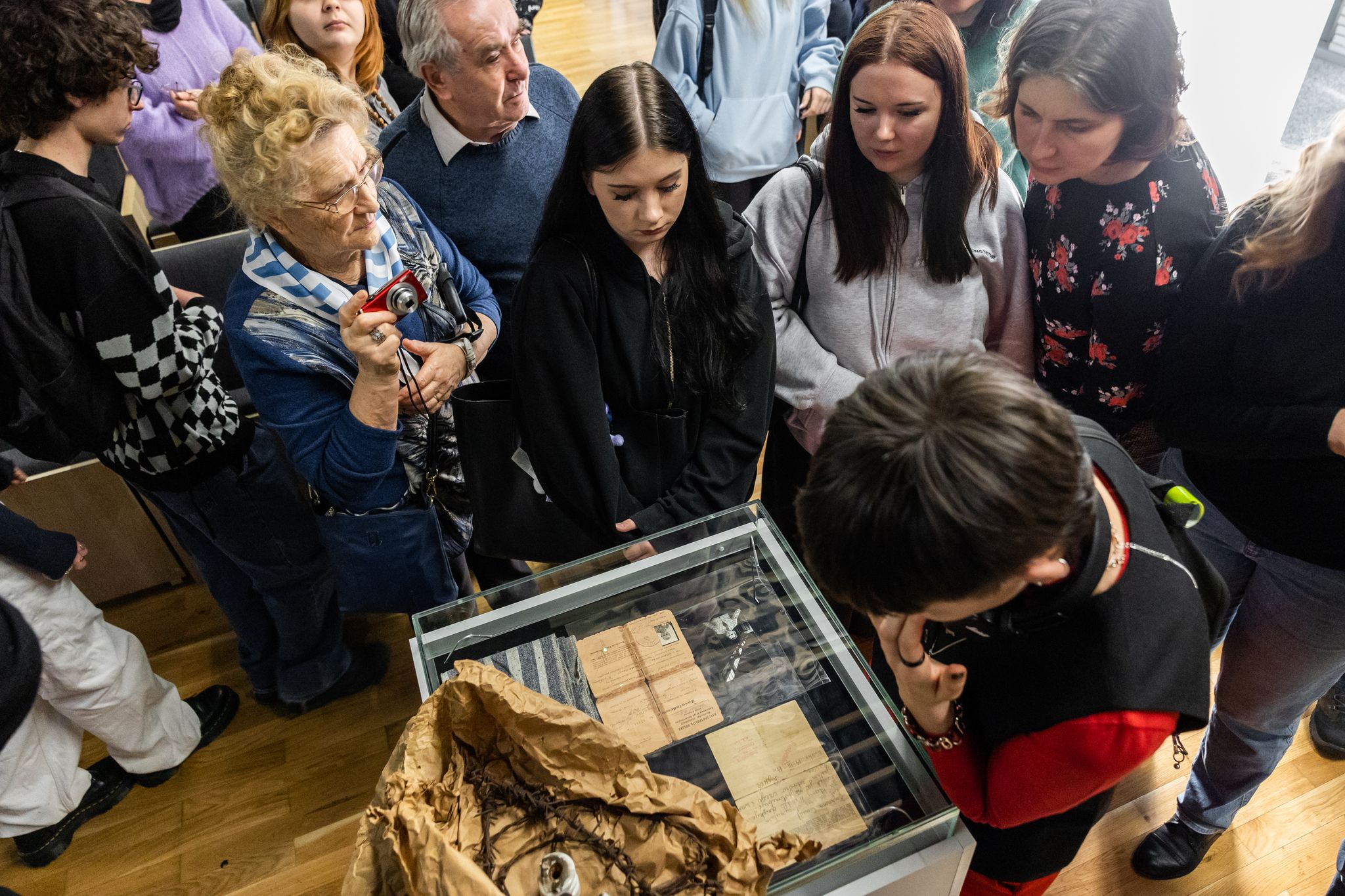
Our guests spoke mainly about their father's wartime experiences, his suffering, courage and fortitude. There were also post-war memories, such as a visit to Professor Romuald Sztaba, who worked at Majdanek as a prisoner-doctor and saved Ryszard Gawełek from death in the gas chambers. They also donated further memorabilia related to their father's experiences in the camp to the Museum's collections.

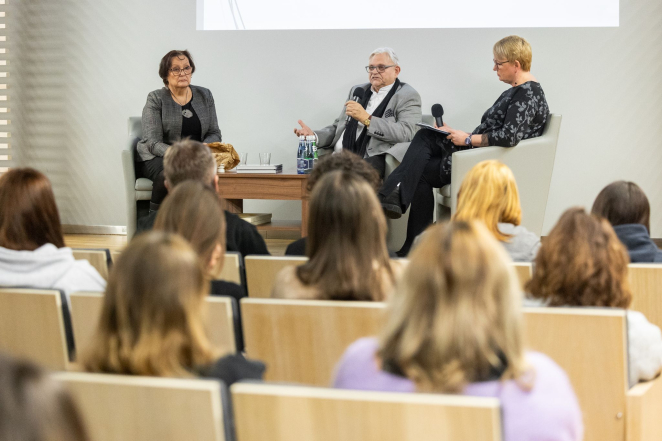
The stage and the audience, two women and a man on stage.

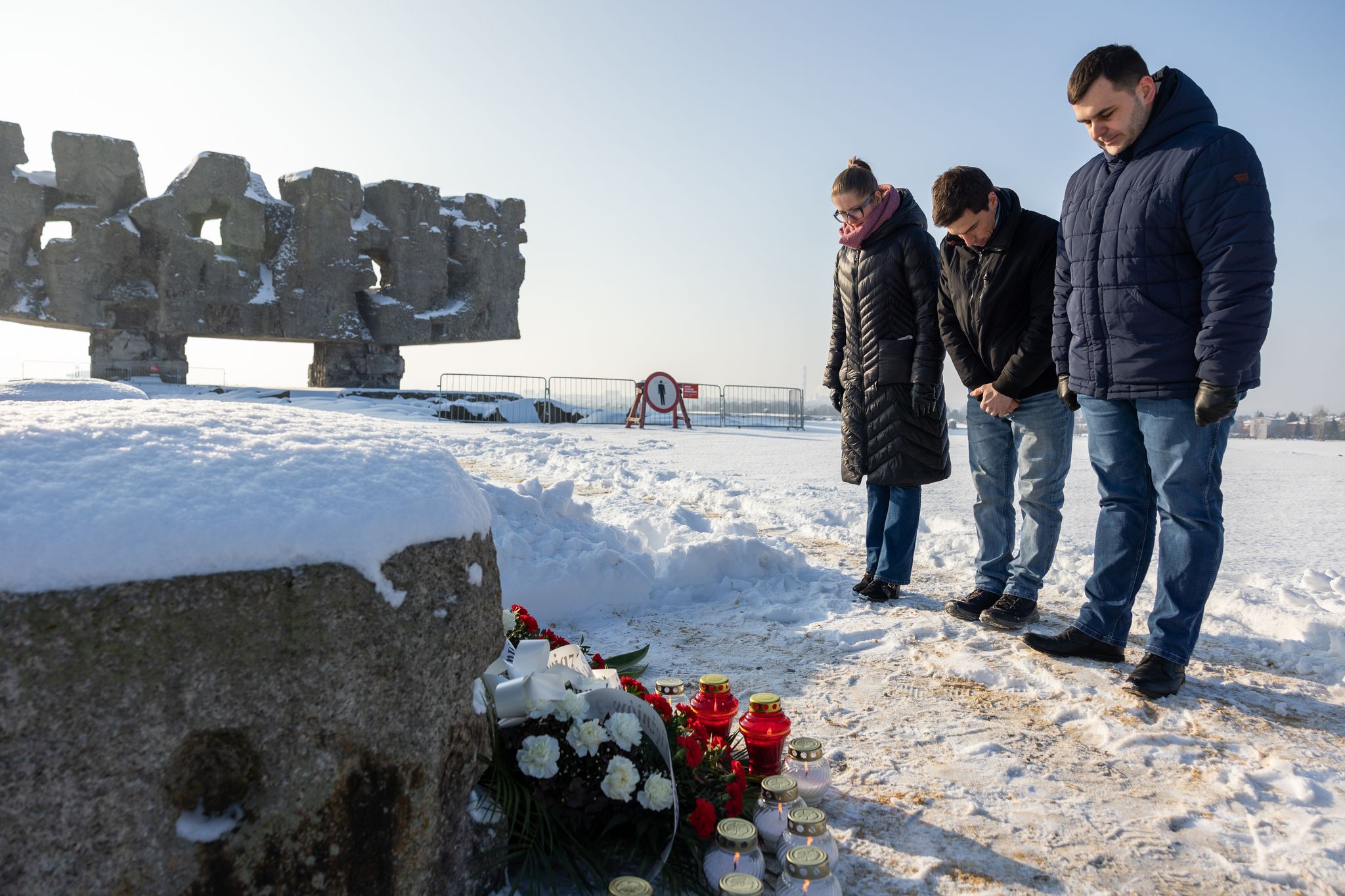
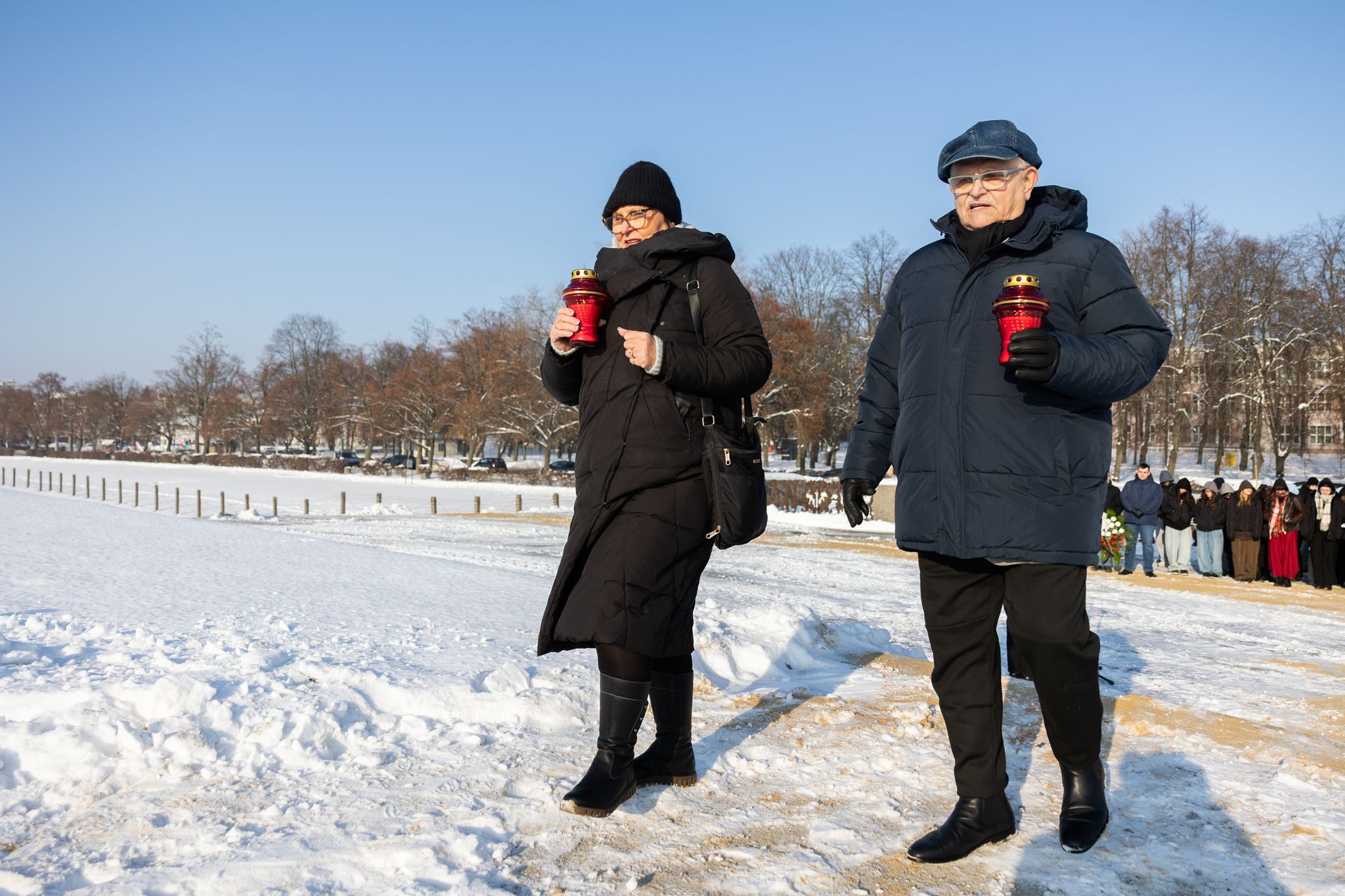
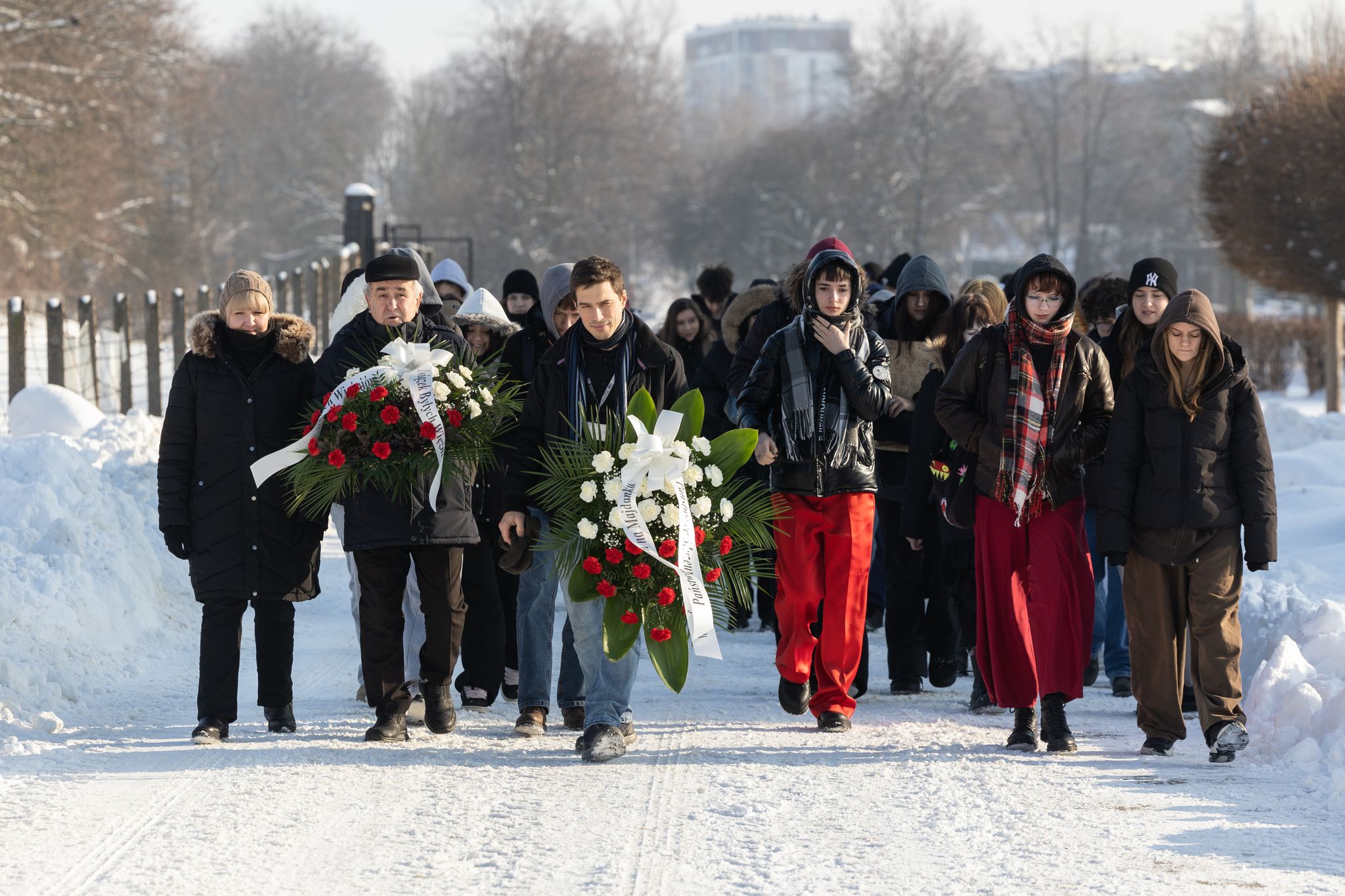
The event culminated in a moment of reflection and the laying of flowers at the Monument-Gate in tribute to all prisoners and victims of Majdanek. We paid special tribute to the Poles deported from Gestapo prisons and detention centres in January 1943.

  • A woman and two men wearing winter jackets pay their respects at the Gate Monument.
  • A woman and a man wearing winter jackets are carrying red candles.
  • A group of people carrying white and red bouquets.
  • Two yellowed documents in a glass display case.
  • A group of people standing in front of a glass display case, young people and an elderly woman wearing a white and blue scarf.
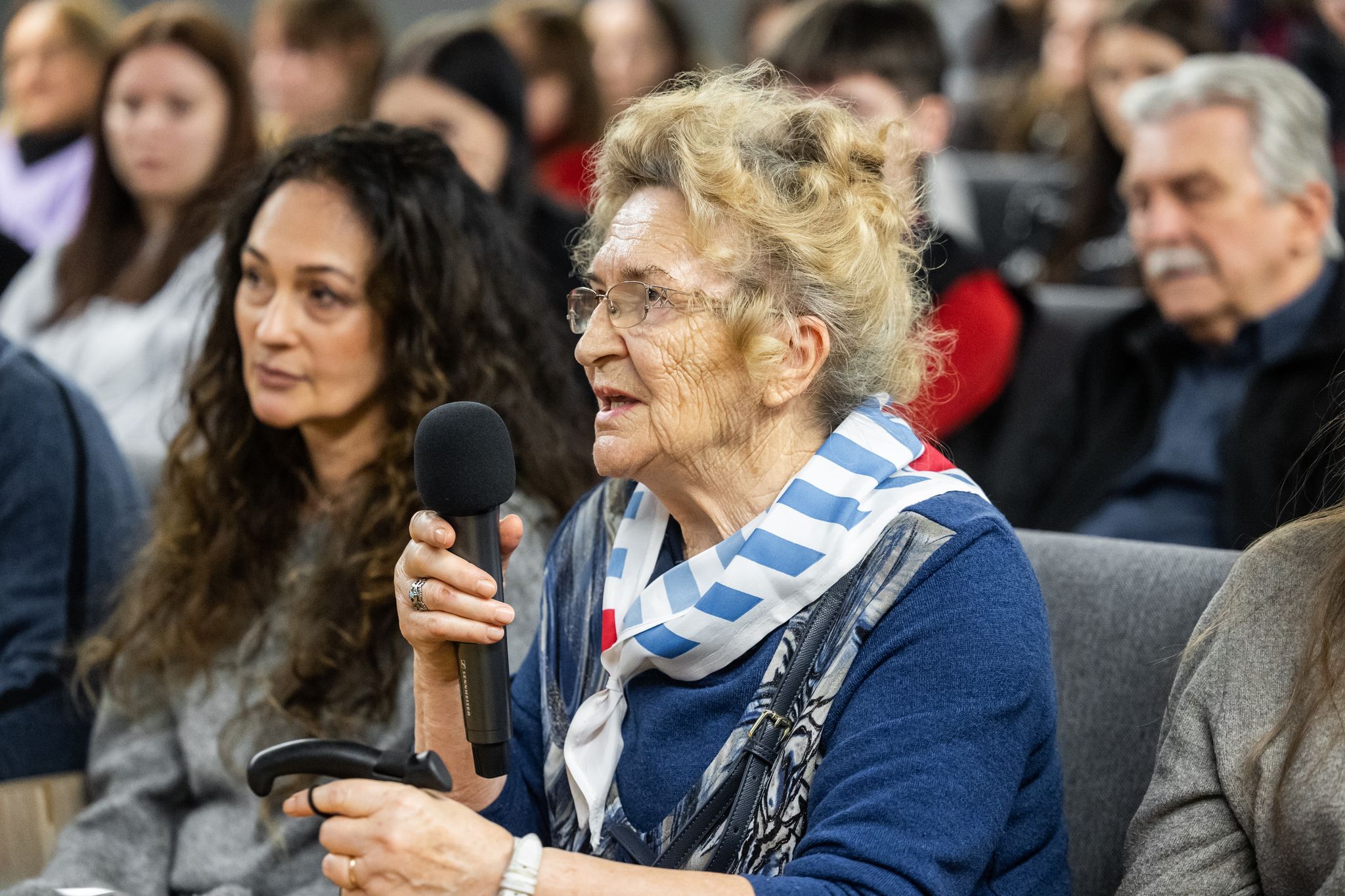
  • An elderly woman wearing a white and blue striped headscarf speaks into a microphone.
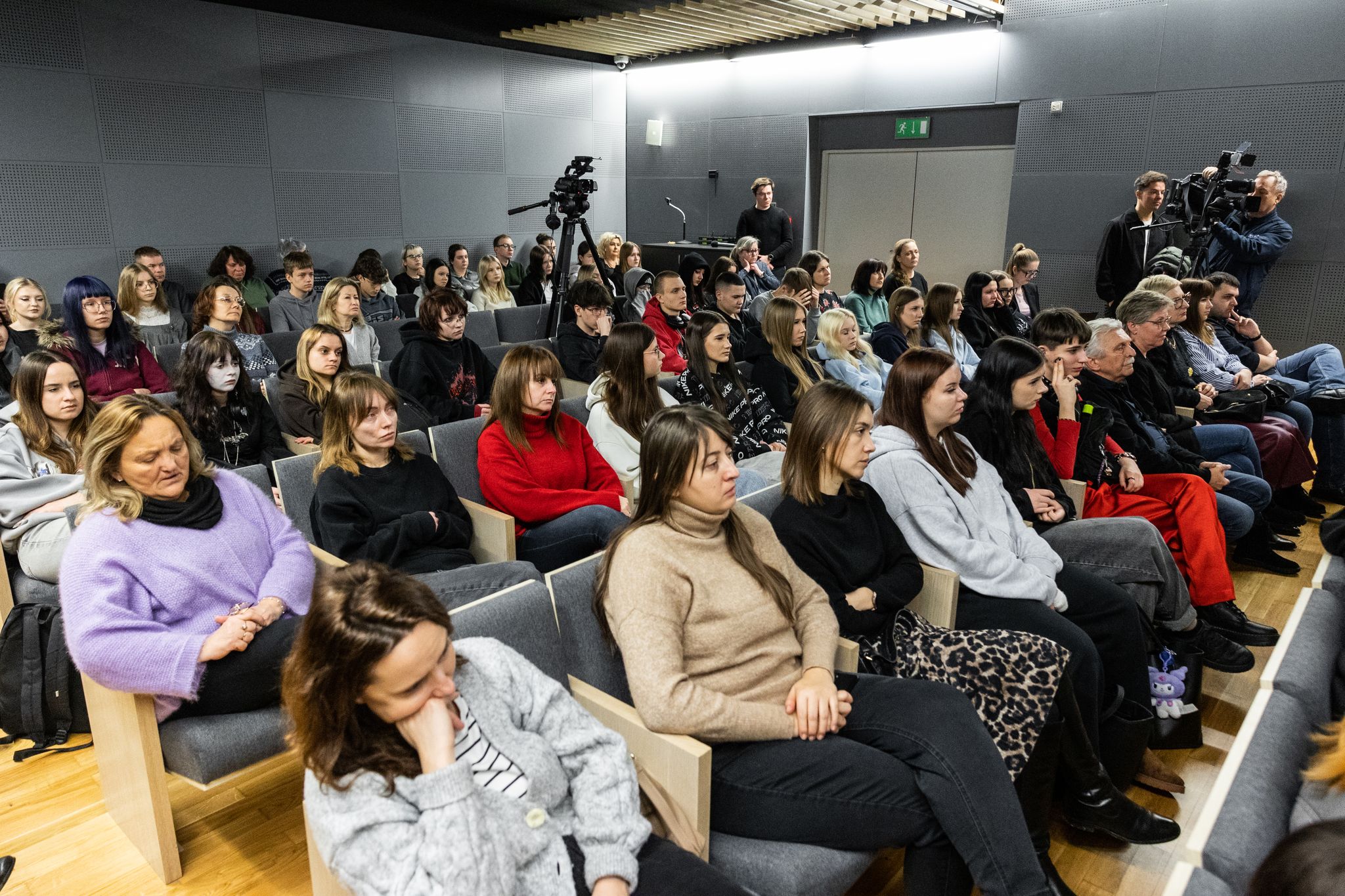
  • Audience members in the lecture hall
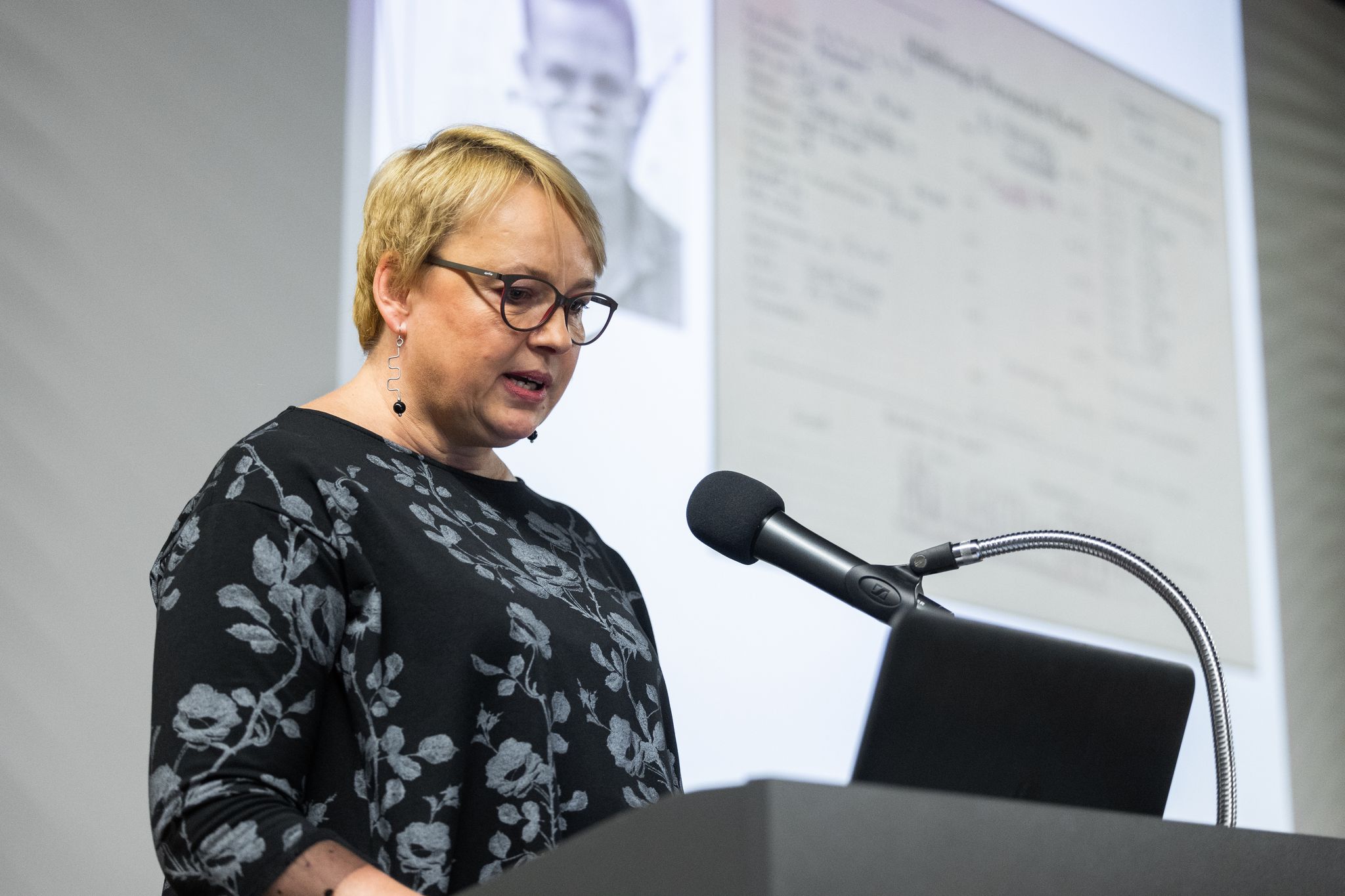
  • A woman with light, short hair speaks into a microphone, with part of the presentation visible in the background.