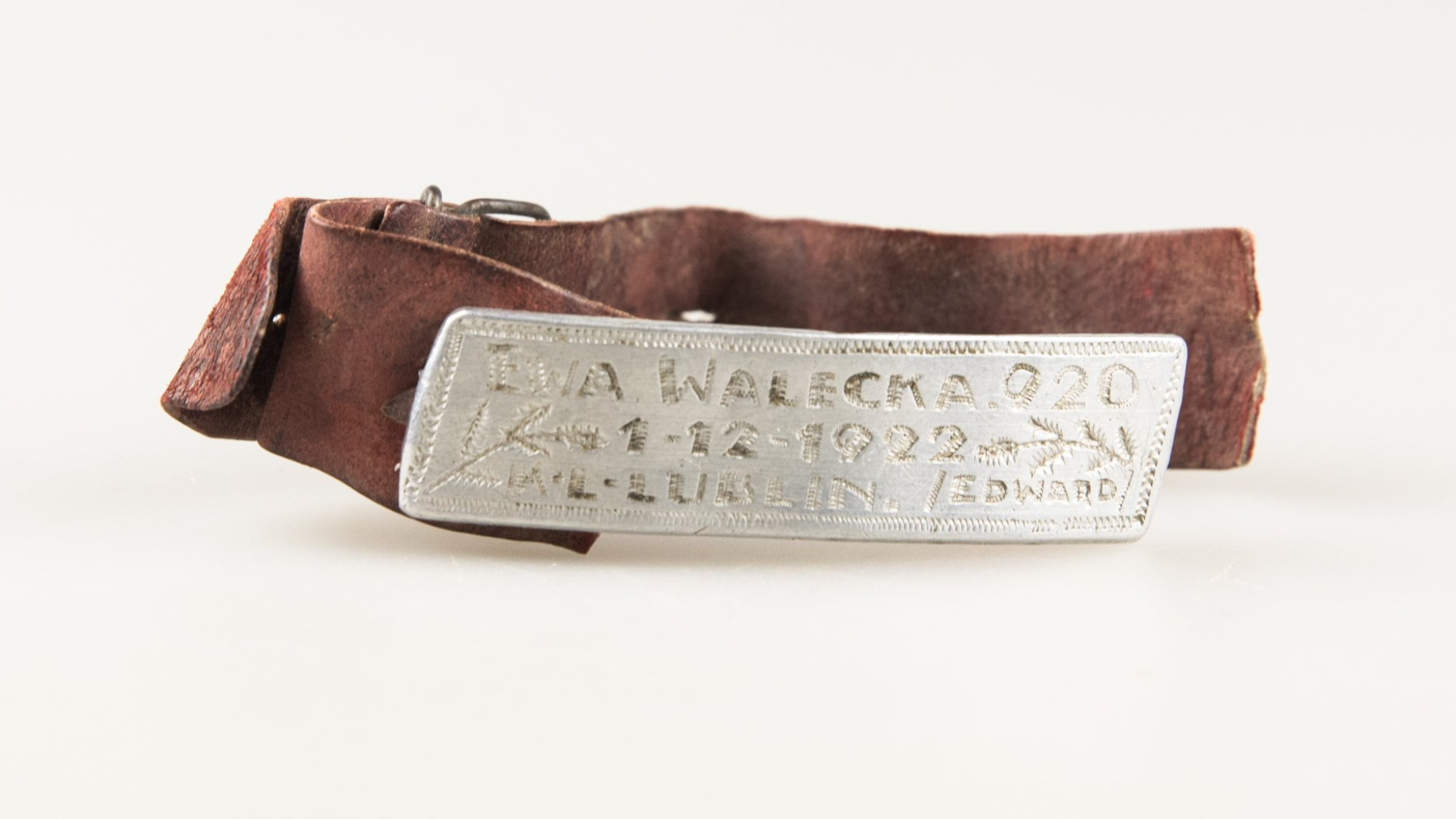
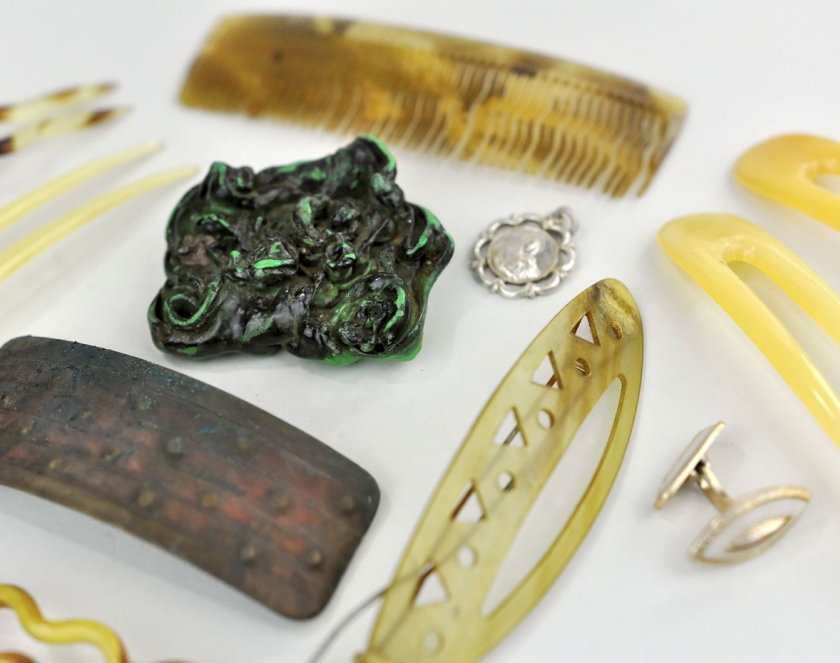
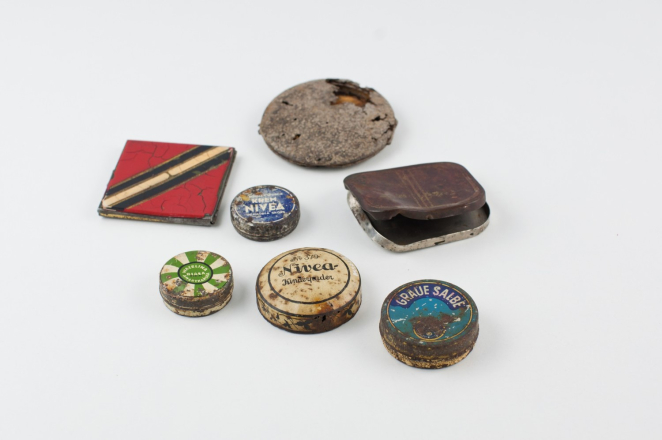
The overseers were eagerly involved in frequent shakedowns and sweeps. They were storming through the barracks in the search of clothes, books, newspapers, pencils, paper pieces, and personal hygiene items. Since whatever they found was irretrievably taken away, being in possession of some soap, cream, comb or a pair of stockings was a true luxury of the camp reality.
Femininity in the torrid time
Women’s barracks were of better quality in comparison to the stable-type barracks at fields III and IV that didn’t even have any windows. Nevertheless, the female prisoners of Majdanek were quartered in very harsh conditions.
Jews, Russians, Belarussians, Polish political prisoners, and the displaced from the Zamość region – all of these deportees groups included women and children, and they were all locked within field V and surrounded by the barbed wire. The children were not registered as the camp authorities considered them a mere burden. Although these women worked as teachers, doctors, nurses, qualified workers, housewives, and some studied at universities, the female guards perceived all their subservients as subhumans, thieves, and weak-minded criminals.
Solidarity among the female inmates
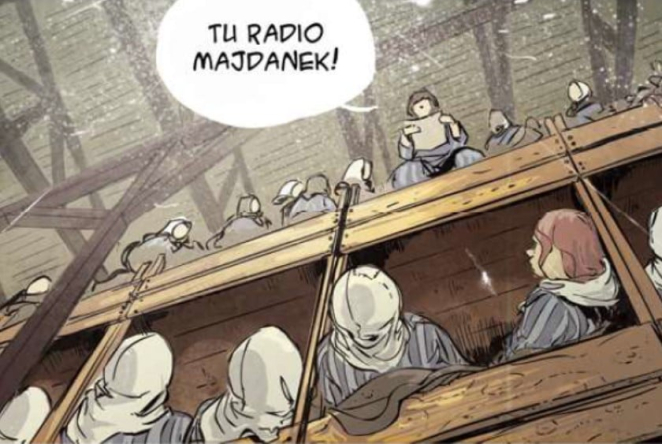
The guards were so obsessed with supressing the prisoners’ individuality that they failed to recognise the solidarity that arose among the female inmates. The prisoners secretly organised their own administration and introduced their own rules concerning the lives in the barracks. A special committee would support the most devastated and powerless prisoners. Radio Majdanek was a unique initiative. The auditions in front of an imaginary microphone would uplift the spirits and reminded the inmates of their normal lives before the deportations.
The women who received parcels from their families or charities would often share the food with the fellow inmates. Those who worked in the storehouses and workshops were smuggling some clothes and shoes to replace the damaged ones. For a slice of bread a prisoner could buy some hot water, a fresh set of underwear or a toothbrush. Apart from the goods and services exchange, handcrafting would become a popular part of the prisoners’ lives. Some items were ordered and purchased, some were crafted as gifts. The seemingly obsolete items had an enormous value as they expressed personal or cultural development. Encrusted boxes, cigarette cases, paperweights, jewellery pieces, and drawings would be gifted to the fellow inmates as tokens of affection or gratitude. Some items were illegally sent to the families as an expression of love and the prisoners’ belief in their liberation.