Labour

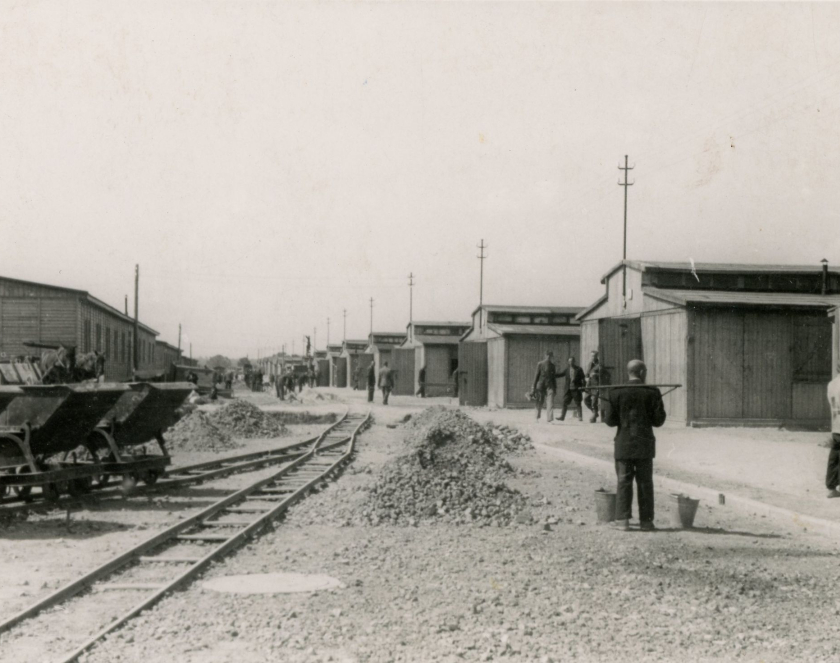
Trampled earth, tracks laid on it, several wagons, wooden barracks on the left and right, men working on the right.
Similarly to other concentration camps, labour at Majdanek was among the main tools of persecution and extermination of prisoners, who were treated as cheap labour force. After crossing the camp gate, it was the individual’s ability to perform hard work that determined their survival. For the Jewish people being deemed unfit for labour resulted with an instant death sentence. All prisoners that lost their health and strength in the camp, and as a result was not sufficient enough during work, had considerably smaller chances for survival.

Kommandos

The prisoners were assigned to various labour groups called kommandos which numbered between a couple to even several hundred people. Teams were named in accordance with the type of task or the place where they performed it. Kommandos were generally divided into two categories: internal that worked within the camp grounds, and external that worked outside its borders. Groups were usually managed by the assigned SS-men, and kapos that served the roles of overseers and foemen. Vorarbeiters were responsible for the direct supervision of the prisoner-workers.

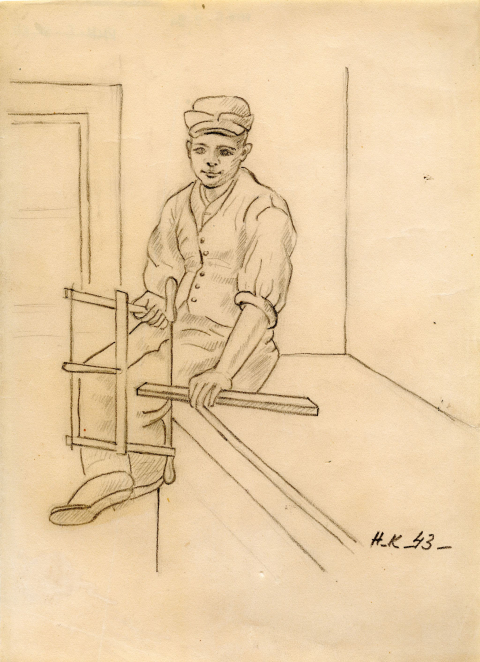
The drawing shows a young man wearing a cap and work clothes. He is holding thin boards in his hands.
Drawing of a prisoner-carpenter created in the camp in 1943 by Helena Kurcyusz.

Work Assignments

Nearly half of all the prisoners were assigned to the camp construction teams until June 1942. Some inmates did various camp maintenance tasks including laundry, sewing workshop, kitchens, warehouses, record offices, and infirmaries. The remaining ones were sent for labour in the factories and various enterprises around Lublin that were owned by the SS. The worst assignments included construction and ground works where the prisoners worked regardless of the season and weather conditions. Special tasks were invented for any inmates left without an assignment, who had to perform pointless labour e.g. carrying stones or earth back and forth under constant beating and rushing.

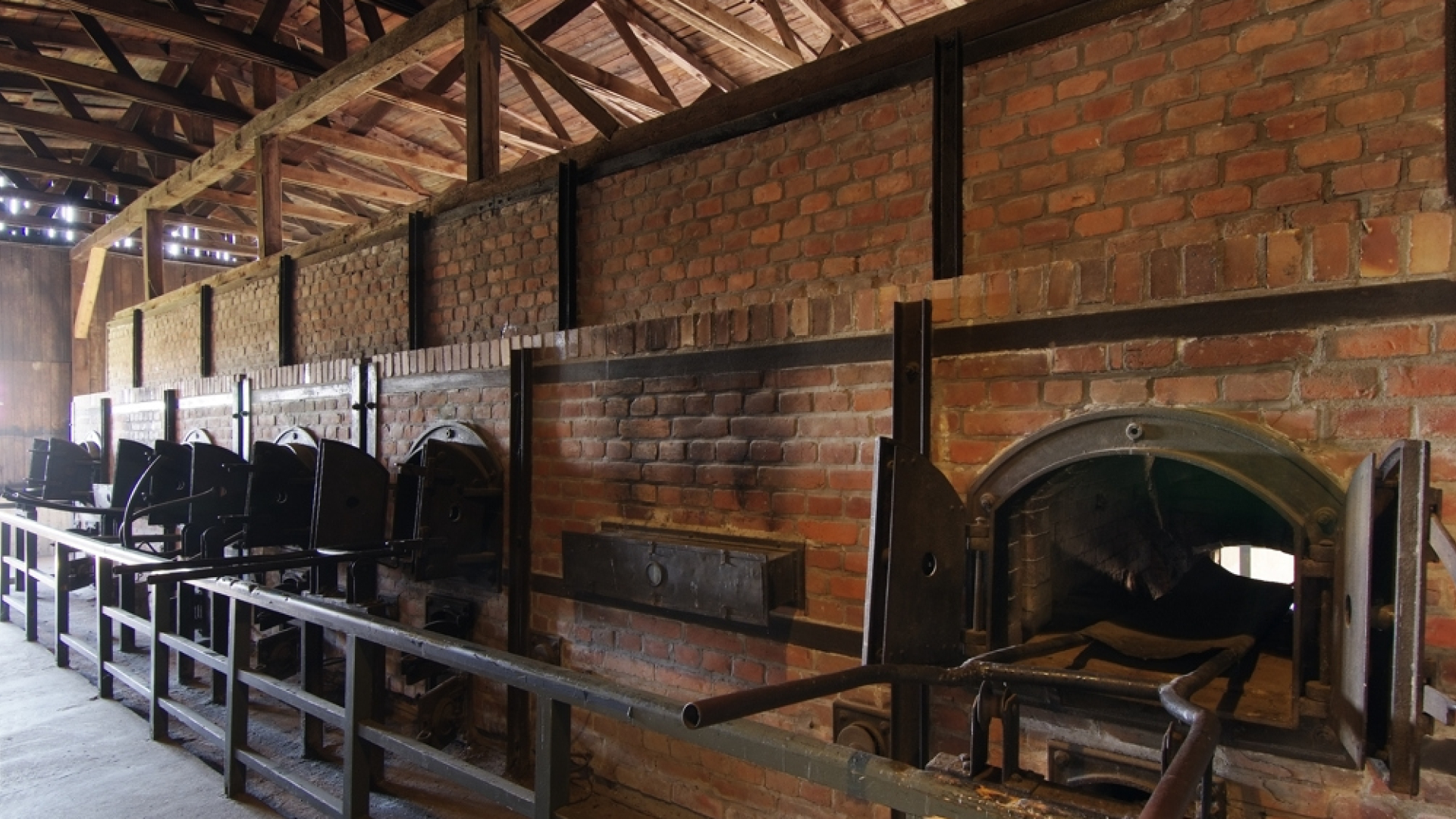
A row of crematorium furnaces.
Crematorium ovens

Sonderkommando

The prisoners assigned to Sonderkommando (lit. special commando) worked at emptying and clearing the gas chambers, as well as in crematoria. As direct eyewitnesses of the German crimes, they were murdered after some time and then another prisoners were selected to work in Sonderkommando.

Not all the labour assignments were so harsh. Some teams were considered “good” if inmates worked indoors or under some less brutal supervision. Similarly, being dispatched to groups, where some additional food portions could be obtained which increased chances for survival.