Discover History

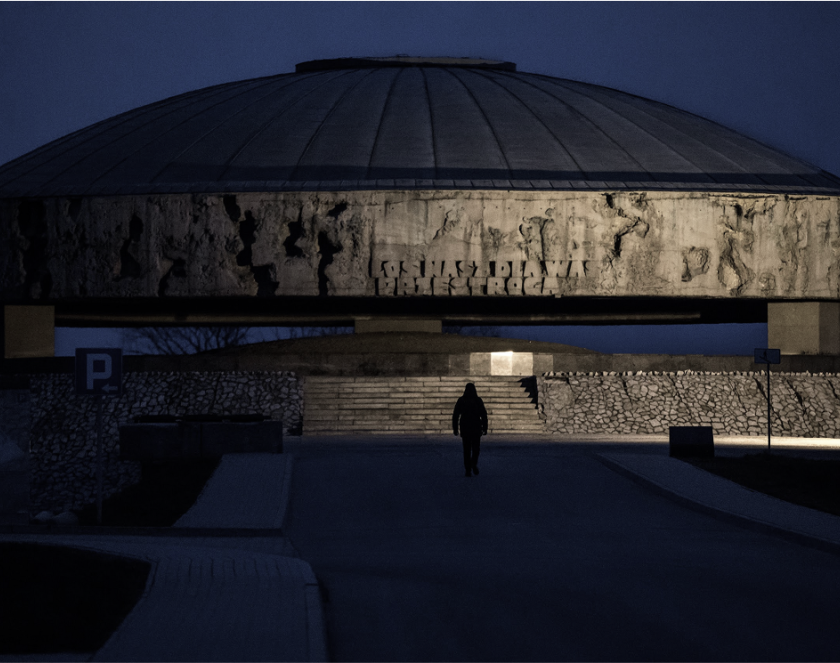
Night photo, illuminated Monument-Mausoleum, watchtower on the right, figure walking towards the monument in the center
Majdanek is not only about the prisoner barracks, watchtowers, bathhouse barracks and crematoria. The history of KL Lublin consists primarily of individual stories – fates of the victims, survivors, and perpetrators. Their presence in the camp echoes in their items, documents, testimonies. This is what you can learn more about in the “Discover History” section.

Camp History

Konzentrationslager Lublin operated in the years 1941-1944, and was a multi-purpose camp that played a vital role in the Nazi terror, Germanisation, and extermination policies of the Third German Reich. Although its full construction was never accomplished, it became one of the largest World War II cemeteries and a site of exceptional importance for the history of the Lublin region, the Holocaust, and the 20th century Europe.
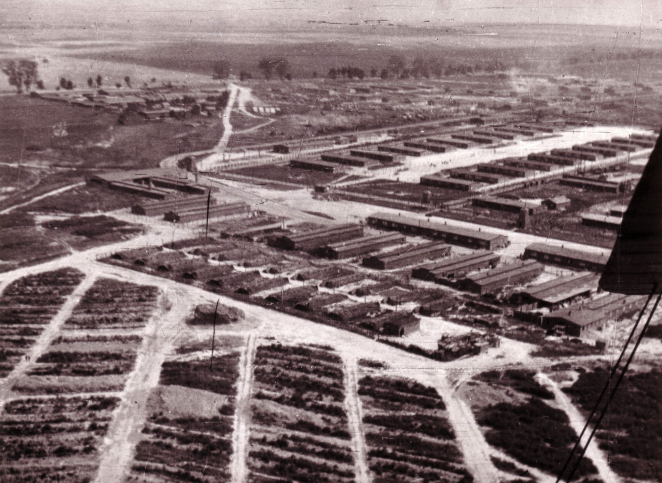
Photo taken from an airplane - on the right side, a piece of an airplane wing. The photo shows rows of barracks, followed by fields and trees.

Timeline

The first prisoners arrived at the camp at the end of 1941. Discover the most important dates in its history…

“Varia” Magazine

Dive into our free on-line magazine to discover stories that go beyond our academic writings, analyses of post-camp artefacts, and reports of our central activities.

Searchprisoner records

advanced search

HIghlights

Learn more about the history of the camps, personal stories of the victims and prisoners, and museum collections

Femininity in the torrid time

Photograph of items belonging to women – small combs, hair clips, jewelry

Women’s barracks were of better quality in comparison to the stable-type barracks at fields III and IV that didn’t even have any windows. Nevertheless, the female prisoners of Majdanek were quartered in very harsh conditions.

view all articles