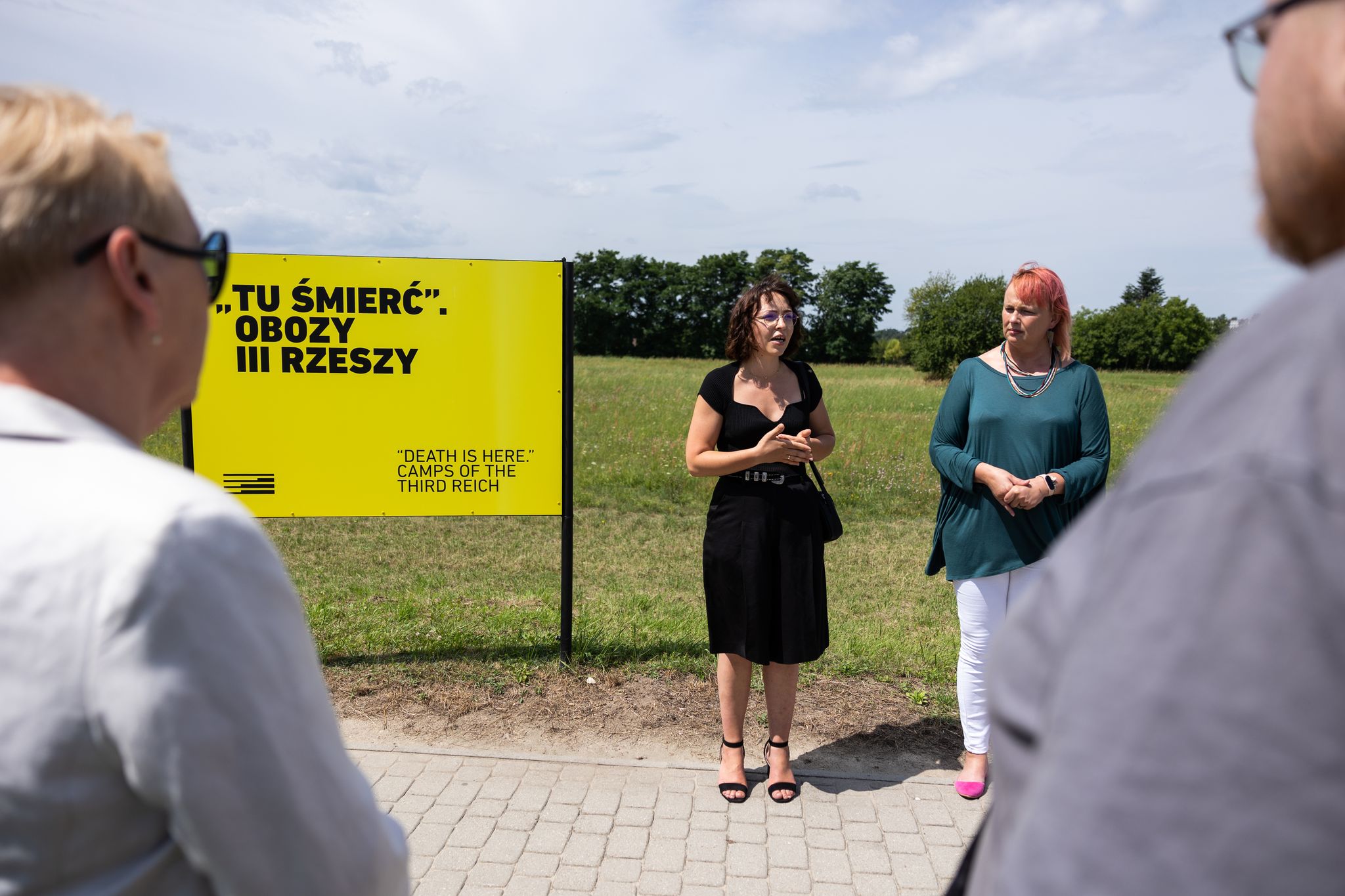
“Death is Here”

Camps of the Third Reich

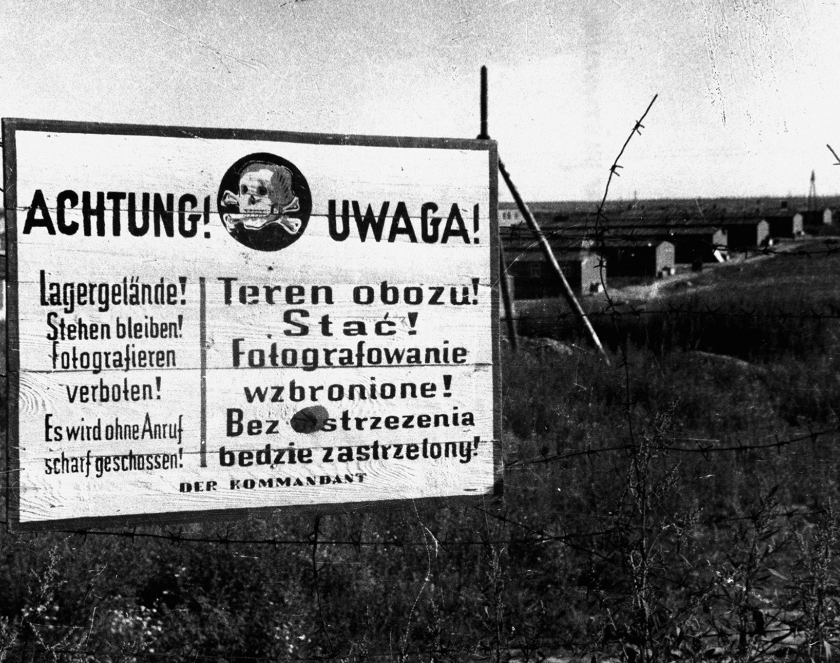
Black-and-white photograph of a sign in Polish and German: Achtung, Uwaga. In the center, a graphic of a skull with crossed tibia bones.
The exhibition provides a comprehensive overview of various types of German camps that operated from the moment of Adolf Hitler’s rise to power in 1933 until the end of World War II.

Important information

Temporary exhibition
  • Exhibition start date:24.07.2023
  • Place:State Museum at Majdanek
  • Translation:Konrad Szulga
  • Scenario:Marta Grudzińska, Nadia Sola-Sałamacha
  • Language version:Polish, English
  • Artistic design:Ewelina Kruszewska

Prisoners

The camps formed a core instrument of National Socialist policy directed against real and imagined enemies of the German state and nation. Those persecuted and imprisoned included political opponents, individuals labelled as “asocial,” criminals, people persecuted for homosexuality, Roma and Sinti, Jews, and Jehovah’s Witnesses (then known as Bible Students).
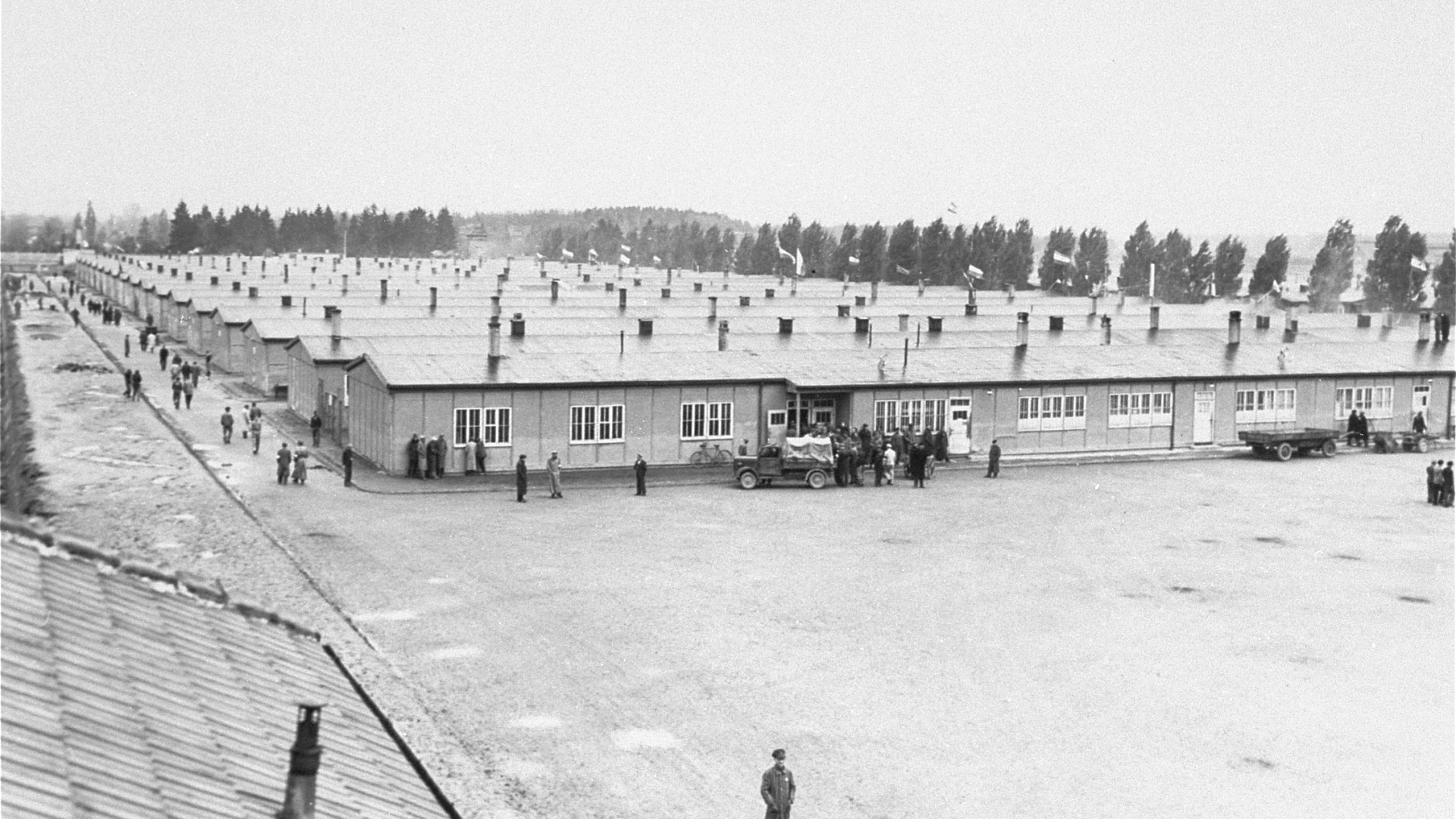
A black-and-white historical photograph showing rows of barracks stretching to the horizon, with people silhouetted against them and trees in the background
KL Dachau, 1945

Excluding the ‘Undesirable’

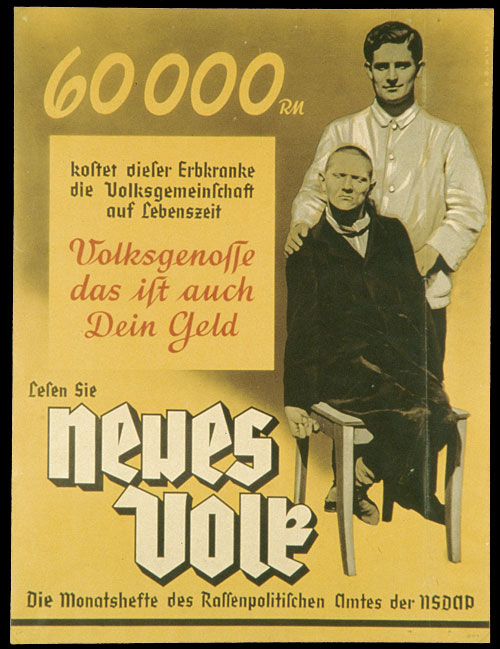
From 1933, the Nazi regime sought to realise a distortional vision of an “ideal society,” purged of “undesirable” groups incompatible with National Socialist ideology. One of the first steps in this process was the establishment of the Dachau concentration camp in 1933, alongside the introduction of a program of forced sterilization. A further stage followed in October 1939, with the launch of Aktion T4,” during which people with physical and intellectual disabilities were systematically murdered.

Yellow poster, two men, a young man in a white shirt holding an elderly, sick man with bent, limp limbs, surrounded by German inscriptions.
German propaganda poster targeting people with disabilities. The text reads: “This person suffering from hereditary diseases costs the society 60,000 Reichsmarks over the course of their lifetime. Comrade, this is your money too!”

POW Camps

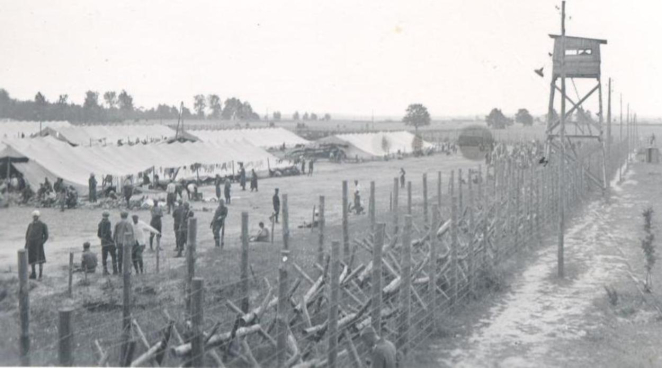
After the outbreak of World War II, camps were increasingly set-up in occupied territories. Captured soldiers were interned in POW camps: officers in Oflags, and non-commissioned officers and enlisted men in Stalags. Their primary function was isolation. Between 1939 and 1945, Germany created thousands of such camps, in which soldiers from approximately 30 different countries were imprisoned.

A black-and-white photograph, several dozen people scattered across a field surrounded by barbed wire, a guard tower, tents.
Stalag II D Stargard

Labour Camps

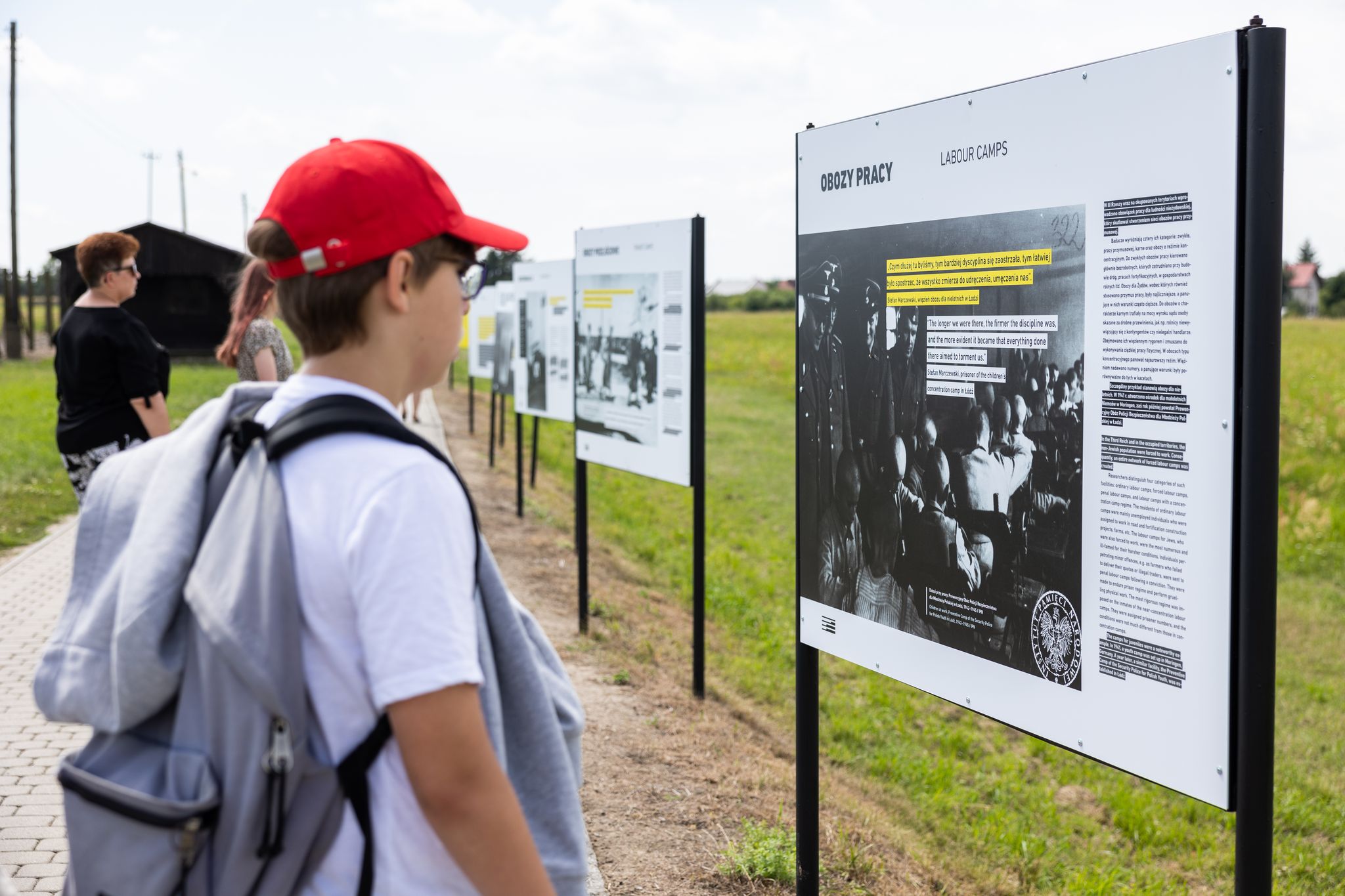
In territories under German control, compulsory labour was imposed on the non-Jewish population, while Jews were subjected to forced labour. The Germans initially established concentration camps and labour camps, the purpose of which was the maximum exploitation of prisoners as unpaid labour, as well as their extermination through murderous work and terrible living conditions. Ordinary labour camps were used primarily to confine the unemployed, who were assigned to road construction, fortification work, agriculture, and other forms of manual labour. Penal labour camps held individuals sentenced by courts for minor offenses, such as farmers who failed to meet compulsory quotas or those engaged in illegal trade. The harshest regime prevailed in concentration camps.

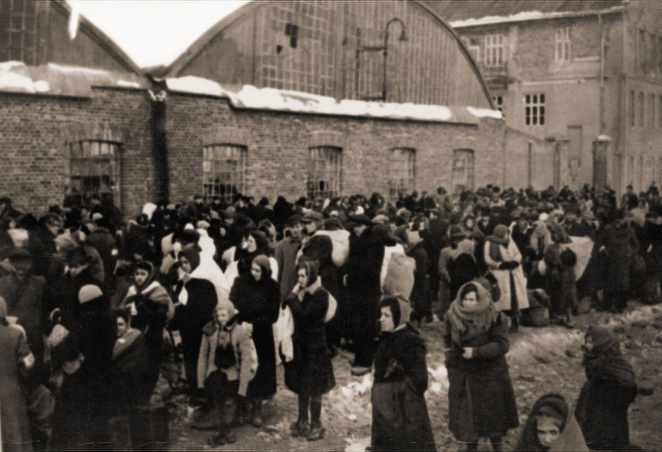
Black-and-white photograph, a large group of people with bundles, buildings and hangars in the background.
Buildings of the Flugplatz labour camp at the in Lublin, 1941.
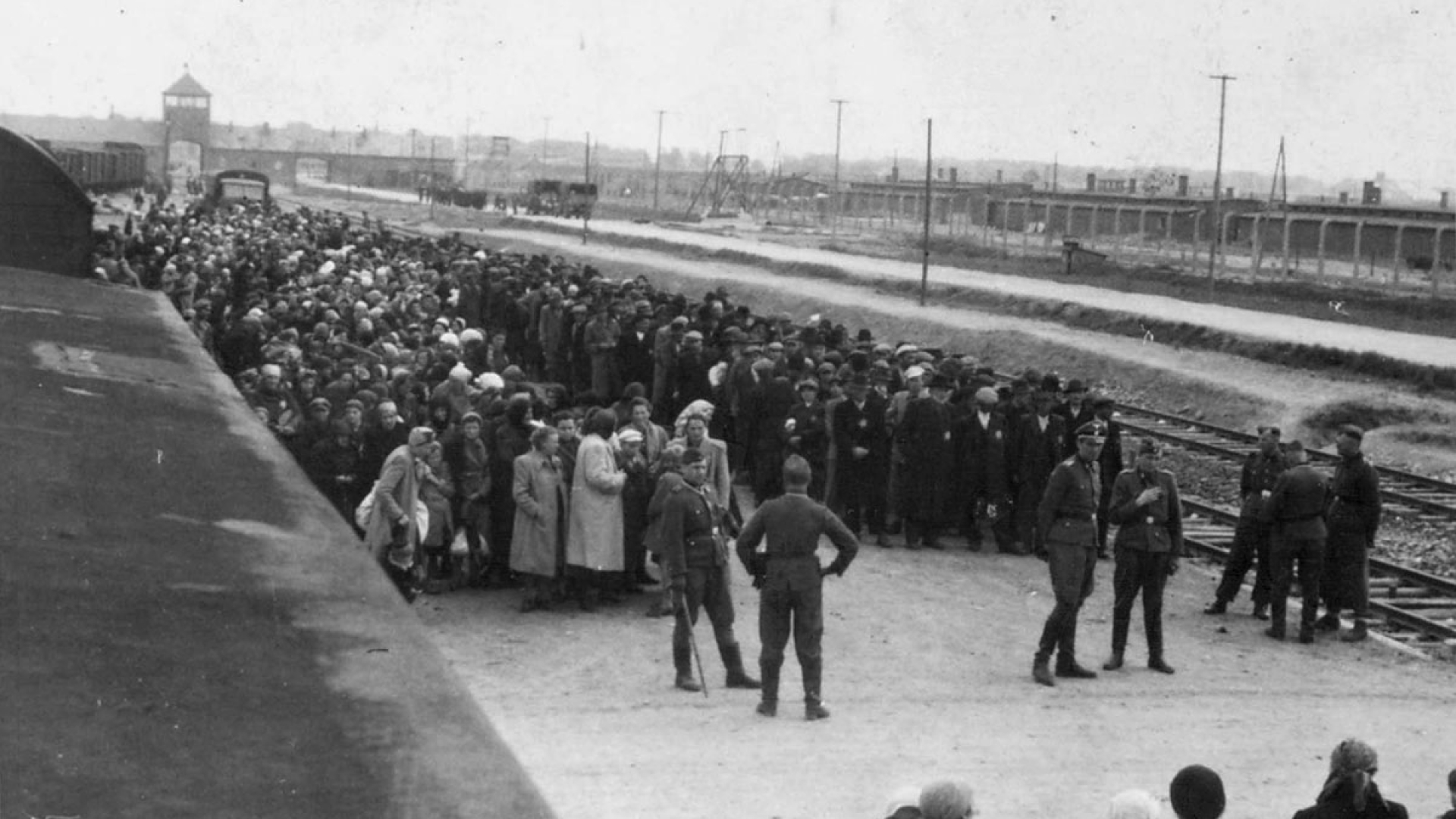
A black-and-white historical photograph showing a large group of people standing on a railway platform, with a train nearby and the Auschwitz gate in the background
Selection of Jews on the railway ramp at Auschwitz-Birkenau, 1944.

Concentration Camps as an Instrument of Nazi Extermination Policy

Throughout the existence of Nazi Germany, 27 main concentration camps and approximately 1,100 subcamps were established on German territory and in occupied areas. The exhibition focuses on selected concentration camps: Dachau, founded in 1933 as a model camp; Ravensbrück, a camp for women; Auschwitz-Birkenau, the largest of all the camps; and Majdanek, the first to be liquidated, in the summer of 1944, while the war was still ongoing.

From the Conquest of the East to the Collapse of the Camp System

One of the central objectives of Nazi warfare was acquiring the new “living space” in Eastern Europe. Transit camps were intended to facilitate the mass displacement and resettlement of the populations inhabiting these areas. Children and adolescents were placed in Germanization camps. The exhibition also addresses Nazi policy toward Jews. Their systematic murder perpetrated in extermination camps established from 1941 onward - Kulmhof, Bełżec, Sobibór, and Treblinka - as well as in Auschwitz-Birkenau and Majdanek, where victims were killed with gas. The exhibition traces the liquidation of the camps, the process of their liberation, and the post-war prosecution of Nazi crimes against humanity.

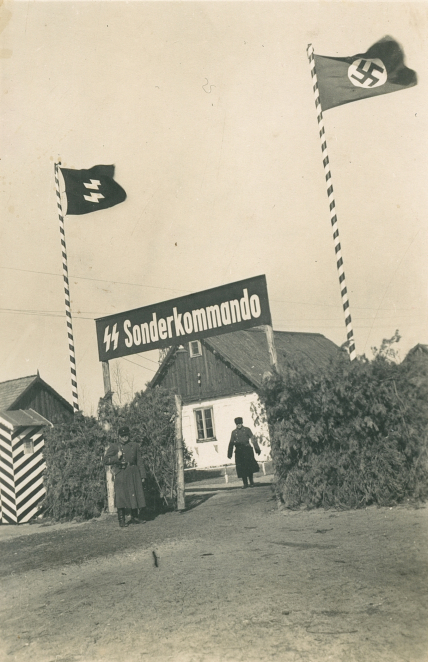
Gate with the inscription SS-Sonderkommando, Nazi flags on both sides, a white house in the background, and a figure dressed in a German uniform.
The main gate of the Sobibór extermination camp, 1943.

Exhibition

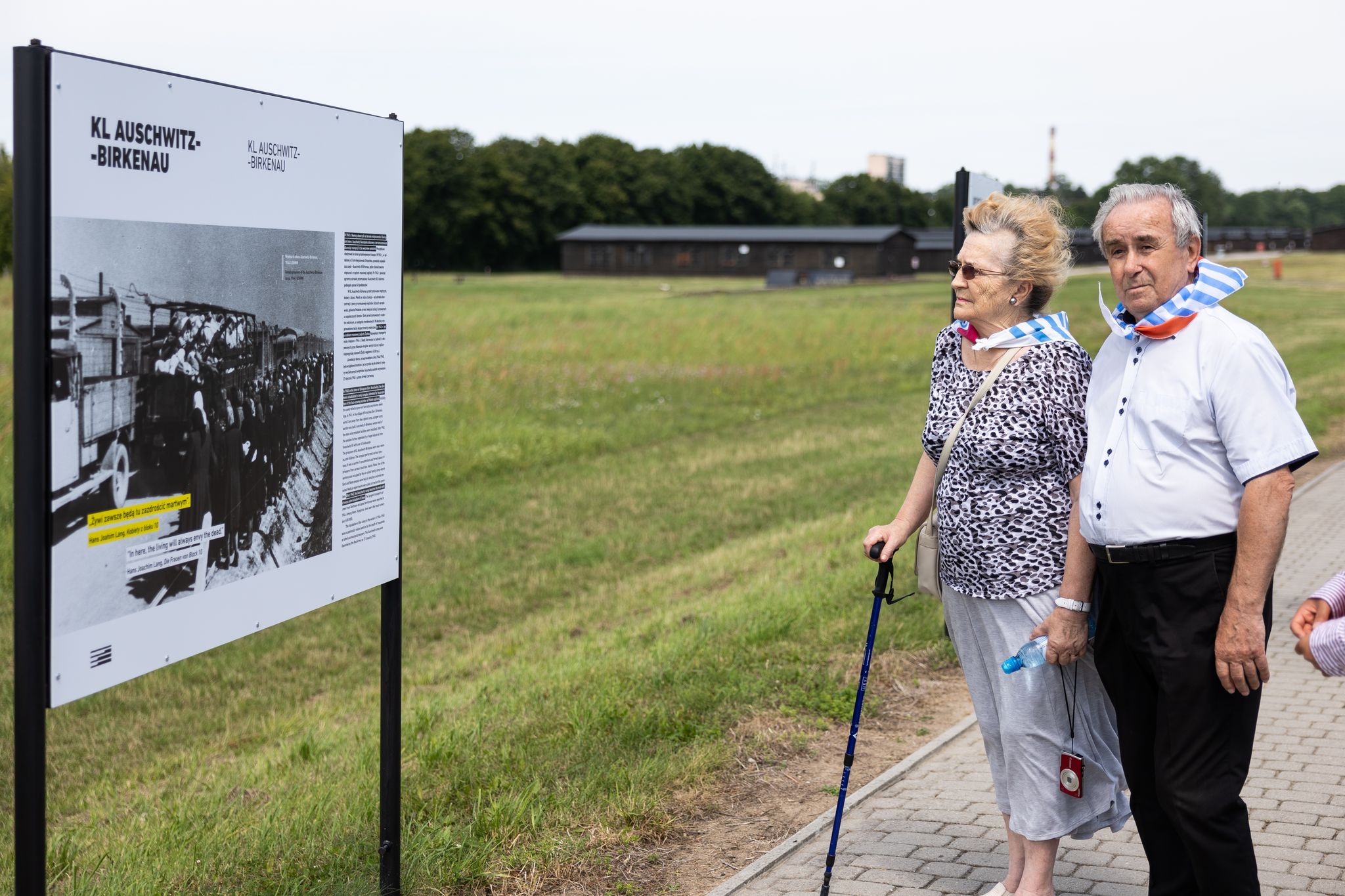
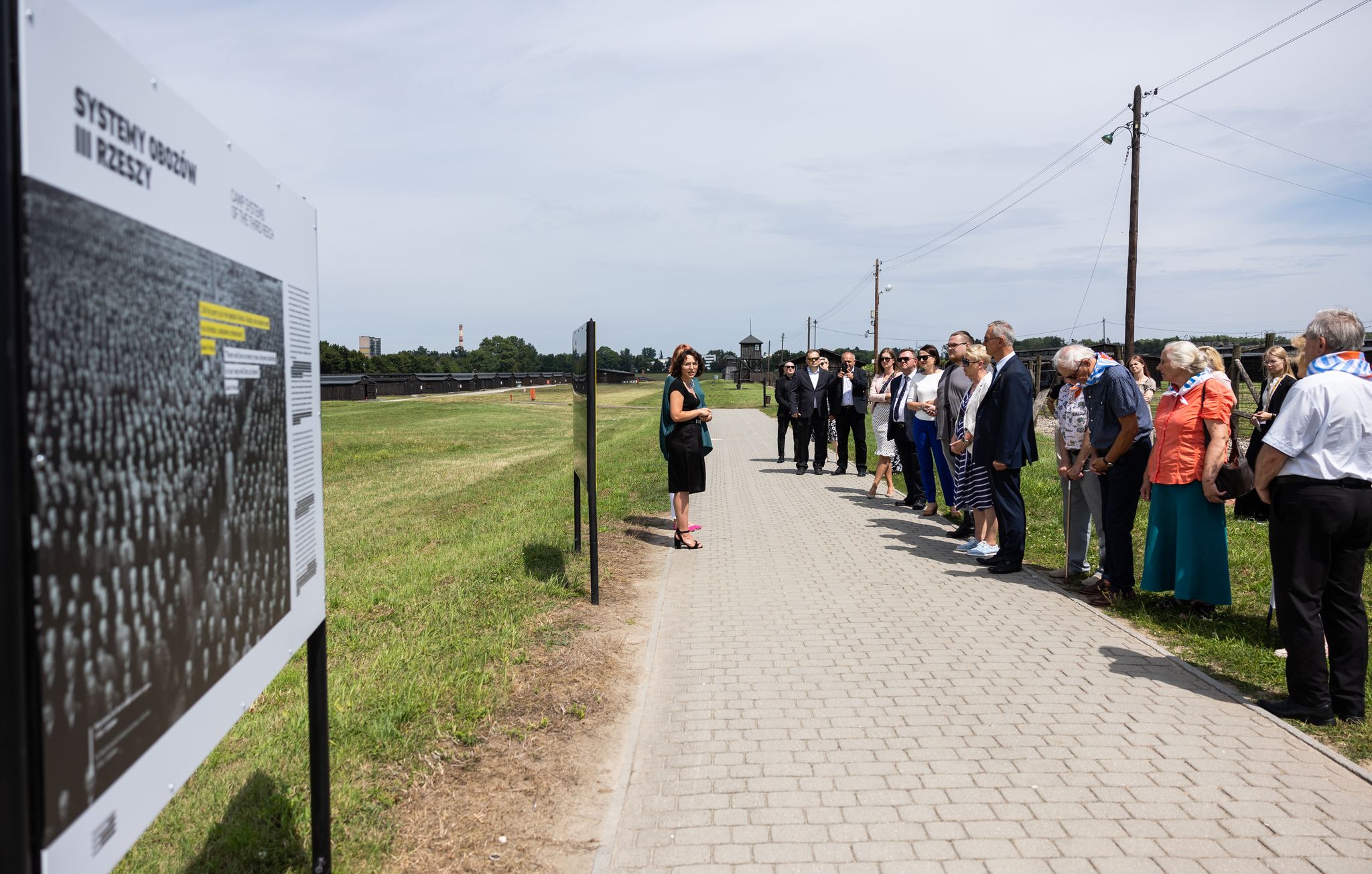
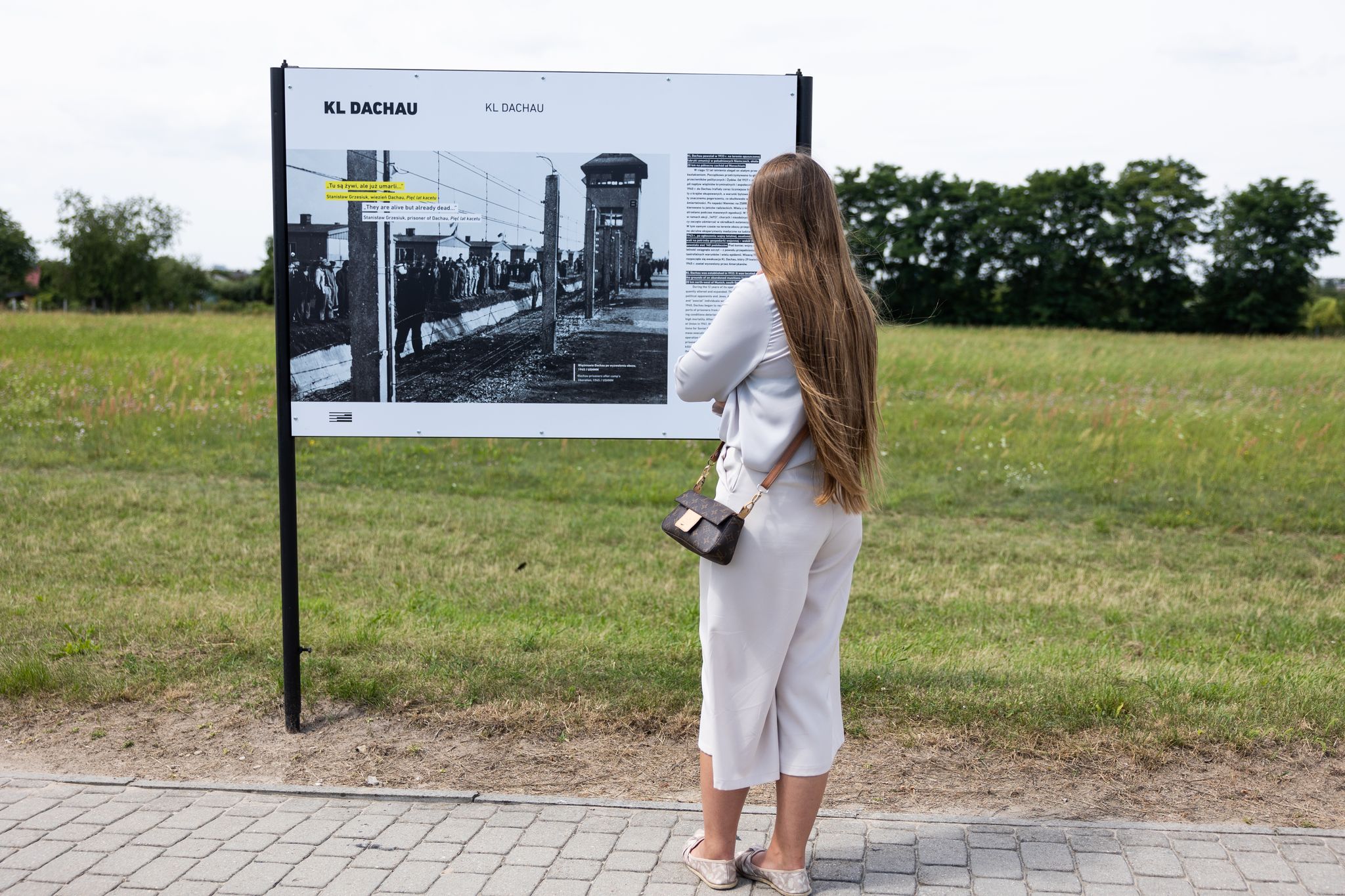
The exhibition consists of 19 panels presenting historical photographs, quotations from survivors’ testimonies, statistics, and maps, alongside interpretive texts.

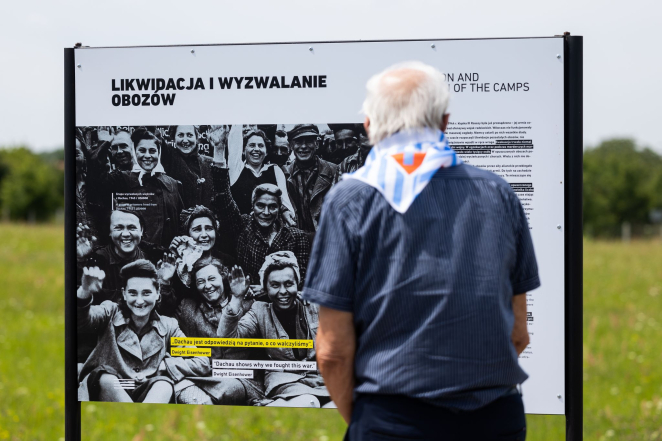
An elderly man standing with his back to the camera, wearing a blue and white striped scarf with a red triangle and the letter P on his neck. In the background, a board from an outdoor exhibition entitled: Liquidation and Liberation of the Camps.