About the Museum

The State Museum at Majdanek is the world's first museum commemorating the victims of World War II. Together with our branches in Bełżec and Sobibór we form the Triad of Remembrance that deals with the history of the Holocaust.

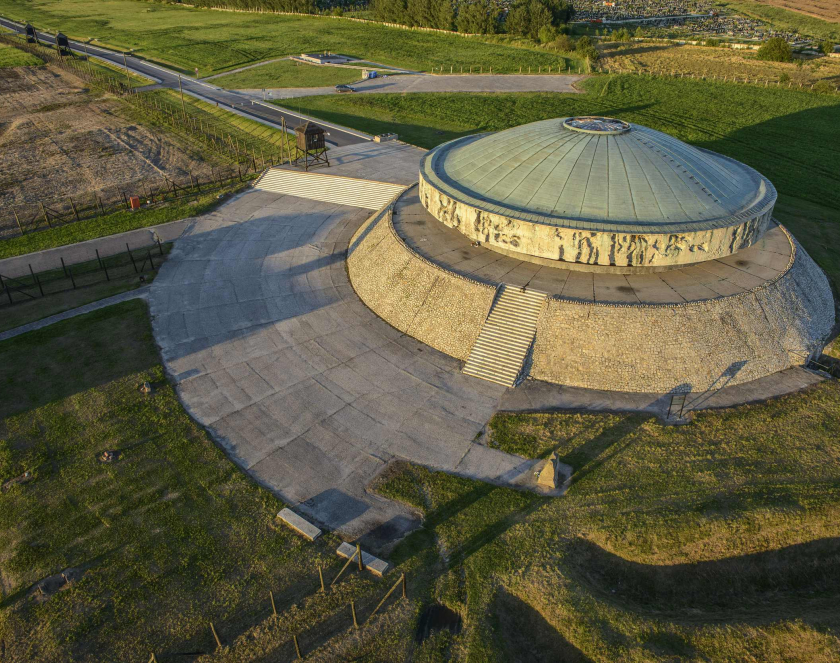
An aerial view showing the Mausoleum at Majdanek – a concrete monument with a round dome. Surrounded by green spaces

A group of people in front of the Gate Monument

Securing the Post-camp Grounds

The Museum conducts comprehensive activities aimed at protecting and preserving the site of the former Majdanek concentration camp. One of the institution’s primary tasks is to safeguard the surviving elements of the camp infrastructure and its historical landscape. These activities aim to maintain the authenticity of the site and make it accessible to visitors in a responsible manner. The biggest turning point in this context occurred in accordance with the mid-1960s Museum spatial development plan, which introduced the Monument of Struggle and Martyrdom unveiled in 1969 and reshaped the landscape of Majdanek.

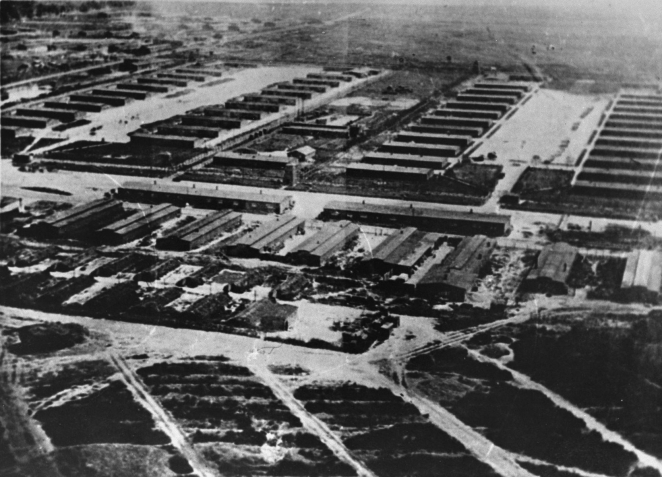
Aerial photograph, black and white. Rows of wooden barracks.

Organising Collections

The foundations of the Museum collections were laid upon the efforts to search for the original camp files, to secure all objects found on its former grounds, and to appeal for donating mementos held by the survivors or their families. They were additionally expanded through the 1960s museum-held contests for donating memoirs and mementos related to World War II history. Yet another extension was achieved through collecting video and audio testimonies. Tens of thousands of artefacts were also entered into the Museum records as a result of archaeological excavations held in Sobibór in the years 2000-2020. Some items are still incorporated into collections thanks to donations made by the families of Majdanek survivors.

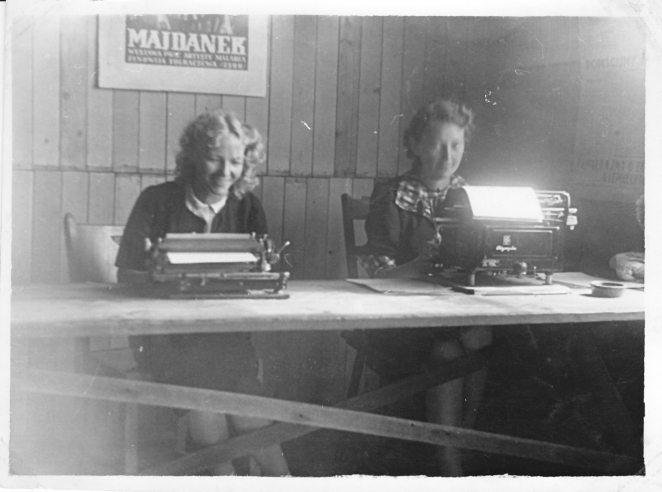
The photo shows two smiling women. They are sitting at a table in front of typewriters. Behind them is a poster with the inscription Majdanek.
Typists employed at the Museum, 1945

Learn more

From among the 300,000 artefacts included in the Museum collections, the majority are the shoes that the SS had stolen from the victims murdered at Majdanek and other death camps of operation “Reinhardt”.

Conservatory and Renovation Works

The conservation and protection of the camp’s physical heritage are the key areas of the Museum’s work. Specialist works cover both the original buildings and the numerous artefacts found on the site. Due to the passage of time and natural processes of deterioration, these objects require constant monitoring, research, and preservation using modern conservation methods.

Thanks to our measures taken between 2008 and 2021, the visitors can explore the specially adjusted barracks no. 62, which houses a rich exhibition that is available all year long, as well as the women’s bathhouse barracks, which had never been open to visitors until then. Further collections of artefacts and valuable documents are also undergoing conservation works. To this end, they are sent to professional workshops, and since 2015 the Museum also runs its independent conservation studio.

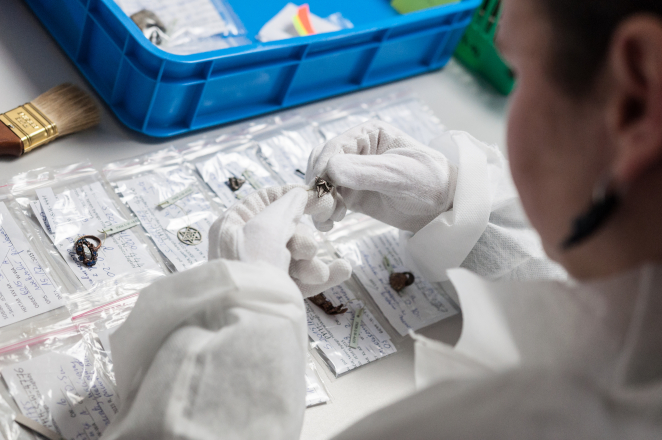
Hands wearing white gloves hold a metal object. Other similar objects and a paintbrush are on the table.
The scope of the State Museum at Majdanek is expanded with two branches – the Museum and Memorial in Bełżec opened in 2004, and the Museum and Memorial in Sobibór opened in 2012. Memorials operate within both of these sites, which now comprise commemorative spatial designs, visitor service and education centres, and permanent exhibitions.

Exhibitions

One of the primary domains of Museum’s activities exhibitions, which describe the history of KL Lublin and the fate of its prisoners, while simultaneously explaining the German Nazi extermination policies imposed on the Lublin region during World War II. Our exhibitions are based on the results of meticulous research, archival materials, eyewitness accounts and artefacts held in the Museum’s collections.

Permanent exhibitions are presented on the former camp grounds. They describe the functioning of the camp, the prisoners’ living conditions, the mechanisms of terror, and the scale of the crimes committed by the German occupation authorities. Being tangible pieces of the discussed camp reality, the authentic infrastructure elements and objects found on site are their crucial element.

They are supplemented with temporary exhibitions that are prepared either by the Museum independently or in cooperation with various domestic and foreign partners.

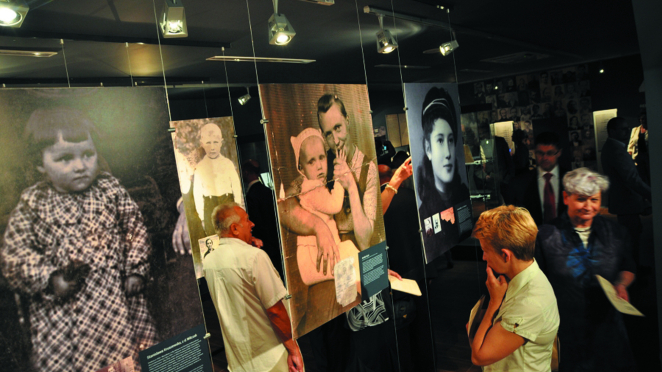
Visitors view a museum exhibition featuring large suspended portrait photographs of people from the past, displayed in a dimly lit gallery space.
Opening of the first exhibition displayed in barracks no. 62, 2013.

The first temporary exhibitions about KL Lublin were created already in 1944. A year later, the first permanent exhibition was opened at the Museum. A new chapter in this field came in 2004, when a modern permanent exhibition was opened at our branch in Bełżec. It was a fruit of a Polish-American cooperation project, for which we received the “Sybilla” award. In 2020, an exhibition devoted to the history of the extermination camp in Sobibór was opened, for which in turn we received a special commendation in the 2024 European Museum of the Year Award contest. Nearly at the same time we received another “Sybilla” prize for the Museum and Memorial in Sobibór project.

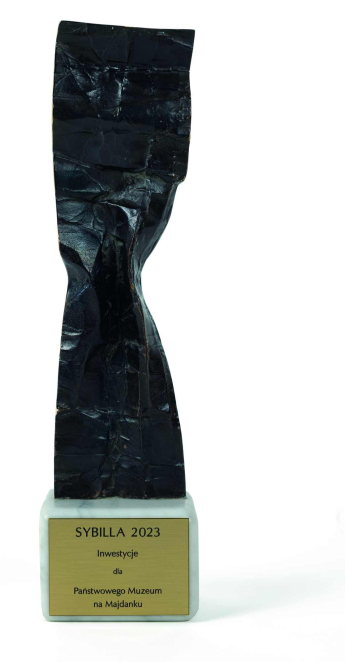
The Sybilla 2023 award statuette with an abstract dark form, placed on a light base with a plaque reading “Sybilla 2023 – Investments for the State Museum at Majdanek.”

Research and Publishing

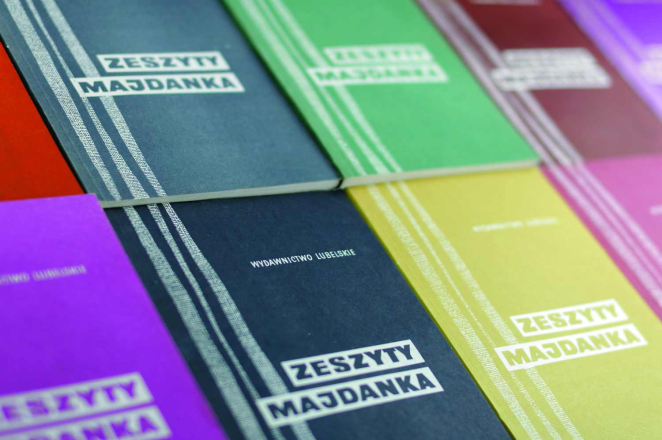
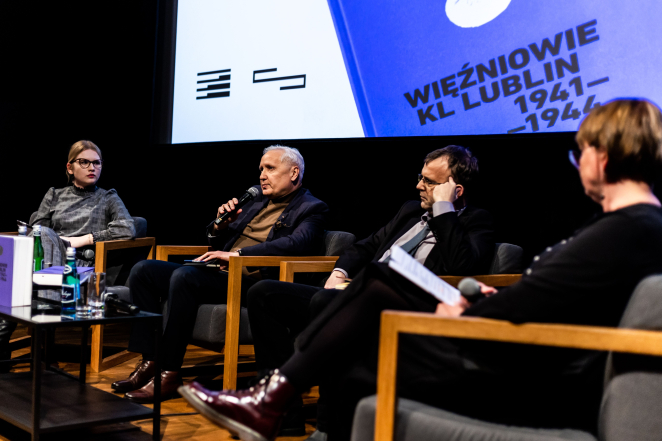
The State Museum at Majdanek has been conducting historical research for decades. Professional scholarly endeavours began in the 1960s, and their research became canon for the general knowledge about the camp and its prisoners. The first results were published within the academic journal Zeszyty Majdanka [Notebooks of Majdanek], which has served as a platform for publishing new findings on the camp history for years. In the following years the Museum released vital monographs including the one written by Józef Marszałek (1981), a collective work Majdanek 1941–1944 edited by Tadeusz Mencel (1991). The latest monographic work was published in 2022 under the title The Prisoners of KL Lublin 1941–1944 edited by Tomasz Kranz and Wojciech Lenarczyk.

Multicolored book covers lying next to each other. On them is written: Majdanek Notebooks.

In the recent years the Museum conducts extensive interdisciplinary research, which focuses on the camp history, Nazi terror policies in the Lublin region, as well as various aspects of contemporary museum institutions including collections managing, commemorative projects, and museum education. In this field, the reflection on the role of memorials in the contemporary world is of particular significance.

Four people sitting in the photo. One of them is holding a microphone. In the background, there is a board with a book cover.
The Prisoners of KL Lublin 1941–1944 book premiere

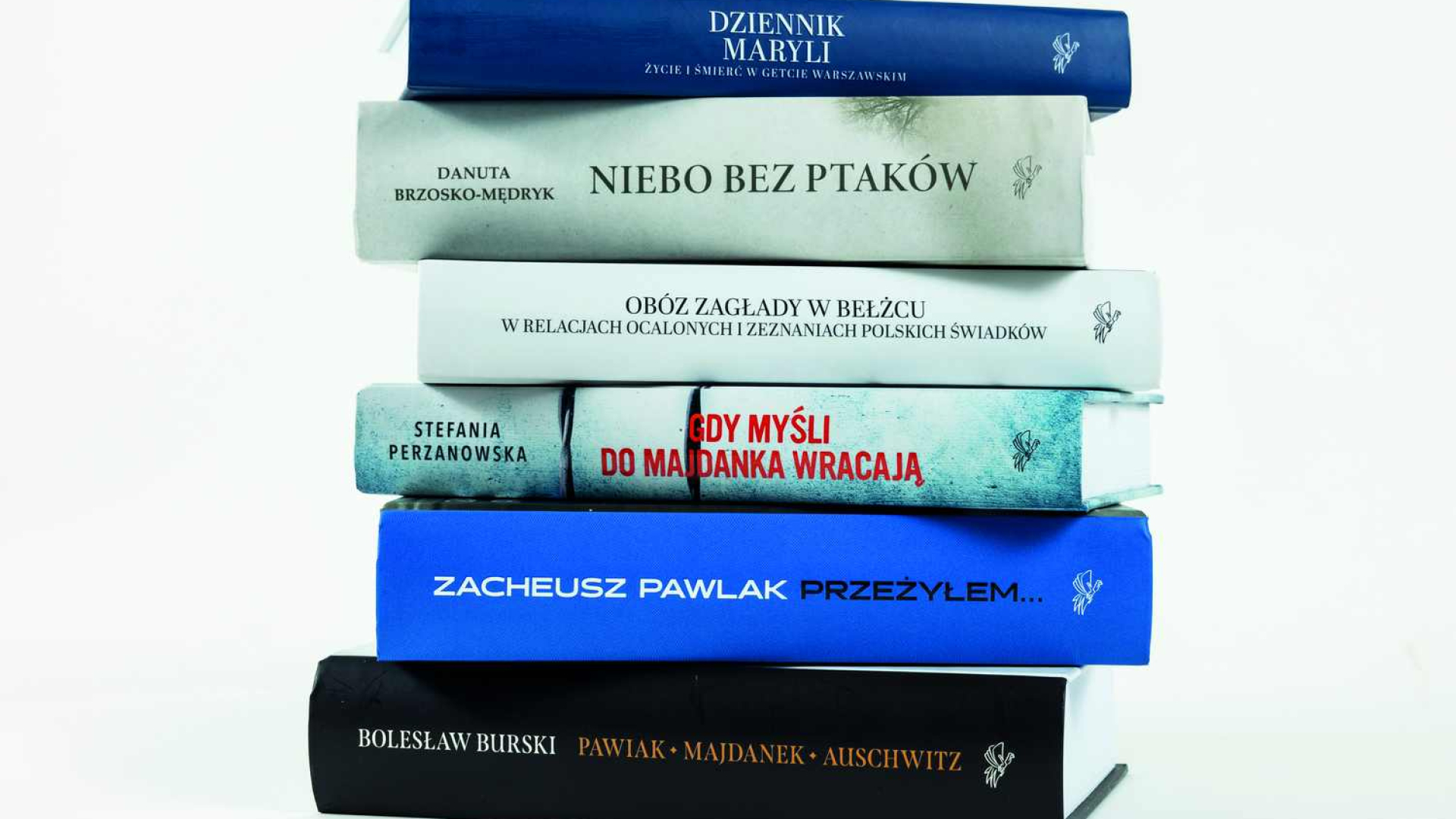
Publishing is also a key part of the Museum’s activities. Although the institution does not have a traditional publishing house, it has been publishing books under its own imprint for over three decades. In addition to academic and popular science works, it also produces publications aimed at a wide audience – new editions of prisoners’ memoirs, accounts published for the first time, exhibition catalogues and informational materials accompanying the Museum’s activities.

Photograph of a stack of six books

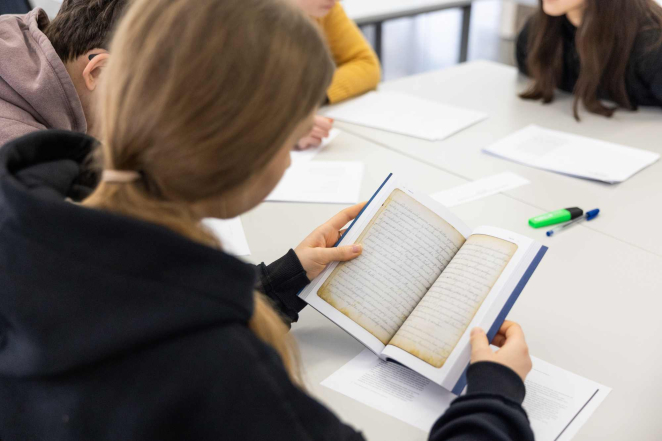
From the very beginning, the Museum’s staff have attached great importance to raising awareness of the crimes committed at the KL Lublin German Nazi concentration and extermination camp. To this end, they have organised exhibitions, published books and articles, and held numerous lectures and meetings to raise public awareness of the camp’s history. Education very quickly became a key element of these activities. The Museum’s educational programmes have undergone a significant transformation – from lectures organised as part of educational activities as early as 1955 to contemporary workshops and educational sessions run for young people from Poland and abroad, groups at risk of social exclusion, and representatives of the uniformed services. Currently, these activities are carried out on the basis of the Museum’s original educational concept, referred to as the pedagogy of memory, which combines the transmission of historical knowledge with reflection on the present day and responsibility for remembrance.

A workshop participant sits at a table reading an open book during an educational session, with other participants and study materials visible in the background.

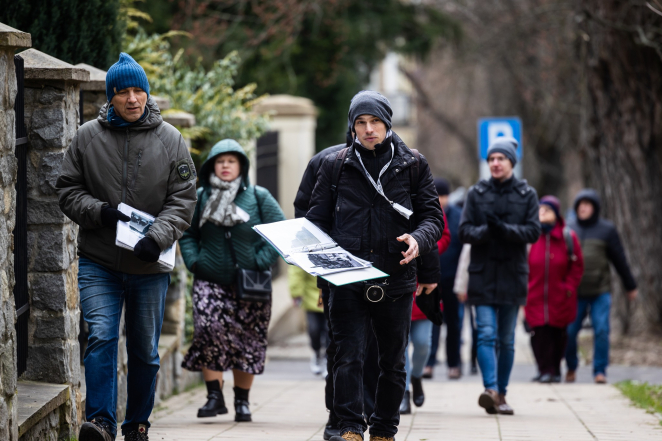
The Museum is gradually expanding its presence in the public sphere – both locally and nationwide. Our staff members organise guided tours devoted to the World War II history of Lublin in the city space, meetings and discussions devoted to new books, and many other events. We also continue our work in the digital domain that is marked e.g. by our online “Varia” magazine and podcasts recorded with our historians.

Thanks to these measure, the Museum is able to reach broader audiences, and thus establish a platform for dialogue, reflections, and responsible historical memory.

A group of people is walking through the city. In the middle is a man holding a binder with photos in his hand.

Meeting Space

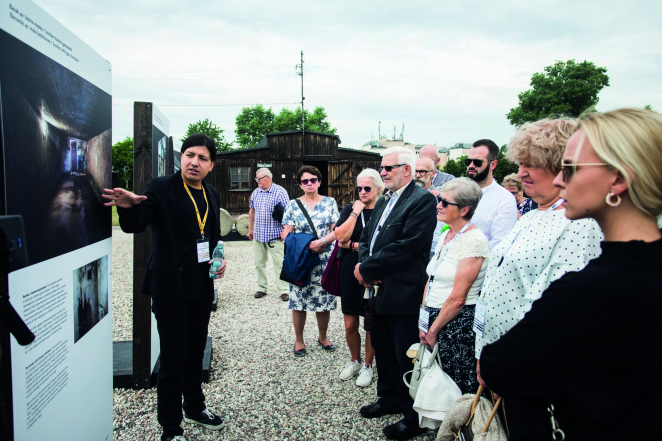
Since its creation the State Museum at Majdanek has served as a place for meetings, dialogue and shared reflection on history. As early as November 1945, the institution established a partnership with the Society for the Protection of Majdanek. Together, they organised anniversary ceremonies, initiatives to commemorate the camp’s victims, and events to raise awareness of its history. In the 1960s, the Museum intensified its relations with survivors. Reunions and gatherings were organised to bring together the community of the former prisoners, who actively participated in the institution’s activities. Of particular significance were their meetings with young people visiting Majdanek – their first-hand testimonies became a key element of the Museum’s educational activities. Building on this tradition, the “Generations” reunion was organised in 2019, gathering the families of former prisoners of Majdanek. The aim of the meeting was, among other things, to build relationships with the descendants of these historical witnesses and to jointly preserve the memory of the camp’s victims.

On the left, display boards and a man talking about them. On the right, a group of people of various ages.

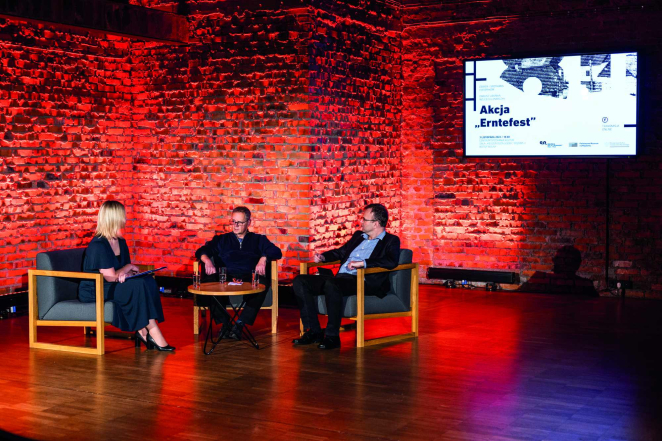
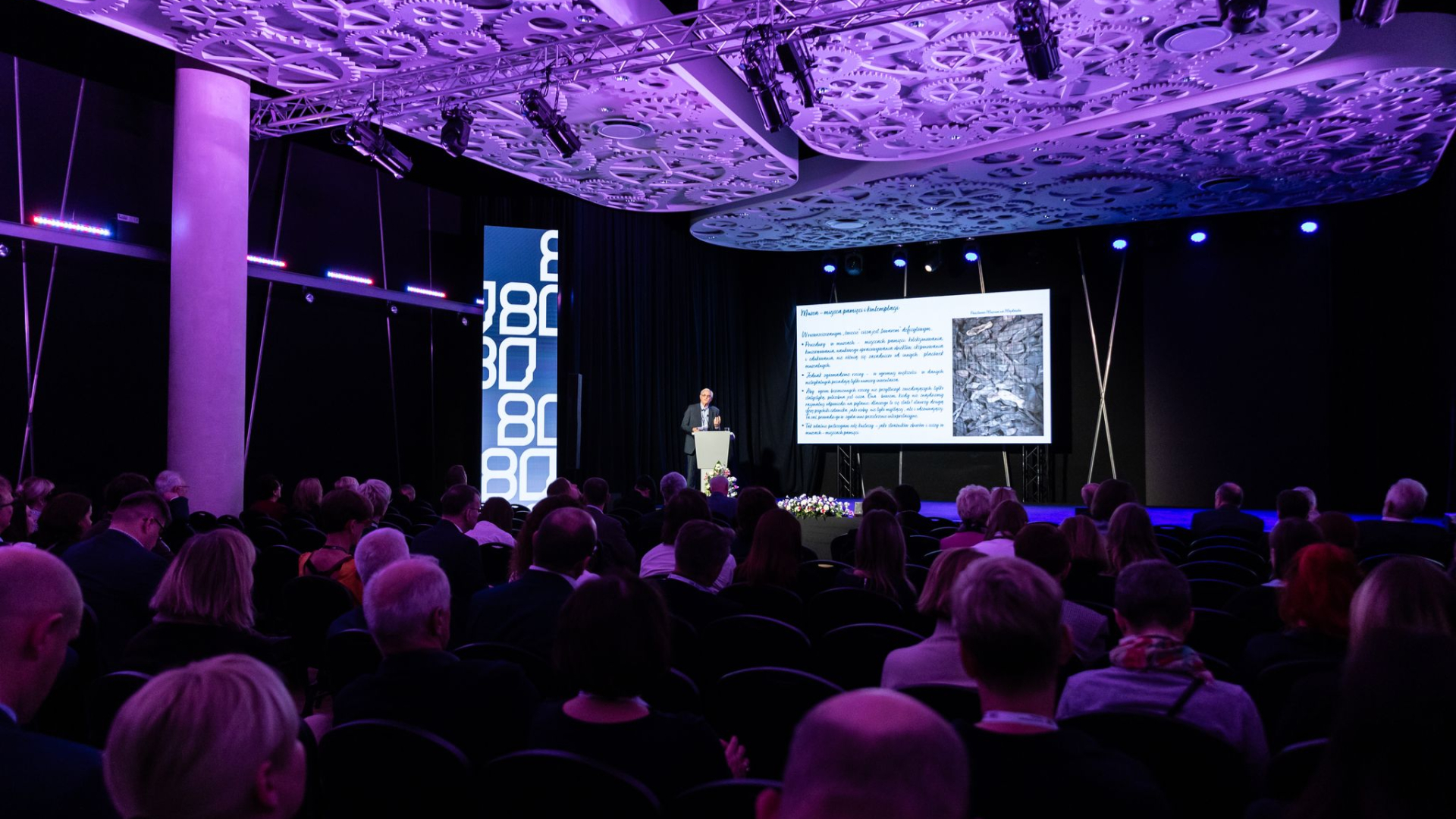
Yet another important part of Museum activities are the academic debates and scholarly events. Launched in the 1970s, these sessions have made Majdanek an important venue for discussion and the exchange of views amongst researchers specialising in the history of World War II, the concentration camp system and issues of remembrance. Today, our conferences and seminars focus on topics such as Operation “Reinhardt”, how the younger generations perceive World War II, and the psychological aspects of camp life – from the perspective of both perpetrators and victims. Thanks to these initiatives, the Museum remains a space for open dialogue, research and reflection on history and its significance for the present.

A panel discussion taking place in a venue with a red-lit brick wall; three speakers sit in armchairs and converse on stage.
Debate held as part of the 80th anniversary of operation "Reinhardt"
A speaker delivers a presentation from a podium during a conference in an auditorium, with an audience seated and a presentation displayed on a screen behind him