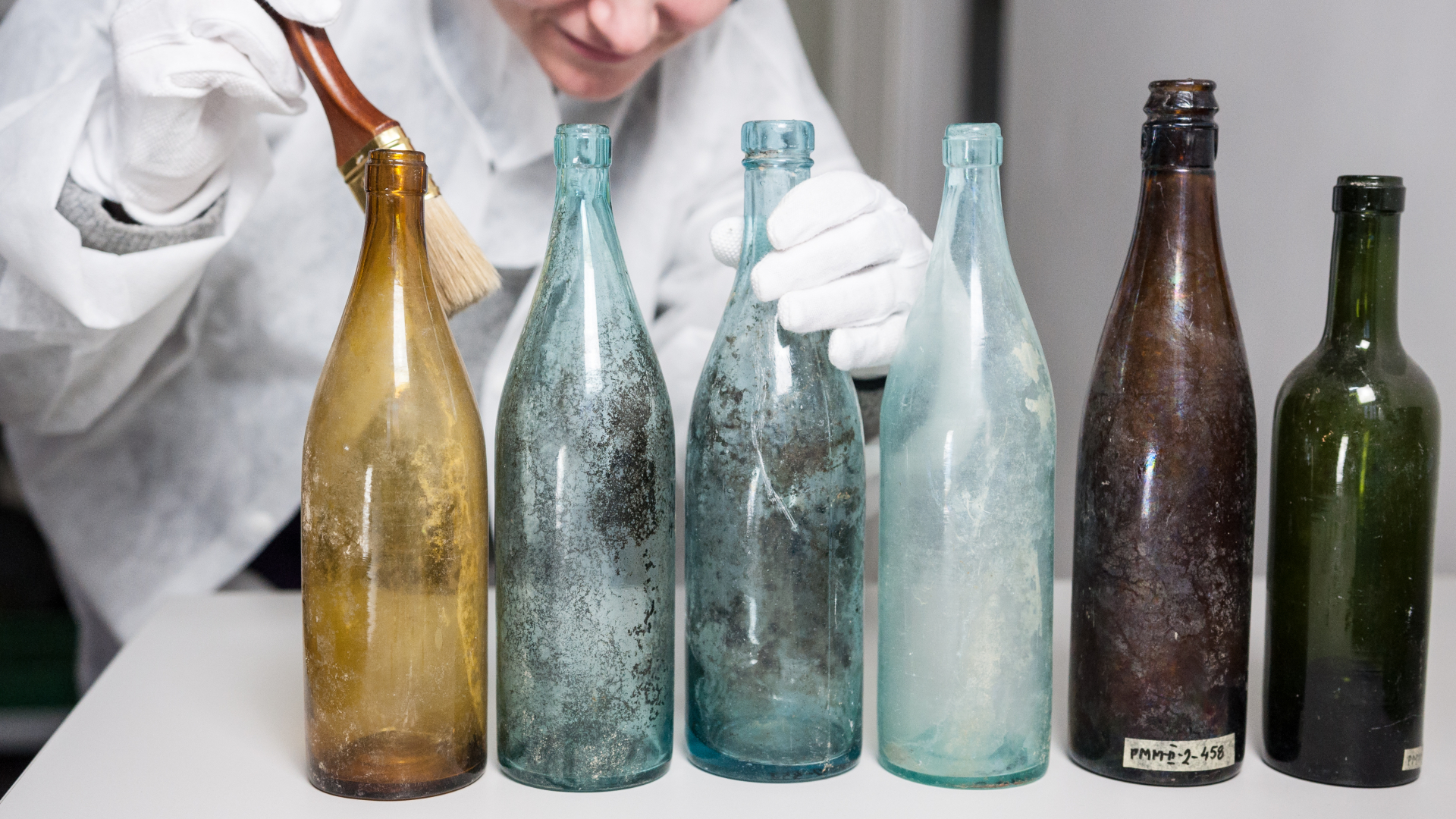
The artefact collections of the State Museum at Majdanek include the objects related to the history of the Majdanek German Nazi concentration and extermination camp as well as of the German Nazi death camps in Bełżec and Sobibór. They also contain the contemporary works of art related to the anti-war and martyrdom topics. Additionally, the Museum has an auxiliary collection, which includes objects admitted into deposit and items that do not meet the requirements to be entered into the inventory.
Collections
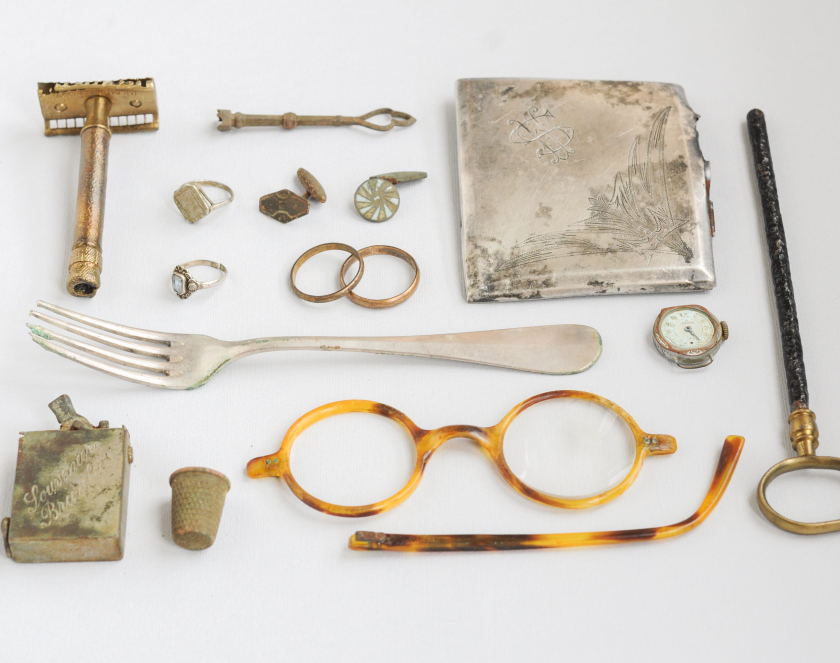
The State Museum at Majdanek preserves unique testimonies of history. Our collections include personal belongings that the SS plundered from their victims, original camp files, witness accounts, photographs, and objects unearthed during archaeologic research. Protecting the tangible remnants of the past is our act of remembrance and a part of our contemporary obligation.
Historical Collection
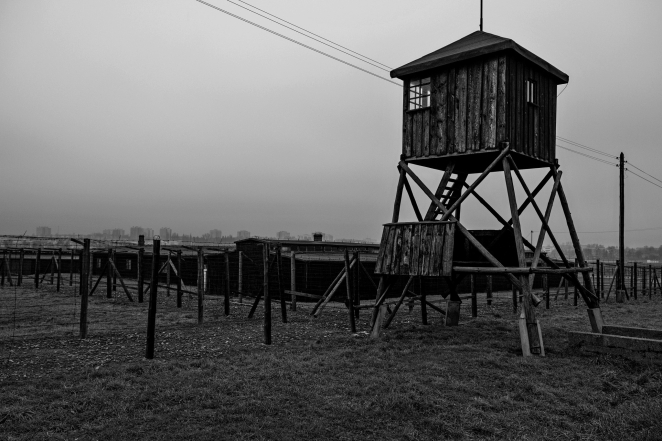
Historical collection includes immovable objects remaining on the grounds of the former camps at Majdanek, Bełżec, and Sobibór as well as items related to the activities of memorials operating in those sites. The camp remnants acquired by the Museum after the liquidation of KL Lublin and those found during archaeological research have a particularly high documentary value. Some items were donated by survivors or their families, donated during mementos collecting campaigns, and found during routine inspections or conservatory works.
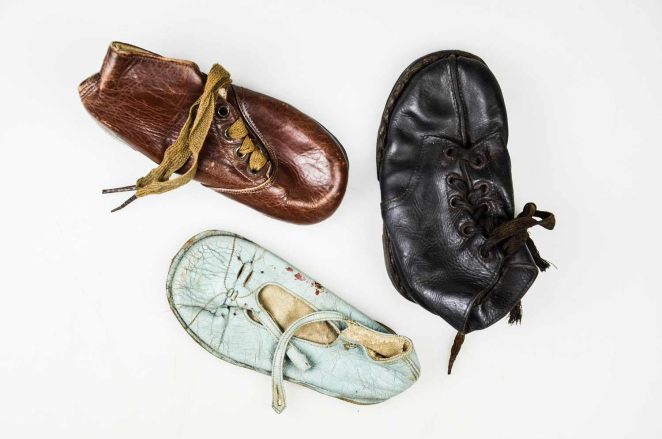
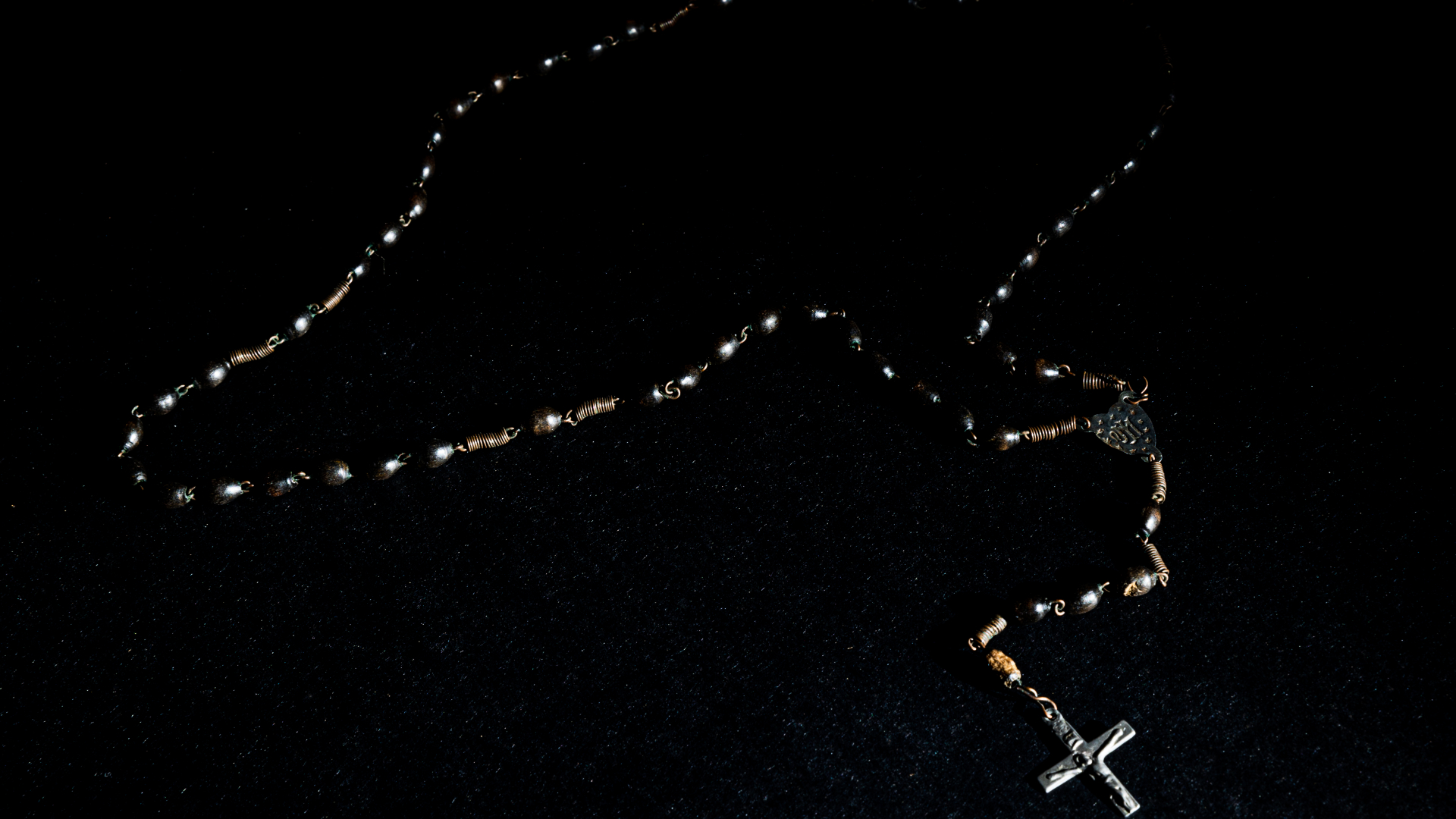
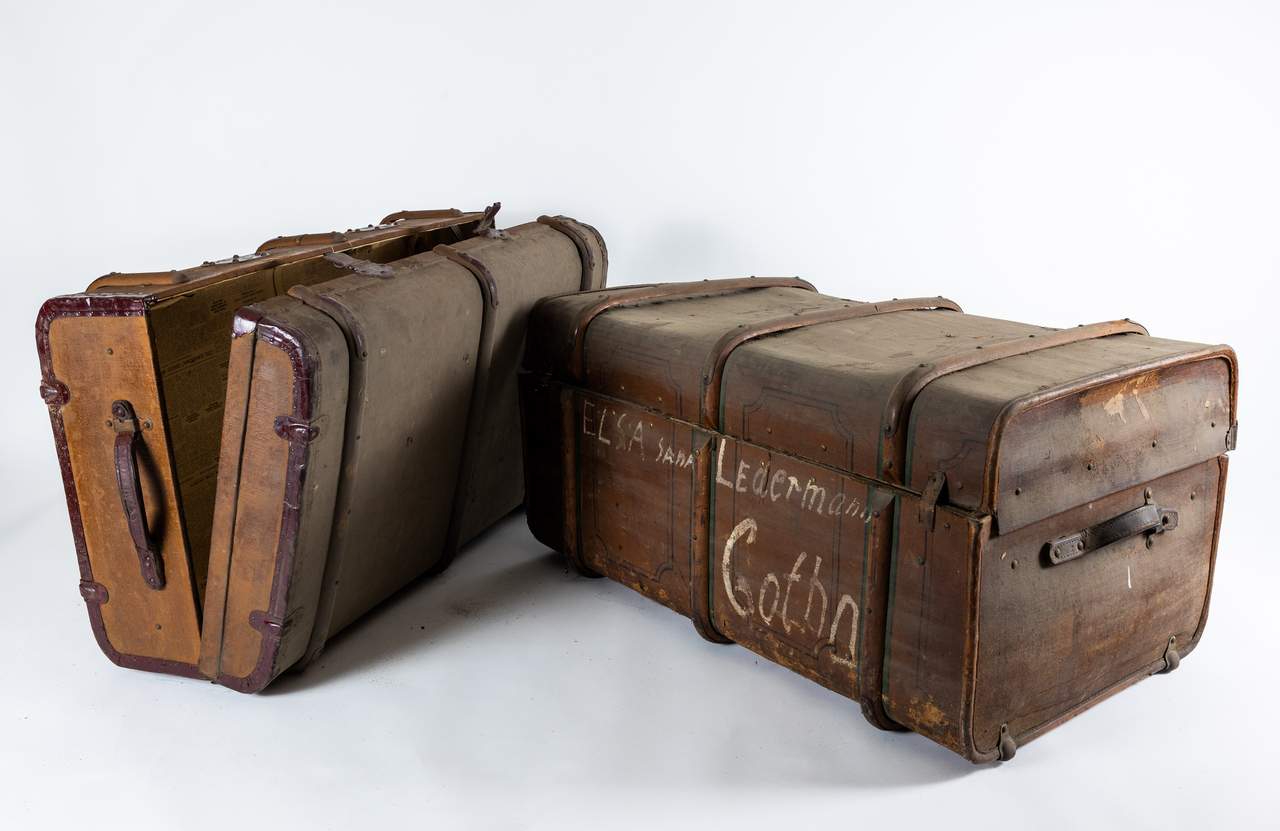
From among the ca. 300,000 artefacts preserved in the Museum, the victims’ shoes constitute a decisive majority. There are approximately 280,000 items of footwear. They used to belong to the victims of Majdanek and the extermination camps of operation “Reinhardt”. The same batch of artefacts also contains various items confiscated from the deportees shortly upon their arrival at the camp: tooth brushes, keys, suitcases, glasses, shaving tools, prayer books, and toys.
Museum also collects objects which document the everyday reality of the camp: tags with prisoner numbers, bunkbeds, cups, bowls, and warning signs. Particularly important sub-categories include items related to extermination and the camp SS garrison members.
Artistic Collections
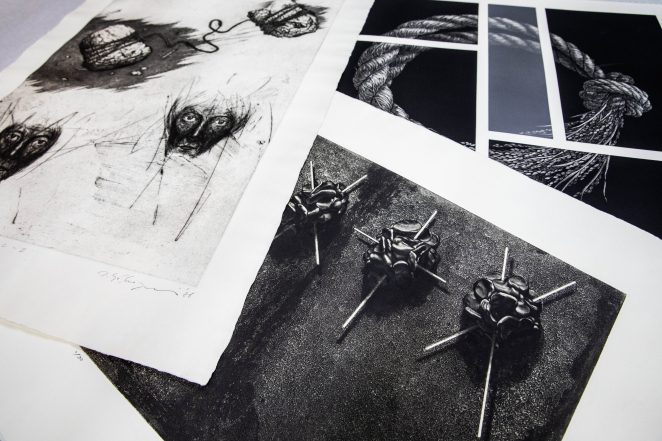
The Museum artistic collections include pieces of anti-war and martyrdom topics from the spheres of painting, graphic arts, photography, posters, and sculptures. Those works were acquired primarily through exhibitions and contests held by the Museum like the National Visual Arts Competition or the International “Against War” Triennials. The collection also contains folk pieces depicting anti-war and martyrdom topics – mainly wood sculptures and paintings on glass.
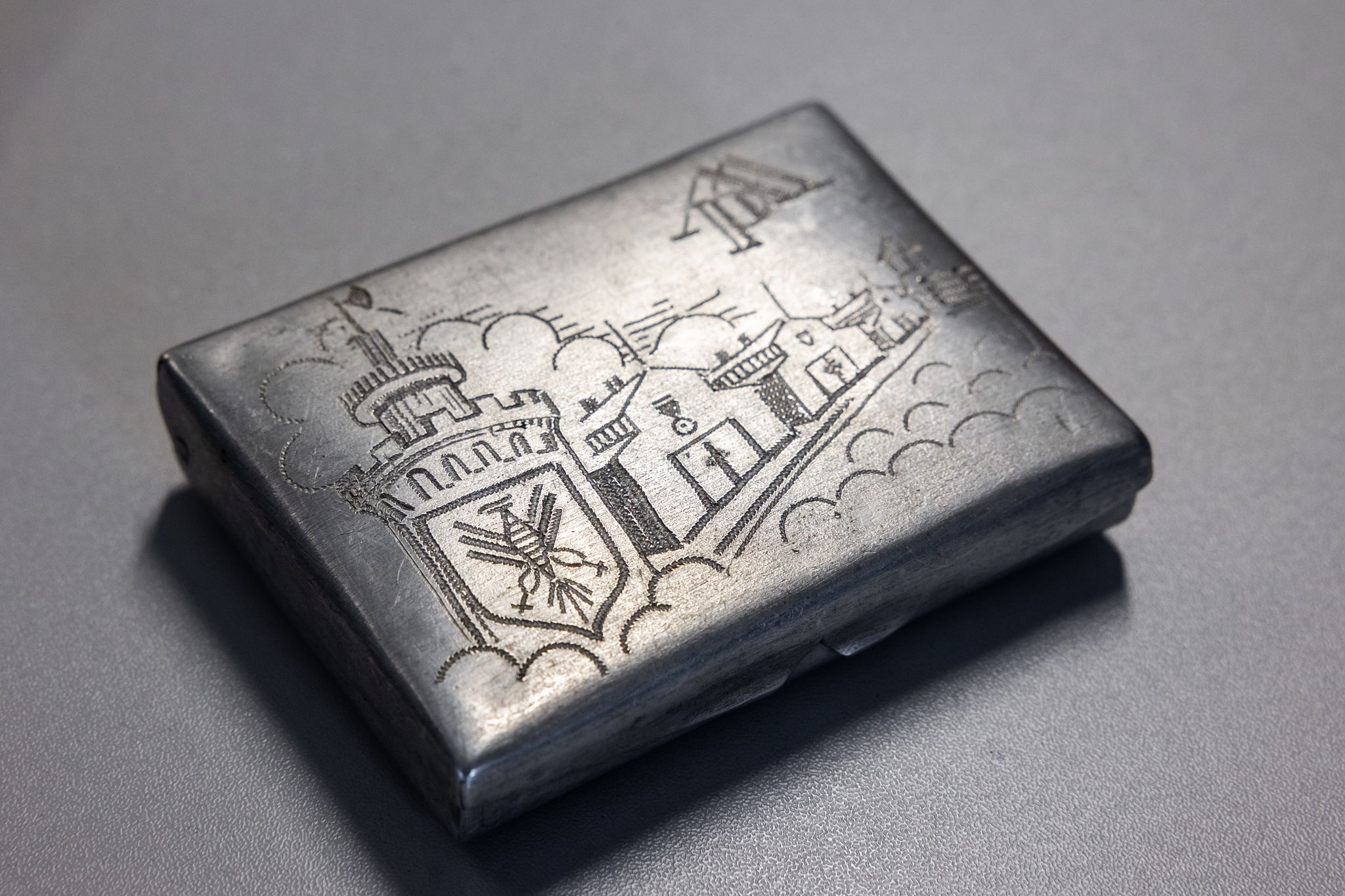
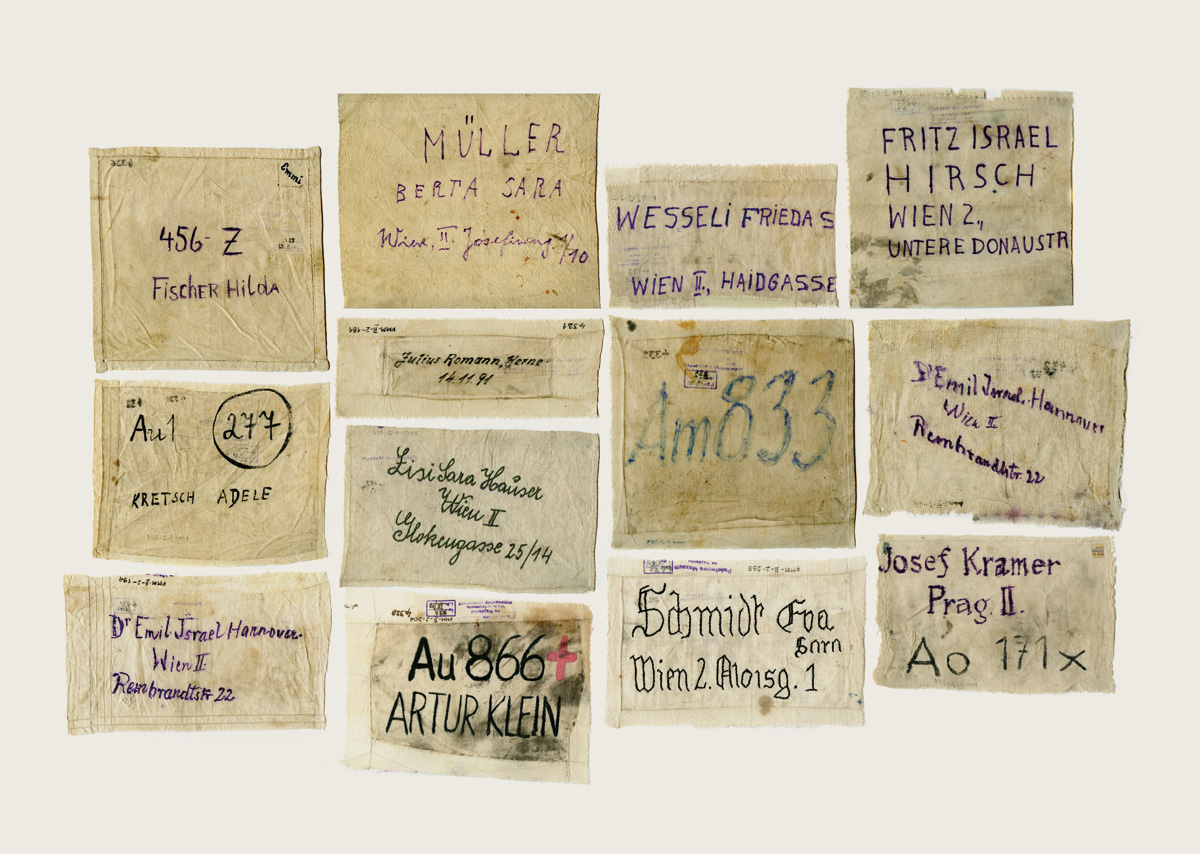
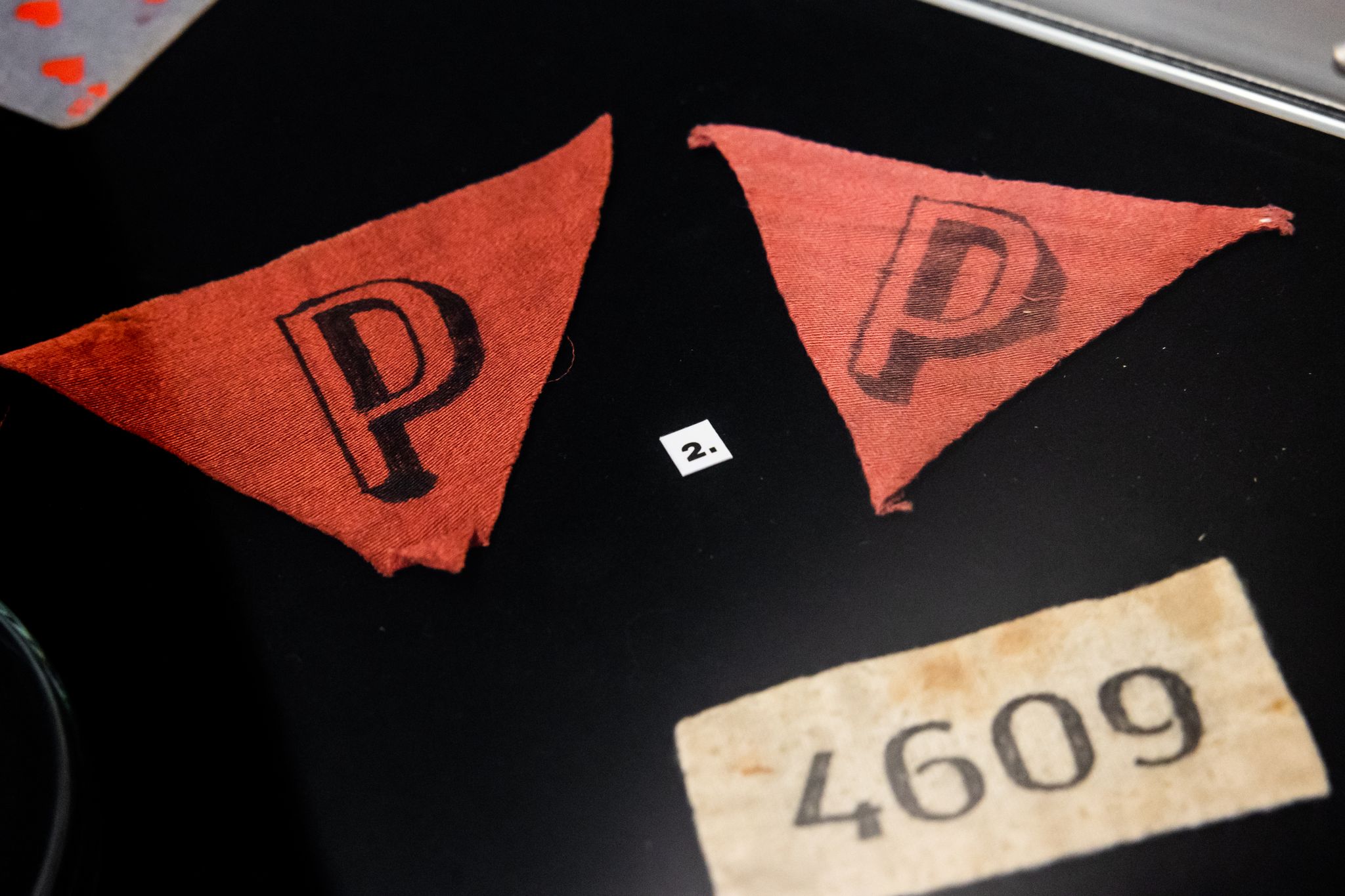
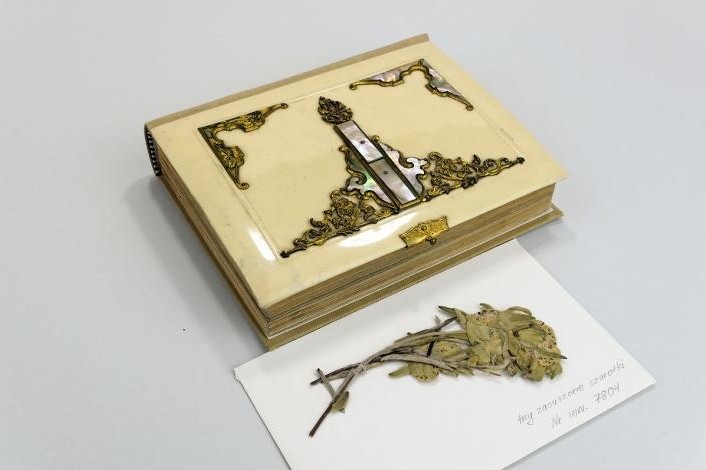
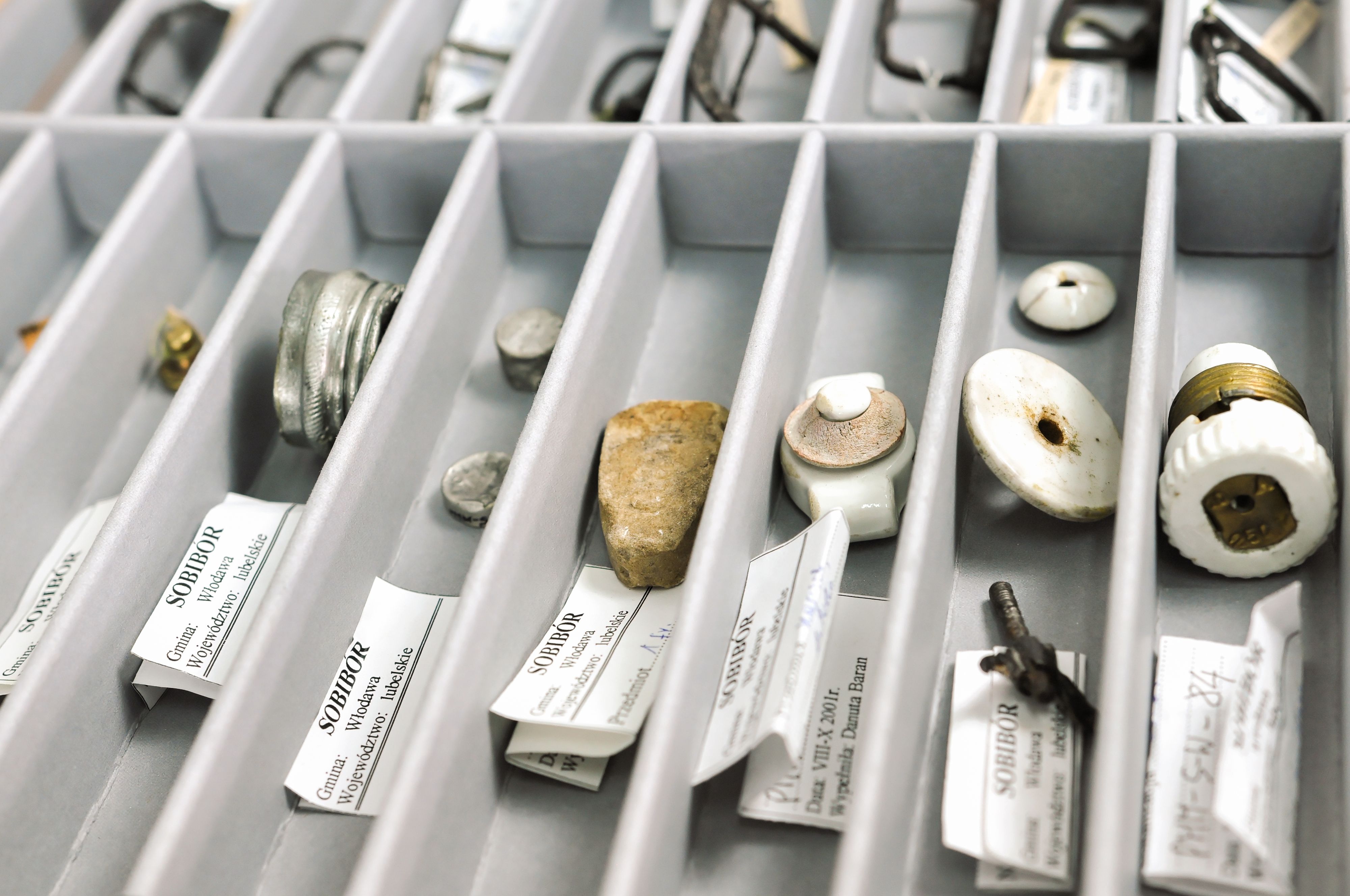
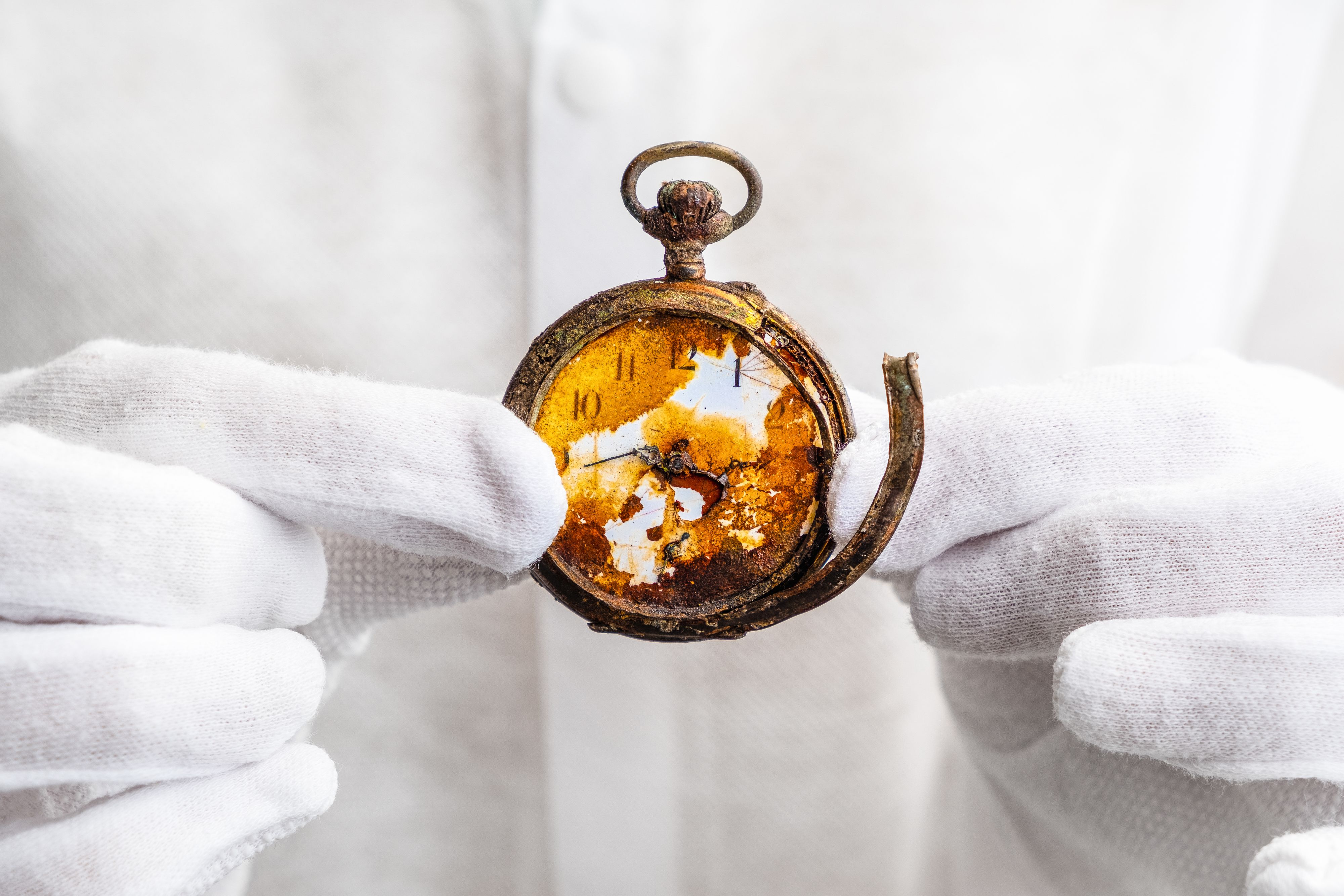
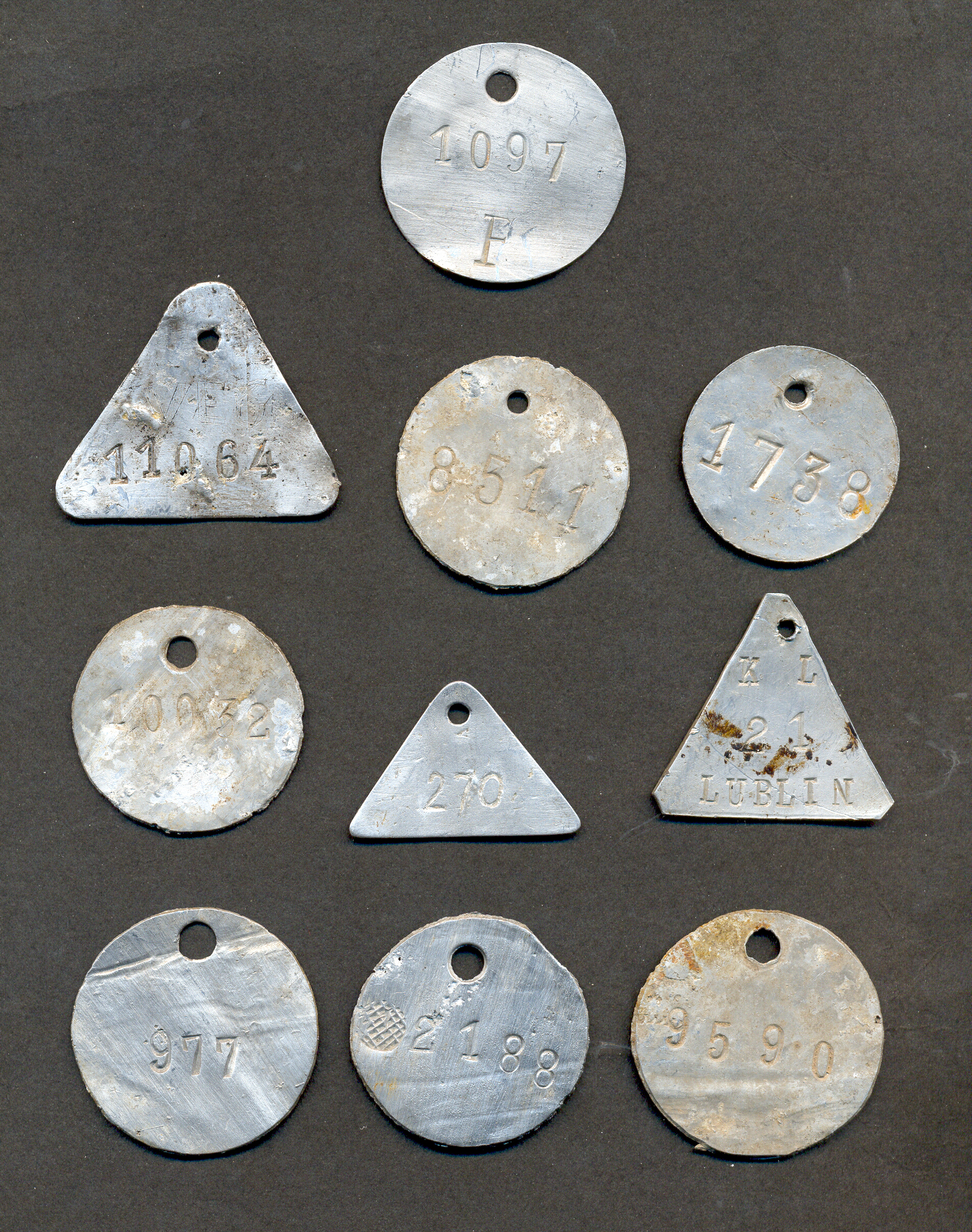
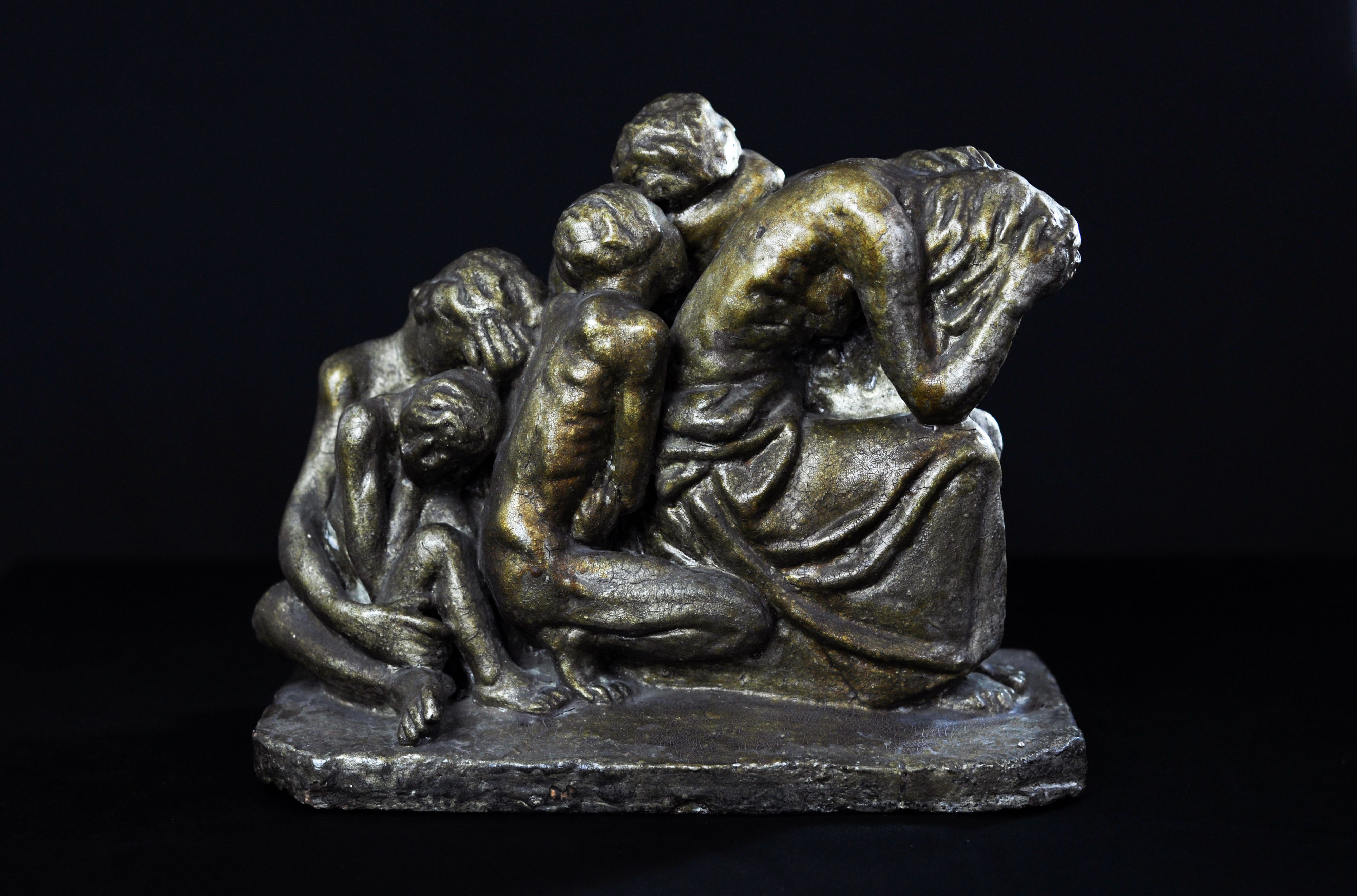
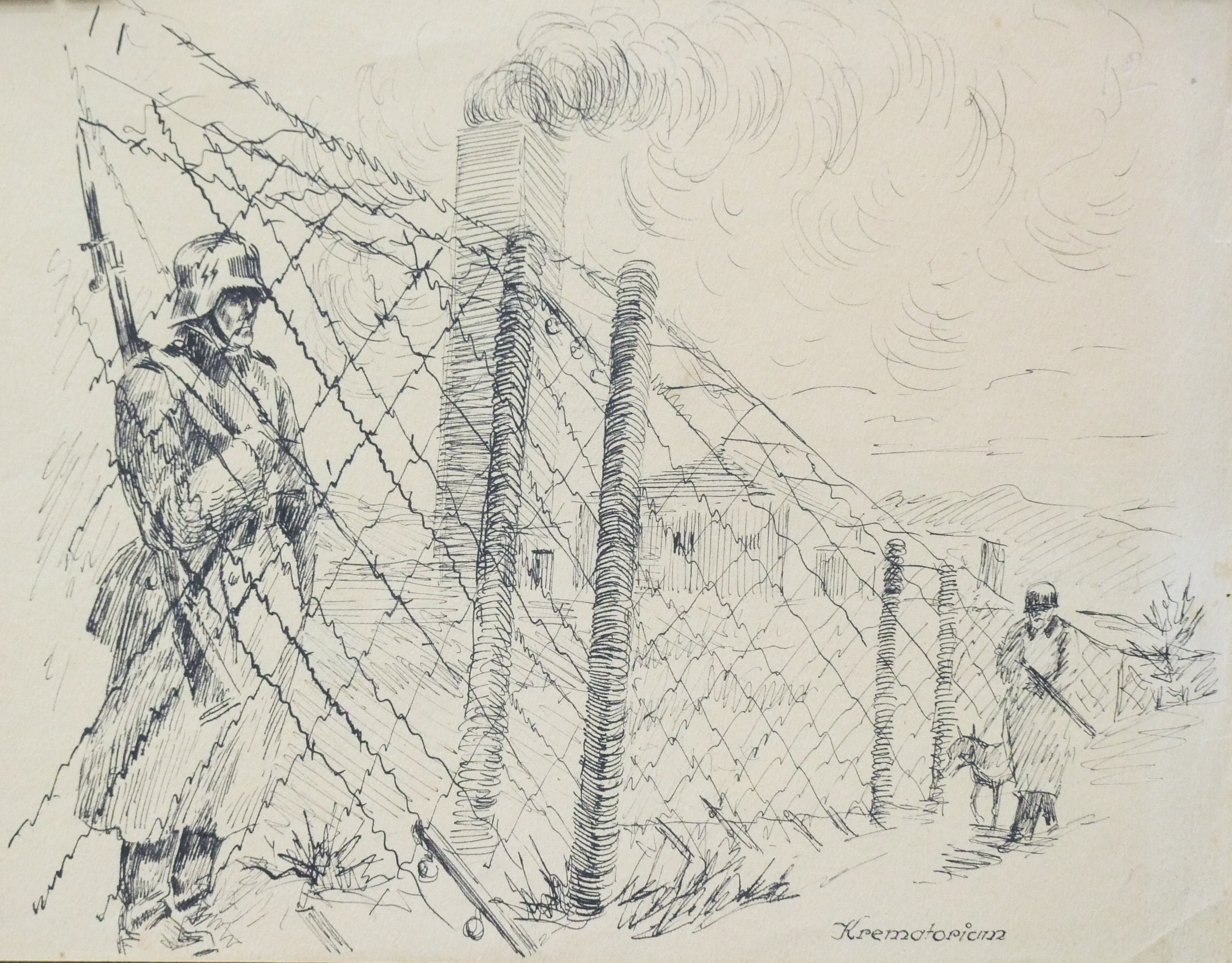
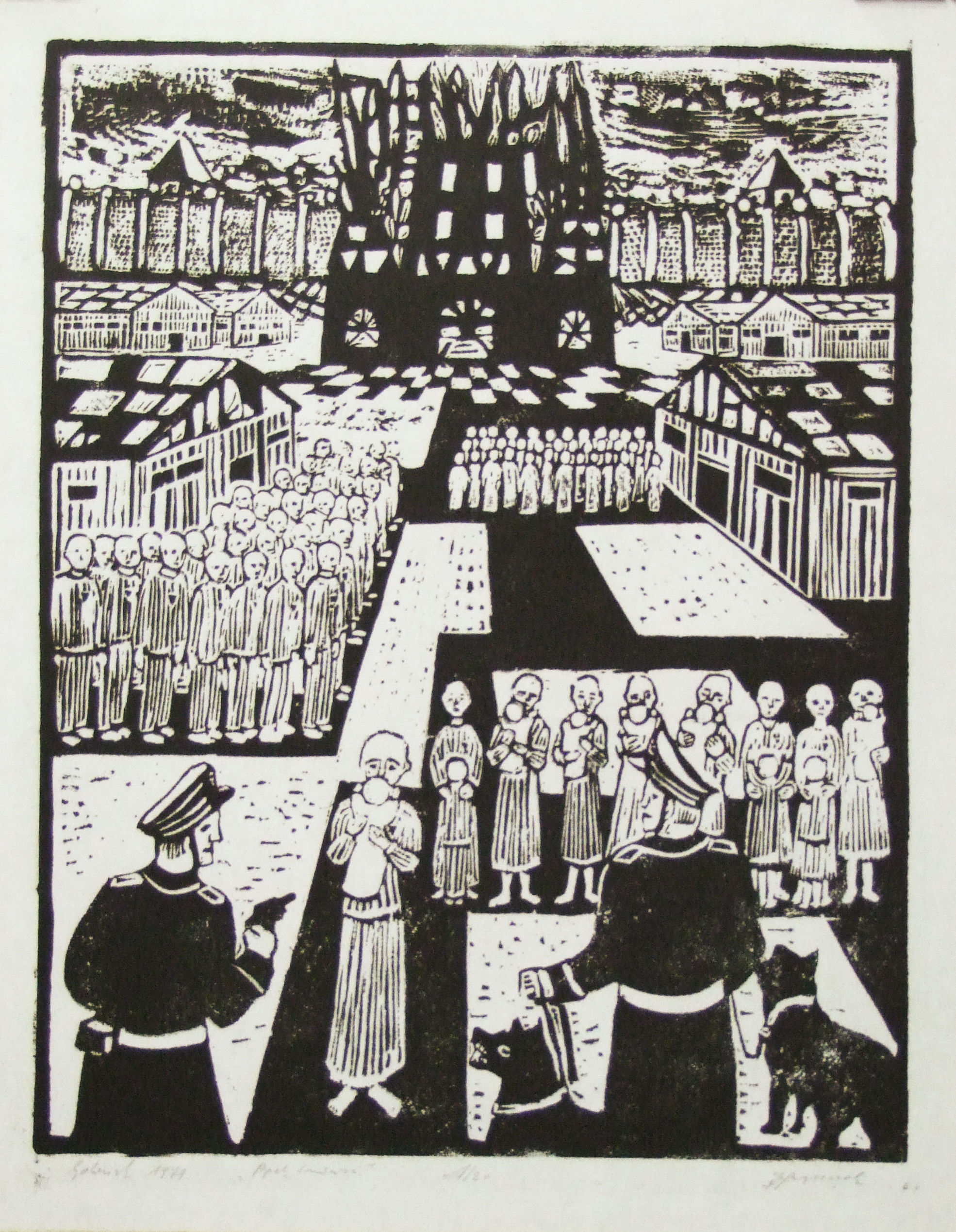
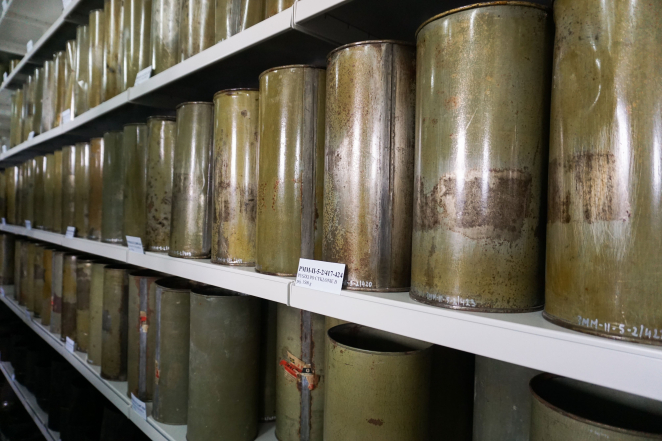
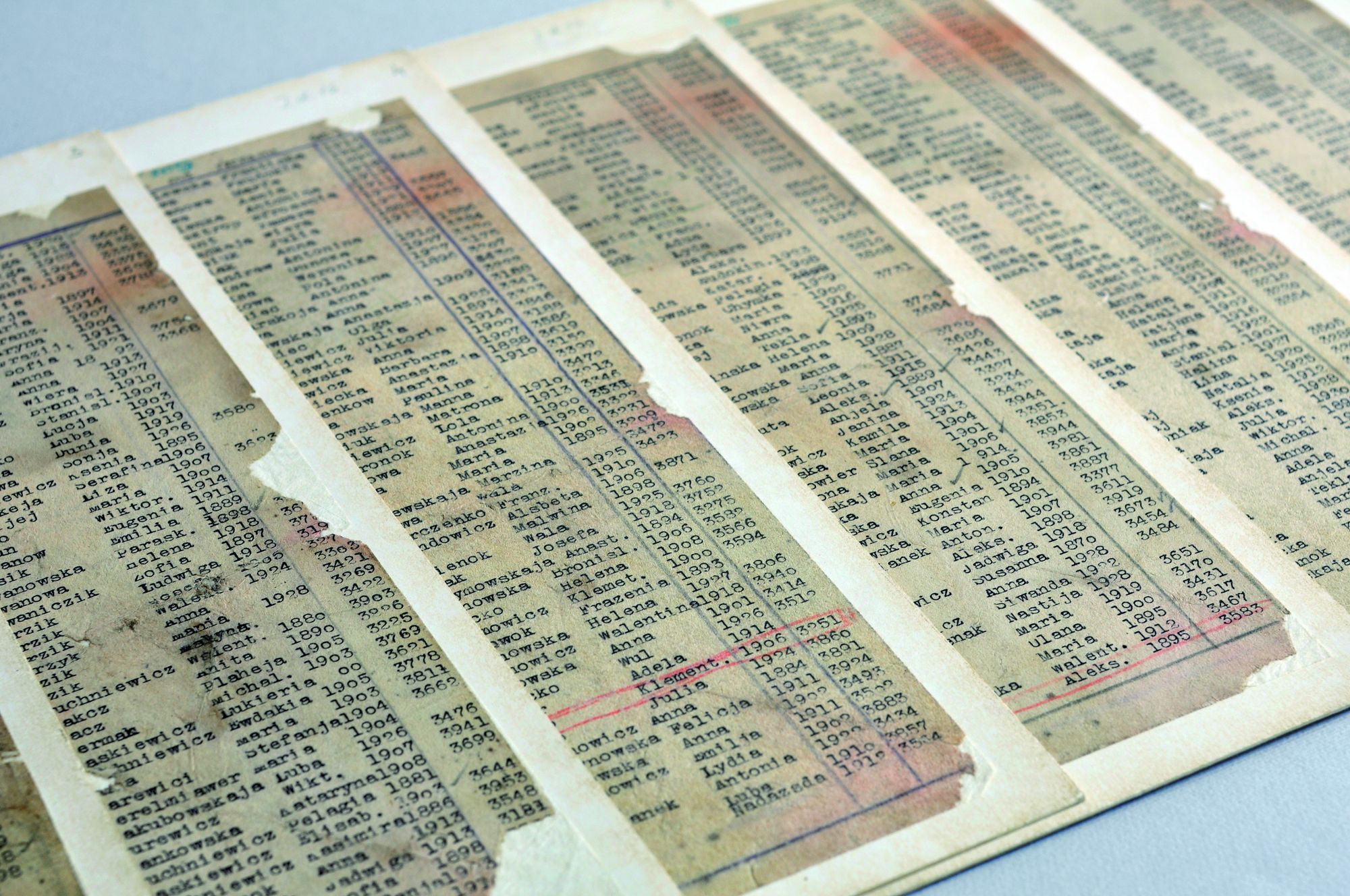
Found under layers of dirt, among the ruins of barracks and among litter – the elements of files from the camp offices were among the first documents preserved in the Museum archives.
Archival Sources
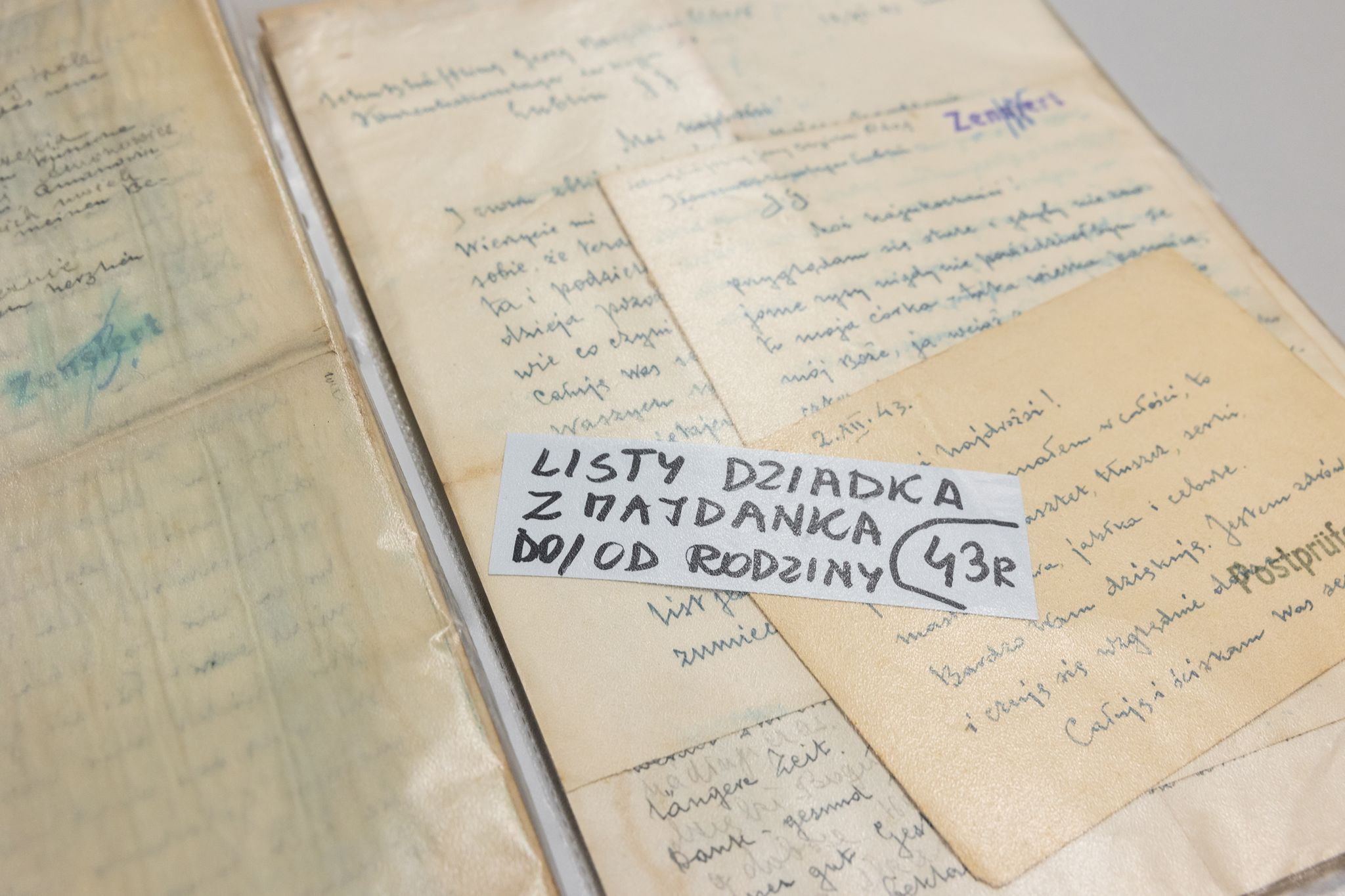
There are over 18 running metres of original camp files preserved on the shelves of our Archives. Besides the sources related to KL Lublin and the extermination camps in Bełżec and Sobibór, we also collect materials connected with the victims’ fates and documenting the history of Museum activities.
Historical Documents
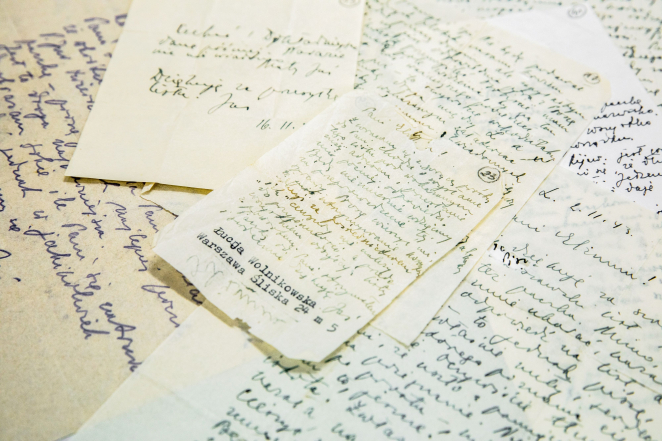
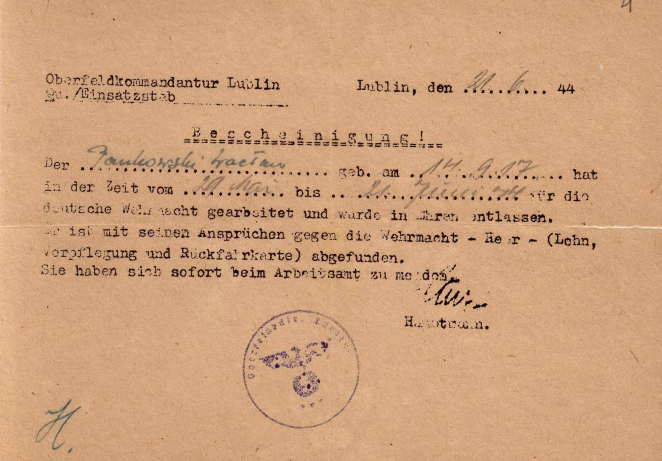
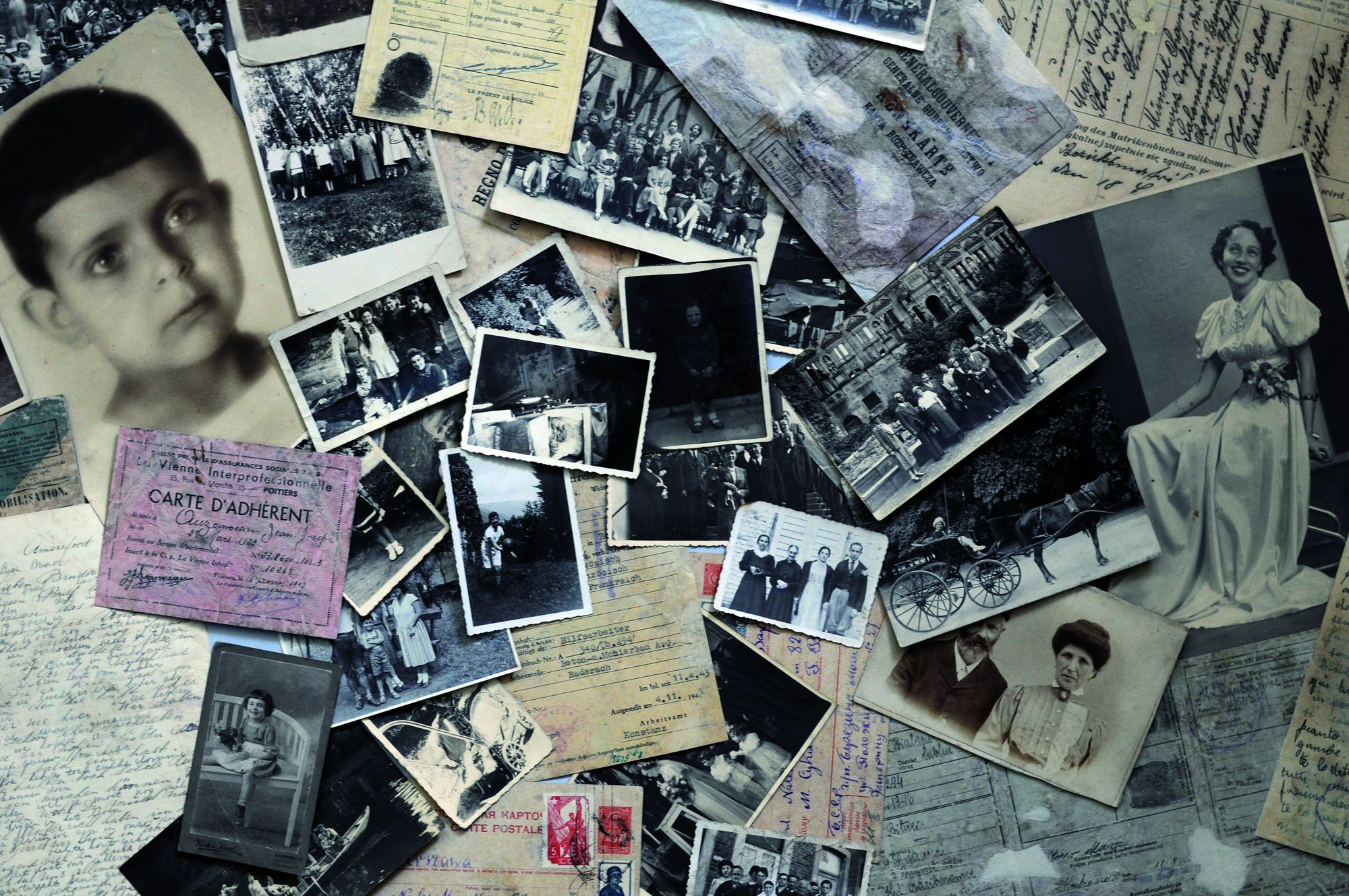
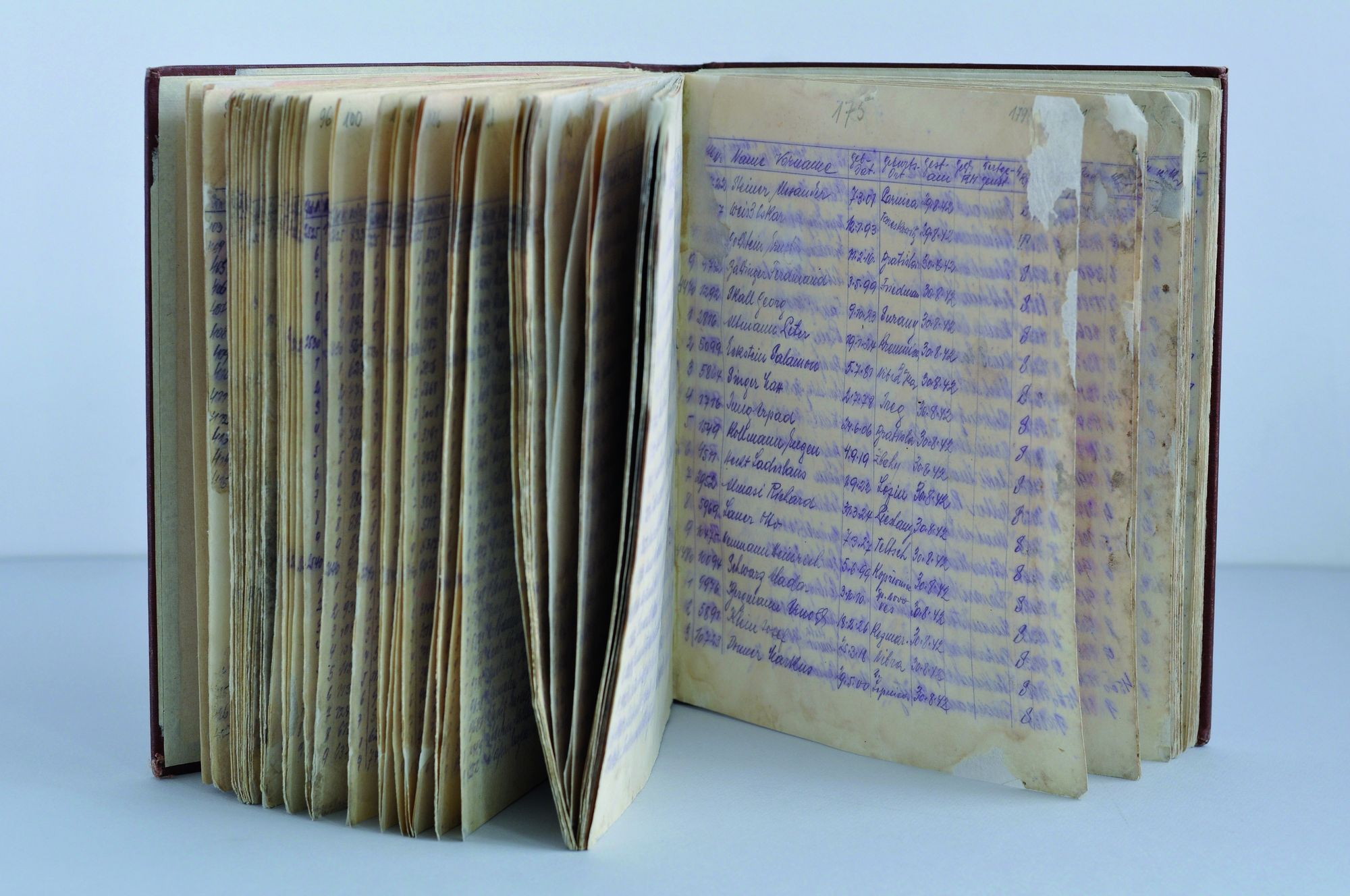
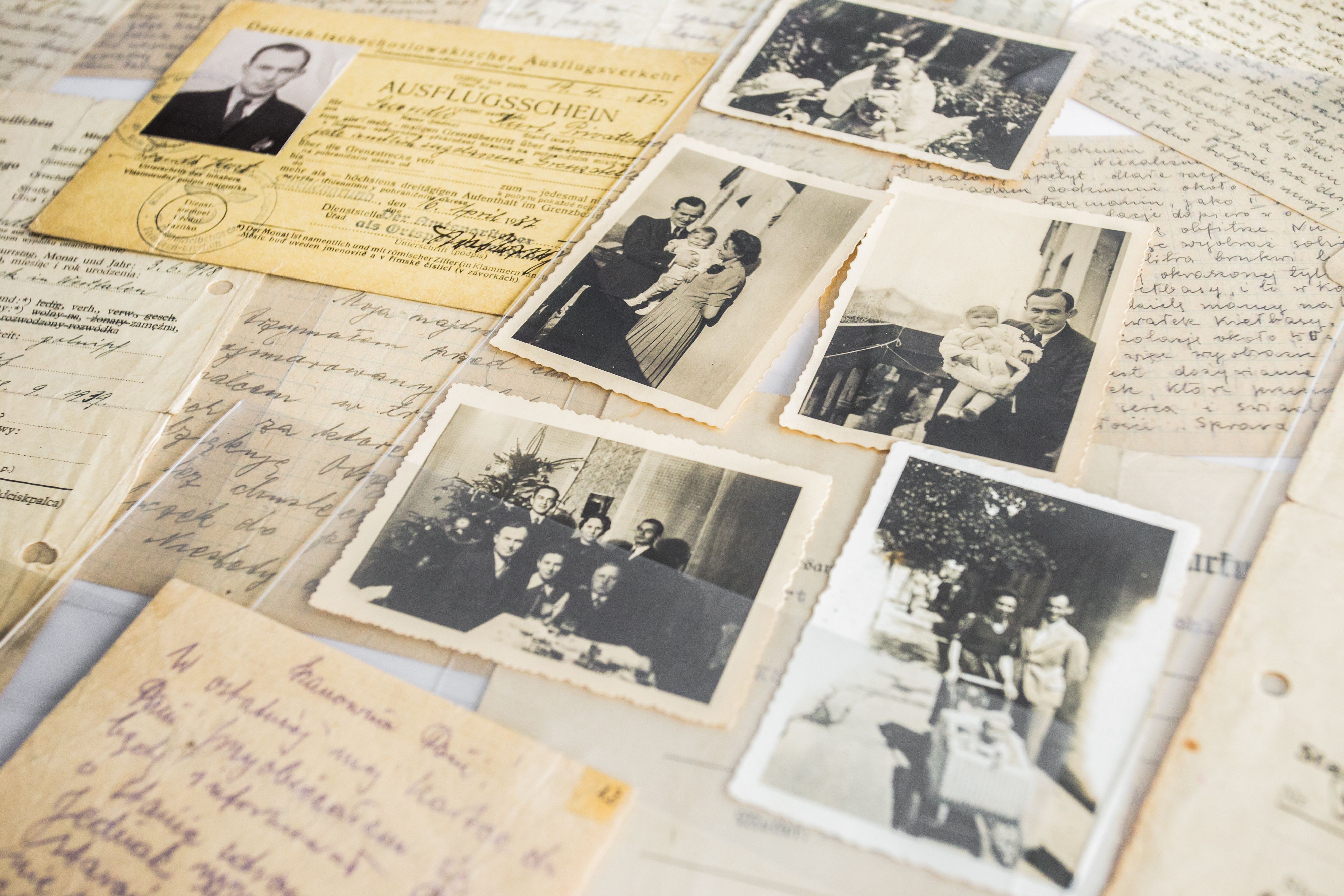
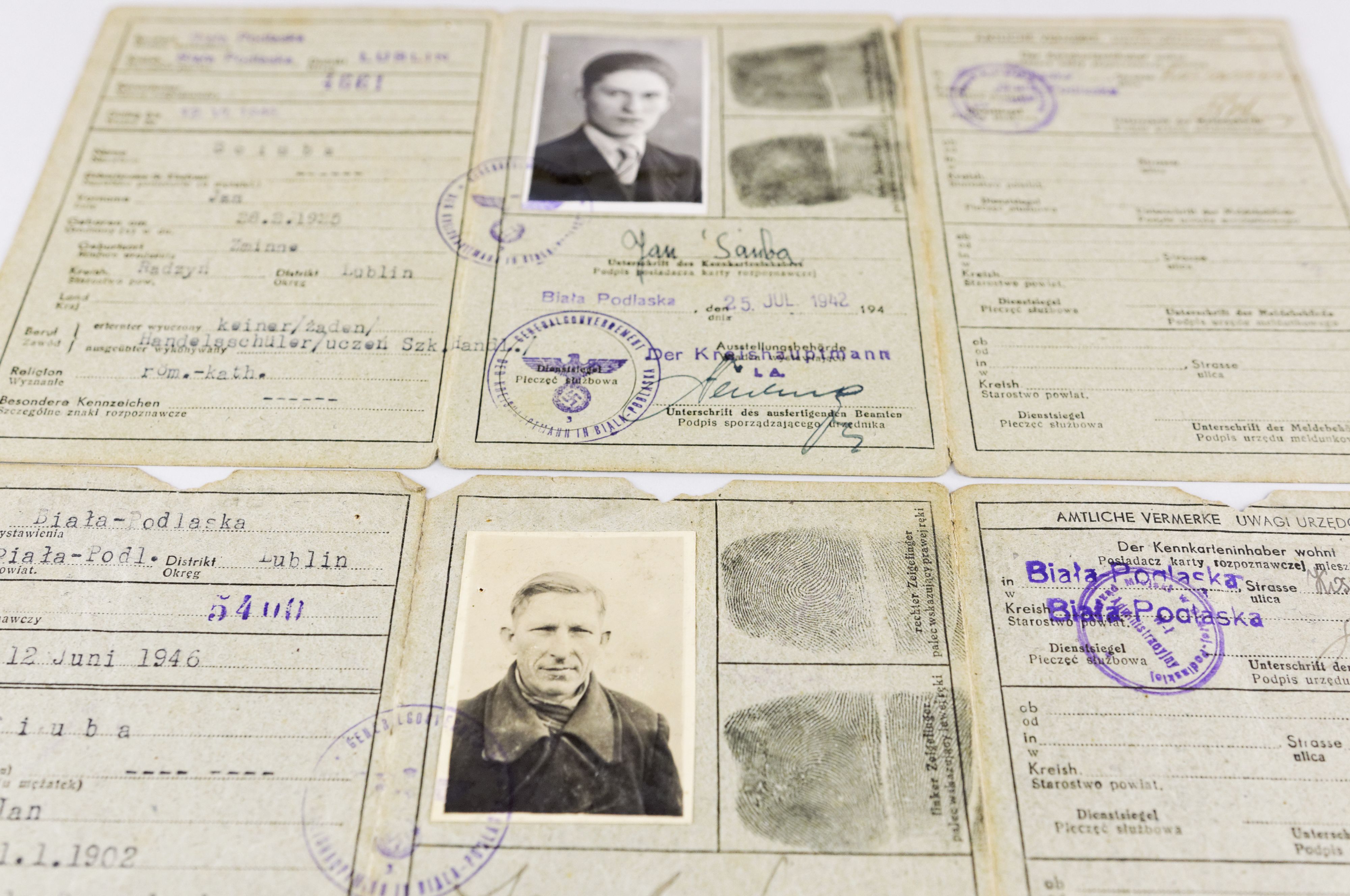
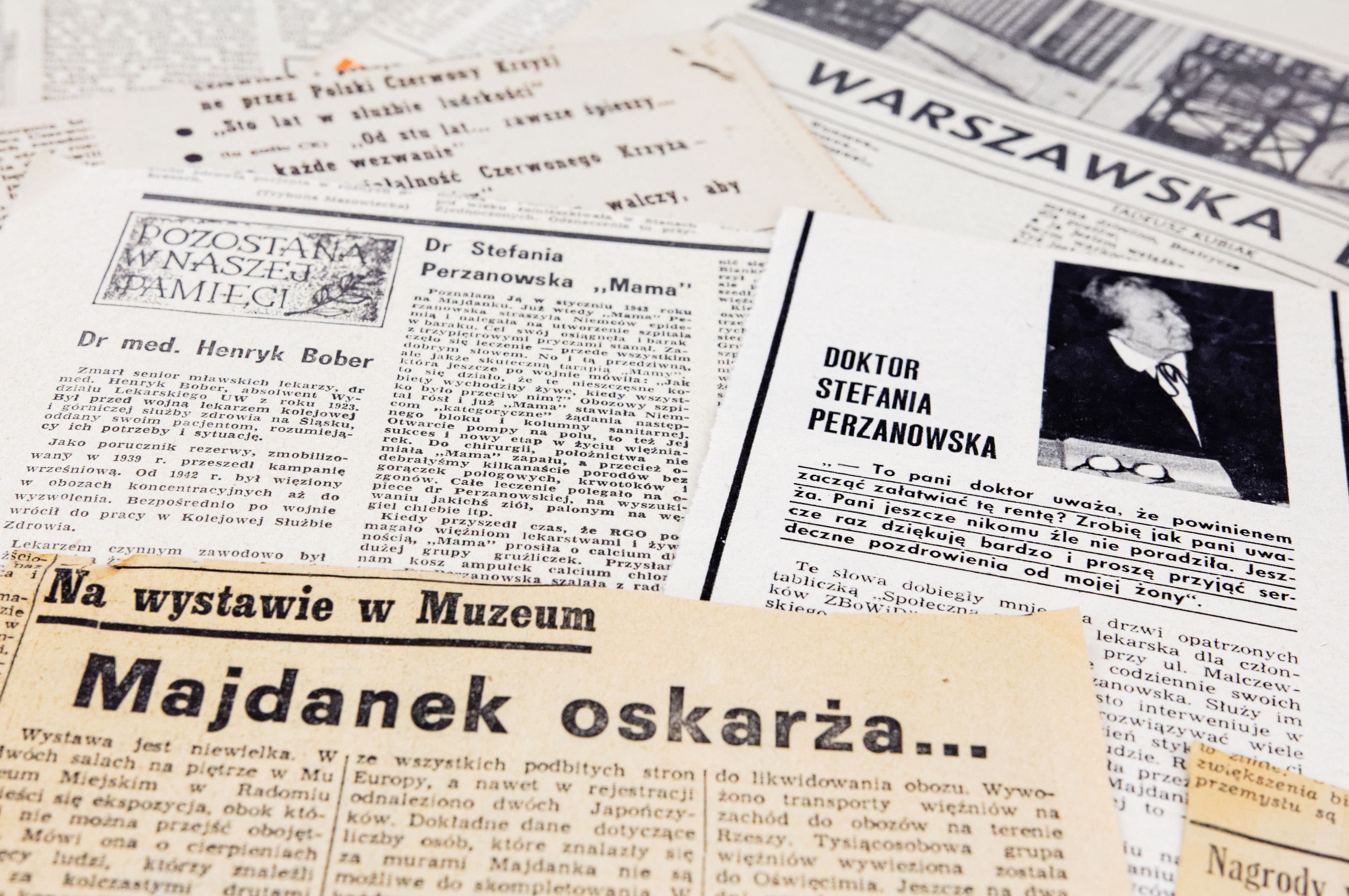
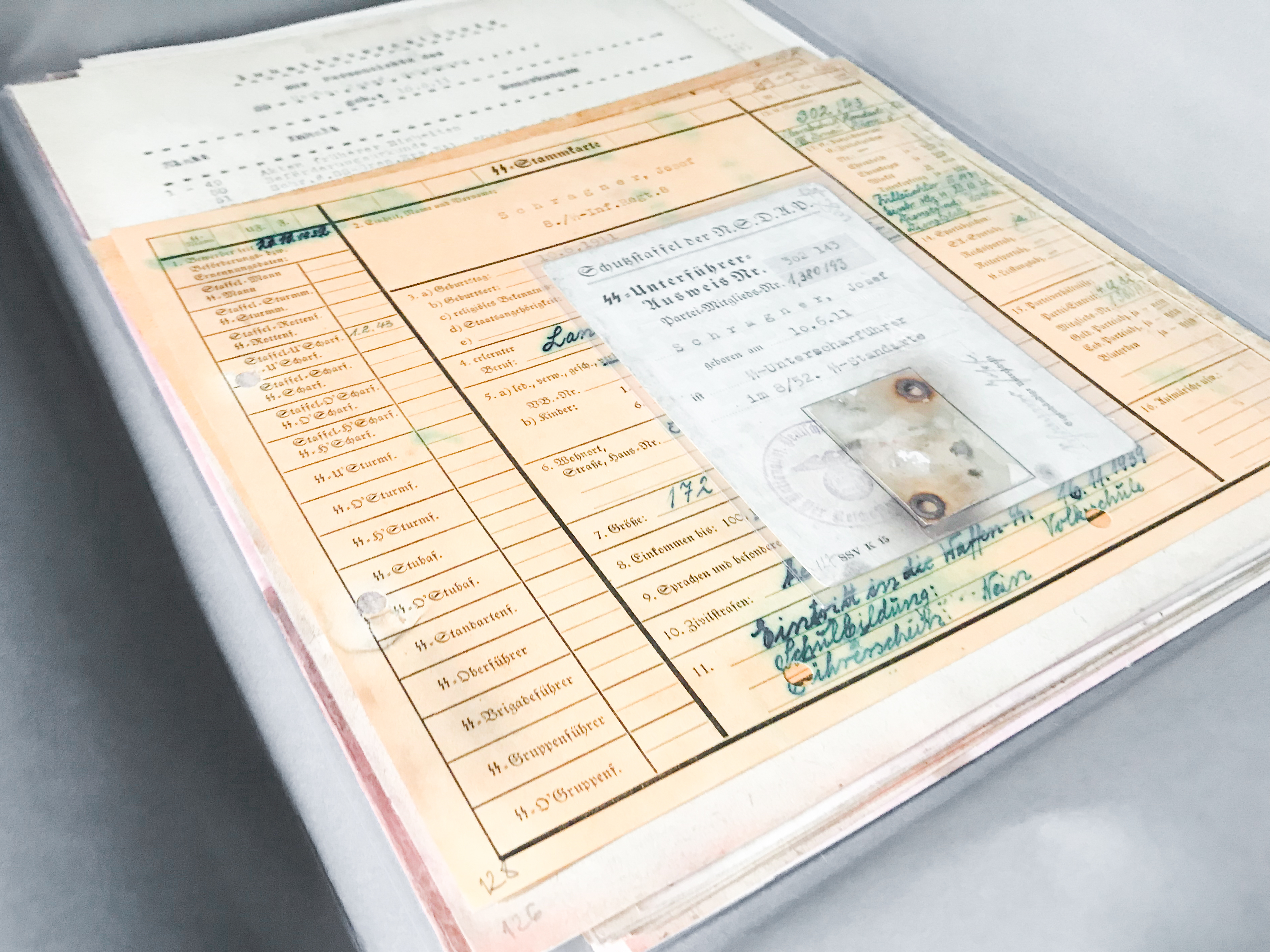
In the heart of our archival collections lie the files of the KL Lublin’s SS administration found on the former camp grounds after its liquidation (camp commandant staff documents, prisoner records, files of the camp prisoner labour office) and the documents donated by survivors or their families. Other sources include the files of the Polish Red Cross branch in Lublin and the Organization of Aid for the Imprisoned and Burned that helped the prisoners during the war, private documents found on the former grounds of Majdanek and the Flugplatz labour camp, KL Lublin construction plans, and the German occupational poster announcements of death sentences.
Developed Sources
Another part of our archival collections comprise the so-called developed sources: witness accounts (texts, audio, and video) and personal questionnaires filled in by survivors or prisoners’ family members after the war.
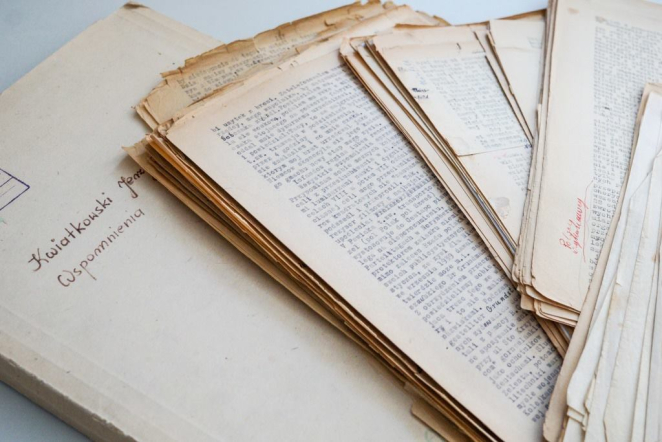
Photographs
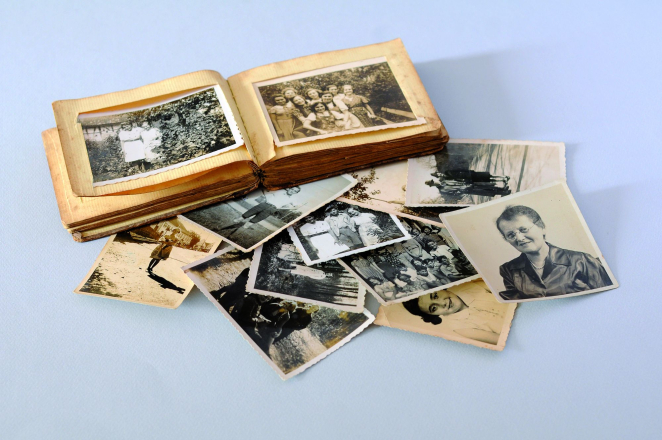
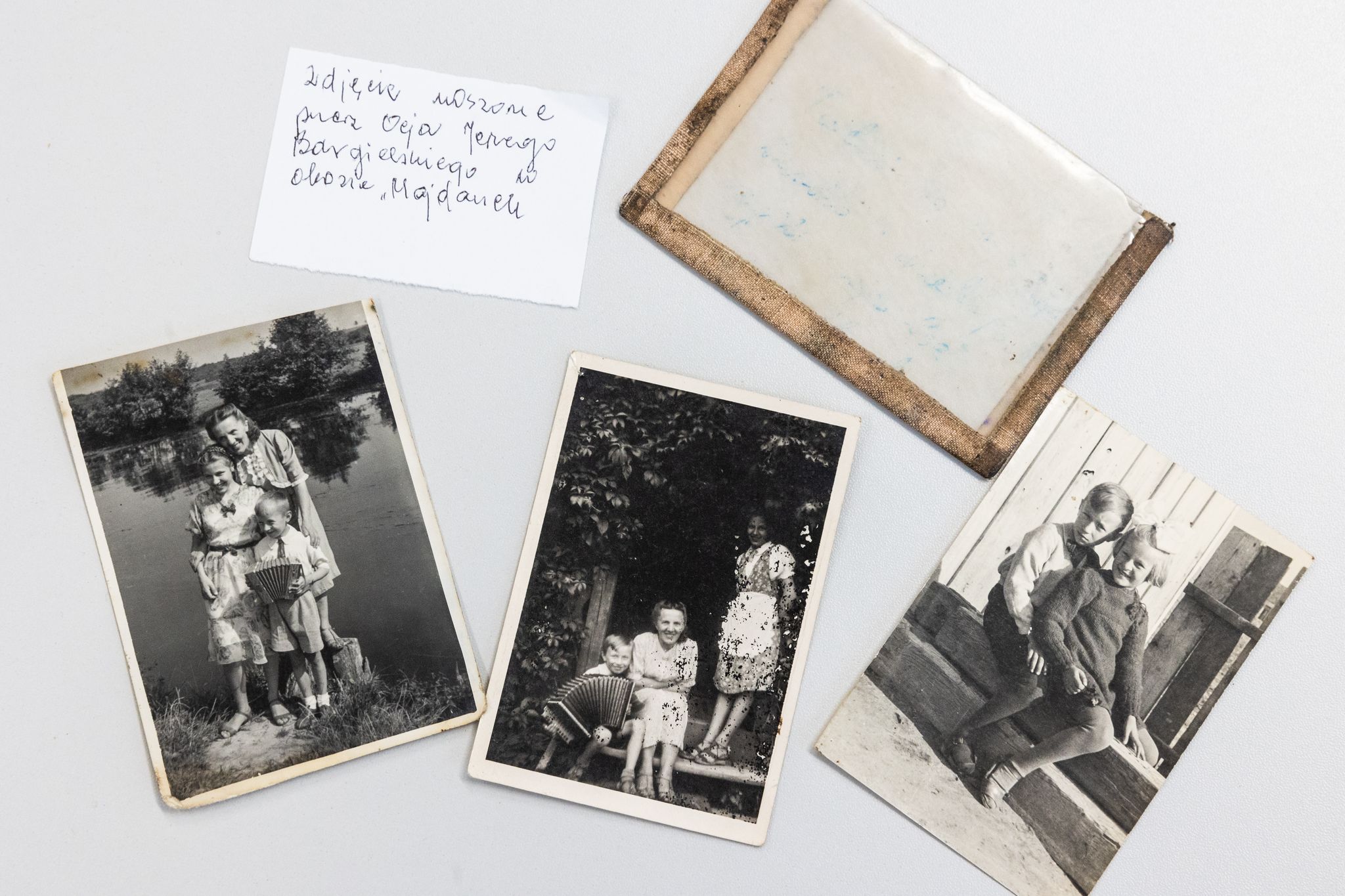
Besides the files and maps our archives also contain a collection of photographs. They include photos taken during the camp construction and shortly after its liquidation in 1944 and the years that followed. Private photographs of the victims that were found on the camp grounds are also included in this category.
Museum Collections Aggregation
The aggregation of museum collections is conducted on the basis of relevant acts of the Polish law and the internal regulations formed on the basis of the ICOM Code of Ethics. Upon obtaining an item, the Museum provides it with adequate storage conditions that secure its protection and preservation, proper documentation, and research into its history. Then, they are used for academic and educational purposes, and become a part of our exhibition projects.
The Museum primarily collects historical artefacts. New objects added to our inventories come mainly from archaeological excavations or individuals who donate items related to the functioning of the German Nazi concentration and extermination camp at Majdanek and the German Nazi extermination camps in Bełżec and Sobibór.